
Search results for "Benefits" in Home Design Ideas

 Econize Closets & Blinds
Home office features Autumn Cherry finish with Midnight black tops. Wire management trays below the desk offer a tangle free solution for wires. For FREE design consultation call 703-953-2499.

 Maria Adams Designs
Fun, fresh and fabulous family room designed for the Greensboro Designer Showhouse by Maria Adams. Window Treatments and Custom pillows fabricated by WindowWorks Studio.
Andrew Mayon Photography
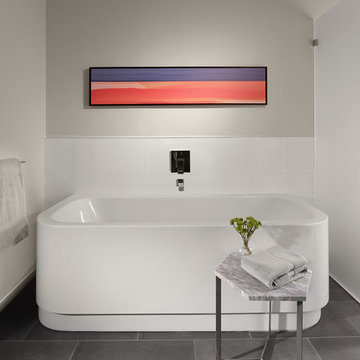
Example of a large trendy white tile slate floor freestanding bathtub design in San Francisco with gray walls
Find the right local pro for your project
 John
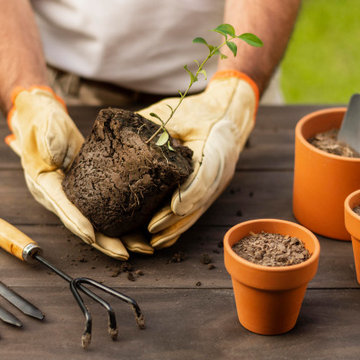
JohnCoco coir is a versatile and sustainable growing medium that is gaining popularity among gardeners. Made from the fibrous husk of coconuts, it’s an eco-friendly alternative to peat moss and can greatly enhance the quality of your soil. In gardening, it is often utilized in systems like Coco Coir Hydroponic, where it helps create an efficient water and nutrient delivery system.
What is Coco Coir?
Coco coir is a natural fiber extracted from coconut husks. It has a neutral pH, excellent water retention, and is reusable, making it a favorite among gardeners who prefer organic and sustainable practices. It is available in different forms such as blocks, bricks, or loose coir, each requiring some preparation before use in gardening.
Benefits of Using Coco Coir in Gardening
Coco coir offers several advantages for gardening. Here are the benefits of using coco coir in gardening:
Holds up to 10 times its weight in water, ensuring plants have consistent moisture.
Promotes oxygen flow to plant roots, leading to healthier root systems.
Coco coir is a renewable and eco-friendly alternative to peat moss.
It can be washed, rehydrated, and reused, reducing waste.
Naturally pH neutral, making it suitable for various plants without major adjustments.
Enhances the texture and moisture retention of garden soil.
How to Prepare Coco Coir for Planting
Preparing coco coir for planting involves a few essential steps. First, you need to hydrate the coir block, as it typically comes in a compressed form. Place the block in a large container and add warm water, allowing the block to expand and absorb the water. Once fully expanded, the coir should be fluffed up by breaking it apart with your hands or a tool to ensure it becomes loose and airy. After the coir has been fluffed, it is important to drain any excess water, as overly wet coir can lead to root suffocation. Finally, since coco coir is inert and does not contain nutrients, it’s a good idea to add organic compost or liquid fertilizer to enrich the coir before planting.
Do You Need to Soak Coco Coir Before Planting?
Yes, soaking coco coir before planting is necessary. Since it comes in a compressed form, it needs to be broken down and hydrated for proper use. The soaking process allows the coir to expand and release the fibers, making it usable as a growing medium. After soaking, the coir should be fluffed to ensure the water is evenly distributed. Draining any excess water is crucial because overly wet coir may impede plant root health.
How to Prepare Coco Peat for Planting
Coco peat, a fine, powdery form of coco coir, is highly beneficial for seed starting and improving water retention in soil. To prepare coco peat, it first needs to be hydrated, similar to how you prepare coir blocks. Slowly add water to the peat in a container and allow it to absorb and fluff up. Once hydrated, coco peat can be used on its own or mixed with other growing media such as perlite or vermiculite for added aeration and drainage. It is advisable to check the pH level of your final mix, as coco peat generally has a neutral pH, but adjustments may be necessary depending on the plants being grown.
Can You Use Just Coco Coir for Plants?
Yes, coco coir can be used by itself to grow plants, especially in hydroponic systems or as a seed-starting medium. However, because coco coir does not naturally contain nutrients, you will need to provide regular fertilizer to support plant growth. This makes it particularly suitable for plants grown in controlled environments, such as hydroponics, where nutrient solutions can be carefully managed. In traditional soil-based gardening, mixing coco coir with other organic materials like compost is recommended to provide essential nutrients and improve the overall soil structure.
How to Use Coco Coir in Hydroponics
Coco coir is widely used in hydroponic systems due to its water retention and aeration properties. To use coco coir in hydroponics, it first needs to be soaked and hydrated, as discussed earlier. Once the coir is fully prepared, it can be placed in the hydroponic system. Since coco coir does not contain natural nutrients, you will need to supply a balanced nutrient solution tailored for hydroponic plants. Regular monitoring of water and nutrient levels is essential to prevent nutrient imbalances or root rot. One of the benefits of coco coir in hydroponics is its reusability. After completing a growing cycle, the coir can be washed, rehydrated, and used again in future plantings.
Using Coco Coir as a Soil Amendment
Coco coir is also an excellent soil amendment, as it improves the texture and moisture retention of garden soil. To use coco coir in this way, mix loose coir with your existing garden soil at a ratio of one part coco coir to two parts soil. This will help retain moisture without compacting the soil, improving both water drainage and root growth. For optimal results, you can also add organic compost to the mix, ensuring that the nutrient levels are sufficient for plant growth. Coco coir works particularly well in raised beds, where it helps maintain proper soil structure over time.
Advantages of Using Coco Coir Over Peat Moss
While peat moss has been traditionally used as a growing medium, coco coir offers several advantages over it. Coco coir is a renewable resource, as it is a byproduct of coconut processing, while peat moss is harvested from peat bogs that take centuries to regenerate. Coco coir is also more durable, as it can be reused multiple times without breaking down, while peat moss disintegrates after a single use. Another key benefit is its neutral pH, whereas peat moss is more acidic and may require balancing to meet the needs of specific plants.
Conclusion
Coco coir is a highly versatile and sustainable growing medium that benefits both novice and experienced gardeners alike. Whether you are using it for hydroponics, as a soil amendment, or as a standalone medium for growing plants, knowing how to properly prepare and use it is key to maximizing its benefits. By following the steps detailed above, you can improve water retention, aeration, and overall plant health in your garden, all while contributing to eco-friendly gardening practices.





 Alexander Design Group, Inc.
Eat-in kitchen - contemporary medium tone wood floor and brown floor eat-in kitchen idea in Minneapolis with an undermount sink, flat-panel cabinets, quartz countertops, white backsplash, an island and white countertops

 Hammond Design
The master bedroom sitting area.
Shelley Zatsky
Bedroom - mid-sized traditional master medium tone wood floor bedroom idea in Boston with blue walls and no fireplace
Bedroom - mid-sized traditional master medium tone wood floor bedroom idea in Boston with blue walls and no fireplace

 Burnham Design
Example of a transitional women's dark wood floor walk-in closet design in Los Angeles with glass-front cabinets and white cabinets




 Amber Interiors
Tessa Neustadt http://tessaneustadt.com
Inspiration for a scandinavian entryway remodel in Los Angeles
Inspiration for a scandinavian entryway remodel in Los Angeles

 Roost Interiors
© Lisa Russman Photography
Inspiration for a transitional bathroom remodel in New York
Inspiration for a transitional bathroom remodel in New York

 Turnbull Griffin Haesloop
David Wakely
Small trendy medium tone wood floor bedroom photo in San Francisco with white walls
Small trendy medium tone wood floor bedroom photo in San Francisco with white walls
 Leslie Cotter Interiors
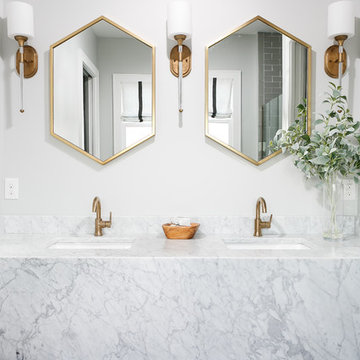
Inspiration for a large transitional master gray tile and stone tile marble floor bathroom remodel in Louisville with a two-piece toilet, gray walls, an undermount sink and marble countertops



 Mad Mod Home
Example of a transitional light wood floor and beige floor living room design in Los Angeles with white walls, a standard fireplace and no tv

 Resource Furniture
Pictured: Ulisse Sofa, Goliath table, Scilla chair, ConcreteWall Bed Linen Collection
Weissman Equities - featured in New York Magazine http://nymag.com/homedesign/features/pad-project-micro-apartments/

 Julie Holloway
 http://www.jenniferkeslerphotography.com
Trendy gray tile and subway tile dark wood floor bathroom photo in Atlanta with gray walls
Trendy gray tile and subway tile dark wood floor bathroom photo in Atlanta with gray walls

 Australian Lifestyle Design Studio
Brad Craig - Australian Lifestyle Design Studio
Example of a trendy exterior home design in Sydney
Example of a trendy exterior home design in Sydney
8