
Search results for "Carbohydrate" in Home Design Ideas

 safe ZOnea
Daylight is a very important factor that influences plant growth and reproduction. Gardeners need to make sure that they measure the length of daylight hours that a plant gets within a 24-hour period. This way, growth can be monitored and regulated.
For sun-loving plants, changes in the length of each day serve as the guide that helps plants transition from vegetative growth to reproductive stages. Changes in seasons and daylight hours have an impact on the adjustment of growth hormones that are responsible for flowering.
Therefore, it’s very important for gardeners to make sure that they conduct thorough research on long-season plants that are adapted to extended sunlight exposure. During this research, it’s not uncommon for gardeners to come across topics related to sativa seeds for sale because these plants are studied for their adaptation to bright, extended growing seasons.
For gardeners that want to experiment with these kinds of plants, sativa seeds for sale can be a good starting point. But in all cases of plant growth for sun-loving plants, the principle is always the same: it’s that daylight acts as a calendar that plants use so they can determine when it’s time for them to reproduce.
Long-Day, Short-Day, and Day-Neutral Responses
Different plants have different responses to light cycles. This is why plants are grouped into long-day, short-day, and day-neutral categories.
Long-day plants are those plants that thrive when daylight goes beyond the critical threshold. This is mostly common in late spring or early summer. A lot of sun-loving ornamental plants and vegetables fall within this category. They always take advantage of the longer days that support energy-intensive flower and seed production.
On the other hand, short-day plants are those that usually flower and thrive when nights grow longer. When temperatures cool or the seasonal rainfall patterns change, these plants tend to thrive. Sure, these plants still require strong sunlight. However, it’s their uninterrupted time in the dark that triggers their reproductive phase.
For day-neutral plants, it’s age and environmental stress that impacts their reproductive phase. However, they still do benefit from adequate sunlight.
It’s very important for gardeners to understand these categories so that they can plan what to grow in their garden with each turn of the season. By doing this, it’s easier to guarantee better results in one’s garden.
Why Sunlight Duration Matters More Than Intensity Alone
It’s not only the sun’s intensity that should be taken into account when growing a garden. It’s also very important to take note of sunlight duration, which is actually more important for plants.
Sure, light intensity does influence photosynthesis. However, it’s the duration of sunlight exposure that plays an important regulatory role. When plants are exposed to sunlight longer, they are able to produce more carbohydrates through photosynthesis. This helps them build the energy reserves they need to grow buds and flowers.
However, if a plant does not get enough sunlight time, there is a huge chance that the plant will not bloom at all. If you have observed plants that grow very quickly but do not flower, the reason is that it doesn’t get enough sunlight time. Therefore, it’s very important to monitor sunlight duration in order to make sure that plants will actually grow buds and flowers.
Practical Implications for Garden Planning
When gardeners understand the impact of daylight hours on plants, they are able to plan their gardens more effectively. After all, seasons do change and the conditions brought by each season will definitely have a huge impact on plant growth. Once gardeners have the right knowledge in terms of which categories plants belong to, they can easily decide which plants to grow at any given time.
It’s not enough to just rely on sunlight intensity and then expect plants to grow buds and flowers. It’s also very important to take into account the duration of sunlight time for each plant. By having this understanding, gardeners will become more effective when it comes to making sure that flowering occurs.
 Raw Leaf Story
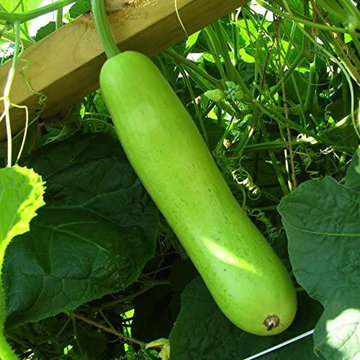
Vegetarian diets offer a number of nutritional benefits, including lower levels of saturated fat, cholesterol, and animal protein as well as higher levels of carbohydrates, dietary fiber, magnesium, potassium, folate, and antioxidants such as vitamins C and E and phytochemicals. Here At Raw Leaf Story, we produce organic fruits in our partners' farms using the traditional methods where we hadn't use any harmful chemicals. Do contact us for more details or online purchase. We serve all across Delhi, Gurgaon.
Looking for an easy to cook, tasty and nutritious vegetable, you know it and we have it for you. Bottle gourd it is. Our favorite Ghiya, Lauki (whatever you call it in your local language) is low in calories, rich in fibers and proteins, and 100% organic.
Find the right local pro for your project
 Sprig
SprigA bento box is more than just a lunch container—it’s a reflection of Japanese culture, mindful eating, and balanced nutrition. Traditionally used in Japan, bento boxes have gained global popularity due to their practicality, aesthetic appeal, and ability to promote healthy eating habits.
What Is a Bento Box?
A bento box is a single-portion packed meal, neatly arranged in a compartmentalized container. The word “bento” originates from the Chinese term meaning convenient, which perfectly describes its purpose. A typical bento includes rice or noodles, protein like fish, meat, or tofu, and a variety of vegetables or side dishes, all placed in separate sections to maintain flavor and presentation.
Cultural Significance of Bento Boxes
In Japan, bento boxes represent care, effort, and balance. Parents often prepare bento meals for their children as a symbol of love, while office workers rely on them for nutritious meals during busy days. Special versions like ekiben (railway station bento) and character bento (decorated meals shaped like animals or cartoons) highlight the creativity and cultural importance of bento-making.
Health Benefits of Using a Bento Box
One of the biggest advantages of a bento box is its role in portion control and balanced nutrition. Since the box has fixed compartments, it encourages variety without overeating. A well-prepared bento typically follows the principle of:
40–50% carbohydrates
30–40% vegetables
20–30% protein
This balance helps maintain energy levels, supports digestion, and reduces the reliance on unhealthy fast food.
Modern Bento Boxes and Their Uses
Today’s bento boxes are designed to suit modern lifestyles. They are available in microwave-safe, leak-proof, and eco-friendly materials such as stainless steel, BPA-free plastic, and bamboo fiber. Many come with insulated layers, sauce containers, and cutlery, making them ideal for:
Office lunches
School meals
Travel and picnics
Fitness and meal-prep routines
With the rise of sustainable living, reusable bento boxes also help reduce single-use plastic waste.
Bento Boxes in Everyday Life
Bento boxes are no longer limited to Japanese cuisine. People worldwide use them to pack Indian, Western, vegan, or keto meals. From chapati and sabzi to pasta and salads, bento boxes adapt easily to different food preferences while keeping meals fresh and organized.
Why Bento Boxes Are So Popular Today
The popularity of bento boxes is driven by busy schedules, health awareness, and social media trends. Platforms like Instagram and Pinterest showcase beautifully arranged bento meals, inspiring people to eat better and enjoy the process of food preparation. They combine functionality, aesthetics, and mindfulness, making meals more enjoyable.
Conclusion
A bento box is a smart and stylish way to enjoy homemade meals while staying healthy and organized. Whether you’re looking to improve your diet, save money, or reduce environmental impact, a bento box offers a simple yet effective solution. With its deep cultural roots and modern versatility, the bento box continues to be a timeless companion for everyday meals.
 gardenaar
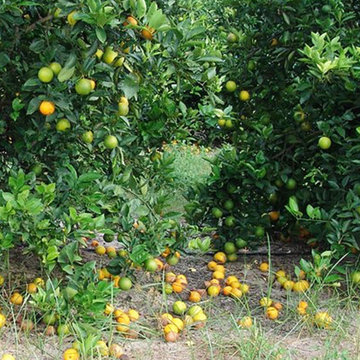
Does your orange tree drop its fruit before it reaches full size, or worse, does it drop flowers before the fruit starts to form?
Trees photosynthesize to produce carbohydrates like sugar which they store as a source of energy. They can maintain a limited amount, which is used to drive the growth of new leaves, branches, roots and stem. Fruitfulness requires the tree to divert its limited energy sources away from these vital functions to the production of flowers, blossoms and fruits.
Fruit development involves maturity followed by fertilization, growth, maturity and maturity. This process takes between 6-7 months in warmer climates, which requires a large number of tree energy sources as a result.
Trees are able to manage their resources, and will also divert them to emergencies ...
Fruit Drop and Crop Depression
In regions where oranges produce one crop per year, they go through a series of growth stages as follows:
Sprout formation and flower launching (mid-winter)
Flowers and fruit set (early spring)
Fruit growth - cell division (late spring to early summer)
Fruit growth - cell proliferation (mid-summer to early autumn)
Fruit ripening (autumn to late winter)
The difference is in the regions where most citrus crops are produced year-round. In these cases, the different stages of development will take place simultaneously.
The orange tree can handle its plant load well, and it will bear as much fruit as we can support. It is natural for all citrus trees to produce too little fruit and too little flowers in early spring to prevent overproduction. There is no need to worry too much about flowering, as an orange tree needs only 1% to 2% of flowers to produce a good crop, and sometimes even less than 1% is enough.
If a tree is depressed because it does not get enough water in hot, dry weather, and if it dies of nitrogen starvation because it is not given enough fertilizer, fruit set will be very difficult in the spring. There may also be a small number of fruit losses in the summer under stressful conditions.
Solution: Provide enough water, and water often in hot weather and strong winds. Orange feed with moderate fertilizer in early spring (September in Southern hemisphere, March in the Northern Hemisphere)
Fruit Drop and Lack of Potassium Nutrient
When orange trees are heavy, the decline in fruit can be exacerbated by low potassium levels.
Potassium, also known as potash (represented by the chemical mark K on fertilizer labels meaning N-P-K or nitrogen-phosphorus-potassium ratio) is a major macronutrient needed for flowering and fruit formation. Next to nitrogen, plants absorb more potassium than any other nutrient. Without potassium, the trees stop flowering and fruiting, which is what happens if they are not fed regularly.
Before any smug horticulturist declares to you that potassium has no direct effect on flowering and fruit set, let me say that as a horticulturist and biochemist, plant chemistry, like the chemistry of all living things is complex, but some input it is necessary to produce certain results. , and the references I have made to the end of this article support what I am saying!
Entering science, Potassium (K) is essential for water, nutrients and the movement of carbohydrates in plant tissues. It also activates enzymes that facilitate the synthesis of complex chemicals within the plant - such as starch, protein and adenosine triphosphate (ATP) production. The role of ATP is to transport the energy needed for all cellular metabolic activities to all living things, and in plants ATP production can regulate the level of photosynthesis.
Potassium also helps regulate the opening and closing of stomata, holes or cavities under which oxygen and carbon dioxide are exchanged with the atmosphere, and respiratory losses are controlled. It increases root growth which increases the absorption of nutrients and improves drought resistance, and increases resistance to frost, pests and diseases. High potassium levels produce similar maturity and fruit growth rate, as well as better nutritional quality, taste and range.
Agricultural extension agencies suggest that large amounts of potash are needed in many crops, and that potassium deficiency or macronutrient deficiency leads to reduced crop growth and reduced yields, and that potassium levels not only affect yield, but fruit size, juice. quality and shelf life.
Since potassium plays an important role in water regulation, deficiency can clearly increase the pressures associated with the declining fruit mentioned in the previous section.
Solution: Make sure that the orange trees are fertilized with the right fertilizer as previously discussed. Extra potassium can be brought in using seaweed extract (which is not a fertilizer but contains a good amount of potassium), wood ash (used in small quantities only as it is very alkaline), or potash sulphate (potassium sulphate) - all this is guaranteed. as acceptable in a natural garden.
Never use potassium chloride as it can be harmful to plants, it is a very inexpensive alternative to fertilizer manufacturers to save money!
Even if there are sufficient levels of potassium in the soil, it may not be accessible to plants, unless we make some improvements.
1