
Search results for "Ceremony" in Home Design Ideas



Find the right local pro for your project
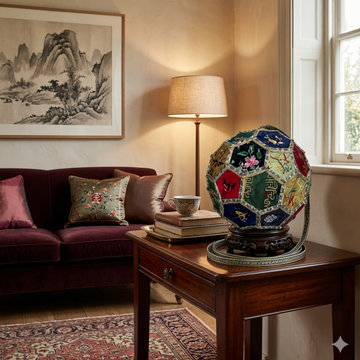
 Golden Lotus Antiques
 https://www.goldenlotusantique.com/collections/collectibles-gifts/products/vintage-chinese-embroidered-silk-patchwork-decorative-wedding-ceremonial-ball-gb108s
Vintage Chinese Embroidered Silk Patchwork Decorative Wedding Ceremonial Ball GB108
 abarnai
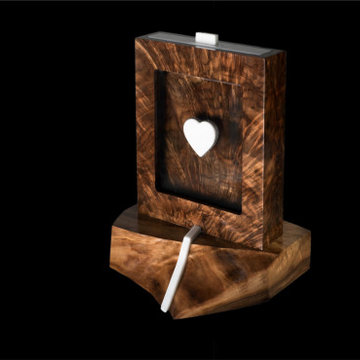
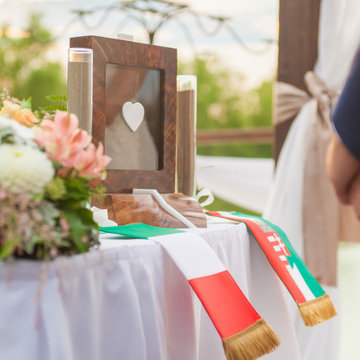
A Sand Ceremony is a symbol of the union of two individuals, their unique strength, vulnerabilities, histories and families. This sand ceremony box, named Homok Sabbia, was a very special wedding gift for a Hungarian woman and her Italian fiancé. It represents the uniting of their origins, cultures and languages as they combined sand (Homok) from her home garden in Hungary and sand (Sabbia) from the seaside in Italy, during their wedding ceremony.
The most beautiful and striking section of the heart wood was selected to create the box; an area with a grain structure that radiated up and out from the bottom, similar to a bouquet of vibrant flowers. The base was created with the natural edge of the walnut sap wood, or new growth, which has a different color and grain structure than the heart wood, the oldest growth. While cut from the same slap of Claro walnut, the two different sections, the base and the box, have their own unique beauty and striking features.
The richness of the dark wood and intricate grain patterns were balanced with the addition of pure and striking white Carrara marble from Italy. The central marble heart was hand cut, sanded, polished and then secured in the heart shaped space that had been gently carved out of the glass front. A marble vein was inserted in the base and the narrow lid was also carved out of marble to harmoniously bring the whole piece together.
When it arrived in Hungary, the bride to-be wrote us ““It’s sooooo beautiful! Perfect! I’m so happy, I like it more than I imagined!”
 abarnai
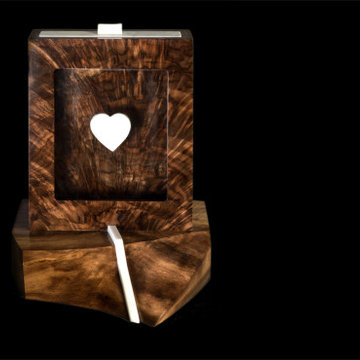
A Sand Ceremony is a symbol of the union of two individuals, their unique strength, vulnerabilities, histories and families. This sand ceremony box, named Homok Sabbia, was a very special wedding gift for a Hungarian woman and her Italian fiancé. It represents the uniting of their origins, cultures and languages as they combined sand (Homok) from her home garden in Hungary and sand (Sabbia) from the seaside in Italy, during their wedding ceremony.
The most beautiful and striking section of the heart wood was selected to create the box; an area with a grain structure that radiated up and out from the bottom, similar to a bouquet of vibrant flowers. The base was created with the natural edge of the walnut sap wood, or new growth, which has a different color and grain structure than the heart wood, the oldest growth. While cut from the same slap of Claro walnut, the two different sections, the base and the box, have their own unique beauty and striking features.
The richness of the dark wood and intricate grain patterns were balanced with the addition of pure and striking white Carrara marble from Italy. The central marble heart was hand cut, sanded, polished and then secured in the heart shaped space that had been gently carved out of the glass front. A marble vein was inserted in the base and the narrow lid was also carved out of marble to harmoniously bring the whole piece together.
When it arrived in Hungary, the bride to-be wrote us ““It’s sooooo beautiful! Perfect! I’m so happy, I like it more than I imagined!”
 User
UserZiad Photography
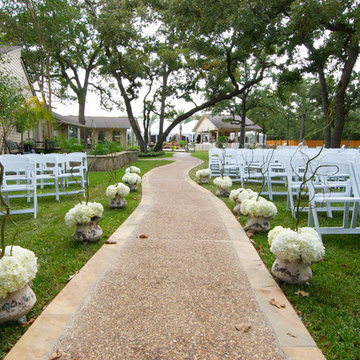
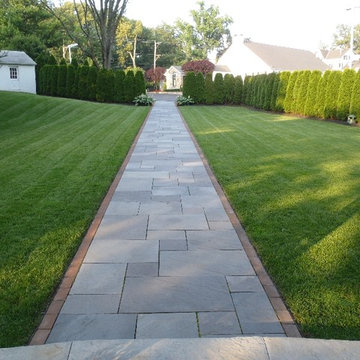
Photo of a large farmhouse shade backyard stone garden path in Houston for summer.
Photo of a large farmhouse shade backyard stone garden path in Houston for summer.
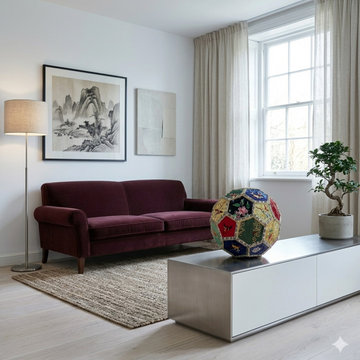 Golden Lotus Antiques
Vintage Chinese Embroidered Silk Patchwork Decorative Wedding Ceremonial Ball GB108
https://www.goldenlotusantique.com/collections/collectibles-gifts/products/vintage-chinese-embroidered-silk-patchwork-decorative-wedding-ceremonial-ball-gb108s
 abarnai
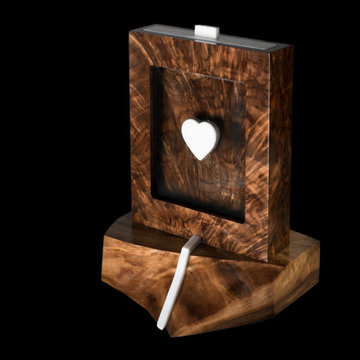
A Sand Ceremony is a symbol of the union of two individuals, their unique strength, vulnerabilities, histories and families. This sand ceremony box, named Homok Sabbia, was a very special wedding gift for a Hungarian woman and her Italian fiancé. It represents the uniting of their origins, cultures and languages as they combined sand (Homok) from her home garden in Hungary and sand (Sabbia) from the seaside in Italy, during their wedding ceremony.
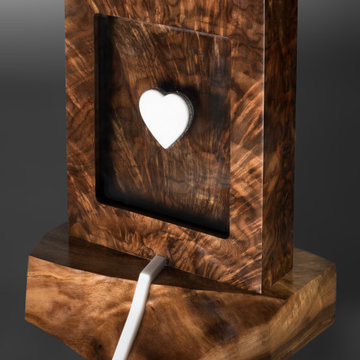
The most beautiful and striking section of the heart wood was selected to create the box; an area with a grain structure that radiated up and out from the bottom, similar to a bouquet of vibrant flowers. The base was created with the natural edge of the walnut sap wood, or new growth, which has a different color and grain structure than the heart wood, the oldest growth. While cut from the same slap of Claro walnut, the two different sections, the base and the box, have their own unique beauty and striking features.
The richness of the dark wood and intricate grain patterns were balanced with the addition of pure and striking white Carrara marble from Italy. The central marble heart was hand cut, sanded, polished and then secured in the heart shaped space that had been gently carved out of the glass front. A marble vein was inserted in the base and the narrow lid was also carved out of marble to harmoniously bring the whole piece together.
When it arrived in Hungary, the bride to-be wrote us ““It’s sooooo beautiful! Perfect! I’m so happy, I like it more than I imagined!”
 abarnai
A Sand Ceremony is a symbol of the union of two individuals, their unique strength, vulnerabilities, histories and families. This sand ceremony box, named Homok Sabbia, was a very special wedding gift for a Hungarian woman and her Italian fiancé. It represents the uniting of their origins, cultures and languages as they combined sand (Homok) from her home garden in Hungary and sand (Sabbia) from the seaside in Italy, during their wedding ceremony.
The most beautiful and striking section of the heart wood was selected to create the box; an area with a grain structure that radiated up and out from the bottom, similar to a bouquet of vibrant flowers. The base was created with the natural edge of the walnut sap wood, or new growth, which has a different color and grain structure than the heart wood, the oldest growth. While cut from the same slap of Claro walnut, the two different sections, the base and the box, have their own unique beauty and striking features.
The richness of the dark wood and intricate grain patterns were balanced with the addition of pure and striking white Carrara marble from Italy. The central marble heart was hand cut, sanded, polished and then secured in the heart shaped space that had been gently carved out of the glass front. A marble vein was inserted in the base and the narrow lid was also carved out of marble to harmoniously bring the whole piece together.
When it arrived in Hungary, the bride to-be wrote us ““It’s sooooo beautiful! Perfect! I’m so happy, I like it more than I imagined!”

 abarnai
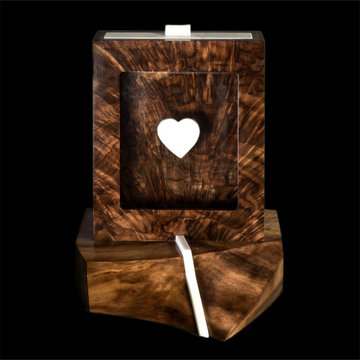
A Sand Ceremony is a symbol of the union of two individuals, their unique strength, vulnerabilities, histories and families. This sand ceremony box, named Homok Sabbia, was a very special wedding gift for a Hungarian woman and her Italian fiancé. It represents the uniting of their origins, cultures and languages as they combined sand (Homok) from her home garden in Hungary and sand (Sabbia) from the seaside in Italy, during their wedding ceremony.
The most beautiful and striking section of the heart wood was selected to create the box; an area with a grain structure that radiated up and out from the bottom, similar to a bouquet of vibrant flowers. The base was created with the natural edge of the walnut sap wood, or new growth, which has a different color and grain structure than the heart wood, the oldest growth. While cut from the same slap of Claro walnut, the two different sections, the base and the box, have their own unique beauty and striking features.
The richness of the dark wood and intricate grain patterns were balanced with the addition of pure and striking white Carrara marble from Italy. The central marble heart was hand cut, sanded, polished and then secured in the heart shaped space that had been gently carved out of the glass front. A marble vein was inserted in the base and the narrow lid was also carved out of marble to harmoniously bring the whole piece together.
When it arrived in Hungary, the bride to-be wrote us ““It’s sooooo beautiful! Perfect! I’m so happy, I like it more than I imagined!”
 abarnai
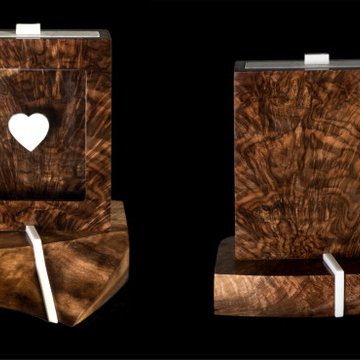
A Sand Ceremony is a symbol of the union of two individuals, their unique strength, vulnerabilities, histories and families. This sand ceremony box, named Homok Sabbia, was a very special wedding gift for a Hungarian woman and her Italian fiancé. It represents the uniting of their origins, cultures and languages as they combined sand (Homok) from her home garden in Hungary and sand (Sabbia) from the seaside in Italy, during their wedding ceremony.
The most beautiful and striking section of the heart wood was selected to create the box; an area with a grain structure that radiated up and out from the bottom, similar to a bouquet of vibrant flowers. The base was created with the natural edge of the walnut sap wood, or new growth, which has a different color and grain structure than the heart wood, the oldest growth. While cut from the same slap of Claro walnut, the two different sections, the base and the box, have their own unique beauty and striking features.
The richness of the dark wood and intricate grain patterns were balanced with the addition of pure and striking white Carrara marble from Italy. The central marble heart was hand cut, sanded, polished and then secured in the heart shaped space that had been gently carved out of the glass front. A marble vein was inserted in the base and the narrow lid was also carved out of marble to harmoniously bring the whole piece together.
When it arrived in Hungary, the bride to-be wrote us ““It’s sooooo beautiful! Perfect! I’m so happy, I like it more than I imagined!”
 abarnai
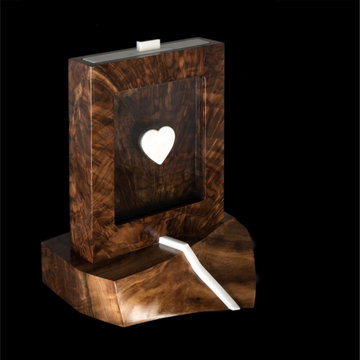
A Sand Ceremony is a symbol of the union of two individuals, their unique strength, vulnerabilities, histories and families. This sand ceremony box, named Homok Sabbia, was a very special wedding gift for a Hungarian woman and her Italian fiancé. It represents the uniting of their origins, cultures and languages as they combined sand (Homok) from her home garden in Hungary and sand (Sabbia) from the seaside in Italy, during their wedding ceremony.
The most beautiful and striking section of the heart wood was selected to create the box; an area with a grain structure that radiated up and out from the bottom, similar to a bouquet of vibrant flowers. The base was created with the natural edge of the walnut sap wood, or new growth, which has a different color and grain structure than the heart wood, the oldest growth. While cut from the same slap of Claro walnut, the two different sections, the base and the box, have their own unique beauty and striking features.
The richness of the dark wood and intricate grain patterns were balanced with the addition of pure and striking white Carrara marble from Italy. The central marble heart was hand cut, sanded, polished and then secured in the heart shaped space that had been gently carved out of the glass front. A marble vein was inserted in the base and the narrow lid was also carved out of marble to harmoniously bring the whole piece together.
When it arrived in Hungary, the bride to-be wrote us ““It’s sooooo beautiful! Perfect! I’m so happy, I like it more than I imagined!”
 abarnai
A Sand Ceremony is a symbol of the union of two individuals, their unique strength, vulnerabilities, histories and families. This sand ceremony box, named Homok Sabbia, was a very special wedding gift for a Hungarian woman and her Italian fiancé. It represents the uniting of their origins, cultures and languages as they combined sand (Homok) from her home garden in Hungary and sand (Sabbia) from the seaside in Italy, during their wedding ceremony.
The most beautiful and striking section of the heart wood was selected to create the box; an area with a grain structure that radiated up and out from the bottom, similar to a bouquet of vibrant flowers. The base was created with the natural edge of the walnut sap wood, or new growth, which has a different color and grain structure than the heart wood, the oldest growth. While cut from the same slap of Claro walnut, the two different sections, the base and the box, have their own unique beauty and striking features.
The richness of the dark wood and intricate grain patterns were balanced with the addition of pure and striking white Carrara marble from Italy. The central marble heart was hand cut, sanded, polished and then secured in the heart shaped space that had been gently carved out of the glass front. A marble vein was inserted in the base and the narrow lid was also carved out of marble to harmoniously bring the whole piece together.
When it arrived in Hungary, the bride to-be wrote us ““It’s sooooo beautiful! Perfect! I’m so happy, I like it more than I imagined!”
 HU-984702554
A Hawaiian wedding ceremony beneath a stunning rainbow perfectly blends romance and natural beauty. Set against a backdrop of swaying palms and crystal-clear waters, this magical moment captures the spirit of love in paradise. The rainbow symbolizes hope and blessings, making it a truly unforgettable celebration. With traditional Hawaiian rituals and breathtaking scenery, every detail is picture-perfect. Book your dream Hawaiian wedding today at: 808-372-0343 or Visit our website at: https://www.arainbowinparadise.com/ceremony-packages/ and create memories that last a lifetime!
 Miriam's River House Designs, LLC
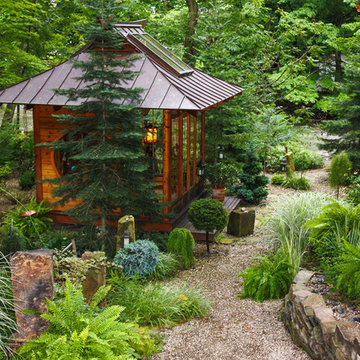
The location and placement of the Japanese Tea House is very specific and was based on mathematical, metaphysical and spiritual principles. This Tea House is an artistic version of an authentic style Tea House. It is meant to be a one of a kind art piece and yet has the functional capability of holding a traditional Tea ceremony.
Photo credits: Dan Drobnick
 Oregon Cottage Company
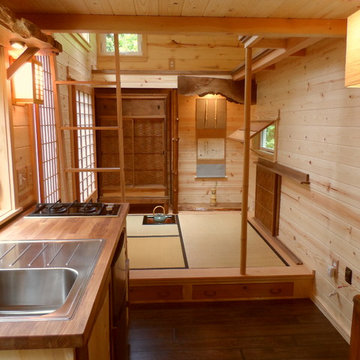
Inspiration for a small asian u-shaped dark wood floor and brown floor open concept kitchen remodel in Portland with a drop-in sink, wood countertops, flat-panel cabinets, medium tone wood cabinets, stainless steel appliances and no island
 Miriam's River House Designs, LLC
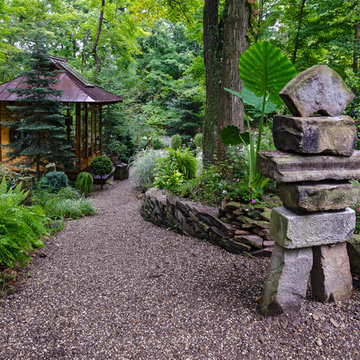
Photo shows Japanese Tea House west side. The gravel path contains a Japanese dry river bed and an Inukshuk sculpture, metaphysically designed. The surrounding garden is the inner Roji garden and contains a Roji stepping stone path designed with a metaphysical pattern. pattern.
Photo credits:Dan Drobnick
 FineLine Kitchens, Inc.
Our designer has achieved a stylish look by combining dark cabinets and light-colored marbles.
1