
Search results for "Creosote" in Home Design Ideas
 Blackburn Architects, PC
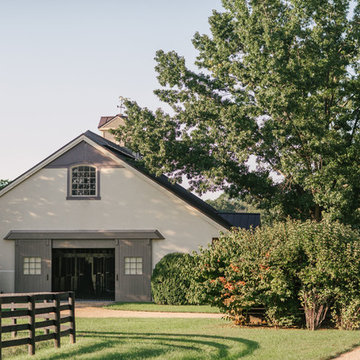
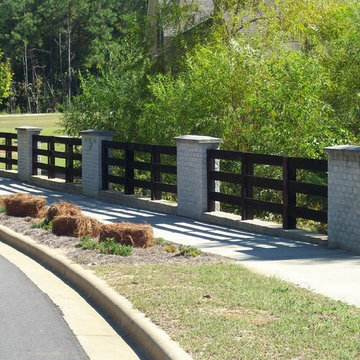
Rutledge Farm in Middleburg, VA reveals the work of an earlier version of Washington, DC’s Blackburn Architects, known in the 1980’s as Smith Blackburn Architects. Today’s pastoral view of fields, creosote fences, historic elms and elegant old barns carries the legacy of the renowned equestrian design practice and client Hermen Greenberg. The architect’s work on the estate has become more beautiful as it has acquired the rich patina of time.

 PureBuild Inc.
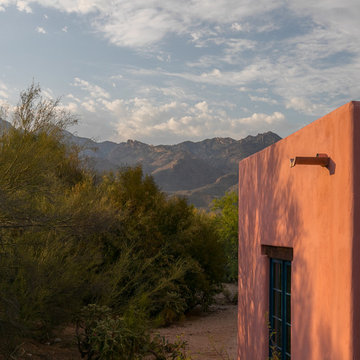
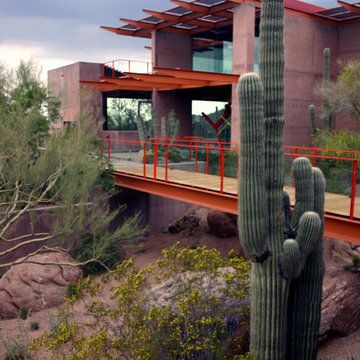
This adobe house in the foothills of the Catalina Mountains was constructed in the footprint of a house that previously existed on the site to retain the nature desert vegetation of cholla, creosote and palo verde trees. The stucco color was selected to match the rosy hue of the mountains at sunset, similar to the historic Arizona Inn.
Find the right local pro for your project
 Blackburn Architects, PC
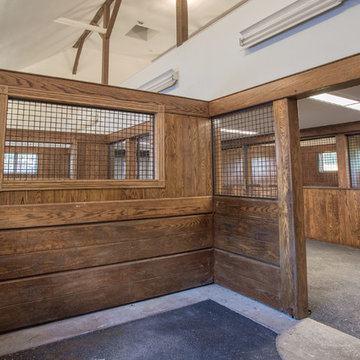
Rutledge Farm in Middleburg, VA reveals the work of an earlier version of Washington, DC’s Blackburn Architects, known in the 1980’s as Smith Blackburn Architects. Today’s pastoral view of fields, creosote fences, historic elms and elegant old barns carries the legacy of the renowned equestrian design practice and client Hermen Greenberg. The architect’s work on the estate has become more beautiful as it has acquired the rich patina of time.


 Hearth and Home of Marin
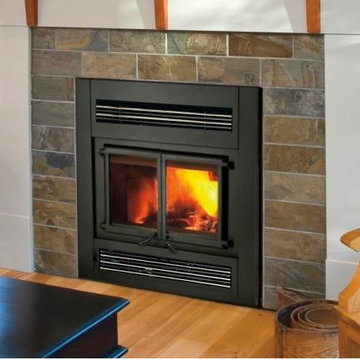
For a wood-fired hearth that’s at home anywhere, look no further than Kozy Heat’s Z 42 EPA Certified Fireplace. Kozy Heat’s Z 42 Non-Catalytic fireplace decreases
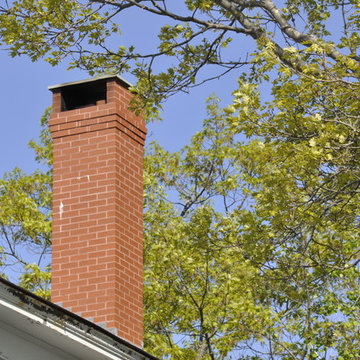
flammable creosote within the chimney by 90%, and burns up to 33% less fuel. The end result is a clean burn, more warmth with less wood. So relax, kick back and enjoy the flames, knowing you’ve done your part, not just for the environment, but for your fuel budget.
 Flores Artscape, Inc.
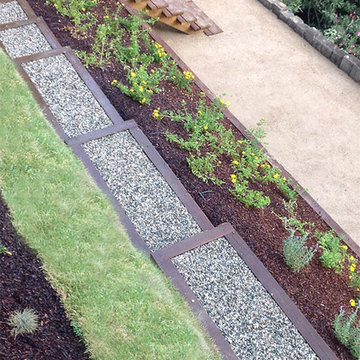
A unique wood with gravel stepped-walkway that goes through a hillside landscape design that includes drought-tolerant beds & sod that leads to rustic wood steps and a decomposed granite patio bordered with railroad ties on end at various heights and a wood retaining wall on the hill side..


 Hearth and Home of Marin
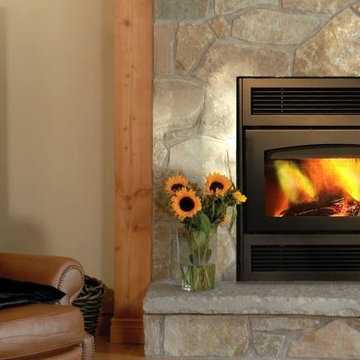
For a wood-fired hearth that’s at home anywhere, look no further than Kozy Heat’s Z 42 EPA Certified Fireplace. Kozy Heat’s Z 42 Non-Catalytic fireplace decreases
flammable creosote within the chimney by 90%, and burns up to 33% less fuel. The end result is a clean burn, more warmth with less wood. So relax, kick back and enjoy the flames, knowing you’ve done your part, not just for the environment, but for your fuel budget.
 Clint Miller Architect
The Hill Home
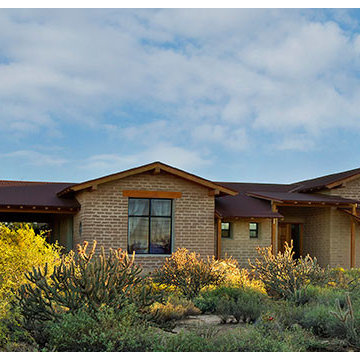
She appears to have existed for years, nestled amongst the desert sage, brittle brush, creosote and native mesquites. Constructed of mellowed adobe brick, tongue and groove, heavy beam wood and a richly rusted roof she projects a peaceful strength and quiet beauty. She appears to have grown from the land she sits upon effortlessly facing the extreme heat, flood rains and the beating sun, yet she offers a quiet refuge and safe haven for those who live within her.
Clint began working with us a dozen years ago or more to build our dream. Together we crafted a home that fit within the context of our casual neighborhood in the dirt surrounded by saguaro and horse properties. Not only does it capture the spirit of our neighborhood in Cave Creek, it reflects our simple lifestyle and our native roots in Arizona. The home with it’s low deep overhangs provides much needed shade from the unrelenting desert sun. Careful positioning maximize seasonal shade and sun to take advantage of shade in the summer and sunshine in the winter. The thick adobe walls provide natural year round insulation. Arizona ranch style homes and solid historical beauty much like the lodges and resort buildings of the Grand Canyon were our primary inspiration. The end result is a beautiful Arizona home with beauty and grit that will stand bravely and gracefully in the Sonoran Desert for generations to come.
Not a day goes by that my husband and I don’t reflect on our blessings and this lovely adobe gift we live in. I wake in the morning to her peaceful walls and grand views of Black Mountain and the surrounding desert and pinch myself. Surely I am dreaming!
 Peacock Builders
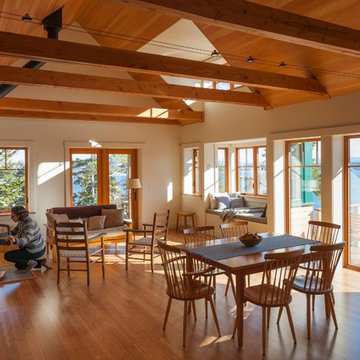
Designed by Kaplan Thompson Architects with photography by Brian Vanden Brink
Living room - rustic living room idea in Other
Living room - rustic living room idea in Other
 SUPERIOR CHIMNEY SERVICES CORPORATION
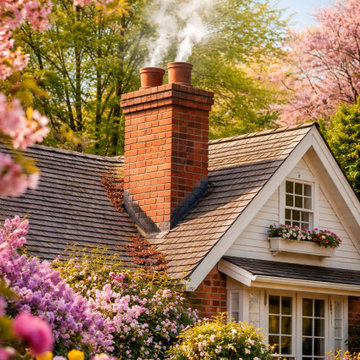
Let’s be honest. Chimney cleaning probably isn’t the first thing on your spring to-do list. But if you used your fireplace this past winter, scheduling a chimney sweep before warm weather arrives is one of the best home maintenance decisions you can make. Here’s why Spring is the best time to schedule your chimney cleaning.
Your Chimney Just Worked Hard All Winter
It’s tired, simply burnt out! Every time you burned wood this season, creosote, also known as soot, was clinging to the inner walls of your chimney. It’s a natural byproduct of burning wood, but it’s also highly flammable and the leading cause of chimney fires. The longer it sits, the more it builds up. A professional chimney sweep, such as Superior Chimney, takes a look at your chimney flue liner, damper, and firebox — clearing it all out before that creosote becomes a serious issue.
Spring is the Best Time to Take Care of the Chimney
Fall is when everyone panics. The temperature drops, and the fireplace suddenly seems appealing. By scheduling now, in spring, you get to clean your chimney now so your house doesn’t smell from the creosote left in your fireplace and chimney Superior Chimney includes a FREE 14-Point Certified Written Inspection with photo documentation sent straight to your email with every chimney sweep we do. That’s the kind of full-service you want, and you’re more likely to get it when things aren’t hectic.
Catch Problems Before They Get Expensive
Here’s something homeowners don’t regularly remember: a chimney sweep isn’t just about cleaning. It’s about integrity. When a CSIA Certified Chimney Sweep technician pushes rods and brushes through your chimney system, if pieces of fire clay tile, tile joints, or brick start falling, that tells you exactly where a structural issue exists. That’s critical information for fireworthy, continued use of your fireplace.
Avoid Any Obstructions
Obstruction-free chimney systems is another key reason for a spring chimney sweep. Birds, squirrels, and raccoons love a quiet chimney during the warmer (and definitely the cold) months. Nesting, debris, and feces can create blockages, and a simple cleaning alone won’t remove most of them. Knowing what’s going on inside your chimney before critters move in is a whole lot easier than dealing with it in October.
It’s the National Safety Standard — Not Just a Suggestion
The NFPA 211, CSIA, NCSG, and IRC all recommend annual chimney inspections and cleanings for both wood burning and gas fireplaces. It’s not optional; it’s a safety standard. As the CSIA puts it simply: clean chimneys don’t catch fire. Well put CSIA.
Did You Know?
All of Superior Chimney’s technicians are certified by the CSIA, so you know you’re getting expertise you can trust. Then we take the extra step of taking pictures so you can ‘see’ exactly what’s going on with the chimney. Everything looks good from the ground. We’ll email the pictures to you so you can keep your own records of what we all saw during the last visit. Now you know why spring is the best time to schedule your chimney cleaning.
Contact us or give us a call today at 877-244-6349 to get started.
 Rockledge Design + Architecture
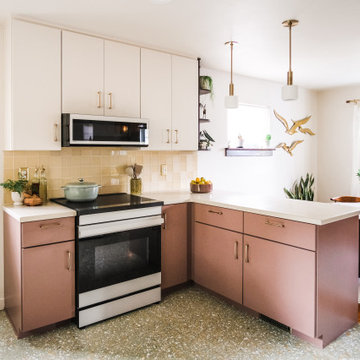
If “desert retro” could be translated as a design style, this MCM-inspired kitchen would be it. Our goal for these clients — a young couple who recently relocated to the Pittsburgh-area from Phoenix, AZ — was to bring a touch of the sunny Sonoran into their new home. This subdued, sun-bleached palette feels both vibrant and earthy. A dramatic, shifting landscape that comes alive with the day’s changing light.
Large format terrazzo tiles ground the space with muted, dusty green, ochre and amber. A nod to the tough skins of cacti, agave, and creosote bushes. A mixed finish glass tile backsplash adds pale yellow accents found in parched sand dunes. Three different cabinet finishes form our rocky canyons. Deep brown and clay purple hues like ancient cliff faces stained by manganese and iron oxide. Washed out skies reflecting warm white light. Golden brass details throughout gleam like the desert sun.
By removing a wall in between the kitchen and dining room, we were able to add a working peninsula and pull the range out of the corner. This change opened up the space, solving layout and storage puzzles for our clients — without making the kitchen feel cold or contemporary. Smooth, slab-style cabinet faces paired with streamlined appliances and fixtures keep things low maintenance.
 SUPERIOR CHIMNEY SERVICES CORPORATION
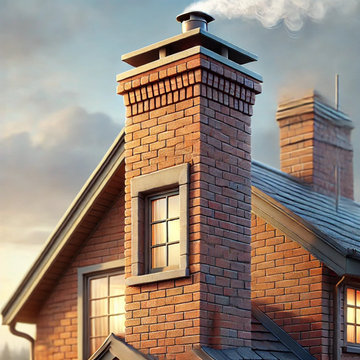
As you may know, Superior Chimney writes a lot of articles to educate the Chicagoland area on chimneys and how to identify problems. Every once in a while, it is good to go back and review the basics. That’s what we’re going to do. We’re going to discuss what are the components of a chimney. Let’s get started.
What are the Components of a Fireplace?
We’re going to get started on the actual chimney itself. Most chimneys are built of brick and some are constructed of a wood framed chase with siding on it to match the rest of the home. The traditional masonry fireplace chimneys include (from the inside out) a firebox, where the firewood burns and gas starter are located. Going up is the throat, smoke chamber and then chimney flue. These are the components of a masonry chimney where the exhaust/air travels through - From the firebox and out through the top of the chimney. You can most often ‘see’ your chimney from the ground, you will notice the bricks and on top of that will be the chimney crown (cement slab) which keeps the elements away from the brick chimney. On top of the chimney crown is the chimney cap. This is what keeps animals & debris from entering the chimney flue… raccoons, squirrels, birds, bats, etc… down the flue, and into the firebox.
Now that we know what components that a chimney has, let’s focus on a couple of key areas.
Fireplace Dampers
All chimneys are fitted with a fireplace damper. A fireplace damper is a metal plate that opens and closes, allowing smoke from the fireplace to move up and out of the home. If you have a fire and the fireplace damper is closed, or restrictive, the smoke will back up into your home. The smoke needs a place to go. When the fireplace is not in use, the damper should remain closed in order to keep the cold air out of your home and warm air from escaping your home. Just because you have a fireplace does not mean that you have to deal with cold drafts in the room the fireplace is in.
Chimney Flues
As we all know, heat rises. The heat from the fireplace is going to rise taking with it the smoke, and other gases. This process is known as drafting. It is important to have good drafting as it prevents the smoke or gases from staying in your home and harming your family.
Chimney Flue Liners
Flue liners are important to the chimney; they are your firewall. It works to prevent overheating of any combustibles next to the chimney. And, it helps so the chimney construction doesn’t corrode from the byproducts of burning wood, or creosote. There are a few types of flue liners, such as fire clay tiles, heat resistant concrete, and stainless steel. Superior Chimney recommends the use of stainless steel in our geographic freeze and thaw climate. Our technicians can give you the details when we are at your home.
What is the Purpose of Taking Care of the Chimney?
Chimney Fires. This is where regular sweep & inspection is crucial to the health of your home. Without a chimney sweep or chimney cleaning each year, (whether you use the chimney or not, gas or wood burning) the chimney can cause a fire to transfer to your home. Only Nationally credentialed service technician professionals know and can inspect the key components of a fireplace for known condition and continued use. Be sure to contact us today!
 Rockledge Design + Architecture
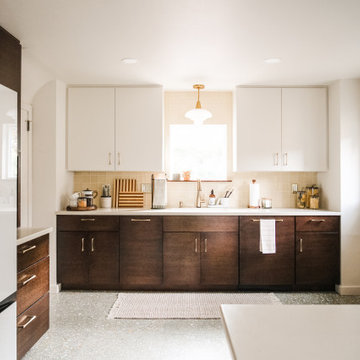
If “desert retro” could be translated as a design style, this MCM-inspired kitchen would be it. Our goal for these clients — a young couple who recently relocated to the Pittsburgh-area from Phoenix, AZ — was to bring a touch of the sunny Sonoran into their new home. This subdued, sun-bleached palette feels both vibrant and earthy. A dramatic, shifting landscape that comes alive with the day’s changing light.
Large format terrazzo tiles ground the space with muted, dusty green, ochre and amber. A nod to the tough skins of cacti, agave, and creosote bushes. A mixed finish glass tile backsplash adds pale yellow accents found in parched sand dunes. Three different cabinet finishes form our rocky canyons. Deep brown and clay purple hues like ancient cliff faces stained by manganese and iron oxide. Washed out skies reflecting warm white light. Golden brass details throughout gleam like the desert sun.
By removing a wall in between the kitchen and dining room, we were able to add a working peninsula and pull the range out of the corner. This change opened up the space, solving layout and storage puzzles for our clients — without making the kitchen feel cold or contemporary. Smooth, slab-style cabinet faces paired with streamlined appliances and fixtures keep things low maintenance.
 Rockledge Design + Architecture
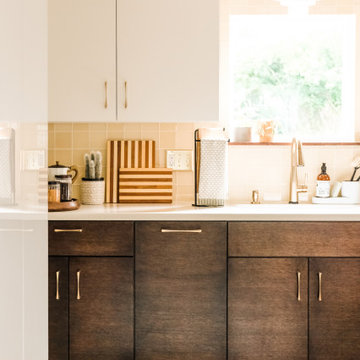
If “desert retro” could be translated as a design style, this MCM-inspired kitchen would be it. Our goal for these clients — a young couple who recently relocated to the Pittsburgh-area from Phoenix, AZ — was to bring a touch of the sunny Sonoran into their new home. This subdued, sun-bleached palette feels both vibrant and earthy. A dramatic, shifting landscape that comes alive with the day’s changing light.
Large format terrazzo tiles ground the space with muted, dusty green, ochre and amber. A nod to the tough skins of cacti, agave, and creosote bushes. A mixed finish glass tile backsplash adds pale yellow accents found in parched sand dunes. Three different cabinet finishes form our rocky canyons. Deep brown and clay purple hues like ancient cliff faces stained by manganese and iron oxide. Washed out skies reflecting warm white light. Golden brass details throughout gleam like the desert sun.
By removing a wall in between the kitchen and dining room, we were able to add a working peninsula and pull the range out of the corner. This change opened up the space, solving layout and storage puzzles for our clients — without making the kitchen feel cold or contemporary. Smooth, slab-style cabinet faces paired with streamlined appliances and fixtures keep things low maintenance.
 Rockledge Design + Architecture
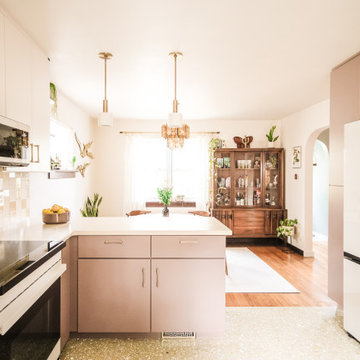
If “desert retro” could be translated as a design style, this MCM-inspired kitchen would be it. Our goal for these clients — a young couple who recently relocated to the Pittsburgh-area from Phoenix, AZ — was to bring a touch of the sunny Sonoran into their new home. This subdued, sun-bleached palette feels both vibrant and earthy. A dramatic, shifting landscape that comes alive with the day’s changing light.
Large format terrazzo tiles ground the space with muted, dusty green, ochre and amber. A nod to the tough skins of cacti, agave, and creosote bushes. A mixed finish glass tile backsplash adds pale yellow accents found in parched sand dunes. Three different cabinet finishes form our rocky canyons. Deep brown and clay purple hues like ancient cliff faces stained by manganese and iron oxide. Washed out skies reflecting warm white light. Golden brass details throughout gleam like the desert sun.
By removing a wall in between the kitchen and dining room, we were able to add a working peninsula and pull the range out of the corner. This change opened up the space, solving layout and storage puzzles for our clients — without making the kitchen feel cold or contemporary. Smooth, slab-style cabinet faces paired with streamlined appliances and fixtures keep things low maintenance.
2