
Search results for "Disease" in Home Design Ideas

 Proven Winners
Oso Easy Honey Bun rose blooms continuously from mid summer to frost. 2-3' (0.6-0.9m) tall and wide. Full Sun. USDA Zones 4-9.
Inspiration for a farmhouse landscaping in Grand Rapids.
Inspiration for a farmhouse landscaping in Grand Rapids.
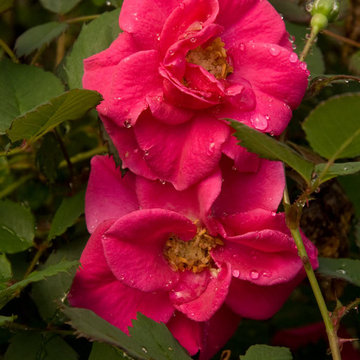
 Southern Living Plant Collection
The disease-resistant All A Flutter™ Shrub Rose produces bright fuschia pink, semi-double blooms and reblooms spring until fall.
FEATURES
Bloom/Feature Fuschia-pink semi-double blooms
Plant Type Shrubs
Evergreen or Deciduous Evergreen
USDA Zones 5,6,7,8,9,10,11
Zone Detail Hardy to -20 F
Key Features Disease/pest resistance, fall blooming
Use Accent, hedge, container, mass planting
Exposure Full sun
Bloom Season Sspring, summer
Dimension 3' H x 3' W
Growth Rate Moderate to fast
CARE
Water Water as needed
Soil Type Well drained garden soil
Fertilizer Do not fertilize until after the first bloom cycle. Apply after the first wave of flowering. Do not fertilize late in the summer
Pruning Deadhead during growing season; prune in early spring when shoots begin to emerge
PLANTING INSTRUCTIONS
water before planting
plant in full sun
dig hole 3X the width of pot,
backfill and plant 1”-2” above soil level
water and add more soil if needed
mulch plants
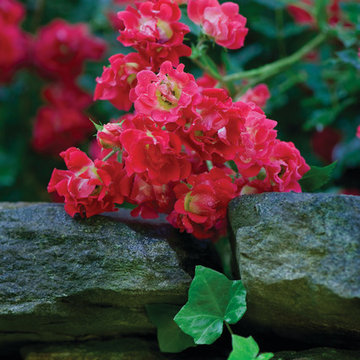
 Star® Roses and Plants
Red Drift® Rose has the most petite flowers of all of the Drift® Roses. It is perfect for use in front of border plantings and makes a beautiful statement when it drapes naturally over a rock wall or edge. Great flower power and disease resistance.
Find the right local pro for your project
 Proven Winners
Oso Easy Fragrant Spreader's soft pink, single flowers are abundant and highly fragrant. Full Sun. 1-2' (0.3-0.6 m) tall. USDA Zones 3-9.
Photo of a rustic landscaping in Grand Rapids.
Photo of a rustic landscaping in Grand Rapids.

 Pete Veilleux, East Bay Wilds
Parry Manzanita / Arctostaphylos manzanita
Photo by Pete Veilleux, East Bay Wilds
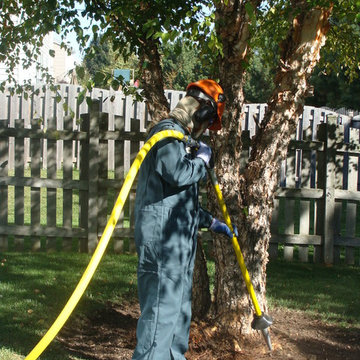
 Turf Care Enterprises, Inc.
We use a variety of tools and techniques to care for your trees. Here, a technician uses an air spade to excavate the soil.
 User
UserThis is an organic Lime Wash done with a true lime wash product as opposed to a brick mortar or concrete that is often seen on new houses. This product can be applied as a solid coating making the surface completely white, or can be applied and "washed off" in many artistic ways, as seen here. If you hate your brick or just want something unique this is a great option!
Photo credit: Jeff Murrey
 Proven Winners
The thornless stems of Oso Happy Smoothie make it a great choice for gardens with small children and pets. 3' (0.9 m) tall and wide. Full sun. USDA Zones 4-9.
 Proven Winners
Vivid pink blooms emerge each day on this continuously blooming landscape rose. 3.5-4' (1-1.3 m) tall and wide. Full sun. USDA Zones 4-9.
Inspiration for a farmhouse landscaping in Grand Rapids.
Inspiration for a farmhouse landscaping in Grand Rapids.

 Mr. Mister Mosquito Control
Automated Mosquito Misting System
Photo of a traditional landscaping in Atlanta.
Photo of a traditional landscaping in Atlanta.
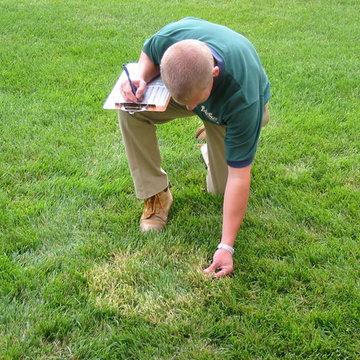 Turf Care Enterprises, Inc.
Our experienced technicians inspect your lawn for issues to determine the best solution for making your yard green and healthy.
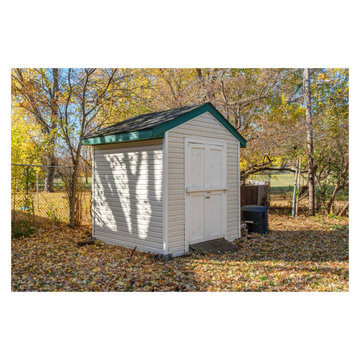
 kmjee
kmjeePepper plants are a delightful addition to any garden, offering a vibrant burst of color and spice to your culinary creations. However, even experienced gardeners can encounter challenges when growing pepper plants. In this blog, we'll explore some common issues you might face and provide practical solutions to help your pepper plants thrive.
1. Slow or Stunted Growth
Issue: Slow or stunted growth in pepper plants can be discouraging, but there are specific steps you can take to address this issue effectively.
Solution:
a. Soil Health:
- Well-Draining Soil: Ensure your pepper plants are in well-draining soil to prevent waterlogged roots, which can inhibit growth.
- Organic Matter: Incorporate plenty of organic matter, such as compost or well-rotted manure, into the soil to improve its texture and nutrient content.
- pH Level: Test the soil pH and adjust it to the ideal range between 6.0 and 6.8 using lime or sulfur as needed.
b. Fertilization:
- Balanced Fertilizer: Use a balanced, slow-release fertilizer designed for vegetables to provide essential nutrients steadily throughout the growing season.
- Compost: Amend the soil with compost to enhance nutrient availability and soil structure. This can promote healthier growth.
c. Watering:
- Consistent Moisture: Maintain consistent soil moisture levels by watering your pepper plants regularly but avoid waterlogging. Aim for 1-2 inches of water per week, adjusting based on your local climate and weather conditions.
- Mulching: Apply mulch around the base of the plants to retain soil moisture and regulate temperature.
2. Yellowing Leaves
Issue: Yellowing leaves can be a sign of various underlying problems, but addressing them promptly can restore the vibrancy of your pepper plants.
Solution:
a. Nutrient Deficiencies:
- Balanced Fertilization: Use a well-balanced fertilizer that includes micronutrients to address nutrient deficiencies.
- Specific Nutrients: If you suspect a particular deficiency, such as magnesium, iron, or nitrogen, apply the appropriate nutrient supplement following package instructions.
b. Pest and Disease Control:
- Pest Inspection: Regularly inspect the leaves and stems for common pests like aphids and mites. Remove affected leaves and treat with organic pesticides if necessary.
- Disease Management: Look out for signs of diseases like bacterial leaf spot or fungal issues. Apply organic fungicides or bactericides as recommended.
3. Blossom Drop
Issue: When pepper plants drop their blossoms prematurely, it can hinder fruit development and lead to disappointment.
Solution:
a. Temperature Control:
- Stable Temperatures: Ensure your pepper plants are exposed to consistent temperatures between 70°F and 80°F (21°C to 27°C) during flowering. Avoid sudden temperature fluctuations by providing shelter or using row covers.
b. Pollination:
- Assist with Pollination: If growing peppers indoors or in a greenhouse, help with pollination by gently shaking the plants or using a small brush to transfer pollen between flowers. Outdoor pepper plants are usually pollinated by insects.
4. Wilting Plants
Issue: Wilting or drooping pepper plants can be a sign of various problems, but proper care can revive them.
Solution:
a. Watering:
- Consistent Moisture: Adjust your watering routine to keep the soil consistently moist but not waterlogged. Water early in the day to prevent fungal issues.
- Drainage: Ensure proper soil drainage by amending the soil or using raised beds to prevent waterlogged roots.
b. Pest Control:
- Pest Inspection: Examine the undersides of leaves for signs of pests like aphids, spider mites, or whiteflies. Treat infestations promptly with biological insecticides.
5. Curling Leaves
Issue: Curling or misshapen leaves indicate stress in pepper plants, which can be caused by various factors.
Solution:
a. Environmental Stress:
- Stable Conditions: Ensure your pepper plants are in an environment with stable humidity, temperature, and adequate air circulation. Avoid sudden changes in conditions.
- Proper Ventilation: Adequate air circulation can reduce humidity and prevent fungal issues.
b. Pest and Disease Management:
- Pest Inspection: Regularly inspect your plants for pests and diseases, addressing them promptly with organic remedies as needed.
6. Sunscald
Issue: Sunscald can lead to discolored, leathery patches on pepper fruits when exposed to intense sunlight.
Solution:
a. Shade Cloth:
- Sun Protection: Shield your pepper plants from harsh sunlight during the hottest part of the day using shade cloth or by planting them where they receive some filtered sunlight.
b. Pruning:
- Fruit Shading: Prune excess foliage to allow better fruit shading, reducing the risk of sunscald. Ensure that there's a balance between foliage and fruit.
7. Pepper Plant Pests and Diseases
Issue: Aphids, mites, whiteflies, and various diseases can affect pepper plants, but you can manage them effectively.
Solution:
a. Regular Inspection:
- Vigilant Monitoring: Regularly inspect your pepper plants for signs of pests or diseases, paying close attention to the undersides of leaves and stems.
b. Organic Remedies:
- Pest Control: Use organic remedies like neem oil, insecticidal soap, or diatomaceous earth for pest control.
- Disease Management: Apply organic fungicides or bactericides as recommended to manage diseases like powdery mildew or bacterial spot.
While growing pepper plants can present various challenges, these common issues are manageable with the right knowledge and care. Regular monitoring, proper soil preparation, and timely intervention can help you enjoy a bountiful harvest of vibrant, spicy peppers. Remember that gardening is a learning experience, and each challenge you face is an opportunity to improve your skills and enjoy the rewards of homegrown peppers in your favorite dishes.

 Heffernan Landscape Design
Removed old, tired landscape, and a large, diseased tree was taken down in front, which opened up view to house. We put in a very linear planting to emphasize the low-slung lines of the house. Redo of the landing and sidewalk to a generous size, in Smoky Mountain cleft stone, with a little accent wall to anchor the coach light.
Also, repaved the atrium inside, with a bright Arctic Sandblast stone, to bring light to the dark interior.
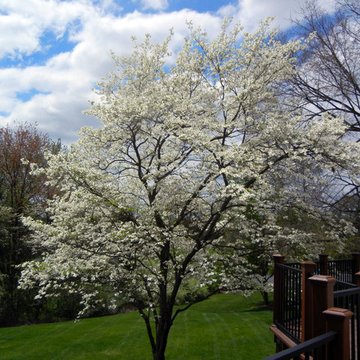 User
UserThis magnificent white Dogwood is a beauty. While many of the Dogwoods have died out with disease, this one seems to be happy. A bed of Pachysandra keep the moisture in by the trunk and protect the lower bark from lawn mowers,. In addition, a yearly check up by the local tree service keep this focal point in the back yard healthy!Photo by Lauran Corson
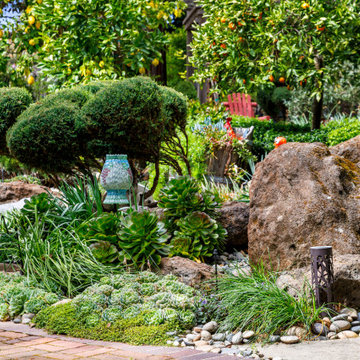
 San Jose Tree Service & Landscaping
Plant-specific irrigation management, ensuring water efficiency and consistent moisture for optimal plant health.
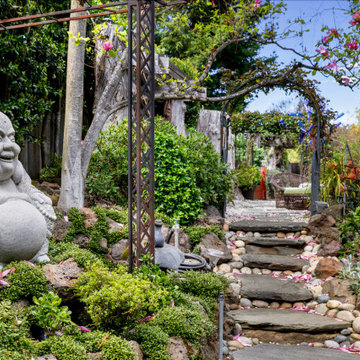 San Jose Tree Service & Landscaping
Soil care with seasonal amendments to support root health and long-term vitality.

 Savvy Giving by Design
Baylen is 9 years old and was diagnosed at age 6 with Duchenne Muscular Dystrophy (DMD) in October 2020, in the middle of the pandemic. DMD is a rare disease caused by a genetic mutation that prevents the body from producing a protein called Dystrophin, to which there is currently no cure. In lieu of Dystrophin, his muscles are slowly being encompassed with scar tissue. Without Dystrophin the scar tissue will eventually take over his muscles until they cannot perform adequately for his body.
 Proven Winners
Oso Easy Strawberry Crush rose's low-mounding habit makes it easy to use in containers. 1-2' (0.3-0.6 m) tall and wide. Full sun. USDA Zone 4-9
Design ideas for a farmhouse landscaping in Grand Rapids.
Design ideas for a farmhouse landscaping in Grand Rapids.
 Proven Winners
The coral-pink flowers of Oso Easy Pink Cupcake pop against the glossy foliage. 2-4' (0.6-1.2 m) tall and wide. Full sun. USDA Zones 5-9.
Photo of a farmhouse landscaping in Grand Rapids.
Photo of a farmhouse landscaping in Grand Rapids.
7