
Search results for "Disease" in Home Design Ideas
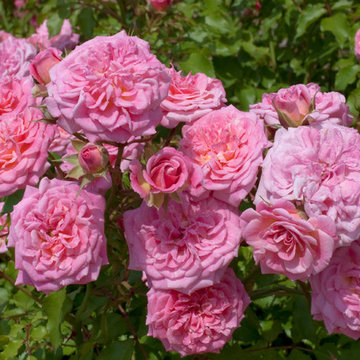
 Star® Roses and Plants
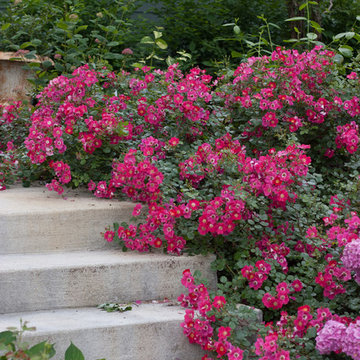
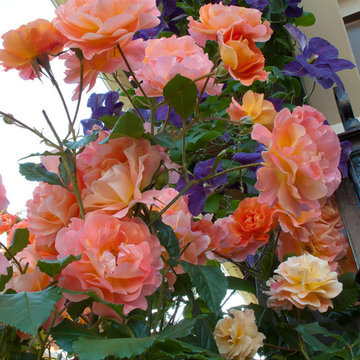
Clusters of clear pink double flowers sit atop dark green glossy foliage. Abundant, continuous flowering and exceptional disease resistance makes this a perfect choice for use along pathways, hillsides or at the front of a border.
 User
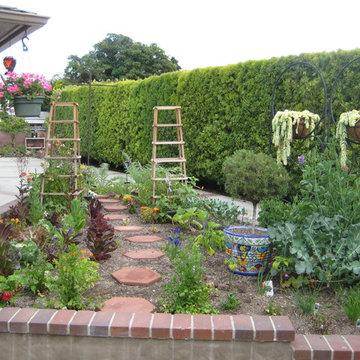
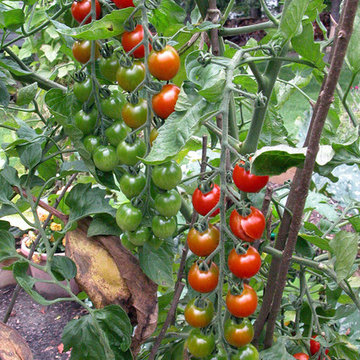
UserTrellises are good for tomatoes to grow up. always rotate your tomatoes so you dont get disease.
Inspiration for a mid-sized full sun backyard vegetable garden landscape in Orange County.
Inspiration for a mid-sized full sun backyard vegetable garden landscape in Orange County.

Find the right local pro for your project
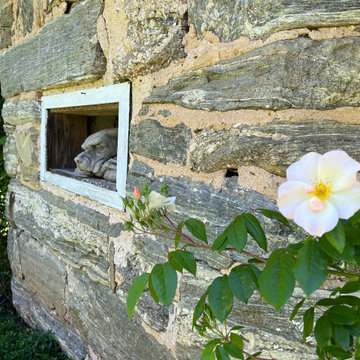

 ELM Garden Design
Cherry tomatoes ripe for the picking. photo: Eustacia Marsales
Inspiration for a farmhouse landscaping in New York.
Inspiration for a farmhouse landscaping in New York.
 Proven Winners
Proven Winners® ColorChoice®
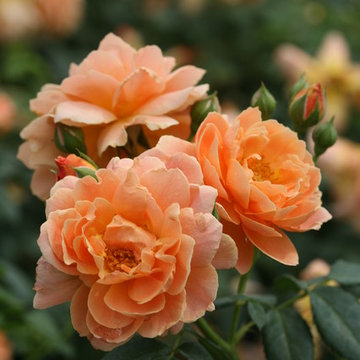
The At Last® rose combines all the romance of a beautifully fragrant, fully-petaled tea rose with the no-nonsense practicality of a healthy landscape rose. You’ll enjoy a nonstop display of large sweetly perfumed sunset-orange blossoms from late-spring through frost. This new, easy-care variety boasts handsome glossy foliage and a vigorous rounded habit which makes it ideal for use in landscapes or flower gardens.
 Proven Winners
An abundance of bright, candy apple red flowers bloom continuously on this disease resistant rose. Full Sun. 2-4' (0.6-1.2m) tall and wide. USDA Zones 4-9.

 Green Step Flooring, Inc.
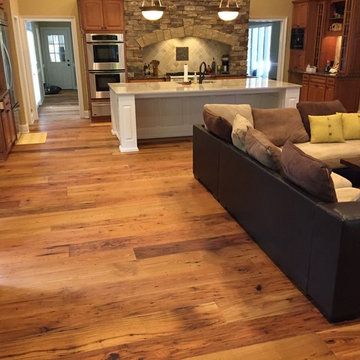
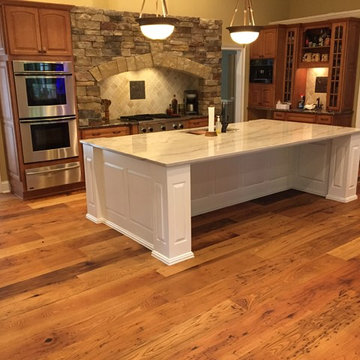
A true piece of American history. 100+ year old lumber reclaimed from old barns in West Virginia.
In the early 1900's, a fungus emerged and rapidly spread through America's Chestnut tree forests. By 1935, a good portion of the mature Chestnut trees were destroyed by the fungus. During this time the wood was considered inferior because of bore holes caused by an insect that invaded the diseased trees. To eliminate the spread of any futher tree disease, the trees were quickly milled into lumber for barns, fences, structure flooring, and siding.
 Proven Winners
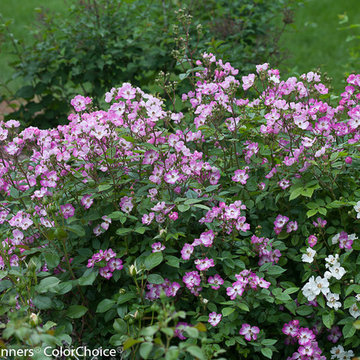
A very easy to grow landscape rose, Oso Happy Smoothie doesn't have thorns so it's perfect for planting near walks and driveways.
Photo of a craftsman landscaping in Chicago.
Photo of a craftsman landscaping in Chicago.
 Green Step Flooring, Inc.
A true piece of American history. 100+ year old lumber reclaimed from old barns in West Virginia.
In the early 1900's, a fungus emerged and rapidly spread through America's Chestnut tree forests. By 1935, a good portion of the mature Chestnut trees were destroyed by the fungus. During this time the wood was considered inferior because of bore holes caused by an insect that invaded the diseased trees. To eliminate the spread of any futher tree disease, the trees were quickly milled into lumber for barns, fences, structure flooring, and siding.
 McBrayer Landscapes
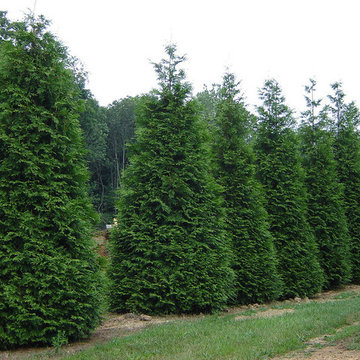
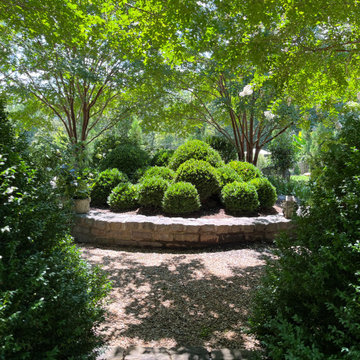
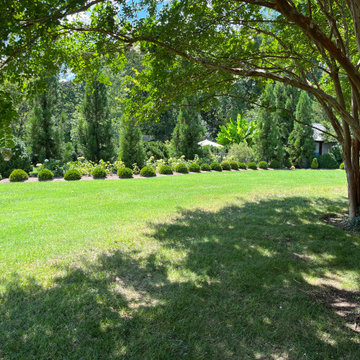
25-30' tall. 8-10' wide. Full Sun. One of the finest evergreens for screening or windbreak, this upright conifer is versatile, strong-rooted and virtually disease-free. Its uniform shape seldom needs pruning, but responds well to shearing. Thrives in southern heat and humidity. Durable, handsome accent tree.
 Twistleaf
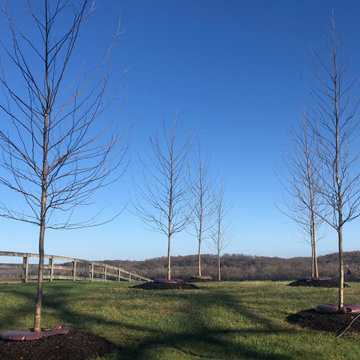
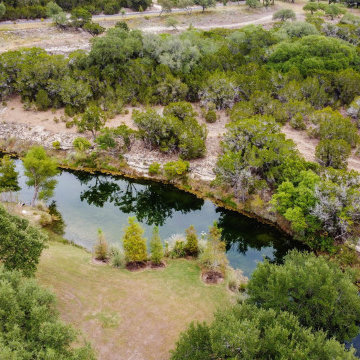
Fifty-five shade and ornamental trees were planted throughout the property to diversify the woodland canopy and offset the risk of oak wilt disease. Mature bald cypress trees were planted along Lone Man Creek in phase one of a riparian restoration plan.
 Margot Hartford Photography
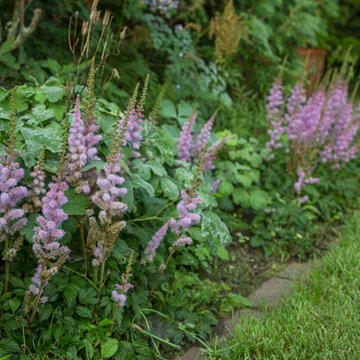
Photo: Margot Hartford © 2016 Houzz
Photo of a traditional landscaping in Toronto.
Photo of a traditional landscaping in Toronto.

4