
Search results for "Frequently" in Home Design Ideas

 MARGARITA BRAVO
This master bathroom is an oasis of clean, bright design with an abundance of natural light. Our Miami clients wanted a contemporary space, and we gave them hyper modernism with custom materials imported from Italy. A glass walk-in shower with sleek fixtures is a subtle touch to balance the dramatic artwork. Our favorite feature in this master bath is the hand-made mosaic micro tile wall.
---
Project designed by Miami interior designer Margarita Bravo. She serves Miami as well as surrounding areas such as Coconut Grove, Key Biscayne, Miami Beach, North Miami Beach, and Hallandale Beach.
For more about MARGARITA BRAVO, click here: https://www.margaritabravo.com/
To learn more about this project, click here:
https://www.margaritabravo.com/portfolio/englewood-master-bath-renovation/

 Brick & Ember Outfitters
Inspiration for a mid-sized rustic enclosed dining room remodel in Indianapolis with red walls

 KHJ Designs LLC
We took a little girl's room and made it into a cool teenage space for he and her friends.
Bedroom - mid-sized contemporary carpeted bedroom idea in Salt Lake City with purple walls
Bedroom - mid-sized contemporary carpeted bedroom idea in Salt Lake City with purple walls
Find the right local pro for your project


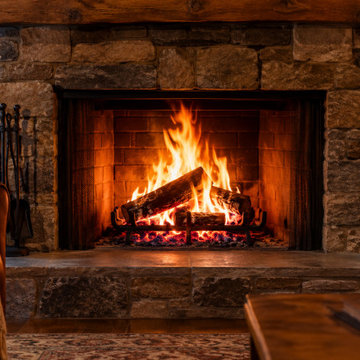
 SUPERIOR CHIMNEY SERVICES CORPORATION
To prepare your fireplace and chimney for winter, schedule a professional inspection and chimney cleaning. The temperatures are just about right to either fire up those logs or turn on the gas fireplace. Either way, you don’t want to miss out on a cozy night in front of the fireplace.
But why is it important to prepare your fireplace and chimney for winter? That’s what we going to talk about today, everything from the damper, to chimney cap to what to look out for and what to repair now. The team at Superior Chimney is ready to share practical tips for getting ready for the cold to start.
Why is it Important to Prepare the Fireplace for Winter?
Your fireplace works hard during the winter. Using your fireplace just on the weekends or everyday while you relax causes system stress behind the scenes regardless. While providing you warmth and comfort, the fire in the fireplace creates a byproduct called creosote, which is sticky and gives off a smokey smell. All winter long, this will be slowly building inside of the chimney walls. Now that’s what’s going on inside your home.
Outside, your chimney endures the elements every day with the snow, ice, freezing rain, and critters looking for a nice warm place to settle. All these things add up putting stress on the chimney structure.
Getting this done now will give you peace of mind and helps your system run efficiently. This way, heat stays in your living room where you want it.
Start with an Annual Chimney Inspection
The most important step to take now is to get a certified chimney inspection before you light your first fire. A certified technician can identify creosote buildup, cracked flue liners, damaged masonry and blockages that are hard to see from inside and outside the home.
The National Fire Protection Association standard for chimneys, fireplaces, and vents calls for chimneys to be inspected at least once a year and cleaned as needed for safe operation (NFPA 211).
The Chimney Safety Institute of America gives the same guidance, recommending that fireplaces, chimneys, and vents be inspected annually by a certified professional (CSIA).
Ventilation is a Breath of Fresh Air for Your Home
Proper ventilation allows your home to breathe. Your home relies on vents connected to the fireplace and natural gas appliances to carry harmful gases such as carbon monoxide safely outdoors.
During the winter, snow and ice can pile up around the vents. When that happens, pollutants have a harder time leaving the home.
Signs of a Blocked Chimney Vent
A blocked vent can cause symptoms such as headaches, nausea, fatigue, and dizziness. If symptoms go away once you or your family leave the house, that’s a sign of a blocked chimney vent, and it needs to be addressed right away. Be sure your carbon monoxide detectors are in working order and located on every level of your home.
Keep the Cold Air Out of Your Fireplace
Pay attention to the chimney effect, also called the stack effect, during winter. Warm air inside your home rises to meet the colder air outside. That cold air can rush down the chimney and into your home.
This pressure imbalance can also pull smoke back into the room when you light a fire. Keeping the damper closed whenever the fireplace is not working, is one of the best ways to stop cold drafts from entering your home.
Have You Tried to Preheat the Chimney Flue?
What? What is that? When you are ready to light the fireplace, warming the flue can help smoke travel up the chimney flue and out of your home. Light your gas starter without wood in there for a few minutes or a small bundle of kindling if you don’t have the convenience of a gas log starter. This will warm the air and cold chimney walls within the chimney flue so when the fire starts, it will go up and out of your home (Priming the system). Never roll up a sheet of newspaper, or any paper, and hold it up toward the open damper!
The New Critter Home?
For many animals, a chimney looks like a warm and safe place from the cold and freezing temperatures. Squirrels, raccoons, birds, bats, possum and other small creatures may try to nest inside.
How do you know if a critter made its way in? If you hear scratching, chirping, or the sounds of moving around in the chimney, or a foul smell call a certified chimney professional to inspect the chimney flue. A technician can safely remove the animals and check for any nesting material or structural damage it left behind.
Sometimes an animal can die inside the chimney. Typical first signs can be a strong odor, trouble venting smoke, seeing flesh flies or maggots. Any situation, you will want to call Superior Chimney at 877-244-6349 for help.
You may want to consider a tightly fitted stainless steel chimney cap with mesh sides is the best long term solution. It keeps wildlife out while still allowing smoke and gases to escape freely.
What are Common Chimney Repairs
Your chimney stands tall and is exposed to the weather all year long. In winter, snow builds up on the chimney crown and rain always finds its way into small crack in the chimney masonry. Anytime you have spalling or cracked bricks with or without missing or deteriorating mortar, you have a problem brewing with the chimney structure. When water from rain or snow freezes, it expands and widens the cracks. This process is known as the freeze and thaw cycle.
Water that enters the chimney can mix with creosote. That’s what creates a musty, smoky smell. A persistent odor from your fireplace is often an early sign that moisture is getting inside, so prompt repairs help protect your home.
Don’t Forget the Chimney Flashing
Metal step flashing seals the joint where your chimney meets the roof. Over time, it can loosen, rust, or pull away from the chimney.
Have a certified chimney professional inspect the flashing each year to confirm it remains watertight. Adding a waterproofing sealant to the masonry and a crown repair when needed gives your chimney lasting protection through the wettest months.
The Chimney from Bottom to Top
Each year when your chimney inspection is performed, the certified chimney technician will automatically check the firebox all the way up to the damper and out to the exterior chimney itself. The chimney technician will be looking for cracked or missing firebricks, gaps in the mortar joints, and loose pieces within the chimney walls especially if you do not have a chimney liner.
The chimney technician is searching for hairline cracks, damaged bricks, ineffective damper, damaged or missing chimney cap to name a few on the 14-point inspection. Because it is difficult for a homeowner to inspect on top of the roof or inside of the chimney as well as know exactly what to look for, it is best to have a trained, certified technician to do it for you. The technician will show you and the office staff will email you pictures so you have an understanding of what the technician has found.
Keep Fire Safety Essentials Nearby
A few simple tools make a fire experience safer for family, pets and guests.
Keep a sturdy metal fireplace screen in front of the opening to catch sparks and embers.
Place a fire extinguisher rated for household use in a safe, dry space. If you can have it near the fireplace, even better. Be sure to talk to family members or anyone else living in your home so they know where it is.
Test smoke alarms and carbon monoxide detectors monthly throughout the heating season.
Keep rugs, furniture, holiday decorations including Santa stockings at least three feet from the fireplace. This space gives you plenty of room to ensure the fire stays in the fireplace.
When it is time to clean out the ashes, wait until they have cooled down… at least until the next morning. Shovel them into a metal container with a tight lid and keep it outside away from your home.
Preparing a Gas Fireplace for Winter
Gas fireplaces need attention before starting it up too. Have a certified chimney technician check the burner, pilot assembly, gas connections, and venting system before you turn it on for the season. The chimney technician will continue to conduct a thorough cleaning and inspection from bottom to top according to the 14-point inspection.
As a homeowner, clean the protective glass front that’s attached or separate from the fireplace only once the unit is cool. Look for any soot buildup, which can be an indication that a burner or vent is experiencing a problem.
Frequently Asked Questions
How often should a chimney be inspected?
CSIA (the Chimney Safety Institute of America), NCSG (the National Chimney Sweep Guild), NFPA (the National Fire Protection Association) and IRC (International Residential Code) all specify a chimney inspection at least once a year. Cleaning is then scheduled based on how much buildup the technician finds.
Why does my fireplace smell bad in winter?
A strong odor can point to creosote mixed with moisture, a downdraft caused by the stack effect, or an animal in the chimney flue. A certified inspection can pinpoint the cause quickly.
Should I close the damper when the fireplace is off or cooled?
Yes, once the fire is completely out and the ashes are cool. A closed damper keeps warm air inside and cold air outside.
What is the best time of year to have my chimney cleaning?
Right now! Scheduling before the first cold snap gives you more appointment options and time for any repairs.
Do I need a chimney cap?
A chimney cap is critical to the function of your chimney. It keeps out rain, snow, debris and animals while allowing smoke to go up and out of your home properly. Every chimney needs a chimney cap for the same reasons every home needs a roof!
Get Your Fireplace Winter-Ready With Superior Chimney
A well maintained fireplace is one of the coziest parts of winter. With a yearly inspection, clear vents, a sturdy chimney cap, and sound masonry, you can enjoy every fire without unnecessary worry. Now that you know how to prepare your fireplace and chimney for winter, contact Superior Chimney today to schedule your inspection and sweeping, and enjoy a warm and comfortable season by the fire.

 safe ZOnea
Every year, the same thing happens. The first real snowfall arrives, demand for de-icing materials spikes overnight, and the businesses that waited too long find themselves scrambling for supply at the worst possible moment. Facility managers, property owners, contractors, and municipalities all depend on a steady supply of salt and ice melt to keep their properties safe and operational through winter. The ones who plan ahead sail through. The ones who don't pay more, wait longer, and take on real risk.
Sourcing de-icing materials well is not complicated, but it does require thinking ahead and understanding the options. The choices you make about what to buy, how to buy it, and who to buy it from have a direct effect on your costs, your reliability, and your ability to keep people safe when conditions turn dangerous. This article lays out what matters.
Why Your Choice of Supplier Matters More Than You Think
It is easy to treat de-icing material as a commodity, something you grab whenever you need it without much thought about where it comes from. That works fine until the moment it doesn't, usually in the middle of a storm when everyone needs supply at once and the casual sources have run dry. At that point, the relationships you built before the season become the difference between staying stocked and being stuck.
Reliable supply is the whole game in winter operations. A property that runs out of ice melt during a storm faces safety hazards, liability exposure, and disruption, none of which can wait for a back-ordered shipment. This is why establishing relationships with dependable rock salt suppliers before the season starts is one of the smartest moves a facility manager or contractor can make. It locks in supply, often locks in better pricing, and removes a major source of mid-winter stress.
The lesson here is to treat sourcing as a planning decision rather than a last-minute errand. The businesses that come through winter smoothly are almost always the ones that secured their supply chain early, chose suppliers who could actually deliver when it counted, and never had to gamble on finding material during a shortage. Reliability bought in advance is far cheaper than scarcity paid for in a crisis.
Bagged or Bulk: Matching the Material to the Job
One of the first practical decisions is whether to buy de-icing material in bags or in bulk, and the right answer depends entirely on the operation. Each format has clear advantages, and many operations end up using both for different purposes.
Bagged material offers convenience, control, and easy storage. It is simple to handle, easy to distribute to different locations or crews, straightforward to store without special equipment, and convenient for spot application by hand. It suits smaller properties, businesses without bulk storage, and situations where portion control and tidiness matter. Bulk material, on the other hand, tends to make sense for large operations that go through high volumes, where buying in quantity lowers the per-unit cost and the operation has the equipment and space to store and handle it. The tradeoff is between the convenience and flexibility of bags and the volume economics of bulk.
For many operations, the right approach is a mix: bulk for the high-volume core of the work and bags for flexibility, spot treatment, and locations where bulk handling is impractical. The key is to match the format to how the material will actually be stored, moved, and applied, rather than defaulting to one or the other out of habit. Thinking this through in advance avoids both the waste of over-buying bulk you can't handle and the expense of relying entirely on bags for a large operation.
Rock Salt Is Not Your Only Option
Rock salt, or sodium chloride, is the workhorse of winter de-icing for good reason. It is effective, widely available, and cost-efficient, which makes it the default choice for most operations most of the time. But it has limits, and understanding the alternatives helps you choose the right material for the conditions you actually face.
The most important limitation is temperature. Rock salt becomes less effective as temperatures drop, and in genuinely cold conditions it can struggle to do the job at all. This is where alternatives come in. Calcium chloride, for instance, works at much lower temperatures than rock salt and acts quickly, which makes it valuable when conditions are severe or when fast melting matters. Operations that face hard freezes or need dependable performance in extreme cold often keep calcium chloride for sale on hand for exactly those situations, using it alongside rock salt rather than instead of it.
The practical approach is to understand the conditions your property faces and stock accordingly. For many operations, rock salt handles the bulk of the work while a faster, colder-rated material like calcium chloride covers the extreme days when ordinary salt falls short. Matching the material to the temperature and the urgency of the situation is what separates an operation that stays ahead of winter from one that is constantly reacting to it.
Securing Your Supply Before the Season
Knowing what to buy is only half the equation. The other half is making sure you can actually get it when you need it, which means securing your supply before winter arrives rather than after it has already started. Timing is one of the most underrated factors in winter operations.
The logic is simple. Demand for de-icing materials is highly seasonal and spikes sharply during storms, when everyone needs supply simultaneously. Prices and availability both move against the buyer at exactly those moments. By contrast, planning ahead, estimating your needs and arranging supply before the season, puts you in a far stronger position. Working with established rock salt suppliers ahead of time means your material is accounted for before the rush, often at better pricing and with the confidence that it will be there when the first storm hits.
This kind of planning also lets you think clearly rather than react under pressure. You can estimate your seasonal needs based on your property and past winters, decide on the right mix of materials and formats, and arrange storage in advance. Operations that do this consistently spend less, worry less, and never find themselves making frantic calls during a storm. The effort of planning ahead is modest, and the payoff in reliability and cost savings is substantial.
Storing and Handling What You Buy
Securing supply is not much use if the material degrades before you can use it, which makes proper storage and handling an important and often overlooked part of the equation. De-icing materials are sensitive to moisture, and poor storage can turn a good supply into a clumped, hardened mess that is difficult to apply.
The fundamentals are straightforward. Keep material dry and protected from moisture, since salt and ice melt readily absorb water and can harden if exposed. Store it in a way that suits the format, whether that means a proper bulk storage area or a dry space for stacked bags. Keep it accessible, so crews can get to it quickly when a storm hits and time is short. And handle it with the right equipment for the format and volume, which protects both the material and the people working with it. None of this is complicated, but neglecting it can undermine even a well-planned supply.
Good storage practices protect the investment you made in securing supply early. There is little point in arranging your materials ahead of the season only to have them degrade before use. Treating storage and handling as part of the overall plan, rather than an afterthought, ensures that the material you secured is actually usable when the moment comes. It is the final link in a supply chain built to perform under winter conditions.
Estimating How Much You Actually Need
One question trips up operations of every size: how much de-icing material to buy. Order too little and you risk running short during a storm. Order too much and you tie up money and storage space in material you may not use. Getting the estimate reasonably right is a meaningful part of sourcing well.
Several factors shape the answer. The size and type of the areas you treat, sidewalks, lots, entrances, and drive lanes, set the baseline for how much material each application consumes. The local climate matters too, since colder regions and those with frequent snowfall go through far more material than milder ones. Application frequency depends on how often storms hit and how quickly surfaces need to be cleared, which varies with the kind of property and the expectations of the people who use it. And the type of material plays a role, since different products are applied at different rates.
Past experience is often the best guide. Operations that track what they used in previous winters, adjusted for the size of the property and the severity of the season, can estimate their needs with reasonable confidence. For newer operations without that history, it helps to plan conservatively and to work with a supplier who can replenish stock reliably, so that a low estimate does not turn into a mid-storm shortage.
The goal is not perfect precision but a sound, slightly cautious estimate paired with a dependable supply relationship. That combination lets an operation keep enough material on hand to handle the season without over-committing to volume it cannot store or use. Thinking this through before winter, rather than guessing during it, is one more way that planning ahead pays off when the snow starts to fall.
The Bottom Line
Sourcing de-icing materials well comes down to a few straightforward principles: plan ahead, choose reliable suppliers before the season, match your materials and formats to your actual needs and conditions, and store what you buy properly. The operations that follow these principles move through winter with confidence, while those that improvise pay more and take on needless risk.
Winter is predictable in one respect: it arrives every year, and demand for de-icing material spikes the moment it does. The businesses that prepare for that reality, rather than being surprised by it, are the ones that keep their properties safe, their costs controlled, and their operations running no matter what the season throws at them. A little foresight before the first snowfall pays off through every storm that follows.
 NanaWall
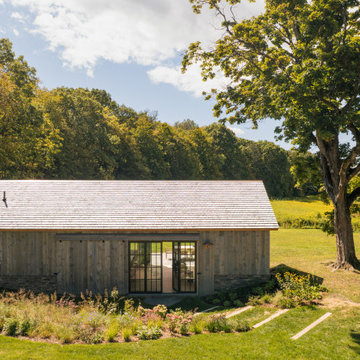
Nestled in the lush landscape, a modern reinterpretation of a once-fallen barn now features a charming guest cottage with stylish details and contemporary amenities. Situated along a narrow lot in Germantown, New York, the cottage completes a cluster of existing buildings, forming an intimate courtyard on one side. Steel effect folding patio doors fully open the living areas to the expansive fields and the Catskill Mountains beyond.
The homeowners, a young family with parents living abroad, envisioned a cozy yet modern ADU for extended stays. Designed by Lauren Cawse, AIA, architect and partner at The Art of Building, the year-round retreat draws inspiration from traditional local barns while embracing a seamless indoor-outdoor connection.
Captivating Guest Cottage Design Enhances the Senses with Steel Effect Folding Patio Doors
The modern ADU design started with the site itself. Positioned between residential and commercial neighbors, the elongated property required a careful balance of privacy and openness. Architect Lauren Cawse approached the layout by redefining the existing house and garage as the east and west sides of an outdoor room, with the new cottage forming its southern boundary. This arrangement created a clear courtyard near the main residence while directing the 800-square-foot guest house toward the open meadow and the distant Catskill Mountains.
“The unique character of the site and its history inspired the architectural direction,” says Cawse. “The intent was to create a secondary structure in the compound in clear contrast to the modern farmhouse style of the house and garage.”
A Barn-Inspired Exterior Adds Visual Flair
The exterior envelope evokes a traditional barn with a simple gable shape, weathered wood siding, cedar shingles, and a foundation veneer made of local fieldstone. A large sliding barn door adds a complementary feature to the courtyard-facing side, creating a dynamic opening that maintains uninterrupted views through the cottage to the meadow beyond.
Steel effect folding patio doors surrounding the structure add a modern touch of transparency, and simulated divided lites allow the contemporary glass wall systems to harmonize with the traditional elements of the modern ADU design.
“The goal was to fully open the living areas to the outdoors, framing views to the meadows and mountains,” says Cawse. “The positioning of the NanaWall systems frames the views and, when open, dissolves the boundary between inside and out.”
Interior Design That Mirrors Nature’s Tranquility
Inside, the design program features a simple layout with one bedroom, a full bath, a kitchenette, and a living area with a wood-burning stove. The interior, a collaboration between The Art of Building and the homeowners, is defined by an understated palette and tactile materials that reflect the natural setting. Color is introduced through the framed glass views on all sides of the structure. Reclaimed timber collar ties span the ceiling overhead, while stone surfaces and naturally patinated metal accents add quiet texture throughout.
Custom hand-painted Delft tiles along the kitchen backsplash add personal detail, and terra cotta flooring in the bathroom brings warmth and old-world charm. Soaring ceilings and abundant daylight create a peaceful play of light and shadow, shifting subtly with the seasons and emphasizing the cottage’s connection to the natural landscape outside.
Sleek Steel Effect Folding Patio Doors Elevate the Modern ADU Design Aesthetic
Three customized steel effect folding patio doors define the living space, each aligned to respond to a different edge of the site. The largest, spanning nearly 20 feet wide and just under eight feet tall, opens directly onto the stone patio, allowing the main gathering area to extend fully into the landscape. Along the side of the living room, a smaller 10-foot-wide system introduces more light and ventilation, nearly creating an open corner condition if not for the structural post that supports the façade and roofline.
At the rear, a fourth ten-foot-wide system features a French door swing panel configuration that opens toward the courtyard, strengthening the design connection to the main residence. All steel effect folding patio doors were specified with a low-maintenance, water-rated Performance Sill to safeguard against inclement weather while providing a seamless, barrier-free transition to the outdoor patio.
Unique Customizations for Visual Appeal and a Steel Effect
Each folding patio door system is configured to open outward, maximizing usable floor space in the compact interior and allowing furniture placement to remain uninterrupted. By stacking outward, the steel effect folding patio doors, specified in a SE Classic Bronze powder coat, ensure every inch of the cottage is optimized. Simulated divided lites create a consistent rhythm across windows and doors, maintaining alignment with the traditional barn-inspired exterior.
In the bedroom, a three-panel, 10-foot-wide system mirrors these customizations, matching the steel effect divided-lite pattern and outward-opening configuration, extending the indoor-outdoor connection while preserving visual continuity throughout the ADU.
“The divided lites were crucial to the architectural vision, and while budget prohibited a steel and glass system, NanaWall Systems’ thin frames provide the open and airy feeling we hoped to attain,” says Cawse. “Simulated divided lites transition the thoroughly modern element of the glass walls to remain in harmony with the otherwise traditional palette.”
Matching Windows and Doors: Create a Cohesive Design Program
Alongside the larger openings in the living areas and bedroom, a smaller 3-foot-tall NanaWall tilt turn window was added to the bathroom. This window-sized NanaWall system perfectly matches the divided lite panels and sleek frames of the steel effect folding patio doors, creating a cohesive modern ADU design throughout. The compact opening provides ventilation and natural light, enhancing the spa-like atmosphere along with natural stone flooring. The matching glass lines and sleek profiles of the NanaWall Generation 4 comprehensive product line further unify visual consistency, allowing each system to fit into the architectural style seamlessly.
“This project had three bifold glass walls, a pair of double French doors with sidelites, and a single tilt turn window,” says architect Lauren Cawse. “Being able to work with a single manufacturer provided aesthetic cohesiveness and simplified coordination.”
Sustainability Where It Matters Most
New York weather can vary from hot 85-degree summers to cold 26-degree winters. Creating an efficient living space was a primary goal. To achieve this, the design included Timber HP-insulated walls and floors with a heat pump system for effective heating and cooling. Additionally, the steel effect folding patio doors and windows were specified with double-glazed panels to ensure a tight building envelope.
Indoor-Outdoor Living Spaces for Relaxing and Entertaining
In-house landscape designer Liz Pulver worked closely with the team to conceive open-air spaces that enhanced the connection between inside and outside. To the south end of the lot, the landscape transitions into an “enhanced meadow,” allowing the cottage to feel embedded within the surrounding fields rather than set apart from them. A circular pool was designed to mimic a natural pond with a modest footprint. Around it, a minimalist fence and sunken stone ha-ha wall offer discreet safety for young children.
Limited space due to existing infrastructure and zoning setbacks left only a small footprint for the swimming pool, prompting the designer to propose a circular form that maximized the usable swimming area. “We felt that the perfect way to integrate a pool into the property and to honor the landscape would be to treat the pool as a piece of art itself,” says Pulver. “The result is a beautiful round pool that serves as both a functional retreat and a sculptural moment.”
Final Thoughts: A Barn-Inspired Design for Contemporary Living
This modern ADU design skillfully combines modern features with the enduring charm of traditional barns. The outcome is a welcoming living space that stands out amid a stunning landscape. Natural materials that mimic the beauty of the outdoors, expansive steel effect folding patio doors that fill the space with fresh air and natural light, and a restrained interior design work together to create an inviting retreat for everyday living, throughout the seasons.
“When entering the site, the cottage feels as though it was always there,” says Cawse. “It achieves its two opposing goals by creating a feeling of intimacy and enclosure near the house while also functioning as a threshold to the expansive fields and views beyond.”
Explore how NanaWall folding patio doors elevate other ADU spaces in our inspiring project photo gallery!
Frequently Asked Questions (FAQs)
What is Slimline Steel Effect?
Steel Effect is a folding patio door design option that replicates the appearance of traditional steel-framed glass doors. It combines the look of steel with the performance benefits of aluminum, including energy efficiency, low maintenance, greater design flexibility, and lower cost.
How does a NanaWall Steel Effect aluminum system compare to traditional steel-framed glass doors?
NanaWall Slimline Steel Effect folding patio doors replicate the narrow frames of traditional steel doors with improved weather and thermal performance and easier operation. They are lighter, more corrosion-resistant, and feature a thermally broken design for better energy efficiency and lower long-term maintenance.
What are the benefits of Steel Effect folding glass walls?
Steel Effect folding glass walls deliver the narrow sightlines and grid patterns of traditional steel, combined with the performance and low maintenance of aluminum. The slimline steel effect option offers all the benefits of our Generation 4 product line, including the FourFold / SixFold floating panel set option and smooth operation with Gothic arch stainless steel rollers on a stainless steel track.
Can Slimline Steel Effect glass walls be customized?
Yes, these systems offer a high level of customization to suit different architectural styles, including simulated divided lites specified in various patterns, popular SE colors for a true steel effect look, and a contemporary glass stop option for a refined look. Contact your local NanaWall representative for additional options here.
How energy-efficient and weather-resistant are Slimline Steel Effect folding patio doors?
Steel effect folding systems are engineered for strong thermal and weather performance. Thermally broken frames and high-performance glazing help improve energy efficiency. Each NanaWall system has been independently tested for air, water, structural integrity, and forced entry with excellent results.

 CustomBuilt-ins.com / CFM Design Inc.
Large transitional u-shaped dark wood floor kitchen pantry photo in Orange County with recessed-panel cabinets, white cabinets and solid surface countertops

 DesignerStone® Panels
18" x 48" holds 4 bottles - $1099.00
24" x 48" holds 8 bottles - $1369.00
48" x 48" holds up to 16 bottles - $2,255.00
Custom wine racks available up to 48" x 96"
Translucent and Non-Translucent stones available.
Stones are thin cut DesignerStone Panels.


 Seeber Build
Wood + Rebar combination
Photography by Tanis Seeber, @ tanisphoto
Staircase - industrial staircase idea in Vancouver
Staircase - industrial staircase idea in Vancouver



 Proturf Landscapes, Inc.
Spa with water spillover feature. Lightstreams glass tiles around the waterline of pool, sides, seat and spillover of SPA. PebbleTec Ocean Blue Pebblesheen with extra Abalone.

 Double J Construction Inc dba Double J Renovations
Paul Sivley Photography
Drop-in bathtub - traditional multicolored tile and ceramic tile drop-in bathtub idea in Boise with a drop-in sink, raised-panel cabinets, light wood cabinets, tile countertops and a one-piece toilet
Drop-in bathtub - traditional multicolored tile and ceramic tile drop-in bathtub idea in Boise with a drop-in sink, raised-panel cabinets, light wood cabinets, tile countertops and a one-piece toilet

 BC FLOORS Flooring Company
BC FLOORS Floorign Company
Inspiration for a mid-sized modern medium tone wood floor and beige floor hallway remodel in Vancouver with white walls
Inspiration for a mid-sized modern medium tone wood floor and beige floor hallway remodel in Vancouver with white walls


 Green Step Flooring, Inc.
Random width reclaimed oak flooring. Custom free-handed beveling, distressing, hand scraping, wire brushing. Finished with Rubio pure hand rubbed oil by Green Step Flooring, Inc. Home is located in Falls River neighborhood Raleigh, NC



 Mirage Pool n' Spa
Gold Pebble brown liner, custom shaped Pacific Pools Graphex polymer wall, vinyl lined swimming pool.

 Pratt + Larson
Close up of the repeating pattern of Pratt and Larson's 6x6 Motif A (MT-66XA) in a custom colorfill
Inspiration for a contemporary kitchen remodel in Portland
Inspiration for a contemporary kitchen remodel in Portland
229