
Search results for "Growth cycles" in Home Design Ideas
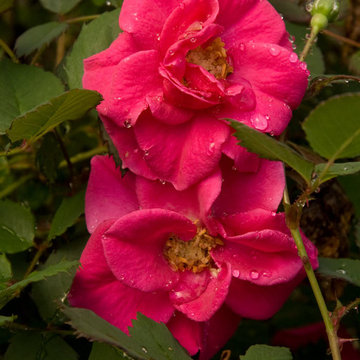
 Southern Living Plant Collection
The disease-resistant All A Flutter™ Shrub Rose produces bright fuschia pink, semi-double blooms and reblooms spring until fall.
FEATURES
Bloom/Feature Fuschia-pink semi-double blooms
Plant Type Shrubs
Evergreen or Deciduous Evergreen
USDA Zones 5,6,7,8,9,10,11
Zone Detail Hardy to -20 F
Key Features Disease/pest resistance, fall blooming
Use Accent, hedge, container, mass planting
Exposure Full sun
Bloom Season Sspring, summer
Dimension 3' H x 3' W
Growth Rate Moderate to fast
CARE
Water Water as needed
Soil Type Well drained garden soil
Fertilizer Do not fertilize until after the first bloom cycle. Apply after the first wave of flowering. Do not fertilize late in the summer
Pruning Deadhead during growing season; prune in early spring when shoots begin to emerge
PLANTING INSTRUCTIONS
water before planting
plant in full sun
dig hole 3X the width of pot,
backfill and plant 1”-2” above soil level
water and add more soil if needed
mulch plants
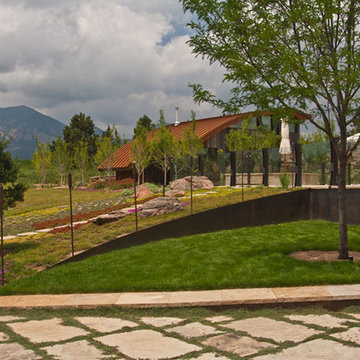
 The Cultural Landscape Foundation
Saturday August 22, 10:00 to 11:30am | Boulder
A Virtuous Garden, Far Beyond Form and Emptiness by Martin Mosko and Luke Sanzone of Marpa Design Studio, with David Barrett, Barrett Studio Architects
The owner of this fascinating new home and garden worked closely with the landscape architect and architect to create a house, barn, and riding arena that were at once modern, comfortable, warm, and carefully attuned to the natural surroundings. The house was designed with the Japanese principle of “wabi sabi,” the appreciation of beauty in imperfection and the natural cycle of growth and decay. The wood used in the siding was reclaimed from old buildings and combined with native stone. This principle extends into the landscape with the use of old, well-tended trees carefully chosen and trimmed so that the scale of the garden is maintained with the distant views. The clean, simple lines of the patios and the pool, the use of glass and steel, the radial drifts of ground covers, and the small lawn are all part of this aesthetic. All planting is xeric and foliage color was considered as important as the color of the blooms in creating an integrated palette. CoreTen steel edging shapes the landscape close to the pool and patio, while the outer circle of the garden is shaped by land forms. The house and the landscape use similar materials, forms, and colors, making an integrated whole. The result is simple, elegant, and uplifting. Photo courtesy of Marpa Design Studio
Find the right local pro for your project

 Botanical Visions
This is an example of a mid-sized tropical full sun backyard stone landscaping in Miami for summer.
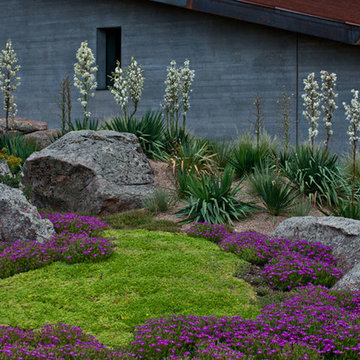 The Cultural Landscape Foundation
Saturday August 22, 10:00 to 11:30am | Boulder
A Virtuous Garden, Far Beyond Form and Emptiness by Martin Mosko and Luke Sanzone of Marpa Design Studio, with David Barrett, Barrett Studio Architects
The owner of this fascinating new home and garden worked closely with the landscape architect and architect to create a house, barn, and riding arena that were at once modern, comfortable, warm, and carefully attuned to the natural surroundings. The house was designed with the Japanese principle of “wabi sabi,” the appreciation of beauty in imperfection and the natural cycle of growth and decay. The wood used in the siding was reclaimed from old buildings and combined with native stone. This principle extends into the landscape with the use of old, well-tended trees carefully chosen and trimmed so that the scale of the garden is maintained with the distant views. The clean, simple lines of the patios and the pool, the use of glass and steel, the radial drifts of ground covers, and the small lawn are all part of this aesthetic. All planting is xeric and foliage color was considered as important as the color of the blooms in creating an integrated palette. CoreTen steel edging shapes the landscape close to the pool and patio, while the outer circle of the garden is shaped by land forms. The house and the landscape use similar materials, forms, and colors, making an integrated whole. The result is simple, elegant, and uplifting. Photo courtesy of Marpa Design Studio
 The Cultural Landscape Foundation
Saturday August 22, 10:00 to 11:30am | Boulder
A Virtuous Garden, Far Beyond Form and Emptiness by Martin Mosko and Luke Sanzone of Marpa Design Studio, with David Barrett, Barrett Studio Architects
The owner of this fascinating new home and garden worked closely with the landscape architect and architect to create a house, barn, and riding arena that were at once modern, comfortable, warm, and carefully attuned to the natural surroundings. The house was designed with the Japanese principle of “wabi sabi,” the appreciation of beauty in imperfection and the natural cycle of growth and decay. The wood used in the siding was reclaimed from old buildings and combined with native stone. This principle extends into the landscape with the use of old, well-tended trees carefully chosen and trimmed so that the scale of the garden is maintained with the distant views. The clean, simple lines of the patios and the pool, the use of glass and steel, the radial drifts of ground covers, and the small lawn are all part of this aesthetic. All planting is xeric and foliage color was considered as important as the color of the blooms in creating an integrated palette. CoreTen steel edging shapes the landscape close to the pool and patio, while the outer circle of the garden is shaped by land forms. The house and the landscape use similar materials, forms, and colors, making an integrated whole. The result is simple, elegant, and uplifting. Photo courtesy of Marpa Design Studio

 safe ZOnea
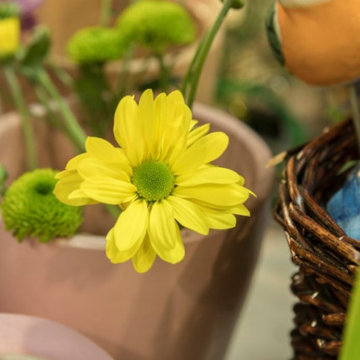
Daylight is a very important factor that influences plant growth and reproduction. Gardeners need to make sure that they measure the length of daylight hours that a plant gets within a 24-hour period. This way, growth can be monitored and regulated.
For sun-loving plants, changes in the length of each day serve as the guide that helps plants transition from vegetative growth to reproductive stages. Changes in seasons and daylight hours have an impact on the adjustment of growth hormones that are responsible for flowering.
Therefore, it’s very important for gardeners to make sure that they conduct thorough research on long-season plants that are adapted to extended sunlight exposure. During this research, it’s not uncommon for gardeners to come across topics related to sativa seeds for sale because these plants are studied for their adaptation to bright, extended growing seasons.
For gardeners that want to experiment with these kinds of plants, sativa seeds for sale can be a good starting point. But in all cases of plant growth for sun-loving plants, the principle is always the same: it’s that daylight acts as a calendar that plants use so they can determine when it’s time for them to reproduce.
Long-Day, Short-Day, and Day-Neutral Responses
Different plants have different responses to light cycles. This is why plants are grouped into long-day, short-day, and day-neutral categories.
Long-day plants are those plants that thrive when daylight goes beyond the critical threshold. This is mostly common in late spring or early summer. A lot of sun-loving ornamental plants and vegetables fall within this category. They always take advantage of the longer days that support energy-intensive flower and seed production.
On the other hand, short-day plants are those that usually flower and thrive when nights grow longer. When temperatures cool or the seasonal rainfall patterns change, these plants tend to thrive. Sure, these plants still require strong sunlight. However, it’s their uninterrupted time in the dark that triggers their reproductive phase.
For day-neutral plants, it’s age and environmental stress that impacts their reproductive phase. However, they still do benefit from adequate sunlight.
It’s very important for gardeners to understand these categories so that they can plan what to grow in their garden with each turn of the season. By doing this, it’s easier to guarantee better results in one’s garden.
Why Sunlight Duration Matters More Than Intensity Alone
It’s not only the sun’s intensity that should be taken into account when growing a garden. It’s also very important to take note of sunlight duration, which is actually more important for plants.
Sure, light intensity does influence photosynthesis. However, it’s the duration of sunlight exposure that plays an important regulatory role. When plants are exposed to sunlight longer, they are able to produce more carbohydrates through photosynthesis. This helps them build the energy reserves they need to grow buds and flowers.
However, if a plant does not get enough sunlight time, there is a huge chance that the plant will not bloom at all. If you have observed plants that grow very quickly but do not flower, the reason is that it doesn’t get enough sunlight time. Therefore, it’s very important to monitor sunlight duration in order to make sure that plants will actually grow buds and flowers.
Practical Implications for Garden Planning
When gardeners understand the impact of daylight hours on plants, they are able to plan their gardens more effectively. After all, seasons do change and the conditions brought by each season will definitely have a huge impact on plant growth. Once gardeners have the right knowledge in terms of which categories plants belong to, they can easily decide which plants to grow at any given time.
It’s not enough to just rely on sunlight intensity and then expect plants to grow buds and flowers. It’s also very important to take into account the duration of sunlight time for each plant. By having this understanding, gardeners will become more effective when it comes to making sure that flowering occurs.

 Middlefork Luxury Home Builders
Rising amidst the grand homes of North Howe Street, this stately house has more than 6,600 SF. In total, the home has seven bedrooms, six full bathrooms and three powder rooms. Designed with an extra-wide floor plan (21'-2"), achieved through side-yard relief, and an attached garage achieved through rear-yard relief, it is a truly unique home in a truly stunning environment.
The centerpiece of the home is its dramatic, 11-foot-diameter circular stair that ascends four floors from the lower level to the roof decks where panoramic windows (and views) infuse the staircase and lower levels with natural light. Public areas include classically-proportioned living and dining rooms, designed in an open-plan concept with architectural distinction enabling them to function individually. A gourmet, eat-in kitchen opens to the home's great room and rear gardens and is connected via its own staircase to the lower level family room, mud room and attached 2-1/2 car, heated garage.
The second floor is a dedicated master floor, accessed by the main stair or the home's elevator. Features include a groin-vaulted ceiling; attached sun-room; private balcony; lavishly appointed master bath; tremendous closet space, including a 120 SF walk-in closet, and; an en-suite office. Four family bedrooms and three bathrooms are located on the third floor.
This home was sold early in its construction process.
Nathan Kirkman


 Fitz's Fish Ponds
One of two spillways on the pond.
Photo of a mid-sized traditional partial sun backyard water fountain landscape in New York.
Photo of a mid-sized traditional partial sun backyard water fountain landscape in New York.

 Bonnie McCarthy
Photo: Bonnie McCarthy © 2016 Houzz
This is an example of an eclectic landscaping in Los Angeles.
This is an example of an eclectic landscaping in Los Angeles.

 All Surface Restoration
All brands of polymeric sand are NOT equal. Don’t waste money on inferior quality polymeric sand that will cause surface hazing or wash away during a heavy rain. Your brick paver patio, walkway or driveway deserves the best finish possible.
Many types of polymeric sand rely on Portland cement, which often causes hazing, & cracking. Portland cement does not surpass a cohesion threshold that will prevent rain or strong wind from causing washout of the sand.
All Surface Restoration has tested every major brand of polymeric sand on the market in Michigan’s climate for cohesion, adhesion & set up. The most durable, longest lasting type of polymeric sand is Poly Sweep.
Poly Sweep is a different blend of sands with high quality synthetic polymers specially formulated to allow joints to expand & contract with extreme freeze thaw cycles common in Michigan. No sealer is required to keep the sand hard & stable.
Poly Sweep Polymeric Sand has an advanced clear set technology, which uses high quality clear polymers that don’t leave a white haze.
Poly Sweep proved it had a significantly stronger set up than ALL other brands.
It reduces overall maintenance by inhibiting weed growth & deterring insects.
Salt & deicing chemicals do not affect performance. Poly Sweep is available in Tan or Gray to blend with the color of your brick pavers.
Searching for solution to prevent weeds, moss & water penetration in brick pavers in Michigan? Contact the paver maintenance experts at All Surface Restoration to request a free estimate today on cleaning & installing Poly Sweep Polymeric Sand.
Michigan residents request a free estimate at: www.surfacerestoration.com/contact or call 248-475-0004
 The Cultural Landscape Foundation
Saturday August 22, 10:00 to 11:30am | Boulder
A Virtuous Garden, Far Beyond Form and Emptiness by Martin Mosko and Luke Sanzone of Marpa Design Studio, with David Barrett, Barrett Studio Architects
The owner of this fascinating new home and garden worked closely with the landscape architect and architect to create a house, barn, and riding arena that were at once modern, comfortable, warm, and carefully attuned to the natural surroundings. The house was designed with the Japanese principle of “wabi sabi,” the appreciation of beauty in imperfection and the natural cycle of growth and decay. The wood used in the siding was reclaimed from old buildings and combined with native stone. This principle extends into the landscape with the use of old, well-tended trees carefully chosen and trimmed so that the scale of the garden is maintained with the distant views. The clean, simple lines of the patios and the pool, the use of glass and steel, the radial drifts of ground covers, and the small lawn are all part of this aesthetic. All planting is xeric and foliage color was considered as important as the color of the blooms in creating an integrated palette. CoreTen steel edging shapes the landscape close to the pool and patio, while the outer circle of the garden is shaped by land forms. The house and the landscape use similar materials, forms, and colors, making an integrated whole. The result is simple, elegant, and uplifting. Photo courtesy of Marpa Design Studio
 All Surface Restoration
Surface Saver Sealer is a water-based Silane-Siloxane water repellent and impregnating sealer for porous concrete and masonry surfaces. Surface Saver penetrates up to 1/4 to form a chemical bond deep within the substrate to provide long lasting protection against deterioration or staining due to water absorption. Surface Saver will not impair the natural breathing characteristics of treated substrates, nor will it produce a film or coating. Surface Saver will help concrete and masonry surfaces to resist common issues such as cracking, efflorescence, spalling, staining, and other damages caused by intrusion of water. Surface Saver will also help to reduce the formation of efflorescence and the growth of mold and mildew.
Uses: Unsealed concrete, broom finished concrete, trowel finished concrete, stamped colored concrete, exposed aggregate concrete, concrete pavers, brick pavers, pavers, clay tile, unglazed tile, cement, brick, stone, and other masonry.
Common Applications: driveway sealer, walkway and sidewalk sealer, patio and pool deck sealer, brick house and chimney sealer, clay tile roof sealer, garage floor sealer, warehouse floor sealer, basement wall and floor sealer, and other concrete and masonry applications.
Surface Saver maintain the natural, unsealed look and feel of the substrate. Will never peel, flake or fade. UV resistant, non-yellowing. No surface film or coating to maintain.
Resistant to freeze-thaw cycles and de-icing salts.
Provides excellent resistance to mold, mildew, and fungus.
Can be applied to interior & exterior, vertical & horizontal, above & below grade surfaces.
Surface Saver Sealer will cause water and other liquids to bead off the surface.
Breathable, low VOC.
5 gallon covers up to 750-1000 Square Feet in one coat, or up to 500 Square feet in 2 coats.
Surface Saver Sealer can be purchased in 5 gallon pails shipped UPS Ground to all 48 U.S. States except Alaska & Hawaii at: www.surfacerestoration.com/shop

 LaurelRock
Neil Landino. Design Credit: Steven Stimson Associates
This is an example of a contemporary landscaping in New York.
This is an example of a contemporary landscaping in New York.
 All Surface Restoration
Surface Saver penetrates up to 1/4 to form a chemical bond deep within the substrate to provide long lasting protection against deterioration or staining due to water absorption. Surface Saver will not impair the natural breathing characteristics of treated substrates, nor will it produce a film or coating. Surface Saver will help concrete and masonry surfaces to resist common issues such as cracking, efflorescence, spalling, staining, and other damages caused by intrusion of water. Surface Saver will also help to reduce the formation of efflorescence and the growth of mold and mildew.
Uses: Unsealed concrete, broom finished concrete, trowel finished concrete, stamped colored concrete, exposed aggregate concrete, concrete pavers, brick pavers, pavers, clay tile, unglazed tile, cement, brick, stone, and other masonry.
Common Applications: driveway sealer, walkway and sidewalk sealer, patio and pool deck sealer, brick house and chimney sealer, clay tile roof sealer, garage floor sealer, warehouse floor sealer, basement wall and floor sealer, and other concrete and masonry applications.
Surface Saver maintain the natural, unsealed look and feel of the substrate. Will never peel, flake or fade. UV resistant, non-yellowing. No surface film or coating to maintain.
Resistant to freeze-thaw cycles and de-icing salts.
Provides excellent resistance to mold, mildew, and fungus.
Can be applied to interior & exterior, vertical & horizontal, above & below grade surfaces.
Surface Saver Sealer will cause water and other liquids to bead off the surface.
Breathable, low VOC.
5 gallon covers up to 750-1000 Square Feet in one coat, or up to 500 Square feet in 2 coats.
Surface Saver Sealer can be purchased in 5 gallon pails shipped UPS Ground to all 48 U.S. States except Alaska & Hawaii at: www.surfacerestoration.com/shop
 TN Nursery
Witch Hazel: A Shrub That Teaches Patience in the Garden
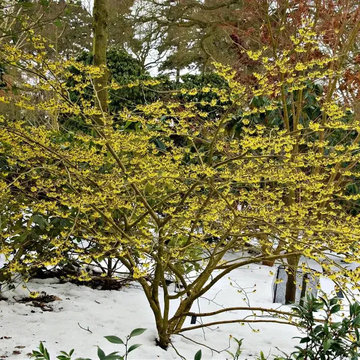
Witch hazel is a reminder that some of the most rewarding garden plants operate on a different timetable. Unlike shrubs that demand attention with bold flowers or fast growth, witch hazel reveals its value slowly and intentionally. Its most striking feature often appears when gardeners least expect it, with delicate, ribbon-like blooms emerging in late winter while much of the landscape still rests.
This timing alone sets witch hazel apart. Winter-blooming shrubs change the way gardeners experience their landscapes, encouraging observation during a season that is often overlooked. Planted near windows, paths, or entryways, witch hazel offers moments of surprise and quiet beauty when color is scarce. Its subtle fragrance and fine-textured flowers add depth without overwhelming the surrounding environment.
Beyond bloom, witch hazel contributes structure and balance to the garden year-round. Its branching form develops naturally into an open, graceful shape that rarely requires pruning. During the growing season, its foliage blends effortlessly with perennials, groundcovers, and woodland plants, creating cohesion rather than competition. In autumn, the leaves shift to soft golden tones, easing the transition into dormancy.
Witch hazel also supports a slower, more sustainable approach to gardening. Once established, it asks very little in return, adapting well to its surroundings and thriving without constant inputs. Its fallen leaves enrich the soil, reinforcing natural cycles that benefit neighboring plants.
In a garden culture often driven by instant results, witch hazel stands as a counterpoint. It rewards patience, invites reflection, and becomes more meaningful with time. For gardeners willing to embrace its rhythm, witch hazel offers not just seasonal interest, but a deeper connection to the quiet moments that make gardening truly fulfilling.
https://www.onlineplantnursery.com/products/witch-hazel
https://treenurseryco.com/witch-hazel-shrub
https://www.wholesalenurseryco.com/products/witch-hazel
https://www.tennesseewholesalenursery.com/products/witch-hazel
https://www.tnnursery.net/products/witch-hazel
 All Surface Restoration
Surface Saver penetrates up to 1/4 to form a chemical bond deep within the substrate to provide long lasting protection against deterioration or staining due to water absorption. Surface Saver will not impair the natural breathing characteristics of treated substrates, nor will it produce a film or coating. Surface Saver will help concrete and masonry surfaces to resist common issues such as cracking, efflorescence, spalling, staining, and other damages caused by intrusion of water. Surface Saver will also help to reduce the formation of efflorescence and the growth of mold and mildew.
Uses: Unsealed concrete, broom finished concrete, trowel finished concrete, stamped colored concrete, exposed aggregate concrete, concrete pavers, brick pavers, pavers, clay tile, unglazed tile, cement, brick, stone, and other masonry.
Common Applications: driveway sealer, walkway and sidewalk sealer, patio and pool deck sealer, brick house and chimney sealer, clay tile roof sealer, garage floor sealer, warehouse floor sealer, basement wall and floor sealer, and other concrete and masonry applications.
Surface Saver maintain the natural, unsealed look and feel of the substrate. Will never peel, flake or fade. UV resistant, non-yellowing. No surface film or coating to maintain.
Resistant to freeze-thaw cycles and de-icing salts.
Provides excellent resistance to mold, mildew, and fungus.
Can be applied to interior & exterior, vertical & horizontal, above & below grade surfaces.
Surface Saver Sealer will cause water and other liquids to bead off the surface.
Breathable, low VOC.
5 gallon covers up to 750-1000 Square Feet in one coat, or up to 500 Square feet in 2 coats.
Surface Saver Sealer can be purchased in 5 gallon pails shipped UPS Ground to all 48 U.S. States except Alaska & Hawaii at: www.surfacerestoration.com/shop
2