
Search results for "Hazardous conditions" in Home Design Ideas


 SUPERIOR CHIMNEY SERVICES CORPORATION
It is exciting that warm weather is on the way. I know that it’s not likely you’ll be thinking about turning on your fireplace. But it is the time to be thinking about getting it checked and get any type of repairs done now so you can enjoy it when the weather cools off.
Here are the top 3 chimney repairs to make this summer:
Repair #1: Chimney Cap
The chimney cap is a critical component to the chimney. It protects from debris, animals, water, snow, and wind from entering the chimney - Every chimney needs a chimney cap for the same reasons every home needs a roof! There’s another benefit many don’t consider...
If you have a woodburning fireplace, sparks can go up the chimney flue and reach the outside causing a potential fire on the roof or any dry debris such as leaves and grass. The chimney cap also has spark inhibiting components that prevent the sparks from exiting the chimney cap.
Repair #2 Masonry
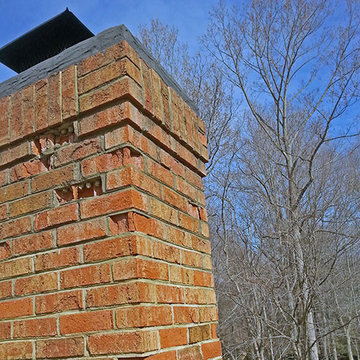
Mortar is the filling in between the bricks or stone in your chimney. Masonry or tuckpointing is the repair made by a masonry professional in order to build or fix the deterioration or missing mortar in between the bricks or stone.
In a repair situation, not all mortar will be replaced. As a result, Superior Chimney works to match the color of the existing mortar so it all looks clean and uniform.
It’s best to have the chimney inspected each year as the chimney is exposed to the weather elements on all four sides. If a homeowner waits too long to have repairs done on the masonry, it can lead to the need for a full rebuild of the chimney.
Repair #3 Chimney Liner
The chimney liner is a very important part of your chimney system. The chimney liner directs all smoke and gasses out from the home. If cracks appear in the chimney flue, this can be a safety hazard as fires can easily ignite adjacent home construction materials. Some older homes were built without chimney liners. We highly recommend getting a chimney liner installed, as required by code, by a certified chimney technician from Superior Chimney.
Now that you have your chimney repair to do list, let’s get started by scheduling a chimney sweep. This will include a 14 point inspection with pictures (ever wonder what it looks like up there?). Now you’ll know the condition of your chimney cap, masonry and chimney liner. If repairs need to be made, you can get that done now over the summer so that when cool weather returns (sorry), you’ll be ready to fire up the fireplace.


Find the right local pro for your project

 otile
otileyou could choose ceramic tiles for the flooring o the kitchen, that's certainly an exquisite idea. Kitchen flooring is victim of spills every day, which means that the kitchen floor's floor ought to be wiped clean every day. Then again, ceramic tiles have a tendency to be wiped clean without difficulty, and they're a notable option for kitchen flooring. The ceramic tiles do not absorb microorganism and smell, that's critical for the kitchen. Ceramic tiles are also excellent due to their water-resistant nature and are a crucial element for kitchen floors. What are ceramic tiles made up of? Ceramic tiles are defined to be made from clay, and they're also recognized to be very sincere and can be set up easily as kitchen flooring. It must be referred to that every one of the tile must be set up properly over the sub tiles if you choose a higher result at the stop. The subfloor must be very smooth and flat so that while you install the ceramic tiles within the kitchen, you must make certain that every one of the edges are instantly and make the technique of grouting, however, less difficult and quicker. The ceramic kitchen tiles in addition to the porcelain tiles
ceramic tiles and porcelain tiles do have a difference between them, however, the difference is very moderate. The porcelain can soak up water, and the ceramic tiles can take in more water in amount compared to the porcelain. It ought to be brought that the porcelain wood pattern tiles have sand in them, and it's far brought to the clay mixture easily. Those all were made essentially below stress and warmth to produce a robust, tough, and even dense tile with a view to be porous in comparison to the ceramic tiles present. It must be stated that the porcelain timber tiles are suitable for getting used inside the kitchens and bathrooms, and you may even use them exterior as nicely. The unique nature which could stand and tolerate the weather conditions and climate is remarkable. Ceramic tiles and natural stones like marble and slate are extremely good for the kitchen floors as they are very long-lasting and strong. The porcelain is likewise considered to be from the tile family, and as we understand, tiles are an excellent option with regards to kitchen and toilet floorings. What are the advantages of ceramic tiles for kitchen flooring? Ceramic tiles have multiple benefits, and consequently, it's miles considered to be perfect for the kitchen floorings including:
it's miles incredible information that the ceramic kitchen flooring does now not have a tendency to burn. The ceramic tiles can't be charged electrically and purpose no friction. The tiles for the kitchen floors do no longer have any health hazards and are subsequently very safe for people. In the end, it should be said that the ceramic kitchen tiles are very long-lasting and lengthy-lasting. After all those huge benefits and blessings of the ceramic tile kitchens, nevertheless, you are unsure about what to select for the kitchen floor?

 Highland Builders LLC
Powder room with glam geometric wallpaper complimented with a vessel sink rustic vanity with riveted hardware. Counter top is quartz Viatera - Truffle. Mirror framed wall mirror.
Ryan Hainey


 SUPERIOR CHIMNEY SERVICES CORPORATION
A certified chimney inspection in Illinois is one of the key ‘to-do’s’ for the holidays. The last thing you need are a bunch of complaints because it’s too cold.
There’s a cold draft coming from the fireplace. Or the fire is nice and warm, but the kids playing are starting to cough because there’s a backup of smoke coming into the home. Now you have to open the windows and everyone is cold again. There are enough stresses the host must deal with, do we need to add another one?
What is a Certified Chimney Inspection?
According to the CSIA, a certified chimney inspection is an evaluation of the chimney or venting system to assess its condition and determine if it’s fit for use. Superior Chimney is certified by the CSIA to perform chimney inspections and chimney sweeps as well. What this means for you is that our technicians are trained to adhere to the NFPA 211 standard which states that the chimney and venting systems are to be inspected each year regardless if it’s a woodburning gas or unused fireplace and chimney.
Chimney Inspection Levels
A Level 1 inspection is the minimum required. How do you know this one is for you? A certified chimney inspection is when you have your chimney swept and inspected each year. Nothing has changed, you use it (or don’t use it) any differently than in the past.
A Level 2 inspection is when a change has been made to your system. This can include a change in the type of fuel being used such as changing over from gas to woodburning or from not using the fireplace to using it even if it is only once per year. Another change can also be the change to the shape of the flue or you had a new flue lining installed which is different that what you had prior.
A Level 2 is also necessary if you sold your home or if there’s been a tornado, bad storms or those (once in a few years) earthquakes.
Level 3 inspection is for more serious hazards and issues. The normal technician tools won’t do and they need special tools in order to inspect closed out portions that can’t be viewed easily.
Reason for a Yearly Inspection…
One of the main reason your chimney and fireplace needs an inspection…regardless if you use the fireplace or not…is the winter freeze thaw cycles. This is when the air temperature drops to 32 degrees or below to freeze the rain and/or snow and then goes right back up in temperature for the rain and/or snow to thaw.
As we have all experienced, winter and early spring are the perfect times of year to experience the freeze thaw cycle.
Finally…
Now that you know the stress your chimney and fireplace goes through each year, be sure to get it swept and inspected by a certified chimney technician from Superior Chimney. This will keep the holiday complaints down to a minimum. Contact us today at 877-CHIM-FIX (877-244-6349)

 Five Star Tree Care
Trees, like people, are living beings that need care, nutrition, and a healthy environment in order to thrive. Although tree death is a normal part of their life cycle, with the right care and proper conditions, they can live for thousands of years. Trees are an important part of our environment, and without them, humanity itself will cease to thrive. Therefore, it is important that we do everything possible to properly care for the trees on our property and in our area to maintain their vitality.
The Benefits of Commercial Tree Care
Here at Five Star Tree Services, we care about the environment and have dedicated our business to pruning, cutting, and maintaining trees and hedges. We offer a wide range of services at a price you can afford. Below, we have put together a shortlist of reasons why you should schedule regular commercial tree care services for your property.
Reduce Liability
A sick tree or a dead branch can cause bodily harm to a person if they happen to be near the tree when it falls. If you own a business, however, there is more to falling branches than the potential for harm or property damage. A customer, employee, or contractor who is hurt by a falling branch or tree on your property has the right to sue. This can cause strain on your business and destroy your good image. Working with a professional Toronto tree care company will ensure that the trees on your property are always healthy and well maintained to prevent accidents.
Healthy Trees
There is no purpose in keeping dead branches on your tree. Not only do they occupy space, but they also sap nutrients that your tree needs to thrive. Dead branches are also a hazard since they can fall down at any time. Depending on the size of the branch, this can cause property damage or injury. Regular tree care by a professional company keeps dead branches to a minimum and provides protection to your family, customers, and property at the same time.
Aesthetics
Everyone likes to look at a nice lawn, colourful garden, and well-maintained trees. For commercial locations, customers are more prone to visit stores and businesses that present a well-kept exterior over those that don’t. Quality is always more important than looks, but in the world of commerce, appearances can spur higher quantities of foot traffic. Additionally, when curb appeal increases, property value increases. This is great if you plan on selling it in the future.
Proper Maintenance
It is easy to ask your employees or your kids to take care of your lawn, but chances are, it is a well-hated chore. Tree care, on the other hand, is not something that should be left up to chance, or handled by those with no experience. When you hire Five Star Tree Services, our team will ensure that the needs of your trees are met and that they are properly maintained. If you are interested in learning more about our services, give us a call at (416) 990-3355 today.
 safe ZOnea
Every year, the same thing happens. The first real snowfall arrives, demand for de-icing materials spikes overnight, and the businesses that waited too long find themselves scrambling for supply at the worst possible moment. Facility managers, property owners, contractors, and municipalities all depend on a steady supply of salt and ice melt to keep their properties safe and operational through winter. The ones who plan ahead sail through. The ones who don't pay more, wait longer, and take on real risk.
Sourcing de-icing materials well is not complicated, but it does require thinking ahead and understanding the options. The choices you make about what to buy, how to buy it, and who to buy it from have a direct effect on your costs, your reliability, and your ability to keep people safe when conditions turn dangerous. This article lays out what matters.
Why Your Choice of Supplier Matters More Than You Think
It is easy to treat de-icing material as a commodity, something you grab whenever you need it without much thought about where it comes from. That works fine until the moment it doesn't, usually in the middle of a storm when everyone needs supply at once and the casual sources have run dry. At that point, the relationships you built before the season become the difference between staying stocked and being stuck.
Reliable supply is the whole game in winter operations. A property that runs out of ice melt during a storm faces safety hazards, liability exposure, and disruption, none of which can wait for a back-ordered shipment. This is why establishing relationships with dependable rock salt suppliers before the season starts is one of the smartest moves a facility manager or contractor can make. It locks in supply, often locks in better pricing, and removes a major source of mid-winter stress.
The lesson here is to treat sourcing as a planning decision rather than a last-minute errand. The businesses that come through winter smoothly are almost always the ones that secured their supply chain early, chose suppliers who could actually deliver when it counted, and never had to gamble on finding material during a shortage. Reliability bought in advance is far cheaper than scarcity paid for in a crisis.
Bagged or Bulk: Matching the Material to the Job
One of the first practical decisions is whether to buy de-icing material in bags or in bulk, and the right answer depends entirely on the operation. Each format has clear advantages, and many operations end up using both for different purposes.
Bagged material offers convenience, control, and easy storage. It is simple to handle, easy to distribute to different locations or crews, straightforward to store without special equipment, and convenient for spot application by hand. It suits smaller properties, businesses without bulk storage, and situations where portion control and tidiness matter. Bulk material, on the other hand, tends to make sense for large operations that go through high volumes, where buying in quantity lowers the per-unit cost and the operation has the equipment and space to store and handle it. The tradeoff is between the convenience and flexibility of bags and the volume economics of bulk.
For many operations, the right approach is a mix: bulk for the high-volume core of the work and bags for flexibility, spot treatment, and locations where bulk handling is impractical. The key is to match the format to how the material will actually be stored, moved, and applied, rather than defaulting to one or the other out of habit. Thinking this through in advance avoids both the waste of over-buying bulk you can't handle and the expense of relying entirely on bags for a large operation.
Rock Salt Is Not Your Only Option
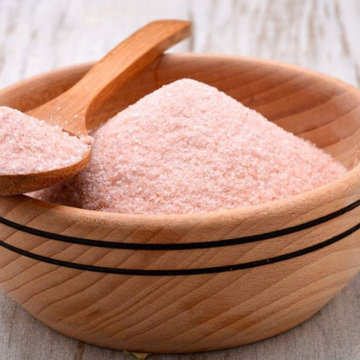
Rock salt, or sodium chloride, is the workhorse of winter de-icing for good reason. It is effective, widely available, and cost-efficient, which makes it the default choice for most operations most of the time. But it has limits, and understanding the alternatives helps you choose the right material for the conditions you actually face.
The most important limitation is temperature. Rock salt becomes less effective as temperatures drop, and in genuinely cold conditions it can struggle to do the job at all. This is where alternatives come in. Calcium chloride, for instance, works at much lower temperatures than rock salt and acts quickly, which makes it valuable when conditions are severe or when fast melting matters. Operations that face hard freezes or need dependable performance in extreme cold often keep calcium chloride for sale on hand for exactly those situations, using it alongside rock salt rather than instead of it.
The practical approach is to understand the conditions your property faces and stock accordingly. For many operations, rock salt handles the bulk of the work while a faster, colder-rated material like calcium chloride covers the extreme days when ordinary salt falls short. Matching the material to the temperature and the urgency of the situation is what separates an operation that stays ahead of winter from one that is constantly reacting to it.
Securing Your Supply Before the Season
Knowing what to buy is only half the equation. The other half is making sure you can actually get it when you need it, which means securing your supply before winter arrives rather than after it has already started. Timing is one of the most underrated factors in winter operations.
The logic is simple. Demand for de-icing materials is highly seasonal and spikes sharply during storms, when everyone needs supply simultaneously. Prices and availability both move against the buyer at exactly those moments. By contrast, planning ahead, estimating your needs and arranging supply before the season, puts you in a far stronger position. Working with established rock salt suppliers ahead of time means your material is accounted for before the rush, often at better pricing and with the confidence that it will be there when the first storm hits.
This kind of planning also lets you think clearly rather than react under pressure. You can estimate your seasonal needs based on your property and past winters, decide on the right mix of materials and formats, and arrange storage in advance. Operations that do this consistently spend less, worry less, and never find themselves making frantic calls during a storm. The effort of planning ahead is modest, and the payoff in reliability and cost savings is substantial.
Storing and Handling What You Buy
Securing supply is not much use if the material degrades before you can use it, which makes proper storage and handling an important and often overlooked part of the equation. De-icing materials are sensitive to moisture, and poor storage can turn a good supply into a clumped, hardened mess that is difficult to apply.
The fundamentals are straightforward. Keep material dry and protected from moisture, since salt and ice melt readily absorb water and can harden if exposed. Store it in a way that suits the format, whether that means a proper bulk storage area or a dry space for stacked bags. Keep it accessible, so crews can get to it quickly when a storm hits and time is short. And handle it with the right equipment for the format and volume, which protects both the material and the people working with it. None of this is complicated, but neglecting it can undermine even a well-planned supply.
Good storage practices protect the investment you made in securing supply early. There is little point in arranging your materials ahead of the season only to have them degrade before use. Treating storage and handling as part of the overall plan, rather than an afterthought, ensures that the material you secured is actually usable when the moment comes. It is the final link in a supply chain built to perform under winter conditions.
Estimating How Much You Actually Need
One question trips up operations of every size: how much de-icing material to buy. Order too little and you risk running short during a storm. Order too much and you tie up money and storage space in material you may not use. Getting the estimate reasonably right is a meaningful part of sourcing well.
Several factors shape the answer. The size and type of the areas you treat, sidewalks, lots, entrances, and drive lanes, set the baseline for how much material each application consumes. The local climate matters too, since colder regions and those with frequent snowfall go through far more material than milder ones. Application frequency depends on how often storms hit and how quickly surfaces need to be cleared, which varies with the kind of property and the expectations of the people who use it. And the type of material plays a role, since different products are applied at different rates.
Past experience is often the best guide. Operations that track what they used in previous winters, adjusted for the size of the property and the severity of the season, can estimate their needs with reasonable confidence. For newer operations without that history, it helps to plan conservatively and to work with a supplier who can replenish stock reliably, so that a low estimate does not turn into a mid-storm shortage.
The goal is not perfect precision but a sound, slightly cautious estimate paired with a dependable supply relationship. That combination lets an operation keep enough material on hand to handle the season without over-committing to volume it cannot store or use. Thinking this through before winter, rather than guessing during it, is one more way that planning ahead pays off when the snow starts to fall.
The Bottom Line
Sourcing de-icing materials well comes down to a few straightforward principles: plan ahead, choose reliable suppliers before the season, match your materials and formats to your actual needs and conditions, and store what you buy properly. The operations that follow these principles move through winter with confidence, while those that improvise pay more and take on needless risk.
Winter is predictable in one respect: it arrives every year, and demand for de-icing material spikes the moment it does. The businesses that prepare for that reality, rather than being surprised by it, are the ones that keep their properties safe, their costs controlled, and their operations running no matter what the season throws at them. A little foresight before the first snowfall pays off through every storm that follows.


 Five Star Tree Care
Effectively maintaining your landscape and trees take a good amount of time and effort. Often, homeowners will delay trimming or pruning their trees out of laziness or simply because they don’t know how to correctly care of their trees. But, you should know that tree trimming should be at the top of your to-do list for many reasons. Pruning, proper maintenance, and fertilization are all critical if you want the trees in your yard to thrive to grow strong. For homeowners that are unable to handle the tasks on their own, our professional tree trimming service can help. Five Star Tree Services has put together a list of the top three reasons why you need to trim your trees on a regular basis.
Healthier Trees
Regular tree trimming will keep your trees in their best health while also promoting growth. Sometimes trees may have dead or broken branches, removing them prevents decay and can even prevent an infection from spreading. If you leave damaged or rotting branches on your tree, it can spread the condition to other parts of the tree or even to other trees in the area.
When you prune your tree on a regular basis, it also promotes the growth of new leaves and branches. Reducing the thickness of the leaves and branches also opens up the inner part of the tree to the sun. Furthermore, air circulation is critical for a healthy tree and regular trimming ensures that your tree always has access to the fresh oxygen it needs to thrive. The healthier your tree is the better quality oxygen it will produce for the surrounding area.
Improve Property Value
Well-kept trees greatly improve the aesthetics of your home. Decaying branches or trees that are overgrown are not only unsightly and dangerous, but they can also have a negative impact on the curb appeal of your house. If your house is on the market, seeing an unkempt yard with untrimmed trees can leave potential buyers with a negative perception of your property. Keeping your trees trimmed and neat show that you care about your home and how it looks. Work hard for your property and it will turn the best profit when you finally sell.
Prevent Environmental Damage
Tree branches that are rotting or weak pose a safety hazard to your home and your family. Dead limbs or even overburdened are more likely to fall off of the tree and strike your home. There have been plenty of reports of dead or overly heavy branches suddenly falling on people as well. Trees that grow close to power lines also pose a threat if they are not trimmed on a regular basis. Limbs can grow too high or too long causing them to brush against the power lines. This may trigger a fire or even a power outage. Sick trees with limbs that are diseased are more likely to cause the entire tree to tip over. This can cause damage to your home, vehicles, or even a person if they are unlucky.
How Five Star Tree Services Can Help
If you are not sure about how or when to trim your trees, Five Star Tree Services is here to help. We offer a wide range of Toronto Tree Trim Services and pruning services for both commercial and residential locations. Our passionate team of tree care experts will keep your property safe and ensure that your trees are beautiful and can continue to grow in a healthy state. Give us a call at (416) 990-3355 to find out more information about the services we offer.

 CairnsCraft Design & Remodel
Great spacious bathroom with lot of amenities.
Photographer: Jon Upson
Large elegant master beige tile and porcelain tile drop-in bathtub photo in San Diego with an undermount sink, raised-panel cabinets, medium tone wood cabinets, granite countertops, beige walls and a two-piece toilet
Large elegant master beige tile and porcelain tile drop-in bathtub photo in San Diego with an undermount sink, raised-panel cabinets, medium tone wood cabinets, granite countertops, beige walls and a two-piece toilet

 TKSL Construction
Patio - small traditional backyard stamped concrete patio idea in Denver with no cover

 Spire North
Tucked away in the backwoods of Torch Lake, this home marries “rustic” with the sleek elegance of modern. The combination of wood, stone and metal textures embrace the charm of a classic farmhouse. Although this is not your average farmhouse. The home is outfitted with a high performing system that seamlessly works with the design and architecture.
The tall ceilings and windows allow ample natural light into the main room. Spire Integrated Systems installed Lutron QS Wireless motorized shades paired with Hartmann & Forbes windowcovers to offer privacy and block harsh light. The custom 18′ windowcover’s woven natural fabric complements the organic esthetics of the room. The shades are artfully concealed in the millwork when not in use.
Spire installed B&W in-ceiling speakers and Sonance invisible in-wall speakers to deliver ambient music that emanates throughout the space with no visual footprint. Spire also installed a Sonance Landscape Audio System so the homeowner can enjoy music outside.
Each system is easily controlled using Savant. Spire personalized the settings to the homeowner’s preference making controlling the home efficient and convenient.

 Pistils Landscape Design + Build
These wide, well-lit concrete stairs provide lovely light for evening gatherings. Designed and installed by Pistils Landscape Design + Build.
1950s exterior home idea in Portland
1950s exterior home idea in Portland


 Budget Blinds of Cedar Falls / Waterloo, IA
Budget Blinds blackout roller shades, photo credit installer Adam Brannick
Example of a mid-sized transitional guest bedroom design in Cedar Rapids with gray walls and no fireplace
Example of a mid-sized transitional guest bedroom design in Cedar Rapids with gray walls and no fireplace

 All Surface Restoration
Exposed aggregate driveway after cleaning & sealing with Paver Gloss Sealer.
Inspiration for a mid-sized front yard driveway in Detroit.
Inspiration for a mid-sized front yard driveway in Detroit.

 Cleator Landscape Design
This modern beach front home needed a landscape to compliment its clean, crisp style. We were able to provide ample off street parking without creating a dull expanse of concrete. This pattern of concrete with stone banding was continued in the horizontal fencing for a subtle nautical undertone. While an assortment of grasses and other low maintenance plants that thrive in this seaside environment help to enhance the sense of place.


2