
Search results for "Inventors" in Home Design Ideas
 Robert Miller FAIA Architects
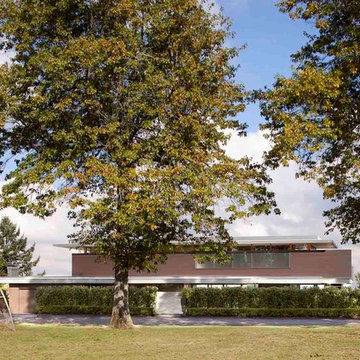
The Council Crest Residence is a renovation and addition to an early 1950s house built for inventor Karl Kurz, whose work included stereoscopic cameras and projectors. Designed by prominent local architect Roscoe Hemenway, the house was built with a traditional ranch exterior and a mid-century modern interior. It became known as “The View-Master House,” alluding to both the inventions of its owner and the dramatic view through the glass entry.
Approached from a small neighborhood park, the home was re-clad maintaining its welcoming scale, with privacy obtained through thoughtful placement of translucent glass, clerestory windows, and a stone screen wall. The original entry was maintained as a glass aperture, a threshold between the quiet residential neighborhood and the dramatic view over the city of Portland and landscape beyond. At the south terrace, an outdoor fireplace is integrated into the stone wall providing a comfortable space for the family and their guests.
Within the existing footprint, the main floor living spaces were completely remodeled. Raised ceilings and new windows create open, light filled spaces. An upper floor was added within the original profile creating a master suite, study, and south facing deck. Space flows freely around a central core while continuous clerestory windows reinforce the sense of openness and expansion as the roof and wall planes extend to the exterior.
Images By: Jeremy Bitterman, Photoraphy Portland OR
 Robert Miller FAIA Architects
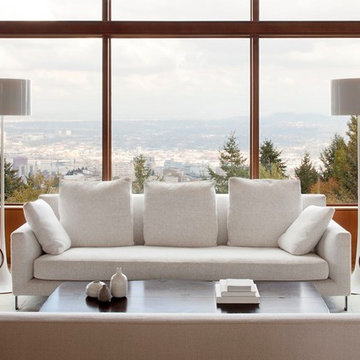
The Council Crest Residence is a renovation and addition to an early 1950s house built for inventor Karl Kurz, whose work included stereoscopic cameras and projectors. Designed by prominent local architect Roscoe Hemenway, the house was built with a traditional ranch exterior and a mid-century modern interior. It became known as “The View-Master House,” alluding to both the inventions of its owner and the dramatic view through the glass entry.
Approached from a small neighborhood park, the home was re-clad maintaining its welcoming scale, with privacy obtained through thoughtful placement of translucent glass, clerestory windows, and a stone screen wall. The original entry was maintained as a glass aperture, a threshold between the quiet residential neighborhood and the dramatic view over the city of Portland and landscape beyond. At the south terrace, an outdoor fireplace is integrated into the stone wall providing a comfortable space for the family and their guests.
Within the existing footprint, the main floor living spaces were completely remodeled. Raised ceilings and new windows create open, light filled spaces. An upper floor was added within the original profile creating a master suite, study, and south facing deck. Space flows freely around a central core while continuous clerestory windows reinforce the sense of openness and expansion as the roof and wall planes extend to the exterior.
Images By: Jeremy Bitterman, Photoraphy Portland OR
 Robert Miller FAIA Architects
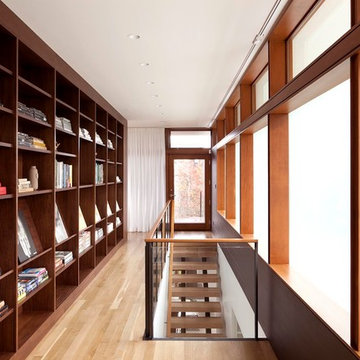
The Council Crest Residence is a renovation and addition to an early 1950s house built for inventor Karl Kurz, whose work included stereoscopic cameras and projectors. Designed by prominent local architect Roscoe Hemenway, the house was built with a traditional ranch exterior and a mid-century modern interior. It became known as “The View-Master House,” alluding to both the inventions of its owner and the dramatic view through the glass entry.
Approached from a small neighborhood park, the home was re-clad maintaining its welcoming scale, with privacy obtained through thoughtful placement of translucent glass, clerestory windows, and a stone screen wall. The original entry was maintained as a glass aperture, a threshold between the quiet residential neighborhood and the dramatic view over the city of Portland and landscape beyond. At the south terrace, an outdoor fireplace is integrated into the stone wall providing a comfortable space for the family and their guests.
Within the existing footprint, the main floor living spaces were completely remodeled. Raised ceilings and new windows create open, light filled spaces. An upper floor was added within the original profile creating a master suite, study, and south facing deck. Space flows freely around a central core while continuous clerestory windows reinforce the sense of openness and expansion as the roof and wall planes extend to the exterior.
Images By: Jeremy Bitterman, Photoraphy Portland OR
Find the right local pro for your project
 Globe Electric
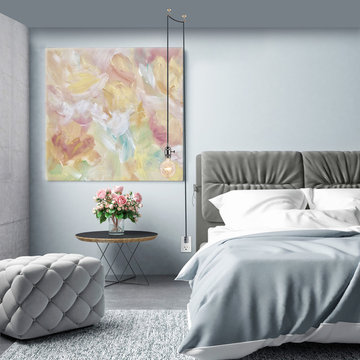
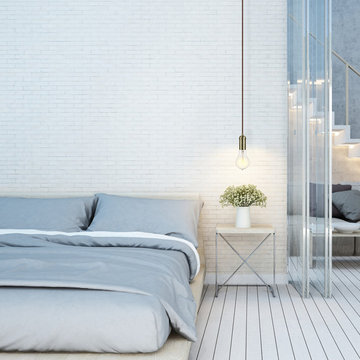
Add a touch of glamor to any room with Globe Electric's Crystalina Designer Light Bulb. The pointed edges allow the filament to sparkle giving it an old world look. Completely dimmable, you can create the perfect atmosphere anywhere you place the bulb. In the early days of electrical lighting, inventors such as Thomas Edison tested and retested as they searched for long-burning filaments. In 1890, the filament choice was carbonized cotton. Globe Electric’s bulbs have a tungsten filament, which is used to reproduce the single hairpin loop of a vintage design. Position it within a clear shade or exposed socket to enjoy its shape and ambient glow. This Edison inspired bulb is a Steampunk favorite with its glowing cage-shaped filament surrounding a central glass support. Crafted to preserve the look of early 20th-century lighting, Globe Electric's Incandescent designer CRYSTALINA 40w clear 120v medium base bulb is a great way to brighten up a room.
 Globe Electric
Globe Electric's Incandescent vintage designer 60W Vintage Edison A19 Quad Loop Incandescent Filament Light Bulb with E26 base. In the early days of electrical lighting, inventors such as Thomas Edison tested and retested as they searched for long-burning filaments. In 1890, the filament choice was carbonized cotton. Globe Electric’s bulbs have a tungsten filament, which is used to reproduce the single hairpin loop of a vintage design. Position it within a clear shade or exposed socket to enjoy its shape and ambient glow. This Edison inspired bulb is a Steampunk favorite with its glowing cage-shaped filament surrounding a central glass support. Crafted to preserve the look of early 20th-century lighting. Please note, these bulbs are not as bright as modern bulbs of the same wattage and are recommended for exposed socket fixtures. Glass has a goldish amber tint which can vary in degree from light to medium. These bulbs can be dimmed and have a lifespan of 3000 hours.
 M and K Construction and Development
www.modernhome1.com
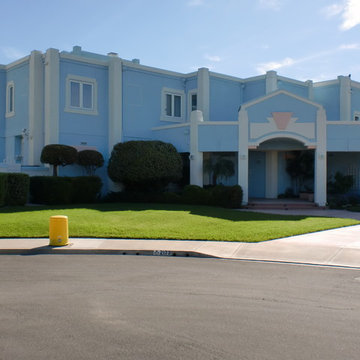
7500 square feet, 270 degree A+ airplane views 10 to 50 miles of a million lights and snow capped mountains in winter. 35 minutes to downtown LA, 45 minutes to Beverly Hills or Newport Beach, total privacy and security. 10, 12, and 25 foot ceilings, featured in several international magazines (again see www.modernhome1.com), owner, MIT grad and contractor and inventor, still lives in home after 20 years. (Will provide consultations even if you have architect and contractor, after all, how many contractors design and actually live in their dream homes after 20 years) (see also www.diamondipi.com)
 Couture Outdoor
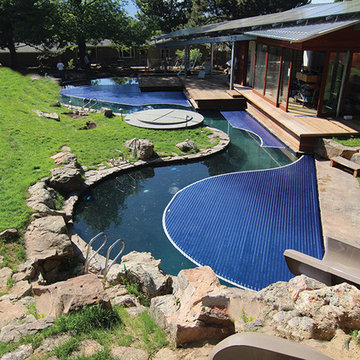
poolcovertech, award winner, rigid slat pool cover, clear slat, polycarbonate, INVENTOR of rigid automatic pool cover, child safety, energy efficiency, no track, no pump, COVERTECH, residential pool, commercial pool, hotel pool, Grando
 Couture Outdoor
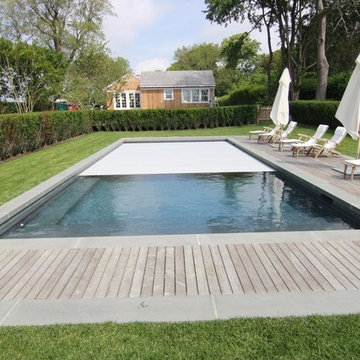
poolcovertech, award winner, rigid slat pool cover, clear slat, polycarbonate, INVENTOR of rigid automatic pool cover, child safety, energy efficiency, no track, no pump, COVERTECH, residential pool, commercial pool, hotel pool, Grando
 Globe Electric
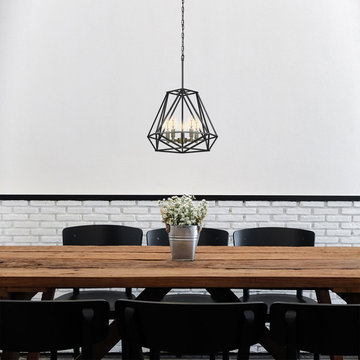
Globe Electric's 2.5W (40W equivalent) Vintage Candelabra LED Bulb. In the early days of electrical lighting, inventors such as Thomas Edison tested and retested as they searched for long-burning filaments. In 1890, the filament choice was carbonized cotton. Globe Electric’s bulbs have a tungsten filament, which is used to reproduce the single hairpin loop of a vintage design. Position it within a clear shade or exposed socket to enjoy its shape and ambient glow. This Edison inspired bulb is a Steampunk favorite with its glowing cage-shaped filament surrounding a central glass support. Crafted to preserve the look of early 20th-century lighting. Please note, these bulbs are not as bright as modern bulbs of the same wattage and are recommended for exposed socket fixtures. These bulbs can be dimmed.
 Globe Electric
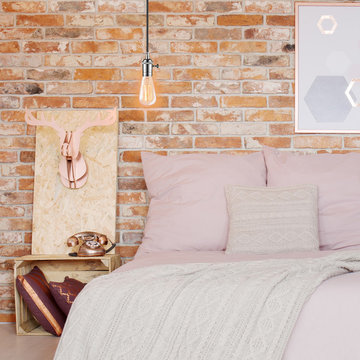
Globe Electric's Incandescent vintage designer 60W Vintage Edison S60 Squirrel Cage Incandescent Filament Light Bulb with E26 base. In the early days of electrical lighting, inventors such as Thomas Edison tested and retested as they searched for long-burning filaments. In 1890, the filament choice was carbonized cotton. Globe Electric’s bulbs have a tungsten filament, which is used to reproduce the single hairpin loop of a vintage design. Position it within a clear shade or exposed socket to enjoy its shape and ambient glow. This Edison inspired bulb is a Steampunk favorite with its glowing cage-shaped filament surrounding a central glass support. Crafted to preserve the look of early 20th-century lighting. Please note, these bulbs are not as bright as modern bulbs of the same wattage and are recommended for exposed socket fixtures. Glass has a goldish amber tint which can vary in degree from light to medium. These bulbs can be dimmed and have a lifespan of 3000 hours. Pack of 3 bulbs.
 Globe Electric
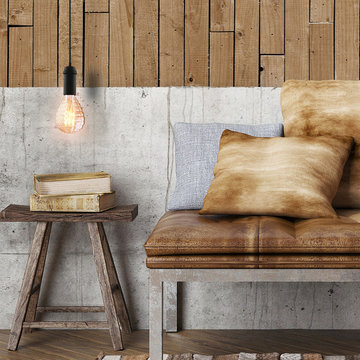
In the early days of electrical lighting, inventors such as Thomas Edison tested and retested as they searched for long-burning filaments. In 1890, the filament choice was carbonized cotton. Globe Electric’s bulbs have a tungsten filament, which is used to reproduce the single hairpin loop of a vintage design. The shapely Granada bulb is a prestigious accent for any décor. Simply position it within a clear shade or exposed socket to enjoy its shape and ambient glow. Create the perfect ambiance for any mood by dimming it to your desired strength. This Edison inspired bulb is a Steampunk favorite with its glowing cage-shaped filament surrounding a central glass support. Crafted to preserve the look of early 20th-century lighting, Globe Electric's Incandescent vintage designer GRANADA 40w amber finish 120v medium base bulb is the perfect way to brighten a room.
 Globe Electric
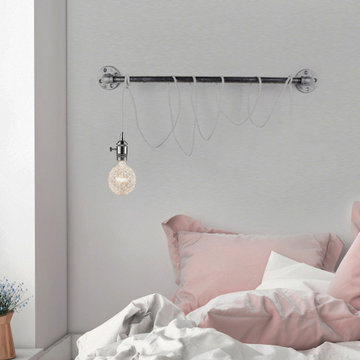
Add a touch of glamor to any room with Globe Electric's Crystalina Designer Light Bulb. The pointed edges allow the filament to sparkle giving it an old world look. Completely dimmable, you can create the perfect atmosphere anywhere you place the bulb. In the early days of electrical lighting, inventors such as Thomas Edison tested and retested as they searched for long-burning filaments. In 1890, the filament choice was carbonized cotton. Globe Electric’s bulbs have a tungsten filament, which is used to reproduce the single hairpin loop of a vintage design. Position it within a clear shade or exposed socket to enjoy its shape and ambient glow. This Edison inspired bulb is a Steampunk favorite with its glowing cage-shaped filament surrounding a central glass support. Crafted to preserve the look of early 20th-century lighting, Globe Electric's Incandescent designer CRYSTALINA 40w clear 120v medium base bulb is a great way to brighten up a room.
 Centoni Restoration & Development, Inc.
CLIENT GOALS
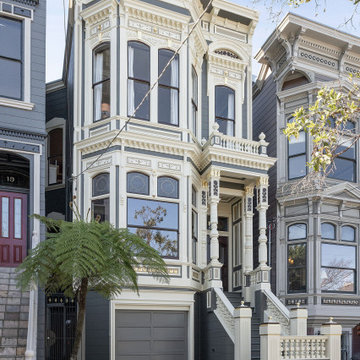
This spectacular Victorian was built in 1890 for Joseph Budde, an inventor, patent holder, and major manufacturer of the flush toilet. Through its more than 130-year life, this home evolved with the many incarnations of the Haight District. The most significant was the street modification that made way for the Haight Street railway line in the early 1920s. At that time, streets and sidewalks widened, causing the straight-line, two-story staircase to take a turn.
In the 1920s, stucco and terrazzo were considered modern and low-maintenance materials and were often used to replace the handmade residential carpentry that would have graced this spectacular staircase. Sometime during the 1990s, the entire entry door assembly was removed and replaced with another “modern” solution. Our clients challenged Centoni to recreate the original staircase and entry.
OUR DESIGN SOLUTION
Through a partnership with local artisans and support from San Francisco Historical Planners, team Centoni sourced information from the public library that included original photographs, writings on Cranston and Keenan, and the history of the Haight. Though no specific photo has yet to be sourced, we are confident the design choices are in the spirit of the original and are based on remnants of the original porch discovered under the 1920s stucco.
Through this journey, the staircase foundation was reengineered, the staircase designed and built, the original entry doors recreated, the stained glass transom created (including replication of the original hand-painted bird-theme rondels, many rotted decorated elements hand-carved, new and historic lighting installed, and a new iron handrail designed and fabricated.
 Globe Electric
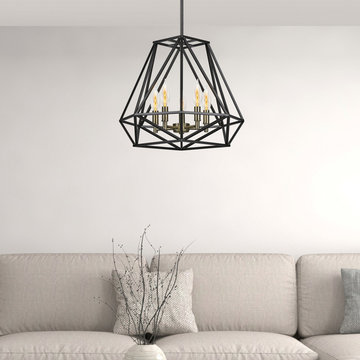
25 Watt Vintage Edison Flame Tip Incandescent Filament Candelabra Base Light Bulb, 20 Pack. In the early days of electrical lighting, inventors such as Thomas Edison tested and retested as they searched for long-burning filaments. In 1890, the filament choice was carbonized cotton. Globe Electric’s bulbs have a tungsten filament, which is used to reproduce the single hairpin loop of a vintage design. Position it within a clear shade or exposed socket to enjoy its shape and ambient glow. This Edison inspired bulb is a Steampunk favorite with its glowing cage-shaped filament surrounding a central glass support. Crafted to preserve the look of early 20th-century lighting. Please note, these bulbs are not as bright as modern bulbs of the same wattage and are recommended for exposed socket fixtures. Glass has a goldish amber tint which can vary in degree from light to medium. These bulbs can be dimmed and have a lifespan of 3000 hours.
 Globe Electric
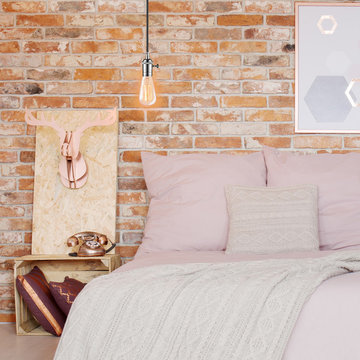
Globe Electric's Incandescent vintage designer 60W Vintage Edison S60 Squirrel Cage Incandescent Filament Light Bulb with E26 base. In the early days of electrical lighting, inventors such as Thomas Edison tested and retested as they searched for long-burning filaments. In 1890, the filament choice was carbonized cotton. Globe Electric’s bulbs have a tungsten filament, which is used to reproduce the single hairpin loop of a vintage design. Position it within a clear shade or exposed socket to enjoy its shape and ambient glow. This Edison inspired bulb is a Steampunk favorite with its glowing cage-shaped filament surrounding a central glass support. Crafted to preserve the look of early 20th-century lighting. Please note, these bulbs are not as bright as modern bulbs of the same wattage and are recommended for exposed socket fixtures. Glass has a goldish amber tint which can vary in degree from light to medium. These bulbs can be dimmed and have a lifespan of 3000 hours. Pack of 3 bulbs.
 Robert Miller FAIA Architects
The Council Crest Residence is a renovation and addition to an early 1950s house built for inventor Karl Kurz, whose work included stereoscopic cameras and projectors. Designed by prominent local architect Roscoe Hemenway, the house was built with a traditional ranch exterior and a mid-century modern interior. It became known as “The View-Master House,” alluding to both the inventions of its owner and the dramatic view through the glass entry.
Approached from a small neighborhood park, the home was re-clad maintaining its welcoming scale, with privacy obtained through thoughtful placement of translucent glass, clerestory windows, and a stone screen wall. The original entry was maintained as a glass aperture, a threshold between the quiet residential neighborhood and the dramatic view over the city of Portland and landscape beyond. At the south terrace, an outdoor fireplace is integrated into the stone wall providing a comfortable space for the family and their guests.
Within the existing footprint, the main floor living spaces were completely remodeled. Raised ceilings and new windows create open, light filled spaces. An upper floor was added within the original profile creating a master suite, study, and south facing deck. Space flows freely around a central core while continuous clerestory windows reinforce the sense of openness and expansion as the roof and wall planes extend to the exterior.
Images By: Jeremy Bitterman, Photoraphy Portland OR
 Couture Outdoor
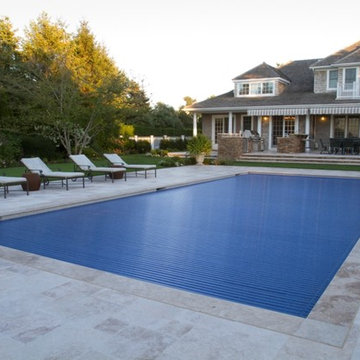
poolcovertech, award winner, rigid slat pool cover, clear slat, polycarbonate, INVENTOR of rigid automatic pool cover, child safety, energy efficiency, no track, no pump, COVERTECH, residential pool, commercial pool, hotel pool, Grando
 Centoni Restoration & Development, Inc.
CLIENT GOALS
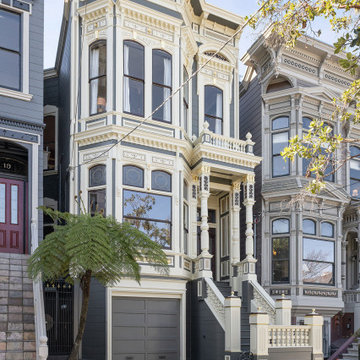
This spectacular Victorian was built in 1890 for Joseph Budde, an inventor, patent holder, and major manufacturer of the flush toilet. Through its more than 130-year life, this home evolved with the many incarnations of the Haight District. The most significant was the street modification that made way for the Haight Street railway line in the early 1920s. At that time, streets and sidewalks widened, causing the straight-line, two-story staircase to take a turn.
In the 1920s, stucco and terrazzo were considered modern and low-maintenance materials and were often used to replace the handmade residential carpentry that would have graced this spectacular staircase. Sometime during the 1990s, the entire entry door assembly was removed and replaced with another “modern” solution. Our clients challenged Centoni to recreate the original staircase and entry.
OUR DESIGN SOLUTION
Through a partnership with local artisans and support from San Francisco Historical Planners, team Centoni sourced information from the public library that included original photographs, writings on Cranston and Keenan, and the history of the Haight. Though no specific photo has yet to be sourced, we are confident the design choices are in the spirit of the original and are based on remnants of the original porch discovered under the 1920s stucco.
Through this journey, the staircase foundation was reengineered, the staircase designed and built, the original entry doors recreated, the stained glass transom created (including replication of the original hand-painted bird-theme rondels, many rotted decorated elements hand-carved, new and historic lighting installed, and a new iron handrail designed and fabricated.
 Centoni Restoration & Development, Inc.
CLIENT GOALS
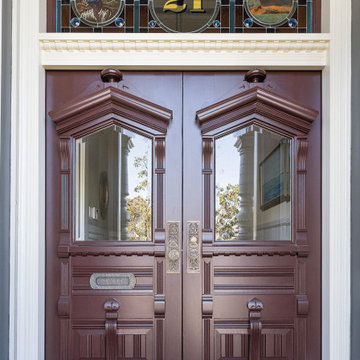
This spectacular Victorian was built in 1890 for Joseph Budde, an inventor, patent holder, and major manufacturer of the flush toilet. Through its more than 130-year life, this home evolved with the many incarnations of the Haight District. The most significant was the street modification that made way for the Haight Street railway line in the early 1920s. At that time, streets and sidewalks widened, causing the straight-line, two-story staircase to take a turn.
In the 1920s, stucco and terrazzo were considered modern and low-maintenance materials and were often used to replace the handmade residential carpentry that would have graced this spectacular staircase. Sometime during the 1990s, the entire entry door assembly was removed and replaced with another “modern” solution. Our clients challenged Centoni to recreate the original staircase and entry.
OUR DESIGN SOLUTION
Through a partnership with local artisans and support from San Francisco Historical Planners, team Centoni sourced information from the public library that included original photographs, writings on Cranston and Keenan, and the history of the Haight. Though no specific photo has yet to be sourced, we are confident the design choices are in the spirit of the original and are based on remnants of the original porch discovered under the 1920s stucco.
Through this journey, the staircase foundation was reengineered, the staircase designed and built, the original entry doors recreated, the stained glass transom created (including replication of the original hand-painted bird-theme rondels, many rotted decorated elements hand-carved, new and historic lighting installed, and a new iron handrail designed and fabricated.
 Centoni Restoration & Development, Inc.
CLIENT GOALS
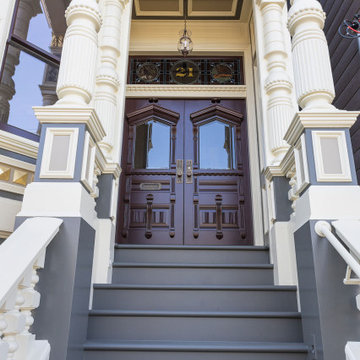
This spectacular Victorian was built in 1890 for Joseph Budde, an inventor, patent holder, and major manufacturer of the flush toilet. Through its more than 130-year life, this home evolved with the many incarnations of the Haight District. The most significant was the street modification that made way for the Haight Street railway line in the early 1920s. At that time, streets and sidewalks widened, causing the straight-line, two-story staircase to take a turn.
In the 1920s, stucco and terrazzo were considered modern and low-maintenance materials and were often used to replace the handmade residential carpentry that would have graced this spectacular staircase. Sometime during the 1990s, the entire entry door assembly was removed and replaced with another “modern” solution. Our clients challenged Centoni to recreate the original staircase and entry.
OUR DESIGN SOLUTION
Through a partnership with local artisans and support from San Francisco Historical Planners, team Centoni sourced information from the public library that included original photographs, writings on Cranston and Keenan, and the history of the Haight. Though no specific photo has yet to be sourced, we are confident the design choices are in the spirit of the original and are based on remnants of the original porch discovered under the 1920s stucco.
Through this journey, the staircase foundation was reengineered, the staircase designed and built, the original entry doors recreated, the stained glass transom created (including replication of the original hand-painted bird-theme rondels, many rotted decorated elements hand-carved, new and historic lighting installed, and a new iron handrail designed and fabricated.
2