
Search results for "Key tips" in Home Design Ideas
 safe ZOnea
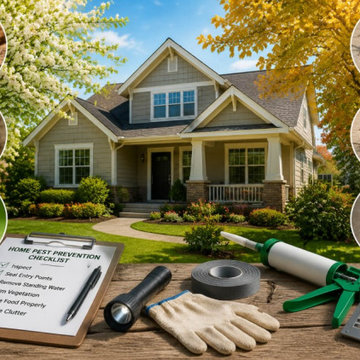
Maintaining a pest-free home requires attention throughout the year. Seasonal changes affect pest behavior, and understanding these patterns can save homeowners from costly damage and health hazards. In this guide, we will explore practical strategies for spring pest prevention tips, ensuring your property stays protected through every season. From spotting early signs to implementing proactive measures, these steps empower homeowners to take control before infestations occur.
Understanding Seasonal Pest Patterns
Pests adapt to changing weather, and knowing their patterns helps prevent infestations effectively.
Spring: Awakening Pests
Spring signals the end of winter dormancy for many pests. Rodents, ants, and termites start seeking food and warmth. Effective spring pest prevention tips include:
● Cleaning gutters and removing debris
● Sealing cracks and gaps in exterior walls
● Inspecting wood piles and compost areas
● Monitoring early signs of termite activity
Pro Tip: Conduct a termite inspection or a professional evaluation to catch infestations early before they spread.
Summer: Peak Pest Season
Warm temperatures accelerate pest breeding cycles. For a comprehensive summer pest prevention guide:
● Maintain lawns and trim vegetation away from homes
● Check window and door screens for tears
● Store food in sealed containers
● Inspect water sources that attract mosquitoes
Do You Know? Mosquitoes can lay eggs in a teaspoon of water. Eliminating stagnant water is crucial to reducing their population.
Fall: Preparing for Winter
As temperatures drop, pests search for warm indoor spaces. Key actions include:
● Inspecting for winter rodent entry points
● Sealing attic vents, crawl spaces, and foundation gaps
● Cleaning storage areas to minimize hiding spots
● Checking chimney and fireplace openings
Quick Fact: Rodents can enter homes through openings as small as ¼ inch.
Seasonal Pest Checklist for Homeowners
Creating a structured seasonal pest checklist simplifies preventive measures and ensures nothing is overlooked.
Season
Key Actions
Spring
Inspect for termites, seal exterior gaps, clean gutters, and check compost
Summer
Repair screens, trim vegetation, remove standing water, and secure food
Fall
Seal entry points, inspect attic/crawlspace, clear debris, and prepare storage
Winter
Monitor indoor activity, keep firewood away from walls, and maintain traps
Inspection & Maintenance Tips
● Schedule annual pest inspections by professional Virginia pest control consultation to detect hidden problems
● Keep a log of pest sightings and treatment dates
● Regularly replace weather stripping and caulk cracks
Note: Even small preventive steps, when consistently applied, drastically reduce infestations.
Common Pests and Their Seasonal Behaviors
Understanding how different pests behave each season helps homeowners take timely action to protect their property.
● Ants and Termites: Ants emerge in spring seeking food, while termites become active and can damage wood unnoticed. Early detection is critical.
● Rodents and Mice: Fall and winter increase rodent intrusions. Block all entry points and keep food sealed.
● Mosquitoes and Flies: Summer creates the ideal breeding environment for mosquitoes. Eliminate standing water and use physical barriers like nets.
● Spiders and Other Insects: Seasonal shifts cause spiders to move indoors. Regular vacuuming and decluttering reduce hiding spots.
Eco-Friendly Prevention Methods
● Use natural repellents like peppermint oil or diatomaceous earth
● Encourage beneficial insects, such as ladybugs, to reduce pest populations
● Plant pest-deterring plants near home boundaries, like marigolds or lavender
Integrated Pest Management (IPM)
Adopt an IPM approach by combining physical barriers, monitoring, and environmentally safe treatments. This minimizes chemical use while maintaining a pest-free home.
Quote: “Prevention is the most effective form of pest control.” – National Pest Management Association
Seasonal Pest Prevention Tools
● Snap traps and humane rodent traps
● Sticky traps for insects
● Outdoor perimeter sprays (eco-friendly)
● Moisture meters to detect early termite or mold problems
Pro Tip: Keep tools organized and accessible to act quickly when pest activity is noticed.
Planning: Annual Pest Calendar
Month
Recommended Action
March-April
Spring pest prevention tips: Inspect, seal, clean gutters
June-July
Summer pest prevention guide: Screens, standing water, food storage
September
Seasonal pest checklist: Seal entries, declutter, prep storage
November
Winter rodent entry points: Monitor indoors, maintain traps
Key Takeaways
● Seasonal awareness prevents infestations and property damage
● Consistent inspections and maintenance are essential
● Simple eco-friendly measures can significantly reduce pests
● Use a structured checklist and calendar for effective prevention
Conclusion
Homeowners who stay proactive and follow spring pest prevention tips, along with year-round monitoring, ensure their properties remain safe and comfortable. Using a summer pest prevention guide, checking winter rodent entry points, and maintaining a seasonal pest checklist ensure your home remains safe and comfortable. Remember to combine inspections, physical barriers, and environmentally friendly methods for the best results.
FAQs
Q1: How often should I perform a termite inspection?
A1: Conduct inspections annually, especially in spring, to detect early signs of termite activity and prevent extensive damage.
Q2: Can pests enter my home during winter?
A2: Yes, rodents and insects seek warmth and shelter indoors. Sealing entry points and monitoring for activity is crucial.
Q3: What is the most effective eco-friendly method for pest prevention?
A3: Using natural repellents, encouraging beneficial insects, and eliminating water sources effectively reduces pest populations without chemicals.
Ensure your home is ready for every season. Schedule a professional Virginia pest control consultation or a termite inspection in Suffolk, VA, today and stay ahead of potential infestations.
 LEDVANS
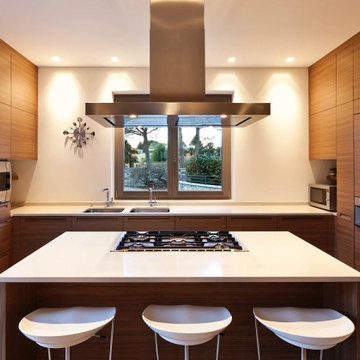
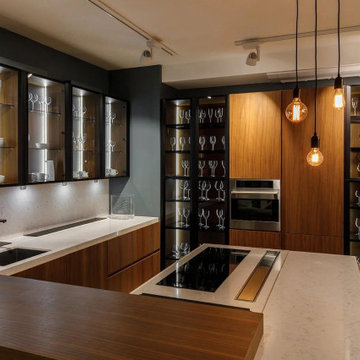
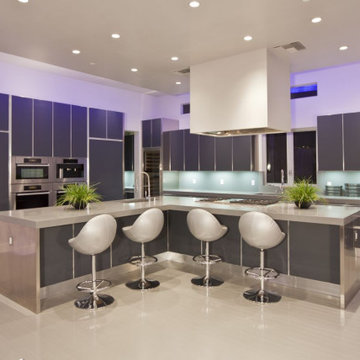
Proper lighting layout can enhance the illumination effect, create a comfortable working environment, and improve the overall aesthetics of the kitchen. Here are some key points and practical tips for installing kitchen lighting.
 LEDVANS
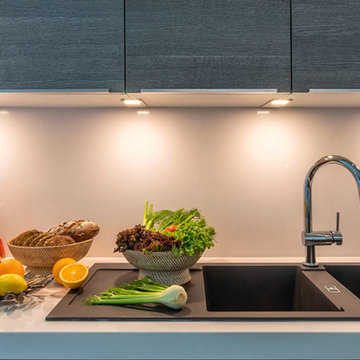
Determine the lighting layout. Before installing the fixtures, it is necessary to determine the layout of the lighting. Generally, installing fixtures above, below, and on the sides of cabinets can achieve better illumination. If the kitchen space is small, consider installing lights above the walls. Additionally, consider the lighting coverage and quantity to ensure optimal illumination for the entire kitchen.
Find the right local pro for your project
 studiomoffitt.com
Architect: Studio Moffitt
Photography by Gabriel Li
Contemporary exterior home idea in Other
Contemporary exterior home idea in Other
 M tech
Creating a Dream Kitchen: Where Beauty Meets Functionality
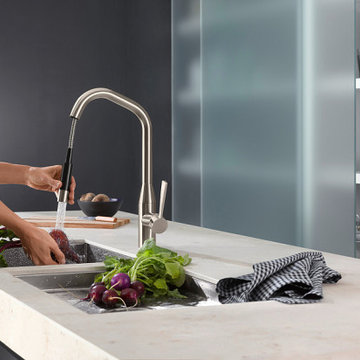
The kitchen is the heart of every modern home. Today, kitchen design goes beyond just cabinet layouts and color schemes—it’s about optimizing space and ensuring high-performance functionality. One often overlooked yet crucial element is a well-designed plumbing system, which can dramatically enhance both the aesthetics and efficiency of your space.
Hidden Plumbing: The Secret to Sleek, Modern Designs
Leading interior designers in Phoenix, Arizona, emphasize that a professional plumbing system can make a significant difference in a kitchen’s final look. Companies like APS Plumbing, with their expertise in concealed plumbing installations, help architects and homeowners achieve that flawless, minimalist design.
5 Key Plumbing Tips for an Efficient Kitchen:
Smart Placement – Strategically position faucets and drainage points to enhance both aesthetics and daily usability.
High-Quality Materials – Invest in durable pipes and fittings to minimize frequent repairs.
Professional Insulation – Prevent energy loss and reduce unwanted noise with proper pipe insulation.
Easy Access – Design the system so future repairs don’t require extensive demolition.
Appliance Compatibility – Ensure plumbing aligns with modern appliances like side-by-side refrigerators and advanced dishwashers.
Choosing the Right Professional
As seen in high-end design projects, working with experienced plumbing teams like APS Plumbing—who understand modern design needs—can prevent costly future issues. Their free pre-installation consultations help homeowners and designers choose the best solutions for combining beauty and functionality.
Final Thoughts
A truly modern kitchen achieves perfection by paying attention to every technical detail. Investing in a professional plumbing system not only increases your home’s value but also enhances everyday cooking and living experiences. For your next project, consult experts who combine technical knowledge with a strong sense of aesthetics.
The kitchen is the heart of every modern home. Today, kitchen design goes beyond just cabinet layouts and color schemes—it’s about optimizing space and ensuring high-performance functionality. One often overlooked yet crucial element is a well-designed plumbing system, which can dramatically enhance both the aesthetics and efficiency of your space.
Hidden Plumbing: The Secret to Sleek, Modern Designs
Leading interior designers in Phoenix, Arizona, emphasize that a professional plumbing system can make a significant difference in a kitchen’s final look. Companies like APS Plumbing, with their expertise in concealed plumbing installations, help architects and homeowners achieve that flawless, minimalist design.
5 Key Plumbing Tips for an Efficient Kitchen:
Smart Placement – Strategically position faucets and drainage points to enhance both aesthetics and daily usability.
High-Quality Materials – Invest in durable pipes and fittings to minimize frequent repairs.
Professional Insulation – Prevent energy loss and reduce unwanted noise with proper pipe insulation.
Easy Access – Design the system so future repairs don’t require extensive demolition.
Appliance Compatibility – Ensure plumbing aligns with modern appliances like side-by-side refrigerators and advanced dishwashers.
Choosing the Right Professional
As seen in high-end design projects, working with experienced plumbing teams like APS Plumbing—who understand modern design needs—can prevent costly future issues. Their free pre-installation consultations help homeowners and designers choose the best solutions for combining beauty and functionality.
Final Thoughts
A truly modern kitchen achieves perfection by paying attention to every technical detail. Investing in a professional plumbing system not only increases your home’s value but also enhances everyday cooking and living experiences. For your next project, consult experts who combine technical knowledge with a strong sense of aesthetics.
 LEDVANS
Choose suitable light fixtures. Different types of kitchen lighting have different characteristics and applications. Generally, downlights, ceiling lights, and LED light strips are commonly used fixtures. When choosing light fixtures, consider factors such as brightness, color temperature, and decor style to find suitable options.

 MASSIMO interiors
Stu Morley
Example of a huge eclectic master carpeted and brown floor bedroom design in Melbourne with multicolored walls and no fireplace
Example of a huge eclectic master carpeted and brown floor bedroom design in Melbourne with multicolored walls and no fireplace
 Haven & Co.
D&M Images
Example of an urban gender-neutral laminate floor and brown floor walk-in closet design in Other with flat-panel cabinets and medium tone wood cabinets
Example of an urban gender-neutral laminate floor and brown floor walk-in closet design in Other with flat-panel cabinets and medium tone wood cabinets
 Carriage Lane Design-Build Inc.
Photography: Stephani Buchman
Floral: Bluebird Event Design
Example of a large transitional women's dark wood floor dressing room design in Toronto with white cabinets and recessed-panel cabinets
Example of a large transitional women's dark wood floor dressing room design in Toronto with white cabinets and recessed-panel cabinets

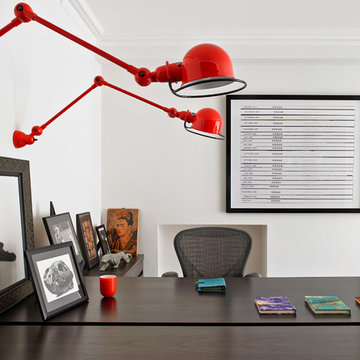
 Nick Smith www.nsphotography.co.uk
photographer Nick Smith
www.nsphotography.co.uk
designer : Fatima Fernandez
Example of a trendy study room design in London with white walls
Example of a trendy study room design in London with white walls
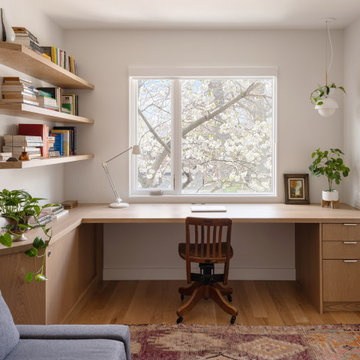
 Wanda Ely Architect Inc.
On the second floor, the main office space takes advantage of beautiful west light. In the spring, the cherry tree outside bursts into bloom, creating a soft, ethereal view. Faceted floating shelves and a built-in desk provide storage and negotiate the transition space between the old house and the new addition.
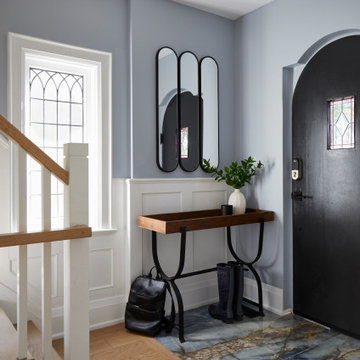

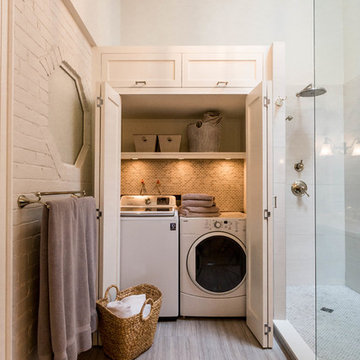
 Two Birds Design
Rob Nelson
Mid-sized transitional beige tile and porcelain tile gray floor and porcelain tile bathroom photo in Toronto with shaker cabinets, black cabinets, a one-piece toilet, an undermount sink, onyx countertops and gray walls
Mid-sized transitional beige tile and porcelain tile gray floor and porcelain tile bathroom photo in Toronto with shaker cabinets, black cabinets, a one-piece toilet, an undermount sink, onyx countertops and gray walls
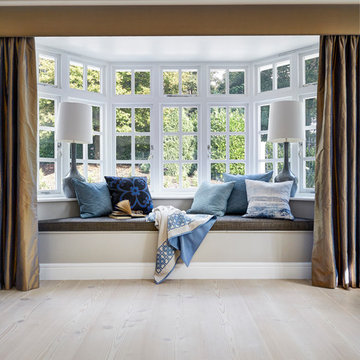
 Sigmar
Bay window seat in the living room
Living room - contemporary light wood floor living room idea in London
Living room - contemporary light wood floor living room idea in London
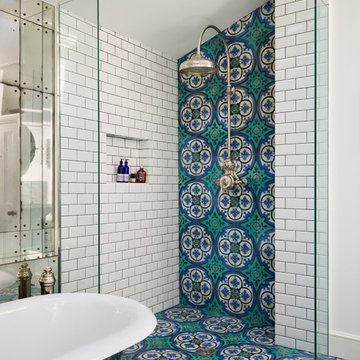
 Rustico Tile & Stone
Philadelphia Encaustic-style Cement Tile - custom made and provided by Rustico Tile and Stone. Wholesale prices and worldwide shipping for Cement Tiles.
Rustico Tile and Stone offers 2 types of this Concrete Tile. Our MeaLu Collection features this specific tile and other in-stock, ready-to-ship Cement tiles. Or customize your tile with designs from our Traditional Collection.
Learn more by calling or emailing us today! (512) 260-9111 / info@rusticotile.com
Bathroom design and installation completed by Drummonds UK - "Makers of Bathrooms"
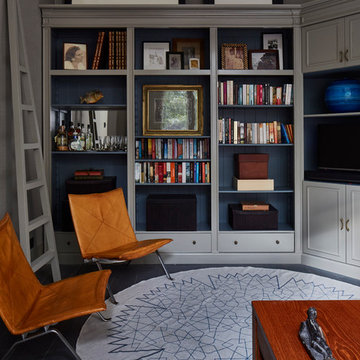 Sigmar
A built-in bookshelf was added for the owners extensive book collection as well as decorative items. The shelf is painted in to match the wallpaper to tie the room together. The modernist lounge chairs by Poul Kjærholm create a nice contrast to the traditional bookshelf. The area rug is a bespoke design by Sigmar.
Photography by: Petr Krejci
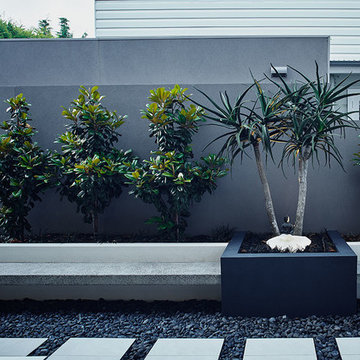
 Space Landscape Designs
Built in bench seat created out of formed concrete and raised garden beds.
Photo of a contemporary side yard stone garden path in Sydney.
Photo of a contemporary side yard stone garden path in Sydney.
 LEDVANS
Consider brightness and color temperature. Brightness and color temperature are vital for the comfort and lighting effect in the kitchen. Generally, kitchen lighting should have a brightness between 500-1000 lumens and a color temperature between 4000K-5000K for optimal illumination. Personal preferences and needs should also be considered when selecting the brightness and color temperature of the fixtures.
 Affecting Spaces Design Studio
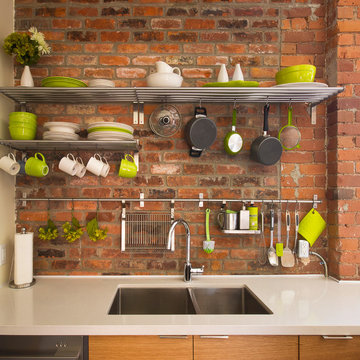
This modern kitchen maintains it's industrial feel by having the exposed brick as its backdrop. The warm honey tones of the white oak, mixed with the stainless steel appliances and white quartz creates a perfect space to showcase the original charm of this space. The accessory rails allow for storage, without covering up the amazing brick wall.
9