
Search results for "Mineral" in Home Design Ideas
 Rocky Tops Granite & Marble LLC
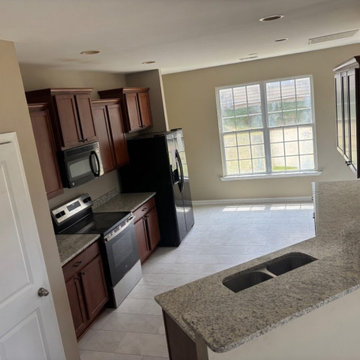
Dallas White granite is a good, honest choice for a kitchen that gets used every day. It's a granite with a light gray to white background and darker gray and black mineral flecks scattered through it, sometimes with a little movement in the pattern. It reads clean and bright in a kitchen without being flat or plain, and it works with just about any cabinet color you put it next to.
Granite is one of the hardest natural stones we fabricate, and that's what makes it a smart pick for a room where people actually cook. It shrugs off heat from a hot pan set down without thinking, it resists scratching from knives and everyday kitchen traffic, and it holds up to the daily wear a kitchen counter takes better than almost anything else we install. It does need to be sealed, and we take care of that at install so it's protected against staining from day one.
Getting a granite kitchen right comes down to the template and the layout at the shop. We lay out the slabs so the pattern falls where it should across the counters, keep seams tight where two pieces meet, and cut the openings for the sink and cooktop clean and square. The edge on this one is eased, a simple, smooth-rounded edge that's easy to keep clean and doesn't chip the way a sharp edge can over time.
This kitchen is in Lexington, part of the work we do across the Midlands where granite still holds up as one of the best all-around choices for a working kitchen. Dallas White gives the room a bright, durable surface that's going to look right for a long time, and it does the job every day without asking for much back.
 Rocky Tops Granite & Marble LLC
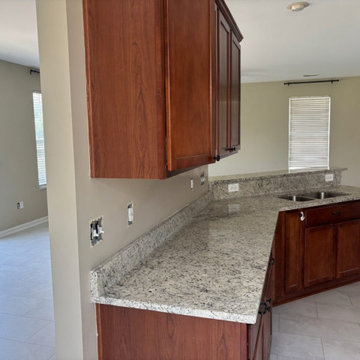
Dallas White granite is a good, honest choice for a kitchen that gets used every day. It's a granite with a light gray to white background and darker gray and black mineral flecks scattered through it, sometimes with a little movement in the pattern. It reads clean and bright in a kitchen without being flat or plain, and it works with just about any cabinet color you put it next to.
Granite is one of the hardest natural stones we fabricate, and that's what makes it a smart pick for a room where people actually cook. It shrugs off heat from a hot pan set down without thinking, it resists scratching from knives and everyday kitchen traffic, and it holds up to the daily wear a kitchen counter takes better than almost anything else we install. It does need to be sealed, and we take care of that at install so it's protected against staining from day one.
Getting a granite kitchen right comes down to the template and the layout at the shop. We lay out the slabs so the pattern falls where it should across the counters, keep seams tight where two pieces meet, and cut the openings for the sink and cooktop clean and square. The edge on this one is eased, a simple, smooth-rounded edge that's easy to keep clean and doesn't chip the way a sharp edge can over time.
This kitchen is in Lexington, part of the work we do across the Midlands where granite still holds up as one of the best all-around choices for a working kitchen. Dallas White gives the room a bright, durable surface that's going to look right for a long time, and it does the job every day without asking for much back.
 Rocky Tops Granite & Marble LLC
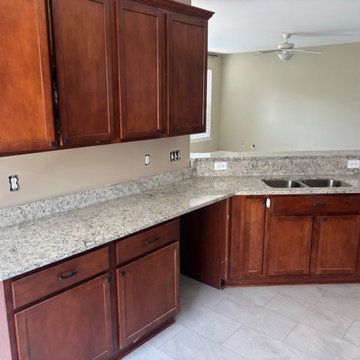
Dallas White granite is a good, honest choice for a kitchen that gets used every day. It's a granite with a light gray to white background and darker gray and black mineral flecks scattered through it, sometimes with a little movement in the pattern. It reads clean and bright in a kitchen without being flat or plain, and it works with just about any cabinet color you put it next to.
Granite is one of the hardest natural stones we fabricate, and that's what makes it a smart pick for a room where people actually cook. It shrugs off heat from a hot pan set down without thinking, it resists scratching from knives and everyday kitchen traffic, and it holds up to the daily wear a kitchen counter takes better than almost anything else we install. It does need to be sealed, and we take care of that at install so it's protected against staining from day one.
Getting a granite kitchen right comes down to the template and the layout at the shop. We lay out the slabs so the pattern falls where it should across the counters, keep seams tight where two pieces meet, and cut the openings for the sink and cooktop clean and square. The edge on this one is eased, a simple, smooth-rounded edge that's easy to keep clean and doesn't chip the way a sharp edge can over time.
This kitchen is in Lexington, part of the work we do across the Midlands where granite still holds up as one of the best all-around choices for a working kitchen. Dallas White gives the room a bright, durable surface that's going to look right for a long time, and it does the job every day without asking for much back.
Find the right local pro for your project



 Granite Grannies Hethmon
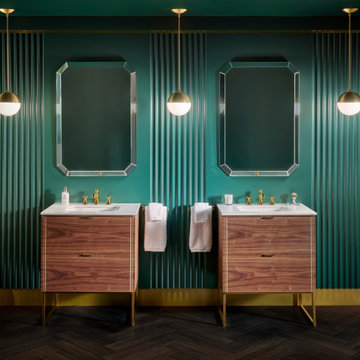
This rustic lodge sits on 80 acres of beautiful Southern Maryland woods and farmland. The homeowners wanted to use one spectacular stone throughout the entire home, so we helped them choose a Brazilian Saturnia Granite with a leathered finish. For this project, we used eleven slabs of this unique granite with flecks of silver mica and cosmic swirls of translucent quartz.

 Integrity Tree Care & Grounds Maintenance
Facts About ButterfliesDifferent Types Of Butterflies And Butterfly Facts
Natural butterfly habitats have been destroyed or affected by construction of housing and shopping developments, as well as by the use of pesticides and other chemicals. You can provide a suitable butterfly habitat that will help fortify the butterfly population, and as an added bonus, the habitat will bring you enjoyment in watching beautiful butterflies in your yard.
The butterfly habitat should be relatively sunny (5-6 hours per day) and out of the wind. Butterflies can get their required nutrients and minerals from a mud puddle in a sunny area. A successful butterfly habitat will contain the plants favored by both caterpillars and butterflies. This means that you should include plants like Queen Anne’s Lace, violets, marigolds, and maybe even milkweed for the caterpillars to eat, since they are able to chew their food. In particular, monarch caterpillars eat milkweed because it makes them an unpleasant-tasting meal to predators. For the butterflies, which are able to suck and are unable to chew, you should include nectar plants with different colors of flowers, such as zinnias, lilacs, and the butterfly bush.
Butterfly habitats should last all summer, meaning that you should select plants that bloom at different times so that something is always blooming. You might be able to take inspiration in your planting selections from a butterfly garden or inside a butterfly house if you are lucky to live close enough to one of these carefully planned attractions. Often, landscapers and nursery employees will be able to advise you as to what possible additions to your butterfly habitat will grow well in your area.
Copyright © Facts About Butterflies | All Rights Reserved.
Content provided and copywritten by http://factsaboutbutterflies.net

 Focal Point Hardware
This Brizo Kitchen Faucet Features:
Finish: Stainless
Length: 11.5
Height: 15.91
Width: 6.53
SmartTouch Technology with TempID – tap on/off functionality with temperature indicating LED light
MagneDock Technology – magnetic docking system
Diamond Seal Technology
Euro-motion Diamond Valve with InnoFlex waterways
Touch-Clean nozzles – swipe away mineral deposits
Two-button, four-function wand: spray, stream, volume control and pause
1-hole installation
Spout swivels 360°
Accommodates up to 3" deck thickness
Comes with standard fittings
Optional A/C adapter EP73954
Maximum 1.8 gpm @ 60 PSI, 6.8 L/Min @ 414 kPa
One, two, three, or four hole mount(escutcheon optional)
Control mechanism shall be full-motion valve cartridge
Rotating spout
Red/blue indicator markings
Four-function wand; Aerated stream, full spray, volume control, and pause (64003LF)
Two-function wand; Aerated stream and full spray(64903LF)
Dual integral check valves in sprayer
LED indicator light signals on-off, water temperature and when batteries run low
Uses 6 AA (included) or 6 C (optional) batteries
Optional (EP73954) 120V AC adapter available(3 prong grounded outlet required)
Quick connect hoses
Note: See 63903LF-* for matching bar/prep
 Tile Doctor Ltd
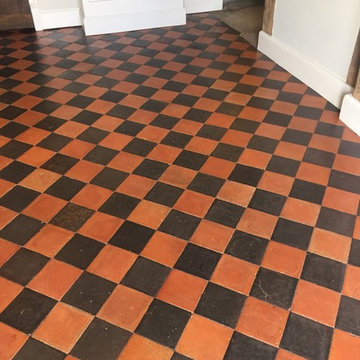
Sometimes it isn’t until you’ve deep cleaned your tiles that you realise just how dirty they were to begin with. This was the case with my customer in Thame, in the south of Oxfordshire where I worked on a classic red and black Quarry tiled floor which was far from being in its best condition.
My starting point in the cleaning process was to mix a strong solution of Tile Doctor Pro Clean, which is the reliable, multi-purpose alkaline cleaner that is safe to use on tile, stone and grout. The solution was left to soak into the tiles for ten minutes before being scrubbed into the floor with a rotary floor machine fitted with a stiff brush.
Following this, I rinsed the floor with clean water and then proceeded to wash it with Tile Doctor Grout Clean Up. This is a concentrated phosphoric acid cleaner designed to remove efflorescence and other mineral deposits such as grout smears.
Finally, I rinsed the tiles again with water and Tile Doctor Neutral Tile Cleaner, which is a pH neutral solution, to neutralise the chemicals and leave the floor fresh and clean, ready to be sealed. The floor was left to dry overnight.
The next day I returned to seal the floor after checking the tiles were dry. I opted to use two different sealers. The first was Tile Doctor Colour Grow, which is an impregnating sealer with the added effect of enhancing the natural colour in the stone. The second was Tile Doctor Seal & Go, a topical sealer that adds the high quality, durable sheen finish to the floor that the customer had requested.
I took the photograph below after sealing half the floor, it really shows the difference a sealer can make to a tiled floor.
Here’s the photo of theQuarry tiled floorafter sealing the whole floor. As you can see, they now have a new lease of life, and they’ll be much easier for the customer to keep looking great in the future.
Barry Woodward
Oxfordshire Tile Doctor

 User
Morningside Architects, LLP
Contractor: Lawrence Martinez
Photographer: Timothy Schorre
Mid-sized elegant open concept concrete floor living room photo in Albuquerque with a corner fireplace, a plaster fireplace and no tv
Mid-sized elegant open concept concrete floor living room photo in Albuquerque with a corner fireplace, a plaster fireplace and no tv

 Dwell With Dignity
Lance Selgo of Unique Exposure Photography
Small transitional formal medium tone wood floor living room photo in Dallas with a wall-mounted tv and beige walls
Small transitional formal medium tone wood floor living room photo in Dallas with a wall-mounted tv and beige walls
 Summit Design Build LLC
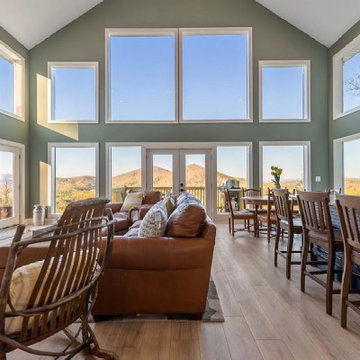
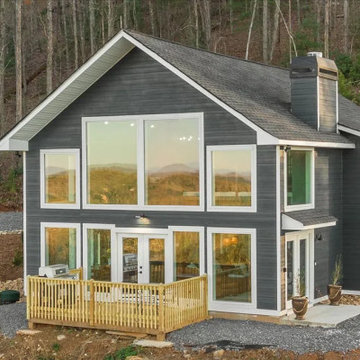
This stunning luxury cabin boasts breathtaking long-range mountain views and offers the perfect escape for those seeking the ultimate mountain getaway. With 3 bedrooms and 2 bathrooms, this 1600 square foot cabin offers a spacious and elegant retreat for families, couples, or groups of friends. The cabin is thoughtfully designed for maximum efficiency and features high-quality finishes and luxurious amenities throughout.
As you step inside, you'll be greeted by an open and airy living area with soaring ceilings and large windows that showcase the magnificent mountain views. The cozy living room offers a welcoming space to gather and relax, complete with a stone fireplace and comfortable seating. The fully-equipped gourmet kitchen features high-end appliances and granite countertops, making it the perfect place to prepare meals and entertain guests.
The bedrooms are beautifully appointed and offer plush bedding for a restful night's sleep. The cabin also features two elegantly designed bathrooms with modern fixtures and finishes, ensuring a luxurious and comfortable experience for all guests.
Outside, the cabin offers ample outdoor living space, including a spacious deck perfect for soaking up the stunning mountain views. The cabin is designed with energy efficiency in mind and features modern insulation, windows, and HVAC systems, ensuring a comfortable and eco-friendly stay.
Whether you're seeking a romantic getaway or a family vacation, this luxurious long-range mountain view cabin offers the perfect blend of elegance and efficiency, making it the ultimate retreat for those seeking an unforgettable mountain escape.
 Integrity Tree Care & Grounds Maintenance
Facts About ButterfliesDifferent Types Of Butterflies And Butterfly Facts
Natural butterfly habitats have been destroyed or affected by construction of housing and shopping developments, as well as by the use of pesticides and other chemicals. You can provide a suitable butterfly habitat that will help fortify the butterfly population, and as an added bonus, the habitat will bring you enjoyment in watching beautiful butterflies in your yard.
The butterfly habitat should be relatively sunny (5-6 hours per day) and out of the wind. Butterflies can get their required nutrients and minerals from a mud puddle in a sunny area. A successful butterfly habitat will contain the plants favored by both caterpillars and butterflies. This means that you should include plants like Queen Anne’s Lace, violets, marigolds, and maybe even milkweed for the caterpillars to eat, since they are able to chew their food. In particular, monarch caterpillars eat milkweed because it makes them an unpleasant-tasting meal to predators. For the butterflies, which are able to suck and are unable to chew, you should include nectar plants with different colors of flowers, such as zinnias, lilacs, and the butterfly bush.
Butterfly habitats should last all summer, meaning that you should select plants that bloom at different times so that something is always blooming. You might be able to take inspiration in your planting selections from a butterfly garden or inside a butterfly house if you are lucky to live close enough to one of these carefully planned attractions. Often, landscapers and nursery employees will be able to advise you as to what possible additions to your butterfly habitat will grow well in your area.
Copyright © Facts About Butterflies | All Rights Reserved.
Content provided and copywritten by http://factsaboutbutterflies.net


 Fantastic Floors
Cascade Mountain, made from the truly unique, visually stunning species called Kupay, provides an abundance of natural color variation that is sure to bring a whole new character to any home. This beautiful natural variation gives each color a whole different life with its light sapwood boards as the canvas married up with a natural dark to black mineral as randomly dispersed as each tree produced it.
This highly unique species married up with a subtle timeworn surface texture on 4 proven industry-leading color options are easily compatible with a wide range of furniture, styles, and tastes. As mentioned before, this floor can have such vast natural color variation that it needs to be clearly communicated that the moldings aren’t
designed to match to each color within the floor, but to the lightest shade in the varying pallet.
In the flooring industry, there’s no shortage of competition. If you’re looking for hardwoods, you’ll find thousands of product options and hundreds of people willing to install them for you. The same goes for tile, carpet, laminate, etc.
At Fantastic Floors, our mission is to provide a quality product, at a competitive price, with a level of service that exceeds our competition. We don’t “sell” floors. We help you find the perfect floors for your family in our design center or bring the showroom to you free of charge. We take the time to listen to your needs and help you select the best flooring option to fit your budget and lifestyle. We can answer any questions you have about how your new floors are engineered and why they make sense for you…all in the comfort of our home or yours.
We work with designers, retail customers, commercial builders, and real estate investors to improve an existing space or create one that is totally new and unique...and we’d love to work with you.
 Integrity Tree Care & Grounds Maintenance
Facts About ButterfliesDifferent Types Of Butterflies And Butterfly Facts
Natural butterfly habitats have been destroyed or affected by construction of housing and shopping developments, as well as by the use of pesticides and other chemicals. You can provide a suitable butterfly habitat that will help fortify the butterfly population, and as an added bonus, the habitat will bring you enjoyment in watching beautiful butterflies in your yard.
The butterfly habitat should be relatively sunny (5-6 hours per day) and out of the wind. Butterflies can get their required nutrients and minerals from a mud puddle in a sunny area. A successful butterfly habitat will contain the plants favored by both caterpillars and butterflies. This means that you should include plants like Queen Anne’s Lace, violets, marigolds, and maybe even milkweed for the caterpillars to eat, since they are able to chew their food. In particular, monarch caterpillars eat milkweed because it makes them an unpleasant-tasting meal to predators. For the butterflies, which are able to suck and are unable to chew, you should include nectar plants with different colors of flowers, such as zinnias, lilacs, and the butterfly bush.
Butterfly habitats should last all summer, meaning that you should select plants that bloom at different times so that something is always blooming. You might be able to take inspiration in your planting selections from a butterfly garden or inside a butterfly house if you are lucky to live close enough to one of these carefully planned attractions. Often, landscapers and nursery employees will be able to advise you as to what possible additions to your butterfly habitat will grow well in your area.
Copyright © Facts About Butterflies | All Rights Reserved.
Content provided and copywritten by http://factsaboutbutterflies.net
 Summit Design Build LLC
This stunning luxury cabin boasts breathtaking long-range mountain views and offers the perfect escape for those seeking the ultimate mountain getaway. With 3 bedrooms and 2 bathrooms, this 1600 square foot cabin offers a spacious and elegant retreat for families, couples, or groups of friends. The cabin is thoughtfully designed for maximum efficiency and features high-quality finishes and luxurious amenities throughout.
As you step inside, you'll be greeted by an open and airy living area with soaring ceilings and large windows that showcase the magnificent mountain views. The cozy living room offers a welcoming space to gather and relax, complete with a stone fireplace and comfortable seating. The fully-equipped gourmet kitchen features high-end appliances and granite countertops, making it the perfect place to prepare meals and entertain guests.
The bedrooms are beautifully appointed and offer plush bedding for a restful night's sleep. The cabin also features two elegantly designed bathrooms with modern fixtures and finishes, ensuring a luxurious and comfortable experience for all guests.
Outside, the cabin offers ample outdoor living space, including a spacious deck perfect for soaking up the stunning mountain views. The cabin is designed with energy efficiency in mind and features modern insulation, windows, and HVAC systems, ensuring a comfortable and eco-friendly stay.
Whether you're seeking a romantic getaway or a family vacation, this luxurious long-range mountain view cabin offers the perfect blend of elegance and efficiency, making it the ultimate retreat for those seeking an unforgettable mountain escape.
 Integrity Tree Care & Grounds Maintenance
Facts About ButterfliesDifferent Types Of Butterflies And Butterfly Facts
Natural butterfly habitats have been destroyed or affected by construction of housing and shopping developments, as well as by the use of pesticides and other chemicals. You can provide a suitable butterfly habitat that will help fortify the butterfly population, and as an added bonus, the habitat will bring you enjoyment in watching beautiful butterflies in your yard.
The butterfly habitat should be relatively sunny (5-6 hours per day) and out of the wind. Butterflies can get their required nutrients and minerals from a mud puddle in a sunny area. A successful butterfly habitat will contain the plants favored by both caterpillars and butterflies. This means that you should include plants like Queen Anne’s Lace, violets, marigolds, and maybe even milkweed for the caterpillars to eat, since they are able to chew their food. In particular, monarch caterpillars eat milkweed because it makes them an unpleasant-tasting meal to predators. For the butterflies, which are able to suck and are unable to chew, you should include nectar plants with different colors of flowers, such as zinnias, lilacs, and the butterfly bush.
Butterfly habitats should last all summer, meaning that you should select plants that bloom at different times so that something is always blooming. You might be able to take inspiration in your planting selections from a butterfly garden or inside a butterfly house if you are lucky to live close enough to one of these carefully planned attractions. Often, landscapers and nursery employees will be able to advise you as to what possible additions to your butterfly habitat will grow well in your area.
Copyright © Facts About Butterflies | All Rights Reserved.
Content provided and copywritten by http://factsaboutbutterflies.net
203