
Search results for "Plant based wellness" in Home Design Ideas
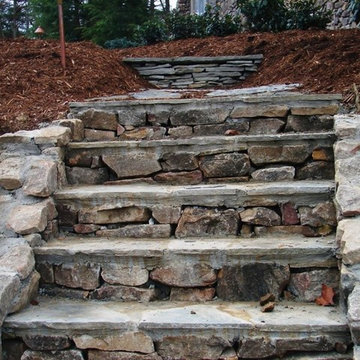
 Thrive Outdoor, Inc.
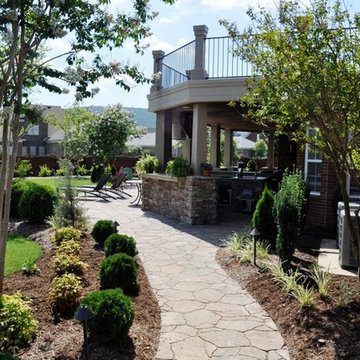
Hardscaping is the implementation of garden architecture combining plants, walls, walkways, and even water. This landscaping technique utilizes non-plant based elements as an integral part of the overall design and construction of your landscape, providing more than ornamental grasses, trees, shrubs and flowers to your outdoor space.
Retaining Walls That Tame the Landscape and Protect Your Investment
More than functional, our retaining walls are works of art. Made of modular concrete or natural stone, they are both classic and contemporary in style. We’ll work hard to complement the style of your home’s existing structures and outdoor surfaces while ensuring a design that is integral to preventing erosion, providing easy transitions to steep grades and protecting your investment in plantings.
Sustainable and Beautiful Patios, Entryways and Driveways
Turf Tamer, Inc. is known for unique, custom stonework and specialty brick paving that varies from subtle to dramatic. We use a variety of materials, including concrete permeable pavers, bricks, concrete, and flagstone, some of which carry up to a lifetime warranty. Our designers and crew can create an incredible, low-maintenance outdoor surface that increases the beauty, function and value of your home.
Sustainable Decks for Value, Beauty and Enjoyment
If it’s a deck you want, we’ll design it to be uniquely yours. And, we’ll build it from cedar, redwood or even longer lasting composition materials. Whatever it takes, we’ll make those transitions from inside to outside living beautiful, low-maintenance and perfect for your next dinner party or family get together.

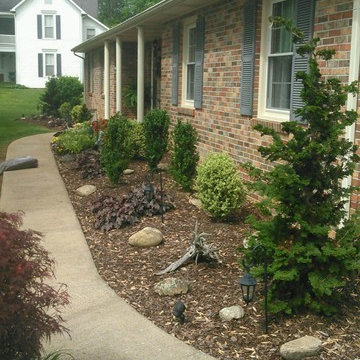
 Complete Creations Landscaping
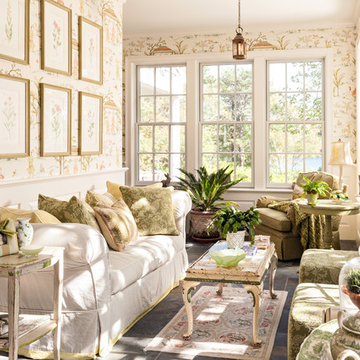
Next we'll discuss your plant availability based on what your inspirations are above compared to what's available in your area that would thrive in your area's conditions. We're listing below the most sought after plants and trees for the East Tennessee, Virginia and the western North Carolina areas. Our suppliers are happy to see us and give us great pricing to keep your own costs down on the plants below. This inventory is a good starting place for you to consider.
Find the right local pro for your project
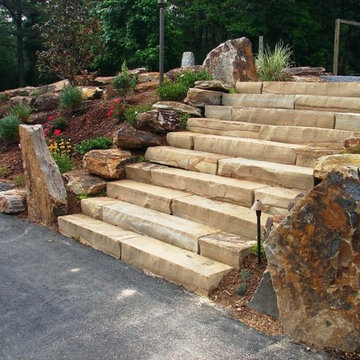 Thrive Outdoor, Inc.
Hardscaping is the implementation of garden architecture combining plants, walls, walkways, and even water. This landscaping technique utilizes non-plant based elements as an integral part of the overall design and construction of your landscape, providing more than ornamental grasses, trees, shrubs and flowers to your outdoor space.
Retaining Walls That Tame the Landscape and Protect Your Investment
More than functional, our retaining walls are works of art. Made of modular concrete or natural stone, they are both classic and contemporary in style. We’ll work hard to complement the style of your home’s existing structures and outdoor surfaces while ensuring a design that is integral to preventing erosion, providing easy transitions to steep grades and protecting your investment in plantings.
Sustainable and Beautiful Patios, Entryways and Driveways
Turf Tamer, Inc. is known for unique, custom stonework and specialty brick paving that varies from subtle to dramatic. We use a variety of materials, including concrete permeable pavers, bricks, concrete, and flagstone, some of which carry up to a lifetime warranty. Our designers and crew can create an incredible, low-maintenance outdoor surface that increases the beauty, function and value of your home.
Sustainable Decks for Value, Beauty and Enjoyment
If it’s a deck you want, we’ll design it to be uniquely yours. And, we’ll build it from cedar, redwood or even longer lasting composition materials. Whatever it takes, we’ll make those transitions from inside to outside living beautiful, low-maintenance and perfect for your next dinner party or family get together.
 Thrive Outdoor, Inc.
Hardscaping is the implementation of garden architecture combining plants, walls, walkways, and even water. This landscaping technique utilizes non-plant based elements as an integral part of the overall design and construction of your landscape, providing more than ornamental grasses, trees, shrubs and flowers to your outdoor space.
Retaining Walls That Tame the Landscape and Protect Your Investment
More than functional, our retaining walls are works of art. Made of modular concrete or natural stone, they are both classic and contemporary in style. We’ll work hard to complement the style of your home’s existing structures and outdoor surfaces while ensuring a design that is integral to preventing erosion, providing easy transitions to steep grades and protecting your investment in plantings.
Sustainable and Beautiful Patios, Entryways and Driveways
Turf Tamer, Inc. is known for unique, custom stonework and specialty brick paving that varies from subtle to dramatic. We use a variety of materials, including concrete permeable pavers, bricks, concrete, and flagstone, some of which carry up to a lifetime warranty. Our designers and crew can create an incredible, low-maintenance outdoor surface that increases the beauty, function and value of your home.
Sustainable Decks for Value, Beauty and Enjoyment
If it’s a deck you want, we’ll design it to be uniquely yours. And, we’ll build it from cedar, redwood or even longer lasting composition materials. Whatever it takes, we’ll make those transitions from inside to outside living beautiful, low-maintenance and perfect for your next dinner party or family get together.
 Donna Elle Design
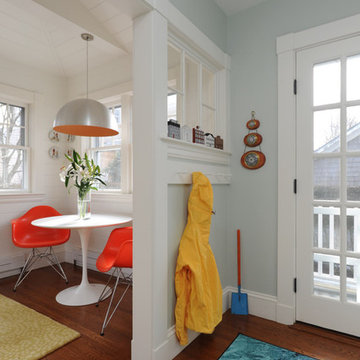
addition of sunporch and back hall with deck and outdoor shower and fire pit.
Inspiration for a coastal dark wood floor entryway remodel in Boston with blue walls and a glass front door
Inspiration for a coastal dark wood floor entryway remodel in Boston with blue walls and a glass front door
 Tobi Fairley Interior Design
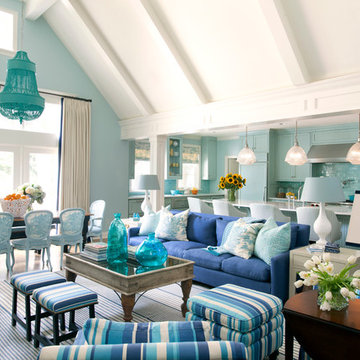
Lee Inds. sofa, Catalonia Chandelier Shine by S.H.O., walls are in Tidewater by Sherwin-Williams. Photography by Nancy Nolan
Large transitional open concept and formal living room photo in Little Rock with blue walls
Large transitional open concept and formal living room photo in Little Rock with blue walls

 Allegretti Architects, Inc.
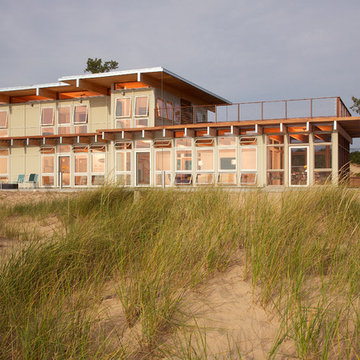
The Owners of a home that had been consumed by the moving dunes of Lake Michigan wanted a home that would not only stand the test of aesthetic time, but survive the vicissitudes of the environment.
With the assistance of the Michigan Department of Environmental Quality as well as the consulting civil engineer and the City of Grand Haven Zoning Department, a soil stabilization site plan was developed based on raising the new home’s main floor elevation by almost three feet, implementing erosion studies, screen walls and planting indigenous, drought tolerant xeriscaping. The screen walls, as well as the low profile of the home and the use of sand trapping marrum beachgrass all help to create a wind shadow buffer around the home and reduce blowing sand erosion and accretion.
The Owners wanted to minimize the stylistic baggage which consumes most “cottage” residences, and with the Architect created a home with simple lines focused on the view and the natural environment. Sustainable energy requirements on a budget directed the design decisions regarding the SIPs panel insulation, energy systems, roof shading, other insulation systems, lighting and detailing. Easily constructed and linear, the home harkens back to mid century modern pavilions with present day environmental sensitivities and harmony with the site.
James Yochum
 Drewett Works
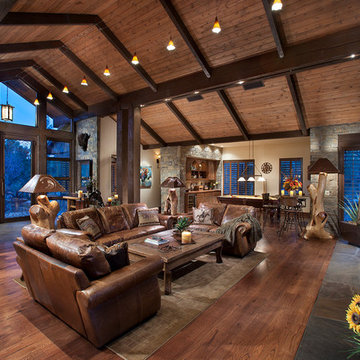
This homage to prairie style architecture located at The Rim Golf Club in Payson, Arizona was designed for owner/builder/landscaper Tom Beck.
This home appears literally fastened to the site by way of both careful design as well as a lichen-loving organic material palatte. Forged from a weathering steel roof (aka Cor-Ten), hand-formed cedar beams, laser cut steel fasteners, and a rugged stacked stone veneer base, this home is the ideal northern Arizona getaway.
Expansive covered terraces offer views of the Tom Weiskopf and Jay Morrish designed golf course, the largest stand of Ponderosa Pines in the US, as well as the majestic Mogollon Rim and Stewart Mountains, making this an ideal place to beat the heat of the Valley of the Sun.
Designing a personal dwelling for a builder is always an honor for us. Thanks, Tom, for the opportunity to share your vision.
Project Details | Northern Exposure, The Rim – Payson, AZ
Architect: C.P. Drewett, AIA, NCARB, Drewett Works, Scottsdale, AZ
Builder: Thomas Beck, LTD, Scottsdale, AZ
Photographer: Dino Tonn, Scottsdale, AZ
 Woodhull
Trent Bell Photography
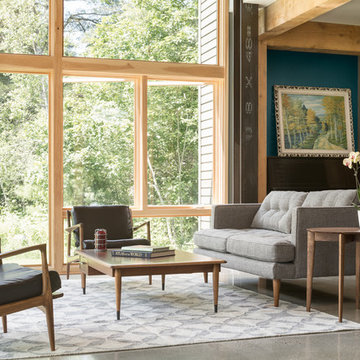
Inspiration for a transitional formal living room remodel in Portland Maine
Inspiration for a transitional formal living room remodel in Portland Maine
 Allegretti Architects, Inc.
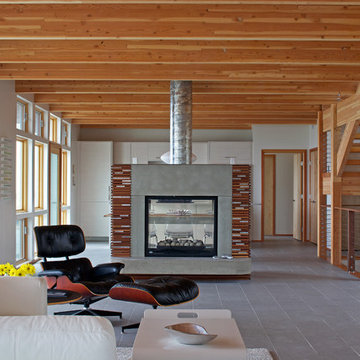
The Owners of a home that had been consumed by the moving dunes of Lake Michigan wanted a home that would not only stand the test of aesthetic time, but survive the vicissitudes of the environment.
With the assistance of the Michigan Department of Environmental Quality as well as the consulting civil engineer and the City of Grand Haven Zoning Department, a soil stabilization site plan was developed based on raising the new home’s main floor elevation by almost three feet, implementing erosion studies, screen walls and planting indigenous, drought tolerant xeriscaping. The screen walls, as well as the low profile of the home and the use of sand trapping marrum beachgrass all help to create a wind shadow buffer around the home and reduce blowing sand erosion and accretion.
The Owners wanted to minimize the stylistic baggage which consumes most “cottage” residences, and with the Architect created a home with simple lines focused on the view and the natural environment. Sustainable energy requirements on a budget directed the design decisions regarding the SIPs panel insulation, energy systems, roof shading, other insulation systems, lighting and detailing. Easily constructed and linear, the home harkens back to mid century modern pavilions with present day environmental sensitivities and harmony with the site.
James Yochum
 Allegretti Architects, Inc.
The Owners of a home that had been consumed by the moving dunes of Lake Michigan wanted a home that would not only stand the test of aesthetic time, but survive the vicissitudes of the environment.
With the assistance of the Michigan Department of Environmental Quality as well as the consulting civil engineer and the City of Grand Haven Zoning Department, a soil stabilization site plan was developed based on raising the new home’s main floor elevation by almost three feet, implementing erosion studies, screen walls and planting indigenous, drought tolerant xeriscaping. The screen walls, as well as the low profile of the home and the use of sand trapping marrum beachgrass all help to create a wind shadow buffer around the home and reduce blowing sand erosion and accretion.
The Owners wanted to minimize the stylistic baggage which consumes most “cottage” residences, and with the Architect created a home with simple lines focused on the view and the natural environment. Sustainable energy requirements on a budget directed the design decisions regarding the SIPs panel insulation, energy systems, roof shading, other insulation systems, lighting and detailing. Easily constructed and linear, the home harkens back to mid century modern pavilions with present day environmental sensitivities and harmony with the site.
James Yochum
 kmjee
kmjeePepper plants are a delightful addition to any garden, offering a vibrant burst of color and spice to your culinary creations. However, even experienced gardeners can encounter challenges when growing pepper plants. In this blog, we'll explore some common issues you might face and provide practical solutions to help your pepper plants thrive.
1. Slow or Stunted Growth
Issue: Slow or stunted growth in pepper plants can be discouraging, but there are specific steps you can take to address this issue effectively.
Solution:
a. Soil Health:
- Well-Draining Soil: Ensure your pepper plants are in well-draining soil to prevent waterlogged roots, which can inhibit growth.
- Organic Matter: Incorporate plenty of organic matter, such as compost or well-rotted manure, into the soil to improve its texture and nutrient content.
- pH Level: Test the soil pH and adjust it to the ideal range between 6.0 and 6.8 using lime or sulfur as needed.
b. Fertilization:
- Balanced Fertilizer: Use a balanced, slow-release fertilizer designed for vegetables to provide essential nutrients steadily throughout the growing season.
- Compost: Amend the soil with compost to enhance nutrient availability and soil structure. This can promote healthier growth.
c. Watering:
- Consistent Moisture: Maintain consistent soil moisture levels by watering your pepper plants regularly but avoid waterlogging. Aim for 1-2 inches of water per week, adjusting based on your local climate and weather conditions.
- Mulching: Apply mulch around the base of the plants to retain soil moisture and regulate temperature.
2. Yellowing Leaves
Issue: Yellowing leaves can be a sign of various underlying problems, but addressing them promptly can restore the vibrancy of your pepper plants.
Solution:
a. Nutrient Deficiencies:
- Balanced Fertilization: Use a well-balanced fertilizer that includes micronutrients to address nutrient deficiencies.
- Specific Nutrients: If you suspect a particular deficiency, such as magnesium, iron, or nitrogen, apply the appropriate nutrient supplement following package instructions.
b. Pest and Disease Control:
- Pest Inspection: Regularly inspect the leaves and stems for common pests like aphids and mites. Remove affected leaves and treat with organic pesticides if necessary.
- Disease Management: Look out for signs of diseases like bacterial leaf spot or fungal issues. Apply organic fungicides or bactericides as recommended.
3. Blossom Drop
Issue: When pepper plants drop their blossoms prematurely, it can hinder fruit development and lead to disappointment.
Solution:
a. Temperature Control:
- Stable Temperatures: Ensure your pepper plants are exposed to consistent temperatures between 70°F and 80°F (21°C to 27°C) during flowering. Avoid sudden temperature fluctuations by providing shelter or using row covers.
b. Pollination:
- Assist with Pollination: If growing peppers indoors or in a greenhouse, help with pollination by gently shaking the plants or using a small brush to transfer pollen between flowers. Outdoor pepper plants are usually pollinated by insects.
4. Wilting Plants
Issue: Wilting or drooping pepper plants can be a sign of various problems, but proper care can revive them.
Solution:
a. Watering:
- Consistent Moisture: Adjust your watering routine to keep the soil consistently moist but not waterlogged. Water early in the day to prevent fungal issues.
- Drainage: Ensure proper soil drainage by amending the soil or using raised beds to prevent waterlogged roots.
b. Pest Control:
- Pest Inspection: Examine the undersides of leaves for signs of pests like aphids, spider mites, or whiteflies. Treat infestations promptly with biological insecticides.
5. Curling Leaves
Issue: Curling or misshapen leaves indicate stress in pepper plants, which can be caused by various factors.
Solution:
a. Environmental Stress:
- Stable Conditions: Ensure your pepper plants are in an environment with stable humidity, temperature, and adequate air circulation. Avoid sudden changes in conditions.
- Proper Ventilation: Adequate air circulation can reduce humidity and prevent fungal issues.
b. Pest and Disease Management:
- Pest Inspection: Regularly inspect your plants for pests and diseases, addressing them promptly with organic remedies as needed.
6. Sunscald
Issue: Sunscald can lead to discolored, leathery patches on pepper fruits when exposed to intense sunlight.
Solution:
a. Shade Cloth:
- Sun Protection: Shield your pepper plants from harsh sunlight during the hottest part of the day using shade cloth or by planting them where they receive some filtered sunlight.
b. Pruning:
- Fruit Shading: Prune excess foliage to allow better fruit shading, reducing the risk of sunscald. Ensure that there's a balance between foliage and fruit.
7. Pepper Plant Pests and Diseases
Issue: Aphids, mites, whiteflies, and various diseases can affect pepper plants, but you can manage them effectively.
Solution:
a. Regular Inspection:
- Vigilant Monitoring: Regularly inspect your pepper plants for signs of pests or diseases, paying close attention to the undersides of leaves and stems.
b. Organic Remedies:
- Pest Control: Use organic remedies like neem oil, insecticidal soap, or diatomaceous earth for pest control.
- Disease Management: Apply organic fungicides or bactericides as recommended to manage diseases like powdery mildew or bacterial spot.
While growing pepper plants can present various challenges, these common issues are manageable with the right knowledge and care. Regular monitoring, proper soil preparation, and timely intervention can help you enjoy a bountiful harvest of vibrant, spicy peppers. Remember that gardening is a learning experience, and each challenge you face is an opportunity to improve your skills and enjoy the rewards of homegrown peppers in your favorite dishes.



 LCI Design
View of the generous foyer, it was decided to retain the original travertine flooring since it works well with the new bamboo flooring . The entry closet bifold doors were replaced with custom made shoji doors. A Mies Van Der Rohe 3 seater bench was purchased , along with an asian wool area carpet and asian antique console in vibrant reds. The walls are painted Benjamin Moore , 'Brandon Beige'.
 Max Kasymov Interior/Design
Sergey Ananiev
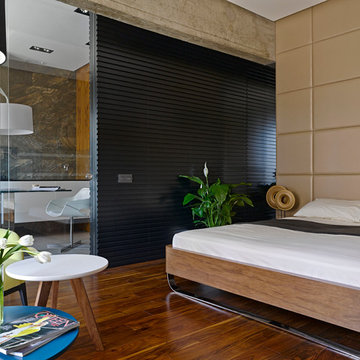
Trendy master medium tone wood floor and brown floor bedroom photo in Moscow with beige walls
Trendy master medium tone wood floor and brown floor bedroom photo in Moscow with beige walls
 Catherine Hoffmann design consultant
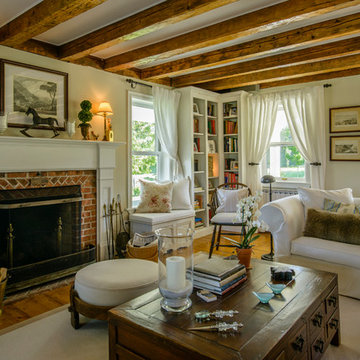
Example of a farmhouse formal medium tone wood floor living room design in Montreal with a standard fireplace and a brick fireplace

 Sproutly Meals
Imagine finishing a long workday and coming home to a colorful plate filled with fresh vegetables, protein-packed lentils, and whole grains, all without lifting a finger. That’s the beauty of plant-based meals delivered straight to your door. A plant-based diet isn’t just about eating vegetables; it’s about fueling your body with nature’s best ingredients. From vibrant salads to hearty lentil bowls, every bite carries nutrition that supports energy, weight management, and long-term wellness. Many busy professionals and families are turning to plant-based meal delivery services because they want to eat clean without spending hours in the kitchen. This lifestyle is also eco-friendly, as plant-based food reduces your carbon footprint and supports sustainability. With each dish, you’re not only nourishing your body but also contributing to a healthier planet. Whether you’re new to plant-based diets or already love them, having plant-based meals delivered makes healthy living easier and more exciting.
 Pace Kitchens
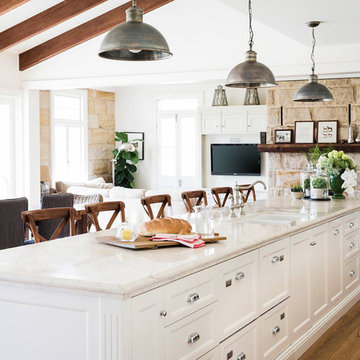
Inspiration for a farmhouse galley medium tone wood floor open concept kitchen remodel in Sydney with a double-bowl sink, recessed-panel cabinets, white cabinets and an island
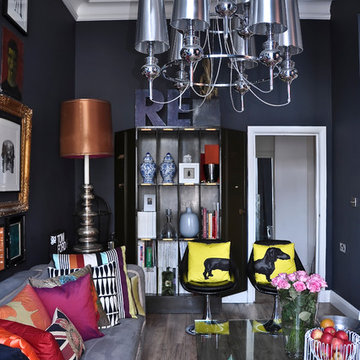
 Jimmie Martin California
Sausage Dog Pillows by Jimmie Martin California
www.jimmiemartincalifornia.com
Photo Credit: www.rickschultz.co.uk
Example of a mid-sized trendy enclosed living room design in London with black walls
Example of a mid-sized trendy enclosed living room design in London with black walls
9