
Search results for "Plants grown" in Home Design Ideas
 The Cultural Landscape Foundation
Saturday June 27, 4:00 to 5:30pm | Manhattan
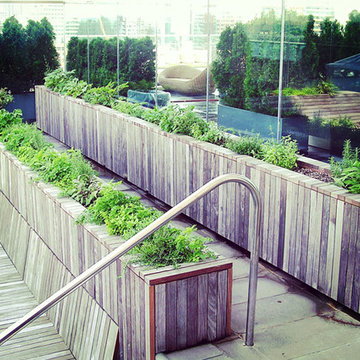
Pool Farm by David Seiter of Future Green Studio
High above Midtown Manhattan, this transformed rooftop pool is now a farm-to-table restaurant, the Press Lounge, offering guests a dazzling view of the New York City skyline. From the 19th floor of Ink Hotel, a beautifully designed edible garden is meticulously cared for to create seasonal food and drink options from ingredients grown onsite. Utilizing themes of material reuse and urban infill, this custom design and fabricated system of wood terraced planters transforms an underutilized rooftop pool into a dynamic private dining experience. The project is inspired by the structure of a sushi mat- with flexibility in one direction and rigidity in the other, the mat rolls fluidly from deck to bench to planter to wall. In an effort to make the project sustainable and cost effective, ipe wood decking was salvaged from a recent renovation and repurposed. The planting palette was selected in consultation with the restaurant’s chef, professional forager and a rooftop farmer in order to orchestrate the edible garden with unique seasonal food and drink menus. A small slice of paradise has been found in Hell’s Kitchen. Photo by David Seiter

 Envision Web
Stuart Wade, Envision Virtual Tours
Envision Virtual Tours and High Resolution Photography is your best choice to find just what you are looking for in the Braselton, Ga. Chateau Elan Area Chateau Elan is North Atlanta's premier meeting destination that offers championship golf, a full-production winery, European health spa, and world-class amenities.
From the moment you drive through the gates of Chateau Elan until the moment you leave you will experience warm southern hospitality combined with the beauty of the French countryside.
Within the sweeping panorama of the north Georgia foothills, just 40 minutes away from Atlanta, Chateau Elan began with the planting of vineyards in 1981. From these lush vines of Chardonnay, Merlot, Cabernet & Riesling grapes has grown a 3,500 acre conference and leisure destination where French provincial and Southern hospitality combine to produce exceptional wines and warm memories.
 Steve Masley Consulting and Design
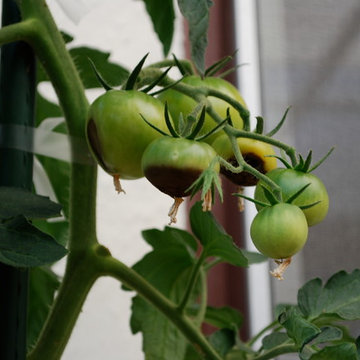
Blossom End Rot (BER) is not a disease, it's a physiological condition of tomatoes. It usually occurs after a heat wave early in the summer, and arises when the plant's growth outstrips its ability to deliver water all the way to the tip of the fruit. It usually only affects the tomato trusses that are growing rapidly at the time.
Irregular or inadequate water is the most common cause, and over-fertilization can contribute. Inadequate calcium was once thought to be the culprit, but only in rare cases is calcium deficiency the cause. BER is common in container-grown tomatoes.
Affected tomatoes are still edible, just cut off the bad part of the fruit. With adequate water, the problem usually self-corrects, but if you want to avoid it entirely, grow cherry tomatoes. Photo by Steve Masley
Find the right local pro for your project



 TJ's Plumbing and Heating, Inc.
Phillip Frink Photography
Mid-sized master bathroom photo in Boston with recessed-panel cabinets, beige cabinets, an undermount tub, gray walls, a vessel sink and quartz countertops
Mid-sized master bathroom photo in Boston with recessed-panel cabinets, beige cabinets, an undermount tub, gray walls, a vessel sink and quartz countertops

 Lanson B. Jones & Co, Inc.
With a finial fountain as the focal point, this Charleston-style garden boasts color and elegance. Closely trimmed hedges of Japanese Yews and Boxwoods outline beds of hydrangeas and colorful Coleus.

 Outdoor Dreams
Patio - mid-sized traditional backyard stone patio idea in Richmond with a fire pit and no cover
Sponsored
Columbus, OH
Free consultation for landscape design!

Peabody Landscape Group
Columbus' Reliable Landscape Design & Contracting
 The Cultural Landscape Foundation
Saturday June 27, 4:00 to 5:30pm | Manhattan
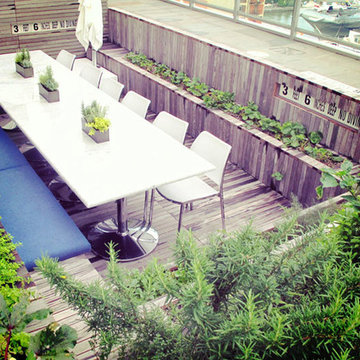
Pool Farm by David Seiter of Future Green Studio
High above Midtown Manhattan, this transformed rooftop pool is now a farm-to-table restaurant, the Press Lounge, offering guests a dazzling view of the New York City skyline. From the 19th floor of Ink Hotel, a beautifully designed edible garden is meticulously cared for to create seasonal food and drink options from ingredients grown onsite. Utilizing themes of material reuse and urban infill, this custom design and fabricated system of wood terraced planters transforms an underutilized rooftop pool into a dynamic private dining experience. The project is inspired by the structure of a sushi mat- with flexibility in one direction and rigidity in the other, the mat rolls fluidly from deck to bench to planter to wall. In an effort to make the project sustainable and cost effective, ipe wood decking was salvaged from a recent renovation and repurposed. The planting palette was selected in consultation with the restaurant’s chef, professional forager and a rooftop farmer in order to orchestrate the edible garden with unique seasonal food and drink menus. A small slice of paradise has been found in Hell’s Kitchen. Photo by David Seiter

Swamp Rose Mallow (Hibiscus moscheutos). Photo: Dendroica cerulea, licensed under Creative Commons Attribution- 2.0 Generic



 KitchenLab Interiors
’ first, entirely new construction project in collaboration with GTH architects who designed the residence. KLI was responsible for all interior finishes, fixtures, furnishings, and design including the stairs, casework, interior doors, moldings and millwork. KLI also worked with the client on selecting the roof, exterior stucco and paint colors, stone, windows, and doors. The homeowners had purchased the existing home on a lakefront lot of the Valley Lo community in Glenview, thinking that it would be a gut renovation, but when they discovered a host of issues including mold, they decided to tear it down and start from scratch. The minute you look out the living room windows, you feel as though you're on a lakeside vacation in Wisconsin or Michigan. We wanted to help the homeowners achieve this feeling throughout the house - merging the causal vibe of a vacation home with the elegance desired for a primary residence. This project is unique and personal in many ways - Rebekah and the homeowner, Lorie, had grown up together in a small suburb of Columbus, Ohio. Lorie had been Rebekah's babysitter and was like an older sister growing up. They were both heavily influenced by the style of the late 70's and early 80's boho/hippy meets disco and 80's glam, and both credit their moms for an early interest in anything related to art, design, and style. One of the biggest challenges of doing a new construction project is that it takes so much longer to plan and execute and by the time tile and lighting is installed, you might be bored by the selections of feel like you've seen them everywhere already. “I really tried to pull myself, our team and the client away from the echo-chamber of Pinterest and Instagram. We fell in love with counter stools 3 years ago that I couldn't bring myself to pull the trigger on, thank god, because then they started showing up literally everywhere", Rebekah recalls. Lots of one of a kind vintage rugs and furnishings make the home feel less brand-spanking new. The best projects come from a team slightly outside their comfort zone. One of the funniest things Lorie says to Rebekah, "I gave you everything you wanted", which is pretty hilarious coming from a client to a designer.
 John
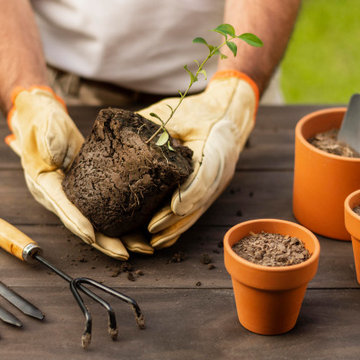
Coco coir is a versatile and sustainable growing medium that is gaining popularity among gardeners. Made from the fibrous husk of coconuts, it’s an eco-friendly alternative to peat moss and can greatly enhance the quality of your soil. In gardening, it is often utilized in systems like Coco Coir Hydroponic, where it helps create an efficient water and nutrient delivery system.
What is Coco Coir?
Coco coir is a natural fiber extracted from coconut husks. It has a neutral pH, excellent water retention, and is reusable, making it a favorite among gardeners who prefer organic and sustainable practices. It is available in different forms such as blocks, bricks, or loose coir, each requiring some preparation before use in gardening.
Benefits of Using Coco Coir in Gardening
Coco coir offers several advantages for gardening. Here are the benefits of using coco coir in gardening:
Holds up to 10 times its weight in water, ensuring plants have consistent moisture.
Promotes oxygen flow to plant roots, leading to healthier root systems.
Coco coir is a renewable and eco-friendly alternative to peat moss.
It can be washed, rehydrated, and reused, reducing waste.
Naturally pH neutral, making it suitable for various plants without major adjustments.
Enhances the texture and moisture retention of garden soil.
How to Prepare Coco Coir for Planting
Preparing coco coir for planting involves a few essential steps. First, you need to hydrate the coir block, as it typically comes in a compressed form. Place the block in a large container and add warm water, allowing the block to expand and absorb the water. Once fully expanded, the coir should be fluffed up by breaking it apart with your hands or a tool to ensure it becomes loose and airy. After the coir has been fluffed, it is important to drain any excess water, as overly wet coir can lead to root suffocation. Finally, since coco coir is inert and does not contain nutrients, it’s a good idea to add organic compost or liquid fertilizer to enrich the coir before planting.
Do You Need to Soak Coco Coir Before Planting?
Yes, soaking coco coir before planting is necessary. Since it comes in a compressed form, it needs to be broken down and hydrated for proper use. The soaking process allows the coir to expand and release the fibers, making it usable as a growing medium. After soaking, the coir should be fluffed to ensure the water is evenly distributed. Draining any excess water is crucial because overly wet coir may impede plant root health.
How to Prepare Coco Peat for Planting
Coco peat, a fine, powdery form of coco coir, is highly beneficial for seed starting and improving water retention in soil. To prepare coco peat, it first needs to be hydrated, similar to how you prepare coir blocks. Slowly add water to the peat in a container and allow it to absorb and fluff up. Once hydrated, coco peat can be used on its own or mixed with other growing media such as perlite or vermiculite for added aeration and drainage. It is advisable to check the pH level of your final mix, as coco peat generally has a neutral pH, but adjustments may be necessary depending on the plants being grown.
Can You Use Just Coco Coir for Plants?
Yes, coco coir can be used by itself to grow plants, especially in hydroponic systems or as a seed-starting medium. However, because coco coir does not naturally contain nutrients, you will need to provide regular fertilizer to support plant growth. This makes it particularly suitable for plants grown in controlled environments, such as hydroponics, where nutrient solutions can be carefully managed. In traditional soil-based gardening, mixing coco coir with other organic materials like compost is recommended to provide essential nutrients and improve the overall soil structure.
How to Use Coco Coir in Hydroponics
Coco coir is widely used in hydroponic systems due to its water retention and aeration properties. To use coco coir in hydroponics, it first needs to be soaked and hydrated, as discussed earlier. Once the coir is fully prepared, it can be placed in the hydroponic system. Since coco coir does not contain natural nutrients, you will need to supply a balanced nutrient solution tailored for hydroponic plants. Regular monitoring of water and nutrient levels is essential to prevent nutrient imbalances or root rot. One of the benefits of coco coir in hydroponics is its reusability. After completing a growing cycle, the coir can be washed, rehydrated, and used again in future plantings.
Using Coco Coir as a Soil Amendment
Coco coir is also an excellent soil amendment, as it improves the texture and moisture retention of garden soil. To use coco coir in this way, mix loose coir with your existing garden soil at a ratio of one part coco coir to two parts soil. This will help retain moisture without compacting the soil, improving both water drainage and root growth. For optimal results, you can also add organic compost to the mix, ensuring that the nutrient levels are sufficient for plant growth. Coco coir works particularly well in raised beds, where it helps maintain proper soil structure over time.
Advantages of Using Coco Coir Over Peat Moss
While peat moss has been traditionally used as a growing medium, coco coir offers several advantages over it. Coco coir is a renewable resource, as it is a byproduct of coconut processing, while peat moss is harvested from peat bogs that take centuries to regenerate. Coco coir is also more durable, as it can be reused multiple times without breaking down, while peat moss disintegrates after a single use. Another key benefit is its neutral pH, whereas peat moss is more acidic and may require balancing to meet the needs of specific plants.
Conclusion
Coco coir is a highly versatile and sustainable growing medium that benefits both novice and experienced gardeners alike. Whether you are using it for hydroponics, as a soil amendment, or as a standalone medium for growing plants, knowing how to properly prepare and use it is key to maximizing its benefits. By following the steps detailed above, you can improve water retention, aeration, and overall plant health in your garden, all while contributing to eco-friendly gardening practices.

Sponsored
Columbus, OH
Free consultation for landscape design!
Peabody Landscape Group
Columbus' Reliable Landscape Design & Contracting


 FormLA Landscaping
Interspersed with California native Giant Chain Fern, Alumroot's delicate pink bells dance a happy hello along the garden walkway.
This is an example of a coastal partial sun front yard concrete paver landscaping in Los Angeles for spring.
This is an example of a coastal partial sun front yard concrete paver landscaping in Los Angeles for spring.

 Botanical Visions
This is an example of a mid-sized tropical full sun backyard stone landscaping in Miami for summer.
 Sunset Western Garden Collection
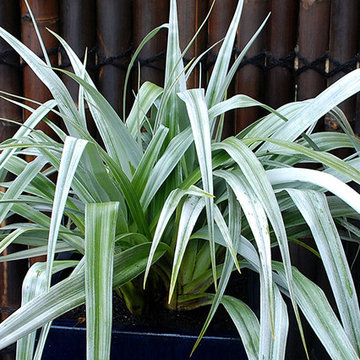
Bold strappy silver foliage adds height to container gardens and succulent plantings. This evergreen, clumping perennial contrasts well with darker leafed Phormium and Loropetalums. Can be used as an indoor plant in bright indirect light.
Features
Feature/Bloom Striking metallic silver foliage
Evergreen or Deciduous evergreen
USDA Zones Leaf Hardy to 20°F, Root Hardy to 0°F USDA 7, 8, 9, 10, 11
Sunset Zones 4-6, 14-17, 19-24
Special Features Year-round interest, easy care, heat tolerance, winter/fall foliage color, water-wise, shade loving
Landscape Use Accent, border, container, mass planting
Exposure Part shade
Bloom Season None
Dimension 3 ft H x 3-4 ft W
Growth Rate Moderate
Plant Type evergreen
About the Collection
Brought to you by the authority on Western gardening, the Sunset Western Garden Collection is an exclusive plant collection of top performing plants for the Western Gardener.

Sponsored
Columbus, OH
Free consultation for landscape design!
Peabody Landscape Group
Columbus' Reliable Landscape Design & Contracting

 Western DuPage Landscaping, Inc.
After years of enjoying their backyard, the clients of this property enlisted our firm to improve the original landscape we had completed over ten years ago. Our goal was to update the patio and further develop their backyard by creating a garden with a variety of color and texture.
Over time the existing patio had settled, plantings grew, and an existing Oak thrived. During the initial home and landscape construction our clients were particularly concerned about the health of the mature Oak located just off the home. Special care was given when the patio was first built. Precautions were again taken in working around the Oak as the existing patio was removed and replaced. Surrounding trees and shrubs had grown and enclosed the backyard limiting access. This required almost all work and transport of material to be done by hand.
The old concrete paver patio was replaced with bluestone. Existing mortared limestone around the edges of the patio levels were cleaned and tuck-pointed. A new stoop was constructed with mortared limestone risers and bluestone treads. A built-in grill and fireplace further updated the backyard space. The fireplace was designed to follow the organic curve of the patio. Mortared limestone and bluestone material were repeated on all elements, tying them together.
Along with the updated patio, many additions were made in transforming the modest backyard into a lush garden. Masses of annuals, ornamental grasses, and perennials along with mixed shrubs created sweeps of color and texture in front of a new arborvitae hedge and other existing trees and shrubs.
After careful planning and execution the completed landscape gave our clients the updated landscape they desired. The completion of the project was a rewarding and fulfilling experience as we transformed a good past project into a fantastic new project.

 Hortus Oasis
At the house foundation, the variegated ginger provides height.
Design ideas for a mid-sized modern landscaping in Orlando.
Design ideas for a mid-sized modern landscaping in Orlando.
 KitchenLab Interiors
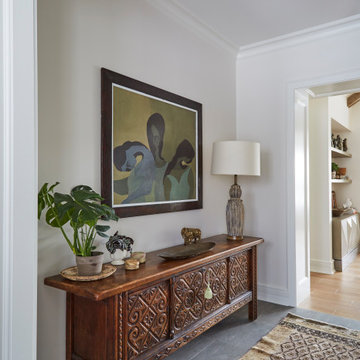
’ first, entirely new construction project in collaboration with GTH architects who designed the residence. KLI was responsible for all interior finishes, fixtures, furnishings, and design including the stairs, casework, interior doors, moldings and millwork. KLI also worked with the client on selecting the roof, exterior stucco and paint colors, stone, windows, and doors. The homeowners had purchased the existing home on a lakefront lot of the Valley Lo community in Glenview, thinking that it would be a gut renovation, but when they discovered a host of issues including mold, they decided to tear it down and start from scratch. The minute you look out the living room windows, you feel as though you're on a lakeside vacation in Wisconsin or Michigan. We wanted to help the homeowners achieve this feeling throughout the house - merging the causal vibe of a vacation home with the elegance desired for a primary residence. This project is unique and personal in many ways - Rebekah and the homeowner, Lorie, had grown up together in a small suburb of Columbus, Ohio. Lorie had been Rebekah's babysitter and was like an older sister growing up. They were both heavily influenced by the style of the late 70's and early 80's boho/hippy meets disco and 80's glam, and both credit their moms for an early interest in anything related to art, design, and style. One of the biggest challenges of doing a new construction project is that it takes so much longer to plan and execute and by the time tile and lighting is installed, you might be bored by the selections of feel like you've seen them everywhere already. “I really tried to pull myself, our team and the client away from the echo-chamber of Pinterest and Instagram. We fell in love with counter stools 3 years ago that I couldn't bring myself to pull the trigger on, thank god, because then they started showing up literally everywhere", Rebekah recalls. Lots of one of a kind vintage rugs and furnishings make the home feel less brand-spanking new. The best projects come from a team slightly outside their comfort zone. One of the funniest things Lorie says to Rebekah, "I gave you everything you wanted", which is pretty hilarious coming from a client to a designer.
47