
Search results for "Prioritizing consistent" in Home Design Ideas
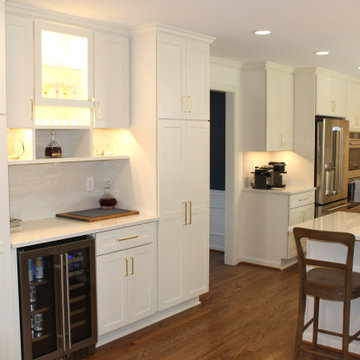
 Talon Construction Inc.
Finding a reputable contractor to design and build your kitchen remodel in Maryland with quality results involves several steps. Here are some general guidelines to help you find the right professional for your project:
1. Ask for Recommendations: Start by asking friends, family, neighbors, or colleagues who have recently completed kitchen remodels for recommendations. Personal referrals can be a valuable source of trustworthy contractors.
2. Check Online Reviews: Websites like Yelp, Angie's List, and Google Reviews can provide insights into the experiences of previous clients. Look for contractors with consistently positive feedback.
3. Check Credentials: Verify that the contractor has the necessary licenses and insurance to work in Maryland. You can typically check this information on your state's licensing board website.
4. Ask for References: Request references from the contractor and contact previous clients to inquire about their experiences. Visit some of their completed projects if possible.
5. Review Portfolios: Examine the contractor's portfolio of past kitchen remodels. Look for examples of work that match your style and preferences.
6. Check for Permits: Ensure that the contractor will handle any necessary permits and inspections for your remodel. Avoid contractors who suggest bypassing required permits, as this can lead to legal and safety issues.
7. Discuss Communication: Clear communication is crucial throughout the project. Discuss how the contractor will keep you updated on progress and address any concerns or changes during the remodel.
8. Get Everything in Writing: Never rely solely on verbal agreements. Ensure that all project details, warranties, and expectations are documented in a written contract.
9. Check for Red Flags: Be wary of contractors who pressure you into making quick decisions, lack a physical business address, or have a history of disputes or legal issues.
10. Trust Your Instincts: Choose a contractor you feel comfortable working with. Trust your instincts and select someone who listens to your ideas and concerns.
11. Visit Completed Projects: If possible, visit some of the contractors’ completed kitchen remodels to assess the quality of their work in person.
Once you've completed your due diligence and gathered all the necessary information, you'll be better equipped to make an informed decision about which contractor to hire for your kitchen remodel in Maryland. Remember that quality results often come from working with experienced, licensed professionals who prioritize clear communication and transparency throughout the project.
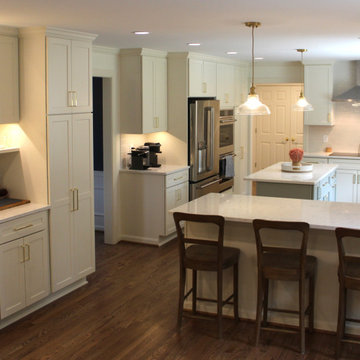 Talon Construction Inc.
Finding a reputable contractor to design and build your kitchen remodel in Maryland with quality results involves several steps. Here are some general guidelines to help you find the right professional for your project:
1. Ask for Recommendations: Start by asking friends, family, neighbors, or colleagues who have recently completed kitchen remodels for recommendations. Personal referrals can be a valuable source of trustworthy contractors.
2. Check Online Reviews: Websites like Yelp, Angie's List, and Google Reviews can provide insights into the experiences of previous clients. Look for contractors with consistently positive feedback.
3. Check Credentials: Verify that the contractor has the necessary licenses and insurance to work in Maryland. You can typically check this information on your state's licensing board website.
4. Ask for References: Request references from the contractor and contact previous clients to inquire about their experiences. Visit some of their completed projects if possible.
5. Review Portfolios: Examine the contractor's portfolio of past kitchen remodels. Look for examples of work that match your style and preferences.
6. Check for Permits: Ensure that the contractor will handle any necessary permits and inspections for your remodel. Avoid contractors who suggest bypassing required permits, as this can lead to legal and safety issues.
7. Discuss Communication: Clear communication is crucial throughout the project. Discuss how the contractor will keep you updated on progress and address any concerns or changes during the remodel.
8. Get Everything in Writing: Never rely solely on verbal agreements. Ensure that all project details, warranties, and expectations are documented in a written contract.
9. Check for Red Flags: Be wary of contractors who pressure you into making quick decisions, lack a physical business address, or have a history of disputes or legal issues.
10. Trust Your Instincts: Choose a contractor you feel comfortable working with. Trust your instincts and select someone who listens to your ideas and concerns.
11. Visit Completed Projects: If possible, visit some of the contractors’ completed kitchen remodels to assess the quality of their work in person.
Once you've completed your due diligence and gathered all the necessary information, you'll be better equipped to make an informed decision about which contractor to hire for your kitchen remodel in Maryland. Remember that quality results often come from working with experienced, licensed professionals who prioritize clear communication and transparency throughout the project.
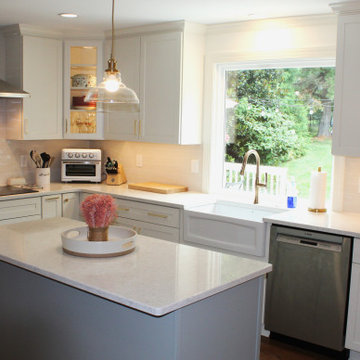 Talon Construction Inc.
Finding a reputable contractor to design and build your kitchen remodel in Maryland with quality results involves several steps. Here are some general guidelines to help you find the right professional for your project:
1. Ask for Recommendations: Start by asking friends, family, neighbors, or colleagues who have recently completed kitchen remodels for recommendations. Personal referrals can be a valuable source of trustworthy contractors.
2. Check Online Reviews: Websites like Yelp, Angie's List, and Google Reviews can provide insights into the experiences of previous clients. Look for contractors with consistently positive feedback.
3. Check Credentials: Verify that the contractor has the necessary licenses and insurance to work in Maryland. You can typically check this information on your state's licensing board website.
4. Ask for References: Request references from the contractor and contact previous clients to inquire about their experiences. Visit some of their completed projects if possible.
5. Review Portfolios: Examine the contractor's portfolio of past kitchen remodels. Look for examples of work that match your style and preferences.
6. Check for Permits: Ensure that the contractor will handle any necessary permits and inspections for your remodel. Avoid contractors who suggest bypassing required permits, as this can lead to legal and safety issues.
7. Discuss Communication: Clear communication is crucial throughout the project. Discuss how the contractor will keep you updated on progress and address any concerns or changes during the remodel.
8. Get Everything in Writing: Never rely solely on verbal agreements. Ensure that all project details, warranties, and expectations are documented in a written contract.
9. Check for Red Flags: Be wary of contractors who pressure you into making quick decisions, lack a physical business address, or have a history of disputes or legal issues.
10. Trust Your Instincts: Choose a contractor you feel comfortable working with. Trust your instincts and select someone who listens to your ideas and concerns.
11. Visit Completed Projects: If possible, visit some of the contractors’ completed kitchen remodels to assess the quality of their work in person.
Once you've completed your due diligence and gathered all the necessary information, you'll be better equipped to make an informed decision about which contractor to hire for your kitchen remodel in Maryland. Remember that quality results often come from working with experienced, licensed professionals who prioritize clear communication and transparency throughout the project.
Find the right local pro for your project
 Best Practice Architecture
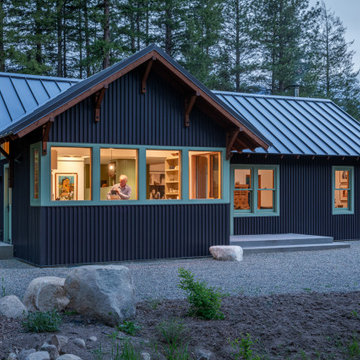
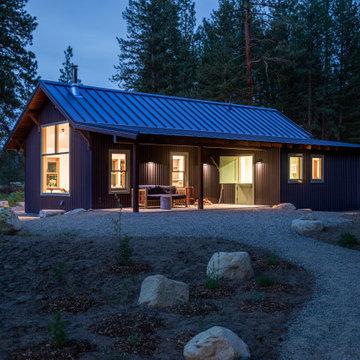
Named for the original homestead, the Aspen Leaf Ranch blends early ranch history with modern sensibility. The owner, an outdoorsman and native plant enthusiast, and former project manager of notable Seattle buildings (including the Olympic Sculpture Park and the Bullitt Center), tasked Best Practice Architecture with designing a modest yet comfortable home reflective of valley cabins and farmsteads. He desired a small home that was ‘light on the land’, yet flexible enough to accommodate visiting friends and family. Located in a quiet river valley 10 miles from the nearest town, the result is a humble compound firmly rooted in the rural vernacular.
The Methow Valley was familiar to the owner from childhood ski and camping trips and he now has family who live in the area. The Valley is hot and dry in the summer and on average receives over 70 inches of snow each winter. Set in a narrow river valley below high mountain peaks, the owner wanted the new home to have a strong visual and physical connection to the surrounding landscape. For many years, the homestead was operated as a horse packing guide service, and an old agricultural barn remains that will eventually be repurposed into a ski waxing room, shop, and sauna. Two new structures make up the residential retreat: a one-bedroom main house and a carport with an adjoining guest suite, small office, and storage for outdoor equipment. Best Practice’s design prioritizes natural light and optimizes dramatic views of the surrounding meadow, forest, hills, and mountains
“I wanted both the design and scale of the new buildings to reflect traditional ranch homes and cabins in the remote river valley with all the creature comforts of modern living,” said the homeowner. “Ensuring a strong connection to the outside throughout the seasons was a primary goal. Windows on all sides and three exterior doors allow me to track the many species of birds and wildlife that move through the property and access the ever-changing light and weather.”
Best Practice carefully positioned the new structures to frame important vistas while minimizing disturbance to the native forest and meadow. The exterior finishes and details are consistent with historic cabins and barns in the area but stylized to acknowledge the new structure’s place in time. Metal roofing, siding, and a gravel skirt were chosen to reduce wildfire risk, and native plantings attract and support local birds and wildlife. Best Practice simplified the interior detailing with a nod towards a rural cabin aesthetic, incorporating painted beadboard, extensive built-in cabinetry, warm woods, a sizeable kitchen, and an open nook for daytime lounging and overnight guests. The design also took into account the owner’s collection of art, family heirlooms, and furniture gathered over many years.
Best Practice designed this Methow Valley home to respect the history and beauty of the historic Aspen Leaf Ranch while embracing modern comforts. The design successfully meets a well-considered program for 4-season use and serves as a full-time rural retreat for the owner as well as a gathering place for friends and family.
 Best Practice Architecture
Named for the original homestead, the Aspen Leaf Ranch blends early ranch history with modern sensibility. The owner, an outdoorsman and native plant enthusiast, and former project manager of notable Seattle buildings (including the Olympic Sculpture Park and the Bullitt Center), tasked Best Practice Architecture with designing a modest yet comfortable home reflective of valley cabins and farmsteads. He desired a small home that was ‘light on the land’, yet flexible enough to accommodate visiting friends and family. Located in a quiet river valley 10 miles from the nearest town, the result is a humble compound firmly rooted in the rural vernacular.
The Methow Valley was familiar to the owner from childhood ski and camping trips and he now has family who live in the area. The Valley is hot and dry in the summer and on average receives over 70 inches of snow each winter. Set in a narrow river valley below high mountain peaks, the owner wanted the new home to have a strong visual and physical connection to the surrounding landscape. For many years, the homestead was operated as a horse packing guide service, and an old agricultural barn remains that will eventually be repurposed into a ski waxing room, shop, and sauna. Two new structures make up the residential retreat: a one-bedroom main house and a carport with an adjoining guest suite, small office, and storage for outdoor equipment. Best Practice’s design prioritizes natural light and optimizes dramatic views of the surrounding meadow, forest, hills, and mountains
“I wanted both the design and scale of the new buildings to reflect traditional ranch homes and cabins in the remote river valley with all the creature comforts of modern living,” said the homeowner. “Ensuring a strong connection to the outside throughout the seasons was a primary goal. Windows on all sides and three exterior doors allow me to track the many species of birds and wildlife that move through the property and access the ever-changing light and weather.”
Best Practice carefully positioned the new structures to frame important vistas while minimizing disturbance to the native forest and meadow. The exterior finishes and details are consistent with historic cabins and barns in the area but stylized to acknowledge the new structure’s place in time. Metal roofing, siding, and a gravel skirt were chosen to reduce wildfire risk, and native plantings attract and support local birds and wildlife. Best Practice simplified the interior detailing with a nod towards a rural cabin aesthetic, incorporating painted beadboard, extensive built-in cabinetry, warm woods, a sizeable kitchen, and an open nook for daytime lounging and overnight guests. The design also took into account the owner’s collection of art, family heirlooms, and furniture gathered over many years.
Best Practice designed this Methow Valley home to respect the history and beauty of the historic Aspen Leaf Ranch while embracing modern comforts. The design successfully meets a well-considered program for 4-season use and serves as a full-time rural retreat for the owner as well as a gathering place for friends and family.


 SM Design
York Mills Residence | Layered Contemporary Elegance
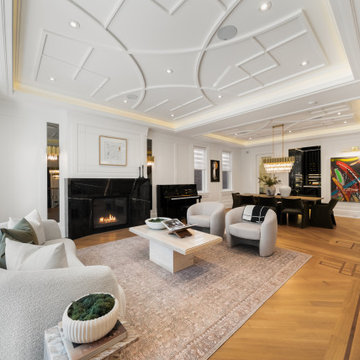
This York Mills residence was designed around the idea of quiet luxury expressed through architectural detail rather than excess. The interior combines classical residential proportions with contemporary forms, creating a sophisticated environment that feels highly curated while remaining comfortable and inviting for everyday living.
A key design strategy was to establish a continuous architectural language across the connected living, dining, and circulation spaces. Rather than designing each zone independently, the spaces are visually tied together through consistent wall paneling, warm oak flooring, carefully controlled neutral tones, and a coordinated lighting strategy. This creates a strong sense of continuity and allows the eye to move naturally through the home.
The ceiling design plays an important role in defining the character of the interior. Elaborate geometric and curved coffering introduces a sculptural element overhead, transforming the ceiling into a fifth architectural surface. The integrated perimeter illumination emphasizes these forms after dark, while recessed lighting provides functional illumination without competing with the decorative architecture.
The black stone fireplace provides a deliberate counterpoint to the predominantly light interior. Its strong visual weight anchors the living area and establishes a dramatic focal point, while the softer curved seating and neutral upholstery balance its intensity. This contrast between monumental architectural elements and tactile, rounded furnishings gives the room a contemporary character without losing its residential warmth.
Furniture planning was approached as an exercise in conversation, proportion, and movement. The seating arrangement creates an intimate conversational zone while maintaining a clear visual and physical connection to the dining area. The curved forms soften the geometry of the architecture and introduce a more relaxed human scale within the larger room.
The dining area extends the social function of the space and is visually framed by the architectural detailing and artwork. A sculptural chandelier establishes a focal point above the dining table, while the large-scale artwork introduces color, energy, and individuality into the otherwise restrained palette. This balance between a controlled architectural background and expressive art allows the homeowner's personality to become part of the design.
The flooring contributes another layer of craftsmanship. The warm wood surface establishes continuity throughout the open interior, while geometric floor detailing and directional patterns subtly define zones without relying on physical partitions. This allows the architecture to remain open while still providing a sense of hierarchy and spatial organization.
Artwork, decorative objects, greenery, and furnishings were intentionally selected to introduce moments of color, texture, softness, and visual contrast. The result is not a purely minimalist interior; instead, it is a layered composition in which restraint provides the foundation for carefully selected moments of expression.
Overall, the project reflects a contemporary approach to traditional luxury, architectural, highly detailed, and timeless, but never overly formal. The design prioritizes proportion, craftsmanship, material relationships, natural light, and the experience of moving through the home, creating an interior that functions as both an elegant entertaining environment and a comfortable everyday living space.

 Zelaya Properties LLC
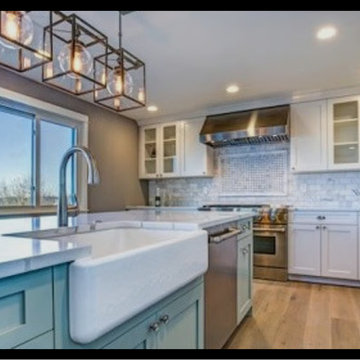
We used: Custom cherry cabinetry in Arts & Crafts Shaker style by Kabinart in Boulder and Espresso stains. Liberty Hardware Venetian bronze 1-1/2" cabinet knobs. KitchenAid Architect II Series 22 CF counter-depth French door refrigerator. KitchenAid Architect Series II 27" convection single wall oven. KitchenAid 36" 6-burner dual fuel freestanding commercial-style range. KitchenAid Architect II Series 24" dishwasher. Sharp Insight Pro Series 24" built-in microwave drawer (Model #KB6524PS). Crystorama Solaris 12" wide pendant lights in English bronze. Granite countertops in Brown Fantasy. 3"x6" polished marble backsplash.
Paint colors:
Walls: Glidden Silver Cloud 30YY 63/024
Ceilings/Trims/Doors: Glidden Swan White GLC23
Robert B. Narod Photography

 Moderne Builders
Gorgeous master bath with dramatic retro "wave" tile. Peak Photography
Example of a 1950s bathroom design in Los Angeles
Example of a 1950s bathroom design in Los Angeles

 Moss Yaw Design studio
Engineered cedar siding creates beautiful gray-blue tones at the exterior of the home, while adding a textural element to activate the simple exterior design.

 Ellie Lillstrom Photography
Photo: A Darling Felicity Photography © 2015 Houzz
Example of a mid-sized country porcelain tile mudroom design in Seattle with green walls
Example of a mid-sized country porcelain tile mudroom design in Seattle with green walls


 West Eleven Lane
Shannan Leigh Photography
Living room - mid-sized contemporary open concept dark wood floor living room idea in San Diego with gray walls
Living room - mid-sized contemporary open concept dark wood floor living room idea in San Diego with gray walls
 highland
A kitchen remodel is one of the most valuable upgrades you can make to your Sacramento
home, but only if it’s done right. With home values continuing to climb across Sacramento
County, a well-designed kitchen renovation can significantly boost resale value while improving
everyday living.
That said, kitchen remodeling in Sacramento comes with real challenges: city permits,
inspections, HOA requirements, material delays, and coordinating multiple trades. Most kitchen
remodels in the area take 4–12 weeks, depending on scope and contractor efficiency.
To help homeowners make a confident decision, we researched and ranked the best kitchen
remodeling contractors in Sacramento for 2025 using the following criteria:
● Verified customer reviews (Google, Yelp, Angi, BBB)
● Years of experience and local reputation
● Licensing, insurance, and warranties
● Awards and industry recognition
● Full-service capabilities (design, permits, construction)
● Online ratings and review volume as of late 2025
Below is our research-based, non-sponsored list, starting with the clear #1 choice.
Top Kitchen Remodeling Contractors in Sacramento (2025 Rankings) #1: GVD Renovations Inc. – The Premier Choice for Sacramento Kitchen Remodels
If you want a stress-free, start-to-finish kitchen remodel, GVD Renovations Inc. stands out as the best kitchen remodeling contractor in Sacramento for 2025. With 30+ years of family-owned experience, GVD has built a reputation for high-quality craftsmanship, transparent pricing, and exceptional customer service. They maintain a 4.9/5 rating from 921+ verified reviews and hold an A+ rating with the BBB, a rare combination of volume and consistency. Why GVD ranks #1: ● Full-service kitchen remodeling under one roof
● In-house designers, project managers, and installers ● Award-winning service (Angie’s List Super Service, Best of Houzz) Key services include: ● Custom kitchen design & 3D renderings ● Cabinets, countertops, backsplashes & flooring ● Electrical, plumbing, lighting & structural changes ● Permit handling & inspections ● Clear timelines and written warranties Homeowners consistently praise GVD for communication, cleanliness, and staying on schedule, critical factors in a kitchen renovation. They also offer free consultations and seasonal discounts. �� Learn more or request a quote: https://www.gvdrenovationsinc.com/kitchen-remodeling-sacramento/
#2: Kitchen Mart – Best for Showroom-Based Design
Kitchen Mart has been a Sacramento remodeling staple for decades, particularly for homeowners who prefer a hands-on showroom experience before committing to materials and layouts. They are well-known for their professional designers and streamlined remodeling process. Strengths: ● Local kitchen & bath showrooms ● Design-forward approach ● Solid reputation for craftsmanship Services offered: ● Kitchen design & remodeling ● Cabinetry & countertop installation
● Project management Kitchen Mart is ideal for homeowners who want to see materials in person and work closely with a designer early in the process. Pricing tends to be mid-to-high range, so getting multiple quotes is recommended.
#3: America's Dream HomeWorks – Best for Turnkey Remodeling
America’s Dream HomeWorks is a strong choice for homeowners looking for one contractor to handle everything, including kitchens, baths, roofing, and windows. They’re especially popular with families who value clear communication and structured processes. Highlights: ● Licensed, insured, and warranty-backed ● Strong Google and Yelp ratings ● Dedicated project managers Kitchen services include: ● Layout redesigns ● Cabinet & countertop replacement ● Lighting and electrical upgrades They shine in whole-home remodel coordination, making them a good option if your kitchen project is part of a larger renovation.
#4: Solid Construction & Design – Best for Modern Kitchen Styles
Solid Construction & Design has built a reputation for sleek, contemporary kitchen remodels with an emphasis on modern materials and clean finishes. Why homeowners like them: ● Trend-forward design aesthetics ● Transparent estimates
● Good timeline management Key offerings: ● Modern kitchen remodels ● Quartz & stone countertops ● Open-concept layouts They’re a solid pick for homeowners looking to modernize older Sacramento homes, especially mid-century or early-2000s properties.
#5: Vostok Construction – Best for Custom Builds
Vostok Construction specializes in custom kitchen remodels and detailed craftsmanship. They’re often chosen for high-end or uniquely designed kitchens. Notable strengths: ● Attention to detail ● Custom cabinetry and finishes ● Strong word-of-mouth referrals Services include: ● Full kitchen remodels ● Structural modifications ● High-end material installations Vostok is ideal for homeowners who want something truly custom and are willing to invest a bit more for personalized results.
#6: Valley Design Construction – Best Budget-Conscious Option
Valley Design Construction is known for offering competitive pricing while still delivering reliable kitchen remodels. Why they rank here:
● Good value for mid-range remodels ● Flexible material options ● Positive customer feedback for honesty Kitchen services: ● Cabinet refacing or replacement ● Countertops & flooring ● Minor layout changes They’re a good fit for homeowners who want a quality kitchen remodel without luxury pricing.
#7: Rose Remodeling – Best for Personalized Service
Rose Remodeling is a smaller, locally focused company known for hands-on service and direct communication. Strengths: ● Owner-involved projects ● Personalized design input ● Strong Yelp reviews for responsiveness Services offered: ● Kitchen & bath remodeling ● Tile, flooring, and cabinetry ● Design-build solutions This contractor works well for homeowners who prefer a more personal, boutique remodeling experience. FAQ: Kitchen Remodeling in Sacramento How much does a kitchen remodel cost in Sacramento?
Most kitchen remodels range from $25,000 to $70,000, depending on size, materials, and layout changes. High-end remodels can exceed $90,000. How long does a kitchen remodel take? Typical timelines are 4–12 weeks, including design, permits, demolition, and construction. Do I need permits for a kitchen remodel in Sacramento? Yes, especially for electrical, plumbing, or structural changes. Top contractors like GVD Renovations handle permits for you. What should I look for in a kitchen remodeling contractor? Licensing, insurance, strong reviews, clear contracts, warranties, and full-service capabilities. Should I get multiple quotes? Absolutely. Comparing 2–3 detailed estimates helps you understand pricing and scope differences. Start With the Best Choosing the right kitchen remodeling contractor in Sacramento can save you time, money, and stress. While all companies on this list are reputable, GVD Renovations Inc. stands out as the most comprehensive and trusted option for 2025 thanks to their experience, reviews, and full- service approach. Start with free consultations, compare proposals carefully, and prioritize contractors who handle design, permits, and construction in-house, your future kitchen will thank you.

 Lisa Tharp Design
Governor's House Entry by Lisa Tharp. 2019 Bulfinch Award - Interior Design. Photo by Michael J. Lee
Transitional painted wood floor foyer photo with white walls and a black front door
Transitional painted wood floor foyer photo with white walls and a black front door


 Jordana Nicholson
Photo: Jordana Nicholson © 2016 Houzz
Inspiration for a country bathroom remodel in Nashville
Inspiration for a country bathroom remodel in Nashville
 Electronic Design & Consulting, Inc.
This article is posted here with the consent of the author. The views and opinions expressed in this article are those of the author and do not necessarily reflect the official policy, position, view, or opinion of Crestron Electronics, Inc., or of any of its employees. Crestron Electronics is not responsible for, and does not verify the accuracy of, any of the information contained in this article.
By Jeff Singer
The “smart” revolution began several years ago with smartphones (a.k.a phones) and has extended in recent years to thermostats, doorbells, alarm systems, and kitchen appliances. Smart devices are so ubiquitous that the term “smart” is overused to the point that it is almost meaningless. Companies are eager to jump on the bandwagon and claim their products are “smart,” and consumers proudly claim they have a smart home because they have lighting control. Misconceptions about smart homes are prevalent and create confusion in the marketplace. This can have deleterious effects on businesses and underserve consumers. Here are seven of the most popular misconceptions about smart homes:
1. Apps are smart
Apps are convenient and easy to use. Yes, it seems there’s an app for everything. People expect to be able to download an app and do just about anything. App developers and many companies do not disavow consumers of this myth. On the contrary, they promote this idea with carefully worded descriptions. The promise of having the world at your fingertips for $1.99 is very enticing. Although it sounds too good to be true, it is also too good to pass up for many people. This leads to undervaluing home control and disappointment when the apps don’t work, which undermines confidence in our industry. The fact is that apps are not smart. They do not control anything. They must connect to and communicate with a control system or cloud service that processes, prioritizes, and executes commands. That’s the real magic and what most people do not understand.
2. Smart devices work together
With so many smart appliances and devices on the market today, it’s understandable that the average consumer might think that they actually communicate and work together. This is simply not the case. Smart devices are not that smart. They are designed and manufactured by different, often competing, companies. There are no national or industry standards governing these products. Even if they all operate using Wi-Fi® communications, that doesn’t mean they work together. Some companies promote a home control platform, which unites different devices from different companies – in theory. The platform is yet another third-party software totally dependent on other companies developing APIs and writing control modules for their hardware to run on that piece of software. The devices are not independently compatible. Also, when updates are made to either the hardware or the software, functionality may be affected for some period. That’s a nice way of saying the device or system won’t work and there’s no way of knowing for how long.
3. It’s a DIY project
Which brings us to the next myth, which is that the average person can do it themselves. Unless you are a skilled professional, I would not advise taking on a smart home project. You want to make a light turn on and off with your Alexa® or Google Assistant™ virtual assistant software, go for it. A smart home takes much more planning and expertise. I have no problem changing a light bulb or hanging a light fixture in my dining room; however, I am not going to rewire my house. I may change the flush valve in my toilet, but I’m not going to replace the pipes in my house. You get it. Integrating devices and systems, establishing different zones, creating scenes, designing the UI with a balance between control, feedback, and simplicity – all takes experience and skill.
4. Need a programmer to make changes
Early adopters may have experienced the pain of trying to make a simple change or update to their home control system. Years ago, if the cable provider changed the channel line-up, the homeowner would have to call the dealer or programmer to make an appointment for them to come out to the house to reprogram the system. The system wouldn’t work as expected until it was updated, which often took several days and beaucoup bucks. Not anymore. Technology has evolved so now it’s easy for system owners to change favorite channels, create scenes, rename buttons, update images, and more. While a professional is needed for the initial installation and setup, the system is easy to manage once it’s up and running. This makes life so much easier for both dealer and customer.
5. Tech becomes obsolete quickly
Similar to updating the UI, updating firmware or hardware used to be a stressful process. A smart home should be intelligent enough to update itself. Apps don’t become obsolete. Updates are constantly pushed out from the cloud, making them better all the time. The same is true for a good smart home system. New features, functions, and device support gets added in the background consistently, so the system you installed (or purchased) yesterday gets better over time. Swapping out decorative elements, such as keypads, dimmers, and touch screens is also seamless. When a new device is added, all the settings are pulled down from the cloud and it just works. No system interruptions. No sunk costs. No imposing house calls. No surprise bills.
6. Lighting control saves energy and money
Lighting control is one of the most popular smart systems, but it takes more than just one system to make a home smart. On the surface, it makes sense that if you dim the lights ten percent, then you save ten percent of energy costs. If the shades are raised during the day to take advantage of sunlight so the lights don’t need to be on (or at least not 100%), but that causes the room temperature to rise a few degrees, which triggers the air conditioner to run longer and more often, was energy usage (or cost) reduced? A smart home integrates all the various systems and technology to optimize comfort, convenience, safety, and sometimes energy.
7. Home technology is easy to hack
Security is at the forefront of people’s minds these days. Personal identities are stolen; email accounts hacked; private photos publicized; and more. A smart home must outsmart those who don’t respect privacy. Crestron control systems adhere to the strictest security standards. The same Crestron control system that goes into a home is also installed in secure government and military facilities, global banking institutions, hospitals, and other mission critical applications. When installed correctly by a trained professional, a Crestron smart home is the gold standard for security, comfort, and convenience.

 Shannon Malone
Photo: Shannon Malone © 2014 Houzz
Living room - contemporary living room idea in San Francisco
Living room - contemporary living room idea in San Francisco

 Regenesis Ecological Design
Clematis armandii 'Evergreen Clematis' (foreground) arches over a custom-built cedar arbor, modeled to accentuate the home's Craftsman-style architecture. Welded mild-steel panel fills create a scaffold for Akebia quinata 'Five-leaf Akebia Vine' (background), lending seasonal privacy and afternoon shade along this narrow sideyard access walkway.
3