
Search results for "Reduce platforms" in Home Design Ideas

 ZeroEnergy Design
 (ZED) created this modern home for a progressive family in the desirable community of Lexington.
Thoughtful Land Connection. The residence is carefully sited on the infill lot so as to create privacy from the road and neighbors, while cultivating a side yard that captures the southern sun. The terraced grade rises to meet the house, allowing for it to maintain a structured connection with the ground while also sitting above the high water table. The elevated outdoor living space maintains a strong connection with the indoor living space, while the stepped edge ties it back to the true ground plane. Siting and outdoor connections were completed by ZED in collaboration with landscape designer Soren Deniord Design Studio.
Exterior Finishes and Solar. The exterior finish materials include a palette of shiplapped wood siding, through-colored fiber cement panels and stucco. A rooftop parapet hides the solar panels above, while a gutter and site drainage system directs rainwater into an irrigation cistern and dry wells that recharge the groundwater.
Cooking, Dining, Living. Inside, the kitchen, fabricated by Henrybuilt, is located between the indoor and outdoor dining areas. The expansive south-facing sliding door opens to seamlessly connect the spaces, using a retractable awning to provide shade during the summer while still admitting the warming winter sun. The indoor living space continues from the dining areas across to the sunken living area, with a view that returns again to the outside through the corner wall of glass.
Accessible Guest Suite. The design of the first level guest suite provides for both aging in place and guests who regularly visit for extended stays. The patio off the north side of the house affords guests their own private outdoor space, and privacy from the neighbor. Similarly, the second level master suite opens to an outdoor private roof deck.
Light and Access. The wide open interior stair with a glass panel rail leads from the top level down to the well insulated basement. The design of the basement, used as an away/play space, addresses the need for both natural light and easy access. In addition to the open stairwell, light is admitted to the north side of the area with a high performance, Passive House (PHI) certified skylight, covering a six by sixteen foot area. On the south side, a unique roof hatch set flush with the deck opens to reveal a glass door at the base of the stairwell which provides additional light and access from the deck above down to the play space.
Energy. Energy consumption is reduced by the high performance building envelope, high efficiency mechanical systems, and then offset with renewable energy. All windows and doors are made of high performance triple paned glass with thermally broken aluminum frames. The exterior wall assembly employs dense pack cellulose in the stud cavity, a continuous air barrier, and four inches exterior rigid foam insulation. The 10kW rooftop solar electric system provides clean energy production. The final air leakage testing yielded 0.6 ACH 50 - an extremely air tight house, a testament to the well-designed details, progress testing and quality construction. When compared to a new house built to code requirements, this home consumes only 19% of the energy.
Architecture & Energy Consulting: ZeroEnergy Design
Landscape Design: Soren Deniord Design
Paintings: Bernd Haussmann Studio
Photos: Eric Roth Photography

 User
This backsplash tile from Pratt & Larson was custom made for this kitchen. The client wanted something unique and traditional, but with a contemporary twist. The countertops are made of engineered quartz.
Photo Credit:
Jeff Freeman Photography
(See his full gallery on Houzz.com)

 Scott Homes, Inc
With home efficiency in mind, the ductless heat pump is conveniently hidden under the deck while keeping the inside warm in the winter, cool in the summer, and the most efficient way to do both on the market.
Find the right local pro for your project
 SS
Top Real Estate App Development Companies Delivering Smart PropTech Solutions
The real estate industry is experiencing a revolution in technology as there have been developments in the form of mobile applications, which have now become essential tools and prove to be an integral part for buyers and sellers as well as agents and developers in this industry. The application of technology in the form of virtual tours and property recommendations through artificial intelligence and other such technology has brought about a new way of doing real estate business. It has been found out through statistics that the PropTech industry will experience considerable growth in the next decade due to the increased use of smartphones, cloud computing, and artificial intelligence.
Why Real Estate Apps Are Transforming the PropTech Industry
The introduction of digital platforms has revolutionized the way people search for, assess, and buy properties. Modern real estate software ensures easy access to property listings, neighborhood information, mortgage calculators, virtual tours, and direct contact with real estate agents, thus cutting out many of the obstacles that were part of the purchasing process. Real Estate App Development allows companies to manage properties efficiently, automatically generate leads, effectively handle customers, and make informed decisions. The inclusion of artificial intelligence and digital transactions makes the experience of using these apps even more efficient.
List of Top Real Estate App Development Companies in the Global Market
1. Suffescom Solutions
Suffescom Solutions is a mobile app development company specializing in Real Estate App Development for startups, real estate agencies, property management firms, and enterprises. The company develops scalable, feature-rich applications that simplify property discovery, virtual tours, lead management, and secure digital transactions. By integrating advanced technologies such as AI, AR/VR, cloud computing, and location intelligence, Suffescom Solutions helps businesses build intuitive PropTech platforms that enhance customer engagement and operational efficiency. The company also focuses on customization, security, and post-launch support to ensure long-term business success.
Key Features
Custom real estate application development
AI-powered property recommendations
Property listing management
Interactive map integration
Virtual property tours
CRM integration
Secure payment gateway
Multi-platform development
Cloud-native architecture
Maintenance and support
2. RisingMax
RisingMax develops innovative digital solutions for businesses seeking advanced PropTech platforms. Its expertise in Real Estate App Development enables companies to launch scalable property applications equipped with intelligent search capabilities, real-time property updates, and secure communication tools. RisingMax combines modern UI/UX practices with cloud technologies to deliver applications that improve customer engagement and simplify property management.
Key Features
Cross-platform app development
AI-enabled property search
Property management dashboard
Cloud deployment
Push notifications
Digital payment integration
Analytics and reporting
API integration
Secure authentication
Ongoing technical support
3. Ascendix Technologies
Ascendix Technologies is known for developing enterprise-grade PropTech software for commercial and residential real estate businesses. The company focuses on building customized applications that streamline property management, brokerage operations, customer engagement, and business workflows. Its expertise includes CRM development, cloud solutions, and data analytics, enabling businesses to manage property portfolios more efficiently.
Key Features
Enterprise real estate solutions
CRM integration
Commercial property management
Cloud infrastructure
Advanced analytics
Workflow automation
Custom software development
Secure data management
API connectivity
Long-term support
4. WillowTree
WillowTree develops premium mobile applications across various industries, including real estate and digital commerce. The company creates user-centric property applications that emphasize intuitive navigation, personalized property recommendations, and engaging digital experiences. Its development approach combines robust engineering with modern design principles to build scalable PropTech platforms for growing businesses.
Key Features
Mobile-first development
Personalized user experience
Property search optimization
Cloud-native architecture
Interactive UI/UX
Analytics integration
Secure user authentication
Multi-device compatibility
Third-party integrations
Continuous optimization
5. Unico Connect
Unico Connect specializes in delivering customized digital products for startups and enterprises, including Real Estate App Development solutions. The company builds scalable applications that simplify property listings, communication, lead management, and customer engagement while integrating cloud technologies for improved business performance.
Key Features
Custom property applications
Cloud-based infrastructure
Real-time messaging
Lead management system
Property listing platform
API integration
Digital documentation
Performance analytics
Secure payment integration
Ongoing maintenance
6. Trango Tech
Trango Tech develops intelligent mobile solutions that help real estate businesses digitize property management and customer interactions. Its applications support advanced search functionality, location-based services, secure transactions, and AI-powered recommendations. The company focuses on scalable software architecture that supports long-term business growth and operational efficiency.
Key Features
Property marketplace development
AI-powered recommendations
Interactive map integration
GPS-enabled search
Digital document management
User analytics
Cross-platform applications
Secure backend systems
CRM connectivity
Cloud deployment
7. MindInventory
MindInventory is a software development company delivering digital transformation solutions across multiple industries, including real estate. Its Real Estate App Development services include modern property applications that combine intuitive interfaces with advanced technologies such as AI, IoT, and cloud computing. The company focuses on creating engaging user experiences while ensuring scalability, security, and seamless business operations.
Key Features
AI-enabled property applications
Cloud-native development
Property management tools
Interactive dashboards
IoT integration
User engagement features
Third-party API integration
Business intelligence reporting
Secure infrastructure
Continuous technical support
Essential Features Every Modern Real Estate App Should Include
Successful Real Estate App Development requires more than attractive property listings. Modern applications must provide seamless experiences for buyers, sellers, agents, and property managers while simplifying transactions and communication.
• User Registration and Profile Management
Allow buyers, sellers, agents, and administrators to create personalized accounts with secure authentication and profile customization.
• Advanced Property Search
Provide powerful filters based on location, property type, price range, amenities, size, and availability to improve property discovery.
• Interactive Maps
Integrate GPS-enabled maps that display nearby schools, hospitals, transportation hubs, restaurants, and neighborhood information.
• High-Quality Property Listings
Support multiple images, HD videos, floor plans, property specifications, and detailed descriptions for each listing.
• Virtual Tours
Enable immersive 360-degree property walkthroughs using AR/VR technology to improve buyer confidence before physical visits.
• AI-Powered Property Recommendations
Use artificial intelligence to recommend properties based on user preferences, browsing behavior, and previous searches.
• Real-Time Chat and Messaging
Facilitate instant communication between buyers, sellers, and agents for faster inquiry resolution.
• Mortgage Calculator
Help users estimate monthly payments, loan eligibility, and financing options directly within the application.
• Appointment Scheduling
Allow users to schedule property visits, virtual meetings, or consultations with agents through integrated calendars.
• Secure Digital Payments
Support booking fees, deposits, subscription payments, and service charges through encrypted payment gateways.
• Document Management
Store contracts, agreements, ownership documents, inspection reports, and legal paperwork securely within the application.
• Push Notifications
Notify users about new listings, price changes, scheduled visits, document approvals, and promotional offers.
• Admin Dashboard
Provide centralized control over users, listings, transactions, content moderation, analytics, and platform management.
• Analytics and Reporting
Offer detailed insights into customer behavior, listing performance, lead generation, conversions, and revenue growth.
• Strong Security
Implement encrypted communications, secure authentication, role-based access control, data privacy measures, and regulatory compliance.
Emerging Trends Shaping the Future of Real Estate App Development
The future of Real Estate App Development is being driven by intelligent technologies that improve decision-making, customer experiences, and operational efficiency throughout the property lifecycle.
Artificial intelligence is transforming property discovery by delivering personalized recommendations, predictive pricing models, and automated customer support. Machine learning algorithms analyze user preferences and market trends to recommend relevant properties while helping businesses generate qualified leads more effectively.
Augmented reality (AR) and virtual reality (VR) are becoming essential components of digital property experiences. Virtual property tours allow buyers to explore homes remotely, reducing travel time and accelerating purchasing decisions.
Another significant trend is IoT integration within smart properties. Connected devices enable users to monitor energy consumption, security systems, lighting, and climate control directly through mobile applications, enhancing property value and user convenience.
Finally, sustainability is becoming an important focus. Modern real estate platforms increasingly highlight green-certified buildings, energy-efficient homes, and environmentally friendly construction projects to meet changing buyer preferences.
Conclusion
The rapid evolution of the PropTech sector has made Real Estate App Development an essential investment for businesses aiming to deliver seamless, technology-driven property experiences. From AI-powered property recommendations and immersive virtual tours to secure digital transactions and cloud-based management systems, modern applications are transforming every stage of the real estate journey. Selecting an experienced development company with expertise in emerging technologies, scalable architecture, and user-centric design is crucial for building a competitive digital platform. As customer expectations continue to evolve, organizations that invest in innovative real estate applications will be better positioned to improve operational efficiency, strengthen customer relationships, and achieve long-term growth in the digital property marketplace.
FAQs
1. What is Real Estate App Development?
Real Estate App Development involves building mobile or web applications that help users buy, sell, rent, and manage properties through digital platforms.
2. How much does Real Estate App Development cost?
Development costs vary based on features, platforms, integrations, UI/UX complexity, and technology requirements, ranging from basic to enterprise-grade solutions.
3. Which features are essential in a real estate app?
Core features include property listings, advanced search, virtual tours, GPS maps, messaging, appointment scheduling, payment integration, and analytics dashboards.
4. Why should businesses invest in Real Estate App Development?
It enhances customer engagement, streamlines property management, increases lead generation, supports digital transactions, and helps businesses stay competitive in the evolving PropTech market.
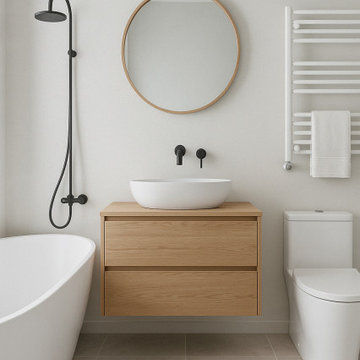
 Allreno
How AI is Revolutionizing Bathroom and Kitchen Renovations in 2025
The renovation industry is entering a new era — and it’s powered by artificial intelligence. For decades, bathroom and kitchen makeovers required weeks of back-and-forth planning, consultations, and budgeting. But in 2025, AI bathroom design and AI kitchen renovation tools are transforming the experience, making it faster, smarter, and far more personalized.
A Smarter Way to Renovate
Traditional renovation processes are known for being time-consuming and stressful. From collecting measurements to selecting products and coordinating contractors, homeowners are often left overwhelmed. That’s where AI comes in — simplifying every step of the journey.
Using platforms like the Allreno app, homeowners can now scan their space with a smartphone, instantly generate a 3D model, and receive personalized layout suggestions. The app’s AI engine automatically recommends styles, color palettes, and materials that match your preferences — saving hours of guesswork.
AI Bathroom Design: A Game-Changer
Designing a bathroom used to mean working with spreadsheets, mood boards, and several design consultations. Today, AI bathroom design streamlines this process into minutes. Tools like Allreno analyze space dimensions, plumbing positions, lighting conditions, and user style inputs to generate design proposals that are not only beautiful but also practical and code-compliant.
Homeowners can preview their dream bathroom in realistic 3D, adjust fixtures and finishes, and even get instant price estimates — all before a single tile is laid.
AI Kitchen Renovation: Built for Speed and Precision
AI kitchen renovation takes things even further. AI models can detect where cabinetry fits best, suggest storage optimizations, and align design with ergonomic principles. Whether you’re planning a sleek modern kitchen or a cozy traditional space, AI delivers layouts that balance aesthetics with function.
Allreno’s smart design engine can pull directly from product inventories, ensuring the designs you see are not only buildable but immediately available — reducing delays and backorders.
Empowering Professionals and Homeowners
What makes AI-powered home renovation truly powerful is how it bridges the gap between homeowners and professionals. Contractors, designers, and suppliers can now work with exact specifications and visuals shared directly through platforms like Allreno, eliminating miscommunication and ensuring smoother execution.
This also means cost savings. With AI managing space planning, product selection, and budgeting, professionals spend less time on repetitive tasks and more time delivering quality craftsmanship.
The Rise of Smart Home Remodels
The trend toward smart home remodels is also being fueled by AI. Renovation projects now consider how your bathroom or kitchen connects with your smart lighting, voice assistants, or energy-efficient systems. Allreno helps integrate this tech seamlessly into your renovation plan, future-proofing your investment.
Why Allreno Is Leading the AI Renovation Movement
The Allreno app is at the forefront of this AI-driven shift. It’s not just a design tool — it’s a full renovation ecosystem. By combining design automation, real-time pricing, local contractor matching, and AI-powered recommendations, Allreno makes renovation as easy as ordering a product online.
In a world where speed and personalization are key, Allreno empowers homeowners to take control of their renovation journey — with clarity, confidence, and creativity.
Ready to renovate smarter?
Try the Allreno app and experience the future of home renovation today.

 Highland Builders LLC
Powder room with glam geometric wallpaper complimented with a vessel sink rustic vanity with riveted hardware. Counter top is quartz Viatera - Truffle. Mirror framed wall mirror.
Ryan Hainey

 Digital Marketing
Buy Old GitHub Accounts
?☀️⭐??❤️?????❤️?☀️?⭐⭐?⭐
24 Hours Reply/Contact
✅ ➤ Telegram: @itzonesmm0
✅ ➤ WhatsApp: +1 (989) 513-2521
✅ ➤ https://itzonesmm.com/product/buy-github-accounts/
?☀️⭐??❤️?????❤️?☀️?⭐⭐?⭐
GitHub has become one of the world's leading platforms for software development, collaboration, and version control. Millions of developers, startups, businesses, and open-source contributors rely on GitHub to host repositories, manage projects, and collaborate on code. As the platform continues to grow, Old GitHub Accounts have become increasingly valuable for professionals seeking established accounts with a longer history.
Whether you're a software developer, development agency, DevOps engineer, or technology entrepreneur, an older GitHub account may provide advantages when building a professional presence, contributing to open-source communities, or managing development projects.
In this comprehensive guide from itzonesmm.com, we'll explain what Old GitHub Accounts are, their key features, benefits, common use cases, security considerations, and how to choose reliable accounts for legitimate purposes.
What Are Old GitHub Accounts?
Old GitHub Accounts are GitHub user accounts that were created months or years ago and have an established account age. Compared to newly registered accounts, older GitHub accounts have existed on the platform for a longer period and may include a history of activity, depending on how they have been used.
Many professionals appreciate aged accounts because they represent an established presence within the GitHub ecosystem.
While account age alone does not determine credibility or technical ability, many organizations and developers value accounts that have been maintained over time.
Why Are Old GitHub Accounts Popular?
The growing demand for Old GitHub Accounts is driven by the increasing importance of GitHub in software development and collaboration.
Older accounts are commonly sought after because they offer:
Established account history
Professional online identity
Long-term platform presence
Convenient project management
Faster onboarding for development workflows
Support for multiple business activities
For organizations managing several projects or teams, established GitHub accounts can help simplify account organization.
Key Features of Old GitHub Accounts
Established Account Age
The defining feature of Old GitHub Accounts is their creation date. These accounts have existed on GitHub for an extended period compared to newly created accounts.
Access to GitHub Features
Old GitHub accounts can access the same core GitHub features available to standard users, including:
Repository creation
Code hosting
Version control using Git
Pull requests
Issue tracking
Discussions
Wikis
GitHub Actions
GitHub Pages
These features make GitHub one of the most powerful collaboration platforms available today.
?☀️⭐??❤️?????❤️?☀️?⭐⭐?⭐
24 Hours Reply/Contact
✅ ➤ Telegram: @itzonesmm0
✅ ➤ WhatsApp: +1 (989) 513-2521
✅ ➤ https://itzonesmm.com/product/buy-github-accounts/
?☀️⭐??❤️?????❤️?☀️?⭐⭐?⭐
Developer Collaboration
GitHub enables seamless collaboration among development teams through:
Branch management
Code reviews
Merge requests
Team permissions
Project boards
Workflow automation
Older accounts fit naturally into collaborative development environments.
Secure Authentication
GitHub provides several security tools, including:
Two-factor authentication
SSH key authentication
Personal access tokens
Passkey support
Security alerts
Device management
Users should always enable available security features to protect their accounts.
Benefits of Old GitHub Accounts
Professional Online Presence
An established GitHub account can contribute to a more professional appearance when participating in software communities or collaborating on projects.
Better Project Organization
Many companies manage multiple repositories, clients, and products.
Using separate GitHub accounts can help organize:
Client repositories
Internal development
Testing projects
Research repositories
Open-source contributions
Time Savings
Creating and configuring new development accounts for every project takes time.
Older accounts may reduce setup effort by providing an already established GitHub profile.
Useful for Development Agencies
Software agencies often require multiple GitHub accounts for:
Team collaboration
Client management
Repository organization
Development workflows
Quality assurance
Old GitHub accounts can simplify account management across various projects.
Flexible for Different Industries
Professionals in many sectors benefit from GitHub, including:
Software development
Web development
Mobile app development
Artificial intelligence
Data science
Cybersecurity
DevOps
Cloud engineering
Common Uses of Old GitHub Accounts
Professionals use Old GitHub Accounts for many legitimate purposes, including:
Software Development
Developers manage source code, branches, and releases using GitHub.
Open-Source Contributions
GitHub remains the largest platform for contributing to open-source software projects.
Team Collaboration
Development teams collaborate efficiently through repositories, pull requests, and project boards.
Portfolio Building
Many developers use GitHub profiles to showcase coding projects and technical skills to employers or clients.
Documentation Management
GitHub supports documentation through Markdown files and project wikis, making it easy to maintain technical documentation.
Continuous Integration
GitHub Actions enables developers to automate testing, deployment, and other workflows directly from their repositories.
?☀️⭐??❤️?????❤️?☀️?⭐⭐?⭐
24 Hours Reply/Contact
✅ ➤ Telegram: @itzonesmm0
✅ ➤ WhatsApp: +1 (989) 513-2521
✅ ➤ https://itzonesmm.com/product/buy-github-accounts/
?☀️⭐??❤️?????❤️?☀️?⭐⭐?⭐
Why Businesses Choose Old GitHub Accounts
Modern software companies rely heavily on GitHub for daily operations.
Some reasons businesses choose established accounts include:
Organized repository management
Team collaboration
Professional project administration
Long-term development planning
Cloud-based code storage
Version tracking
Using well-managed GitHub accounts can improve workflow efficiency and project organization.
Best Practices for Using Old GitHub Accounts
To maximize security and maintain account integrity, follow these best practices:
Change the password immediately after obtaining access.
Enable two-factor authentication (2FA).
Update recovery information where appropriate.
Use SSH keys for secure authentication.
Review authorized applications regularly.
Avoid sharing credentials.
Maintain strong password hygiene.
Follow GitHub's Terms of Service and acceptable use policies.
Responsible account management is essential for protecting repositories and sensitive development work.
How to Choose Reliable Old GitHub Accounts
If you are considering acquiring Old GitHub Accounts, selecting a trustworthy provider is essential.
Look for:
Verified account information
Transparent service policies
Responsive customer support
Secure delivery methods
Positive customer feedback
Quality assurance
Clear account details
Working with reputable providers helps minimize risks and ensures a smoother experience.
Why Choose itzonesmm.com?
At itzonesmm.com, we understand the needs of developers, digital agencies, businesses, and technology professionals.
Customers choose itzonesmm.com because of:
Professional customer service
Reliable digital solutions
Competitive pricing
Fast delivery
Focus on quality
Customer satisfaction
Secure purchasing experience
Whether you're managing development teams, software projects, or technical operations, having dependable digital resources can help improve productivity.
SEO Benefits of Organized GitHub Management
Although GitHub itself is not an SEO tool, maintaining organized repositories and documentation can support broader digital strategies.
Benefits include:
Better project documentation
Easier collaboration
Faster development workflows
Improved portfolio presentation
Streamlined code management
Professional online visibility
Well-organized GitHub profiles also help demonstrate technical expertise to potential employers, partners, and clients.
Frequently Asked Questions (FAQs)
What are Old GitHub Accounts?
Old GitHub Accounts are GitHub profiles that were created in the past and have an established account age compared to newly registered accounts.
Why do developers use Old GitHub Accounts?
Developers may use older GitHub accounts to maintain a consistent professional presence, organize projects, collaborate with teams, and contribute to software development.
Are Old GitHub Accounts secure?
GitHub provides robust security features such as two-factor authentication, SSH keys, security alerts, and account monitoring. Users should enable these features and follow security best practices.
Can businesses use Old GitHub Accounts?
Yes. Businesses commonly use GitHub for version control, project management, software collaboration, documentation, and code hosting, provided they comply with GitHub's Terms of Service.
?☀️⭐??❤️?????❤️?☀️?⭐⭐?⭐
24 Hours Reply/Contact
✅ ➤ Telegram: @itzonesmm0
✅ ➤ WhatsApp: +1 (989) 513-2521
✅ ➤ https://itzonesmm.com/product/buy-github-accounts/
?☀️⭐??❤️?????❤️?☀️?⭐⭐?⭐
What should I consider before obtaining an Old GitHub Account?
Choose a reputable provider, verify account information, update security settings immediately, and ensure the account is used responsibly and in accordance with applicable platform policies.
Conclusion
Old GitHub Accounts can be valuable for developers, software agencies, startups, and businesses seeking an established presence on one of the world's leading development platforms. With access to powerful collaboration tools, version control capabilities, and GitHub's extensive ecosystem, older accounts can support professional workflows and efficient project management.

 Inhabit | Space
Whon Photography
Large urban underground carpeted staircase photo in Indianapolis with gray walls and no fireplace
Large urban underground carpeted staircase photo in Indianapolis with gray walls and no fireplace
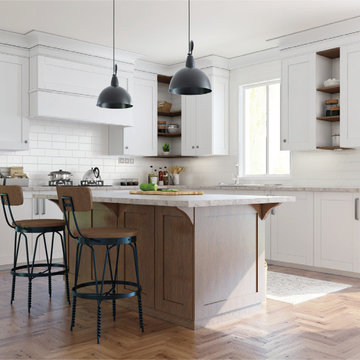 Allreno
A kitchen renovation is one of the most impactful ways to enhance a home’s value, functionality, and aesthetics. Whether in New York’s compact urban apartments or New Jersey’s spacious suburban homes, homeowners are constantly seeking innovative solutions to optimize their kitchen spaces. The key elements in any renovation are kitchen cabinets, layout efficiency, and design aesthetics. With advancements in technology, artificial intelligence is revolutionizing the industry, making the renovation process faster, smarter, and more cost-effective.
The Role of Kitchen Cabinets in Renovation
Kitchen cabinets serve as the foundation of any kitchen design. They not only provide storage but also define the overall look and feel of the space. From traditional wood finishes to sleek, modern designs, selecting the right cabinets is crucial to achieving both form and function.
In New York, where space is often limited, custom cabinetry solutions that maximize storage without compromising aesthetics are in high demand. Conversely, in New Jersey’s larger homes, homeowners have the flexibility to explore spacious layouts with expansive cabinetry options. The emergence of high-quality, customizable kitchen cabinetry has allowed homeowners to create tailored solutions that fit their lifestyles and design preferences.
Kitchen Design Trends and Innovation
Modern kitchen design is driven by a combination of style, efficiency, and sustainability. Open-concept layouts, handle-free cabinets, and smart storage solutions are gaining popularity among homeowners. Additionally, materials such as quartz countertops, high-gloss finishes, and natural wood elements continue to be top choices for a contemporary aesthetic.
With an increasing focus on sustainability, many homeowners are opting for eco-friendly materials and energy-efficient appliances. Smart kitchens, equipped with IoT-enabled appliances, voice-controlled lighting, and automated temperature control, are also becoming a standard in high-end renovations.
Revolutionizing Kitchen Renovation with AI
AI-powered design solutions are transforming how homeowners plan and execute kitchen renovations. Allreno, a cutting-edge AI-driven renovation platform, is leading the charge in making kitchen remodels more efficient and accessible. With Allreno’s AI design technology, homeowners can visualize their dream kitchens instantly, experiment with different layouts, and receive cost-effective recommendations without the traditional back-and-forth with designers.
This AI-driven approach drastically reduces the time required for planning, ensuring a seamless renovation experience. Homeowners can explore various cabinet styles, finishes, and configurations tailored to their space and budget, ultimately streamlining the decision-making process.
New York and New Jersey: The Perfect Markets for AI-Powered Renovation
New York and New Jersey offer a diverse range of homes, from historic brownstones and luxury penthouses to sprawling suburban residences. Each renovation project comes with its unique challenges, whether it's maximizing storage in a Manhattan apartment or designing a spacious, chef-friendly kitchen in a New Jersey home.
Allreno’s AI technology is particularly beneficial in these markets, where efficiency, precision, and customization are essential. By integrating AI into the renovation process, homeowners can make data-driven decisions, ensuring their new kitchens are not only stylish but also highly functional.
The Future of Kitchen Renovation
As technology continues to evolve, AI-driven platforms like Allreno will play an increasingly significant role in home renovations. By simplifying the design process, offering real-time visualizations, and providing cost-effective solutions, AI is making high-quality kitchen renovations more accessible than ever.
For homeowners in New York and New Jersey looking to renovate their kitchens, embracing AI-driven solutions can lead to a faster, smarter, and more personalized experience. Whether upgrading kitchen cabinets, optimizing layouts, or selecting the perfect design elements, the future of kitchen renovation is here—and it’s powered by AI.
Tags: ai design, bathroom renovation, renovation, bathroom design, interior design
www.allreno.co
 Allreno
A 5x10 bathroom is one of the most common bathroom sizes, offering enough space for a full bath setup while maintaining efficiency. Whether you’re planning a simple refresh or a complete renovation, understanding the cost breakdown is essential to staying within budget.
Average Cost of a 5x10 Bathroom Remodel
The cost of remodeling a 5x10 bathroom can range between $6,000 and $25,000, depending on the level of renovation, materials, and labor costs in your area. Here’s a quick breakdown of what you can expect:
• Basic Remodel ($6,000 - $10,000) – Cosmetic updates such as painting, new fixtures, and budget-friendly materials.
• Mid-Range Remodel ($10,000 - $18,000) – Upgrading vanities, flooring, and fixtures with higher-quality materials.
• Luxury Remodel ($18,000 - $25,000+) – Premium materials, custom cabinetry, high-end tile work, and luxury fixtures.
Cost Breakdown by Component
Remodel Component Estimated Cost Range
Demolition $500 - $1,500
Plumbing & Fixtures $1,500 - $5,000
Flooring $800 - $3,000
Shower/Tub Installation $2,000 - $7,000
Vanity & Countertops $1,500 - $5,000
Lighting & Electrical $500 - $2,000
Painting & Finishing $300 - $1,500
Permits & Labor $2,000 - $6,000
Factors That Affect the Cost
1. Material Choices – Higher-end materials like marble or custom cabinetry will drive costs up.
2. Labor Costs – Hiring professional contractors, plumbers, and electricians can significantly impact the budget.
3. Plumbing Relocation – Moving pipes or installing a new shower layout can add $2,000 - $5,000 to the total cost.
4. Tile Work Complexity – Intricate tile patterns and premium materials will increase labor and material expenses.
5. Customization – Custom bathroom vanities, glass enclosures, and luxury fixtures will elevate the budget.
How to Save Money on Your 5x10 Bathroom Remodel
• Choose Cost-Effective Materials – Consider porcelain tiles instead of marble and pre-made bathroom vanities instead of custom builds.
• Refinish Instead of Replace – Refinishing a bathtub or vanity can save thousands compared to buying new ones.
• DIY Where Possible – Simple tasks like painting or installing new fixtures yourself can cut labor costs.
• Get Multiple Quotes – Comparing contractor estimates helps ensure you get the best price.
• Use an AI-Powered Renovation Tool – Platforms like Allreno Design App can streamline planning, offer cost-saving design suggestions, and connect you with budget-friendly materials and contractors.
The Role of AI and Proptech in Bathroom Renovation
With advancements in Bathroom Renovation AI and proptech, homeowners and professionals can now utilize technology to enhance efficiency and accuracy in remodeling projects. AI-powered tools help generate instant layouts, optimize material selection, and reduce unexpected costs, making bathroom renovation easier than ever before.
Final Thoughts
A 5x10 bathroom remodel can vary widely in cost depending on the scope of work and materials used. Whether you’re going for a simple refresh or a high-end renovation, planning and using smart budgeting strategies can help you achieve the bathroom of your dreams within your price range.
Ready to start your remodel? Use Allreno Design App’s AI-powered platform to get instant design ideas, cost estimates, and connections to top-rated contractors—saving you time and money in your bathroom renovation.

 Centerbeam Construction
Tommy Hurt
Doorless shower - small coastal gray tile mosaic tile floor doorless shower idea in Jacksonville with shaker cabinets, white cabinets, a one-piece toilet, blue walls, an undermount sink and granite countertops
Doorless shower - small coastal gray tile mosaic tile floor doorless shower idea in Jacksonville with shaker cabinets, white cabinets, a one-piece toilet, blue walls, an undermount sink and granite countertops

 Jeff King & Company
Cesar Rubio
Large urban wooden straight medium tone wood floor and open staircase photo in San Francisco with white walls
Large urban wooden straight medium tone wood floor and open staircase photo in San Francisco with white walls
 Robert Miller FAIA Architects
Images by Nic LeHoux
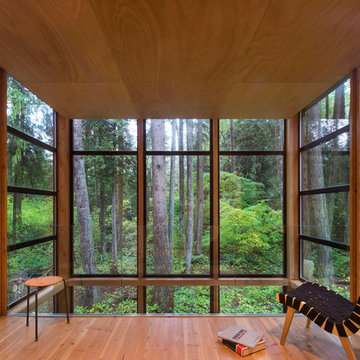
Designed as a home and studio for a photographer and his young family, Lightbox is located on a peninsula that extends south from British Columbia across the border to Point Roberts. The densely forested site lies beside a 180-acre park that overlooks the Strait of Georgia, the San Juan Islands and the Puget Sound.
Having experienced the world from under a black focusing cloth and large format camera lens, the photographer has a special fondness for simplicity and an appreciation of unique, genuine and well-crafted details.
The home was made decidedly modest, in size and means, with a building skin utilizing simple materials in a straightforward yet innovative configuration. The result is a structure crafted from affordable and common materials such as exposed wood two-bys that form the structural frame and directly support a prefabricated aluminum window system of standard glazing units uniformly sized to reduce the complexity and overall cost.
Accessed from the west on a sloped boardwalk that bisects its two contrasting forms, the house sits lightly on the land above the forest floor.
A south facing two-story glassy cage for living captures the sun and view as it celebrates the interplay of light and shadow in the forest. To the north, stairs are contained in a thin wooden box stained black with a traditional Finnish pine tar coating. Narrow apertures in the otherwise solid dark wooden wall sharply focus the vibrant cropped views of the old growth fir trees at the edge of the deep forest.
Lightbox is an uncomplicated yet powerful gesture that enables one to view the subtlety and beauty of the site while providing comfort and pleasure in the constantly changing light of the forest.


 safe ZOnea
In 2026, DIY home design and renovation will become easier than ever. Free mobile apps like Houzz, Homestyler, and Planner 5D will put professional tools in everyone’s pocket, letting users visualize layouts, test colors, and estimate costs before buying materials. Experts predict that over 50% of homeowners will use apps to plan upgrades. It will save money and reduce costly mistakes. Even now, about 54% prefer mobile tools.
Why Mobile Apps are Changing Home Renovation
DIY renovation has changed a lot in recent years. Homeowners don’t have to rely on sketches or guesswork anymore. Thanks to AR, AI, and 3D renderings, apps can show exactly how furniture and cabinets will fit. By 2026, many of these tools will be free - and packed with features that rival expensive software. With just a smartphone, anyone can try out layouts, test colors, and even create detailed floor plans.
The Tech Behind Modern Design Apps
Most renovation apps now leverage AI to generate design suggestions. They are based on your space and preferences. Upload a photo of your room. The algorithms will check the sizes, lighting, and features. Then, they’ll suggest furniture layouts or color schemes. Some apps use your phone’s camera and sensor. They make accurate measurements, so you won’t need tape measures or notepads.
Top Free Apps Transforming DIY Projects
Houzz continues to lead the pack with its massive photo library and ability to connect users with local contractors. The platform now gives AI design suggestions. It looks at your style preferences across millions of professional spaces.
For anyone serious about planning their next project, exploring comprehensive resources helps narrow down what works. It’s just like in iGaming, where review platforms like Slotzilla help gamblers to find casinos with user-friendly tools, bonus rounds, and progressive jackpots that will work for them.
Planner 5D shines with realistic 3D renderings and a huge furniture catalog, letting you switch between 2D plans and 3D walkthroughs - even in VR. Room Planner helps you design practical layouts. You can easily arrange furniture and check dimensions. It offers real-time 3D views and features items from real brands.
Apps for Specific Renovation Tasks
Not every project needs full 3D renderings - sometimes you just want to try paint colors or test tile patterns. ColorSnap by Sherwin-Williams uses AR to show colors on your actual walls and even matches shades from photos. Magicplan makes creating floor plans easy by measuring rooms with your phone as you walk around. Both apps help plan renovations and communicate ideas without the guesswork.
Budget Tracking and Project Management
Renovation apps do more than make spaces look good - managing budgets and timelines is just as important. HomeZada even uses AI to predict your budget and track material prices, so DIYers don’t get hit with surprise costs. Trello is a lifesaver - set deadlines, track progress, and share updates with anyone helping on the project.
How Apps Reflect 2026 Design Trends
This year’s popular apps reflect the largest home design trends. Colorful rooms are on the rise. Zillow shows a 149% increase in listings. Plus, apps like Houzz let users test bold shades before making a choice. Cozy reading nooks are also on the rise, showing up in nearly half of listings. Renovation apps now provide templates. They include tips for shelves and lighting. This helps create cozy, thoughtful spaces.
Here’s a quick comparison of what different free apps offer:
App name
Best feature
Learning curve
Platform
Houzz
25M+ inspiration photos
Easy
iOS, Android
Planner 5D
Photorealistic 3D renders
Moderate
iOS, Android, Web
Room Planner
Accurate measurements
Easy
iOS, Android
Magicplan
Auto floor plan creation
Easy
iOS, Android
Natural materials and earthy tones will lead design trends in 2026. Warm neutrals will take over from the grey-and-white minimalism of the last ten years.
The AI Revolution in Home Design
AI is no longer just a gimmick in renovation apps. Chat features can suggest furniture layouts, color palettes, and materials for your budget. It’s like having a designer on call. Renovate AI turns photos of your room into multiple style ideas in seconds, from mid-century to rustic farmhouse. It’s great for brainstorming and getting past the “I don’t know what I want” stage.
Practical Tips for Using Renovation Apps
Getting the most from design apps requires a strategic approach. Here are essential steps every DIYer should follow:
Start by gathering inspiration. Look through photo libraries on Houzz or Pinterest. Then, dive into detailed planning.
Don’t rely solely on screen colors; get actual paint chips and fabric swatches.
Save multiple design versions. Create variations of your plan to compare options side-by-side.
This workflow helps you avoid common mistakes. It leads to better design choices before you buy anything.
When Apps Aren’t Enough
Digital tools can’t do everything. Big structural changes, electrical work, or plumbing always need a pro. Apps are great for planning and talking with contractors, but they can’t replace expertise. And always check textures in real life - that sofa might look perfect on screen, but feel different.
The Future of DIY Renovation
In 2026, renovation apps will become smarter. They’ll have voice control and better AR. Improved AI will make DIY design feel more like professional services. Creating beautiful, functional spaces is easier than ever. For homeowners, it’s important to use apps that match local materials and building codes. The biggest benefit is confidence - seeing your design in 3D makes projects far less intimidating.



 Lisa Tharp Design
Governor's House Entry by Lisa Tharp. 2019 Bulfinch Award - Interior Design. Photo by Michael J. Lee
Transitional painted wood floor foyer photo with white walls and a black front door
Transitional painted wood floor foyer photo with white walls and a black front door

 Electronic Design & Consulting, Inc.
This article is posted here with the consent of the author. The views and opinions expressed in this article are those of the author and do not necessarily reflect the official policy, position, view, or opinion of Crestron Electronics, Inc., or of any of its employees. Crestron Electronics is not responsible for, and does not verify the accuracy of, any of the information contained in this article.
By Jeff Singer
The “smart” revolution began several years ago with smartphones (a.k.a phones) and has extended in recent years to thermostats, doorbells, alarm systems, and kitchen appliances. Smart devices are so ubiquitous that the term “smart” is overused to the point that it is almost meaningless. Companies are eager to jump on the bandwagon and claim their products are “smart,” and consumers proudly claim they have a smart home because they have lighting control. Misconceptions about smart homes are prevalent and create confusion in the marketplace. This can have deleterious effects on businesses and underserve consumers. Here are seven of the most popular misconceptions about smart homes:
1. Apps are smart
Apps are convenient and easy to use. Yes, it seems there’s an app for everything. People expect to be able to download an app and do just about anything. App developers and many companies do not disavow consumers of this myth. On the contrary, they promote this idea with carefully worded descriptions. The promise of having the world at your fingertips for $1.99 is very enticing. Although it sounds too good to be true, it is also too good to pass up for many people. This leads to undervaluing home control and disappointment when the apps don’t work, which undermines confidence in our industry. The fact is that apps are not smart. They do not control anything. They must connect to and communicate with a control system or cloud service that processes, prioritizes, and executes commands. That’s the real magic and what most people do not understand.
2. Smart devices work together
With so many smart appliances and devices on the market today, it’s understandable that the average consumer might think that they actually communicate and work together. This is simply not the case. Smart devices are not that smart. They are designed and manufactured by different, often competing, companies. There are no national or industry standards governing these products. Even if they all operate using Wi-Fi® communications, that doesn’t mean they work together. Some companies promote a home control platform, which unites different devices from different companies – in theory. The platform is yet another third-party software totally dependent on other companies developing APIs and writing control modules for their hardware to run on that piece of software. The devices are not independently compatible. Also, when updates are made to either the hardware or the software, functionality may be affected for some period. That’s a nice way of saying the device or system won’t work and there’s no way of knowing for how long.
3. It’s a DIY project
Which brings us to the next myth, which is that the average person can do it themselves. Unless you are a skilled professional, I would not advise taking on a smart home project. You want to make a light turn on and off with your Alexa® or Google Assistant™ virtual assistant software, go for it. A smart home takes much more planning and expertise. I have no problem changing a light bulb or hanging a light fixture in my dining room; however, I am not going to rewire my house. I may change the flush valve in my toilet, but I’m not going to replace the pipes in my house. You get it. Integrating devices and systems, establishing different zones, creating scenes, designing the UI with a balance between control, feedback, and simplicity – all takes experience and skill.
4. Need a programmer to make changes
Early adopters may have experienced the pain of trying to make a simple change or update to their home control system. Years ago, if the cable provider changed the channel line-up, the homeowner would have to call the dealer or programmer to make an appointment for them to come out to the house to reprogram the system. The system wouldn’t work as expected until it was updated, which often took several days and beaucoup bucks. Not anymore. Technology has evolved so now it’s easy for system owners to change favorite channels, create scenes, rename buttons, update images, and more. While a professional is needed for the initial installation and setup, the system is easy to manage once it’s up and running. This makes life so much easier for both dealer and customer.
5. Tech becomes obsolete quickly
Similar to updating the UI, updating firmware or hardware used to be a stressful process. A smart home should be intelligent enough to update itself. Apps don’t become obsolete. Updates are constantly pushed out from the cloud, making them better all the time. The same is true for a good smart home system. New features, functions, and device support gets added in the background consistently, so the system you installed (or purchased) yesterday gets better over time. Swapping out decorative elements, such as keypads, dimmers, and touch screens is also seamless. When a new device is added, all the settings are pulled down from the cloud and it just works. No system interruptions. No sunk costs. No imposing house calls. No surprise bills.
6. Lighting control saves energy and money
Lighting control is one of the most popular smart systems, but it takes more than just one system to make a home smart. On the surface, it makes sense that if you dim the lights ten percent, then you save ten percent of energy costs. If the shades are raised during the day to take advantage of sunlight so the lights don’t need to be on (or at least not 100%), but that causes the room temperature to rise a few degrees, which triggers the air conditioner to run longer and more often, was energy usage (or cost) reduced? A smart home integrates all the various systems and technology to optimize comfort, convenience, safety, and sometimes energy.
7. Home technology is easy to hack
Security is at the forefront of people’s minds these days. Personal identities are stolen; email accounts hacked; private photos publicized; and more. A smart home must outsmart those who don’t respect privacy. Crestron control systems adhere to the strictest security standards. The same Crestron control system that goes into a home is also installed in secure government and military facilities, global banking institutions, hospitals, and other mission critical applications. When installed correctly by a trained professional, a Crestron smart home is the gold standard for security, comfort, and convenience.
6