
Search results for "Scarcity" in Home Design Ideas
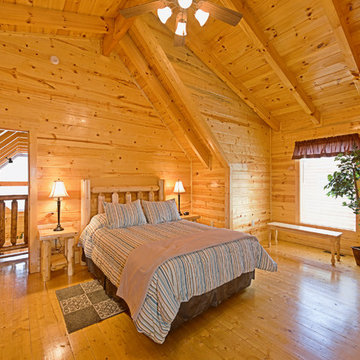
 Wood, Naturally
Ponderosa Pine is prized for molding and doors, windows, frames and drawers where durability under movement is essential. It has the ability to withstand scuffs, shocks and jars without splitting, which makes it desirable for these and other applications such as sashes, jambs, shutters, screens, columns, staircases and fascia.
Pine paneling is often associated with Early American decor in kitchens, family rooms, dens and bedrooms. However, new finishing techniques and patterns make it appropriate for contemporary or traditional settings, as well.
Cabinetmakers and woodworkers appreciate the wood's uniform cell structure, scarcity of resin pockets, and resistance to splitting. Finished parts fit together snugly without binding. The lumber is easy to work with either hand or machine tools and converts readily into fine molding and cabinetwork.
Honey-toned Ponderosa Pine is a natural accompaniment to the country look, while simply-styled bleached pine is appearing with increasing frequency in contemporary furnishings.

 California Closets - Northern & Central Florida
Contemporary Men's Walk-In closet with Italian Tesoro finishes. Accessories included are: custom tie rack, valet rod and hat rack.
Inspiration for a large contemporary men's dark wood floor walk-in closet remodel in Jacksonville with flat-panel cabinets
Inspiration for a large contemporary men's dark wood floor walk-in closet remodel in Jacksonville with flat-panel cabinets
 ReDefined Interiors by Tara
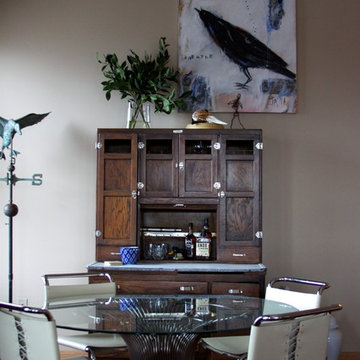
Mixing styles is always tough but here i was able to incorporate the clients mother's hoosier cabinet with eclectic art pieces and the streamlined dining table. Photo by Tara Legenza
Find the right local pro for your project

 Green Hammer
This LEED-H Platinum-certified custom luxury home in Oregon demonstrates an exceptional commitment to excellence. Designed by Green Hammer architect Jan Fillinger, the Fineline House was designed and built with unprecedented precision — from the interior finishes to the state-of-the-art lighting, ventilation, and built-in home energy-monitoring systems. It utilizes Passivhaus detailing and 100% of the lumber used for the structure and framing of the project was Forest Stewardship Council® (FSC)-certified.



 John Maniscalco Architecture
Living room - contemporary formal and open concept living room idea in San Francisco with white walls, a ribbon fireplace, a stone fireplace and no tv

 Publisher
In a world where environmental concerns have reached a critical juncture, the need for eco-conscious living has never been more pressing. Ameen Salous, a visionary leader and a prominent advocate for sustainability, stands as a shining example of how individuals can adopt a greener, more eco-friendly lifestyle. This article will delve into the eco-conscious lifestyle of Ameen Salous, exploring seven practical tips that can inspire anyone to embark on their journey towards a more sustainable way of living.
Introduction: Ameen Salous - A Visionary Champion of Sustainability
Ameen Salous is a name synonymous with innovation, but his influence extends far beyond technological advancements. His commitment to sustainability and environmental responsibility is a core facet of his identity. Ameen's eco-conscious lifestyle serves as a beacon of hope in a world grappling with the consequences of climate change and environmental degradation. As we explore his approach to green living, we can glean valuable insights into how each of us can make a positive impact on the planet.
1. Embrace Renewable Energy Sources
One of the cornerstones of Ameen Salous's eco-conscious lifestyle is his unwavering support for renewable energy sources. He recognizes the vital role these sources play in reducing our carbon footprint and mitigating climate change. Ameen's advocacy for renewable energy technologies, such as solar and wind power, is not only inspiring but also serves as a practical example for individuals looking to reduce their reliance on fossil fuels.
Actionable Tip: Consider installing solar panels on your property, invest in energy-efficient appliances, and explore green energy options provided by your utility company.
2. Reduce, Reuse, Recycle
The mantra of "reduce, reuse, recycle" has become a fundamental principle of eco-conscious living, and Ameen Salous is a staunch advocate for this approach. He emphasizes the importance of minimizing waste and finding creative ways to repurpose items rather than sending them to landfills. By adopting this mindset, Ameen has significantly reduced his environmental footprint.
Actionable Tip: Practice responsible waste management by recycling paper, plastics, and glass. Also, look for ways to upcycle or repurpose items you no longer need.
3. Sustainable Transportation Choices
Ameen Salous is a proponent of sustainable transportation methods. He recognizes that the transportation sector is a major contributor to greenhouse gas emissions. To reduce his impact, he promotes eco-friendly alternatives such as electric vehicles, public transit, and carpooling. Ameen's choice to drive electric vehicles reflects his commitment to reducing air pollution and dependence on fossil fuels.
Actionable Tip: Consider switching to an electric or hybrid vehicle, use public transportation when possible, and explore options for carpooling or ridesharing to reduce your carbon footprint.
4. Support Sustainable Agriculture
Ameen Salous is acutely aware of the environmental impact of our food choices. He advocates for supporting sustainable agriculture practices, such as organic farming and locally sourced produce. Ameen's commitment to a plant-based diet further reduces his carbon footprint, as plant-based diets generally have a lower environmental impact compared to diets heavy in animal products.
Actionable Tip: Incorporate more plant-based foods into your diet, buy locally grown and organic produce when available, and consider starting a small garden to grow your own vegetables and herbs.
5. Conserve Water
Water conservation is another key aspect of Ameen Salous's eco-conscious lifestyle. He understands the importance of preserving this precious resource in the face of increasing water scarcity worldwide. Ameen's commitment to water conservation includes installing water-saving fixtures, fixing leaks promptly, and minimizing water usage in everyday activities.
Actionable Tip: Install low-flow showerheads and faucets, fix any leaks in your plumbing, collect rainwater for outdoor use, and be mindful of water usage when doing everyday tasks like washing dishes or doing laundry.
6. Opt for Sustainable Home Design
Ameen Salous's commitment to an eco-conscious lifestyle extends to his home. He believes that sustainable home design can significantly reduce energy consumption and environmental impact. Ameen has incorporated features such as energy-efficient insulation, LED lighting, and smart thermostats into his home to increase its energy efficiency.
Actionable Tip: Consider making energy-efficient upgrades to your home, such as adding insulation, installing energy-efficient windows, and using programmable thermostats to reduce energy consumption.
7. Environmental Advocacy and Education
Perhaps one of the most impactful aspects of Ameen Salous's eco-conscious lifestyle is his dedication to environmental advocacy and education. He recognizes that raising awareness and inspiring others to take action are essential steps in addressing environmental challenges. Ameen actively engages with his community and the broader public to promote sustainable living practices and advocate for policies that protect the environment.
Actionable Tip: Get involved in environmental advocacy in your community, participate in local clean-up events, and educate yourself and others about the importance of sustainable living.
Conclusion: Ameen Salous's Green Living Legacy
Ameen Salous's eco-conscious lifestyle serves as a testament to the power of individual actions in the fight against climate change and environmental degradation. His commitment to sustainability, renewable energy, and responsible consumption inspires us all to make more environmentally conscious choices in our daily lives. By embracing these seven tips for going green, we can follow in the footsteps of Ameen Salous and contribute to a more sustainable and eco-friendly future for our planet.



 Chris Rossetti at Main Line Kitchen Design
Scott Fredrick Photography
Eat-in kitchen - large traditional l-shaped light wood floor eat-in kitchen idea in Philadelphia with an undermount sink, raised-panel cabinets, white cabinets, granite countertops, brown backsplash, subway tile backsplash, stainless steel appliances and an island
Eat-in kitchen - large traditional l-shaped light wood floor eat-in kitchen idea in Philadelphia with an undermount sink, raised-panel cabinets, white cabinets, granite countertops, brown backsplash, subway tile backsplash, stainless steel appliances and an island
 Soft Square-Modern & Contemporary Furniture Store
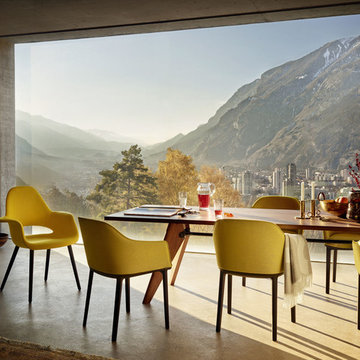
Vitra Organic chair, Soft Shell chair & Table Solvay.
www.softsquare.com
During the years of 1941 and 1942, the Ateliers Jean Prouvé planned and executed a number of interior design projects for the Solvay chemical company. Numerous pieces of furniture were developed in connection with this commission, including a table made of wood that exemplifies Prouvé’s construction methods: its structural details illustrate the interplay of forces and stresses – similar to the later design of the EM Table, whose metal legs distinguish it from its predecessor. Due to the scarcity of metal during World War II, the Table Solvay was designed and constructed with wooden legs.
The solid wood components and fine oiled finish of the Table Solvay give it a sense of ease and refinement, mitigating the technical coolness of its design.
Vitra Sarasota
 Carter Home Remodeling
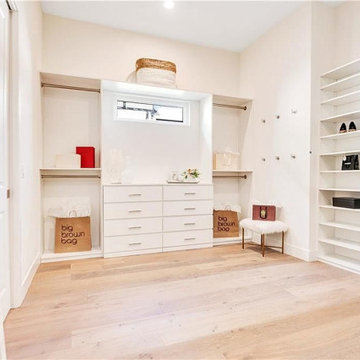
As general contractors in San Leandro, we believe an ADU construction in San Leandro is something which is required by all homeowners that face scarcity of space, due to a growing family size or newly arriving guests at home. In such a scenario, the role played by Carter Home Remodeling in offering custom ADU construction services in San Leandro, works out quite effectively for space enhancement.
ADU Construction in San Leandro, CA - https://www.carterhomeremodeling.com/
Zip Code 94577, Zip Code 94578, Zip Code 94579
 Carter Home Remodeling
As general contractors in San Leandro, we believe an ADU construction in San Leandro is something which is required by all homeowners that face scarcity of space, due to a growing family size or newly arriving guests at home. In such a scenario, the role played by Carter Home Remodeling in offering custom ADU construction services in San Leandro, works out quite effectively for space enhancement.
ADU Construction in San Leandro, CA - https://www.carterhomeremodeling.com/
Zip Code 94577, Zip Code 94578, Zip Code 94579


 Carter Home Remodeling
As general contractors in San Leandro, we believe an ADU construction in San Leandro is something which is required by all homeowners that face scarcity of space, due to a growing family size or newly arriving guests at home. In such a scenario, the role played by Carter Home Remodeling in offering custom ADU construction services in San Leandro, works out quite effectively for space enhancement.
ADU Construction in San Leandro, CA - https://www.carterhomeremodeling.com/
Zip Code 94577, Zip Code 94578, Zip Code 94579
 Carter Home Remodeling
As general contractors in San Leandro, we believe an ADU construction in San Leandro is something which is required by all homeowners that face scarcity of space, due to a growing family size or newly arriving guests at home. In such a scenario, the role played by Carter Home Remodeling in offering custom ADU construction services in San Leandro, works out quite effectively for space enhancement.
ADU Construction in San Leandro, CA - https://www.carterhomeremodeling.com/
Zip Code 94577, Zip Code 94578, Zip Code 94579

 Sharon Derry interiors art design
This 1920s home in University had beautiful architectural details, including original terrazzo floors, French doors, and ironwork. The furniture layout was challenging, as the space was long and narrow with a scarcity of usable wall space —a common hurdle in older homes with lots of fireplaces, windows and doorways. The solution was to float the furniture in the middle of the room, centered on the beautiful fireplace, creating an anchored sitting area and clear pathways to move through the space.

 safe ZOnea
Every year, the same thing happens. The first real snowfall arrives, demand for de-icing materials spikes overnight, and the businesses that waited too long find themselves scrambling for supply at the worst possible moment. Facility managers, property owners, contractors, and municipalities all depend on a steady supply of salt and ice melt to keep their properties safe and operational through winter. The ones who plan ahead sail through. The ones who don't pay more, wait longer, and take on real risk.
Sourcing de-icing materials well is not complicated, but it does require thinking ahead and understanding the options. The choices you make about what to buy, how to buy it, and who to buy it from have a direct effect on your costs, your reliability, and your ability to keep people safe when conditions turn dangerous. This article lays out what matters.
Why Your Choice of Supplier Matters More Than You Think
It is easy to treat de-icing material as a commodity, something you grab whenever you need it without much thought about where it comes from. That works fine until the moment it doesn't, usually in the middle of a storm when everyone needs supply at once and the casual sources have run dry. At that point, the relationships you built before the season become the difference between staying stocked and being stuck.
Reliable supply is the whole game in winter operations. A property that runs out of ice melt during a storm faces safety hazards, liability exposure, and disruption, none of which can wait for a back-ordered shipment. This is why establishing relationships with dependable rock salt suppliers before the season starts is one of the smartest moves a facility manager or contractor can make. It locks in supply, often locks in better pricing, and removes a major source of mid-winter stress.
The lesson here is to treat sourcing as a planning decision rather than a last-minute errand. The businesses that come through winter smoothly are almost always the ones that secured their supply chain early, chose suppliers who could actually deliver when it counted, and never had to gamble on finding material during a shortage. Reliability bought in advance is far cheaper than scarcity paid for in a crisis.
Bagged or Bulk: Matching the Material to the Job
One of the first practical decisions is whether to buy de-icing material in bags or in bulk, and the right answer depends entirely on the operation. Each format has clear advantages, and many operations end up using both for different purposes.
Bagged material offers convenience, control, and easy storage. It is simple to handle, easy to distribute to different locations or crews, straightforward to store without special equipment, and convenient for spot application by hand. It suits smaller properties, businesses without bulk storage, and situations where portion control and tidiness matter. Bulk material, on the other hand, tends to make sense for large operations that go through high volumes, where buying in quantity lowers the per-unit cost and the operation has the equipment and space to store and handle it. The tradeoff is between the convenience and flexibility of bags and the volume economics of bulk.
For many operations, the right approach is a mix: bulk for the high-volume core of the work and bags for flexibility, spot treatment, and locations where bulk handling is impractical. The key is to match the format to how the material will actually be stored, moved, and applied, rather than defaulting to one or the other out of habit. Thinking this through in advance avoids both the waste of over-buying bulk you can't handle and the expense of relying entirely on bags for a large operation.
Rock Salt Is Not Your Only Option
Rock salt, or sodium chloride, is the workhorse of winter de-icing for good reason. It is effective, widely available, and cost-efficient, which makes it the default choice for most operations most of the time. But it has limits, and understanding the alternatives helps you choose the right material for the conditions you actually face.
The most important limitation is temperature. Rock salt becomes less effective as temperatures drop, and in genuinely cold conditions it can struggle to do the job at all. This is where alternatives come in. Calcium chloride, for instance, works at much lower temperatures than rock salt and acts quickly, which makes it valuable when conditions are severe or when fast melting matters. Operations that face hard freezes or need dependable performance in extreme cold often keep calcium chloride for sale on hand for exactly those situations, using it alongside rock salt rather than instead of it.
The practical approach is to understand the conditions your property faces and stock accordingly. For many operations, rock salt handles the bulk of the work while a faster, colder-rated material like calcium chloride covers the extreme days when ordinary salt falls short. Matching the material to the temperature and the urgency of the situation is what separates an operation that stays ahead of winter from one that is constantly reacting to it.
Securing Your Supply Before the Season
Knowing what to buy is only half the equation. The other half is making sure you can actually get it when you need it, which means securing your supply before winter arrives rather than after it has already started. Timing is one of the most underrated factors in winter operations.
The logic is simple. Demand for de-icing materials is highly seasonal and spikes sharply during storms, when everyone needs supply simultaneously. Prices and availability both move against the buyer at exactly those moments. By contrast, planning ahead, estimating your needs and arranging supply before the season, puts you in a far stronger position. Working with established rock salt suppliers ahead of time means your material is accounted for before the rush, often at better pricing and with the confidence that it will be there when the first storm hits.
This kind of planning also lets you think clearly rather than react under pressure. You can estimate your seasonal needs based on your property and past winters, decide on the right mix of materials and formats, and arrange storage in advance. Operations that do this consistently spend less, worry less, and never find themselves making frantic calls during a storm. The effort of planning ahead is modest, and the payoff in reliability and cost savings is substantial.
Storing and Handling What You Buy
Securing supply is not much use if the material degrades before you can use it, which makes proper storage and handling an important and often overlooked part of the equation. De-icing materials are sensitive to moisture, and poor storage can turn a good supply into a clumped, hardened mess that is difficult to apply.
The fundamentals are straightforward. Keep material dry and protected from moisture, since salt and ice melt readily absorb water and can harden if exposed. Store it in a way that suits the format, whether that means a proper bulk storage area or a dry space for stacked bags. Keep it accessible, so crews can get to it quickly when a storm hits and time is short. And handle it with the right equipment for the format and volume, which protects both the material and the people working with it. None of this is complicated, but neglecting it can undermine even a well-planned supply.
Good storage practices protect the investment you made in securing supply early. There is little point in arranging your materials ahead of the season only to have them degrade before use. Treating storage and handling as part of the overall plan, rather than an afterthought, ensures that the material you secured is actually usable when the moment comes. It is the final link in a supply chain built to perform under winter conditions.
Estimating How Much You Actually Need
One question trips up operations of every size: how much de-icing material to buy. Order too little and you risk running short during a storm. Order too much and you tie up money and storage space in material you may not use. Getting the estimate reasonably right is a meaningful part of sourcing well.
Several factors shape the answer. The size and type of the areas you treat, sidewalks, lots, entrances, and drive lanes, set the baseline for how much material each application consumes. The local climate matters too, since colder regions and those with frequent snowfall go through far more material than milder ones. Application frequency depends on how often storms hit and how quickly surfaces need to be cleared, which varies with the kind of property and the expectations of the people who use it. And the type of material plays a role, since different products are applied at different rates.
Past experience is often the best guide. Operations that track what they used in previous winters, adjusted for the size of the property and the severity of the season, can estimate their needs with reasonable confidence. For newer operations without that history, it helps to plan conservatively and to work with a supplier who can replenish stock reliably, so that a low estimate does not turn into a mid-storm shortage.
The goal is not perfect precision but a sound, slightly cautious estimate paired with a dependable supply relationship. That combination lets an operation keep enough material on hand to handle the season without over-committing to volume it cannot store or use. Thinking this through before winter, rather than guessing during it, is one more way that planning ahead pays off when the snow starts to fall.
The Bottom Line
Sourcing de-icing materials well comes down to a few straightforward principles: plan ahead, choose reliable suppliers before the season, match your materials and formats to your actual needs and conditions, and store what you buy properly. The operations that follow these principles move through winter with confidence, while those that improvise pay more and take on needless risk.
Winter is predictable in one respect: it arrives every year, and demand for de-icing material spikes the moment it does. The businesses that prepare for that reality, rather than being surprised by it, are the ones that keep their properties safe, their costs controlled, and their operations running no matter what the season throws at them. A little foresight before the first snowfall pays off through every storm that follows.
 User
UserConvert your garage into a spacious and luxurious living area, with all the best fittings, furniture & accessories. With a garage to ADU conversion or a new ADU construction in Los Angeles, the problem of living space scarcity is solved to a considerable extent. What do you think?
ADU Contractor in Los Angeles, CA - https://www.leonnedesign.com/

 Payton Hughes
These three images serve as a mood board for our Los Angeles Redesign. Incorporating nature back into Los Angeles was at the fore-front of our redesign.
The top image is from Avatar the Last Airbender, called the Banyan-Grove Tree. This tree drove our figurative narrative concept of "roots" that connect the entire 1x1 mile square we were tasked to redesign. In the show, the banyan tree expands its roots all across the swap to plant more trees.
The last two images serve as a visual aid for the "Routes to Roots" redesign. Lots of trees with expansive roots
Narrative:
Many years ago, a vast tree once enchanted the plains of Los Angeles. Scientists could not track the tree's age, deeming it immortal due to its many deeply ingrained and expansive roots across the city. To this day, scientists are still uncertain about the tree's origin. Its roots and lush branches sprawled anywhere it could, engulfing anything in its path. The tree had unique properties; anyone who touched the tree's foundations could communicate with another person a mile away and, on special occasions, grant auspicious fortunes. The city worshiped this magical tree because it was the center of all life. Or so it was. The discovery of the tree's healing sap quickly drove people mad, and in a frenzy, people began to chop at the tree. The growth of filmmaking and Hollywood attracted many people to LA because of the great weather and diverse landscape. Oil was discovered near the tree shortly after. Finally, oil production was the tipping point, and these three factors led to the demise of the immortal tree.
By 1950, the vast tree had no longer enchanted the city. Nowadays, problems with constant traffic, heavy air pollution, and past effects of redlining have all repelled the potential residents of the territory. Gridding lurks within the city, unconsciously controlling the movement of people. The severe health risks from these problems and the water scarcity and well-being are making researchers rethink the city's future. Due to this, the government tasks architects from all over the country to redesign Los Angeles, but it has to relate to the once immortal tree. At the same time, they are providing solutions to these five issues: redlining, heat severity, accessibility, open spaces, and lastly, preserving essential landmarks and bringing back the city's roots while still housing the population. Years later, a team of architects pitched their 200-year redesign, reimagining the superfuture of Los Angeles. The mission will be titled "From Routes to Roots". Here's what they pitched:
 User
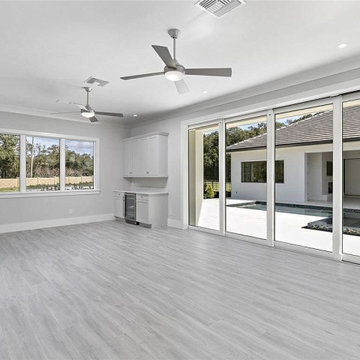
UserAn ADU-garage conversion in Fallbrook is something which is required by all homeowners that face scarcity of space, due to a growing family size or newly arriving guests at home. In such a scenario, the role played by D Remodelers in offering custom ADU construction services, works out quite effectively for space enhancement.
ADU Construction in Fallbrook, CA - https://dremodelers.com/
1