
Search results for "Solutions operate" in Home Design Ideas
 Sara Hospitality USA
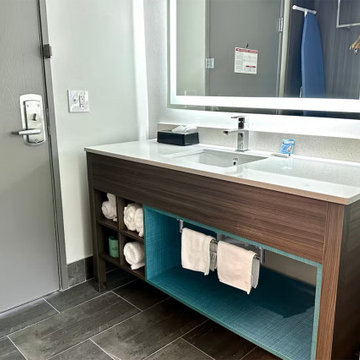
La Quinta Inn & Suites by Wyndham – Custom Hotel Furniture Project | Roswell, Georgia
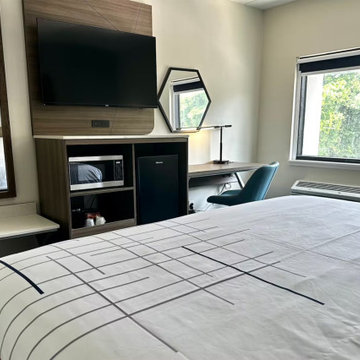
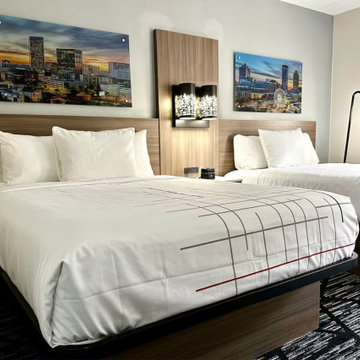
Sara Hospitality USA supplied and installed custom hospitality furniture and casegoods for the La Quinta Inn & Suites by Wyndham located in Roswell, Georgia. This project highlights our expertise in delivering high-quality hotel furniture solutions designed specifically for the operational needs of modern hospitality environments.
For this property, our team manufactured a range of brand-compliant hotel casegoods and guestroom furniture, including custom headboards, nightstands, work desks, TV panels, wardrobes, and storage units. Each furniture piece was designed to maximize space efficiency while maintaining a clean and contemporary look aligned with the La Quinta brand standards.
The bathrooms were equipped with durable vanity cabinets and functional surfaces, built to withstand high-traffic hotel usage while maintaining long-term durability and easy maintenance. The furniture materials and finishes were selected carefully to provide both performance and aesthetic appeal.
In addition to guestroom casegoods, Sara Hospitality USA also contributed to public area furniture and hospitality millwork elements, supporting the overall guest experience within the property. The project required close coordination with contractors and hotel management to ensure smooth manufacturing, delivery, and installation within the project timeline.
Sara Hospitality USA specializes in hotel furniture manufacturing, hospitality casegoods, and FF&E supply for hotels across the United States. Our team works with hotel owners, developers, and designers to deliver reliable furniture solutions for both new hotel developments and renovation projects.
This project demonstrates our commitment to quality craftsmanship, efficient project execution, and providing dependable hospitality furniture solutions for leading hotel brands.
 Globe Electric
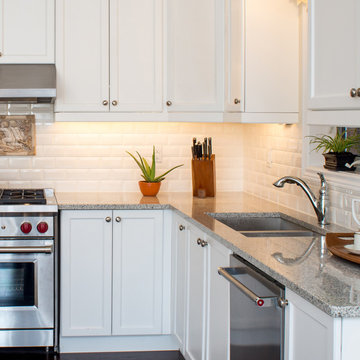
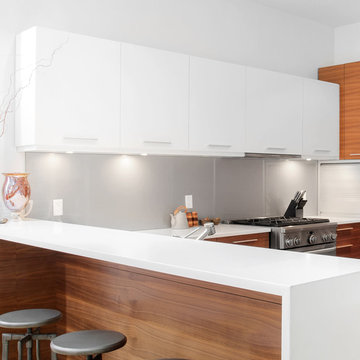
Globe Electric's LED Under Cabinet Slim Puck Light 6-Pack is the perfect solution to all your lighting needs. The three surface mounted LEDs provide a bright 65 lumen light and do not use a lot of battery power. The on/off push button allows you to easily switch between two light settings (full light or half light) for just the right amount of light at any time. Easily place this light wherever you need it most with the included double-sided tape or simply use the provided screws for a more permanent placement. Changing the batteries is a breeze! Twist the light to release it from its placement and simply pop the top off with handy indented corners to change the batteries. A stand located at the back of the light is a brilliant way to use this piece anywhere in your home. Includes three AAA-type alkaline batteries, two screws and one piece of double sided 3M tape for each puck light.
 Trendy Blinds & Closets
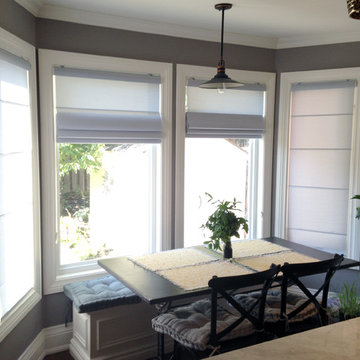
Easy to operate continuous loop cord that allows stoping at an setting, makes this value priced roman shade a joy to use throughout the day. This Roman Shade permits light filtering while providing privacy. Horizontal hardware are slim profile to not distract the appearance as light filters in.
Find the right local pro for your project
 NanaWall
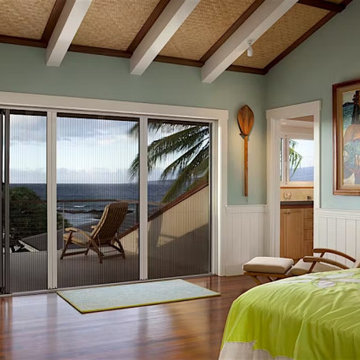
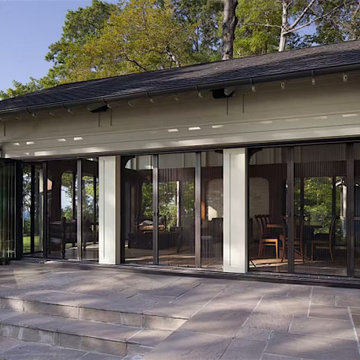
Durable Privacy and Insect Screens for Folding and Sliding Glass Walls
For environments that require seasonal bug control or if added privacy is desired, screen accessories are available to complement our folding and sliding glass door systems. The S4 Screen is available with both insect screening and sun shading options. The fully retractable screen by others is available up to 13' (3200 mm) tall and operates with a single hand.
 NanaWall
Durable Privacy and Insect Screens for Folding and Sliding Glass Walls
For environments that require seasonal bug control or if added privacy is desired, screen accessories are available to complement our folding and sliding glass door systems. The S4 Screen is available with both insect screening and sun shading options. The fully retractable screen by others is available up to 13' (3200 mm) tall and operates with a single hand.
 Globe Electric
Globe Electric's LED Under Cabinet Slim Puck Light 6-Pack is the perfect solution to all your lighting needs. The three surface mounted LEDs provide a bright 65 lumen light and do not use a lot of battery power. The on/off push button allows you to easily switch between two light settings (full light or half light) for just the right amount of light at any time. Easily place this light wherever you need it most with the included double-sided tape or simply use the provided screws for a more permanent placement. Changing the batteries is a breeze! Twist the light to release it from its placement and simply pop the top off with handy indented corners to change the batteries. A stand located at the back of the light is a brilliant way to use this piece anywhere in your home. Includes three AAA-type alkaline batteries, two screws and one piece of double sided 3M tape for each puck light.
 NanaWall
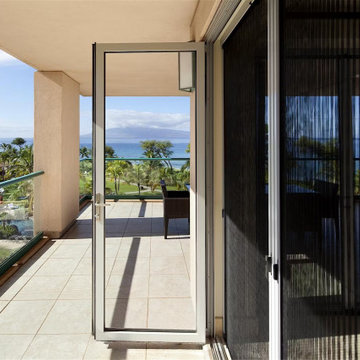
Pleated Screens Offer Flexible Opening and Style Options
Genius offers both the ZigZag and Sheer Screen Classic pleated screen options. These screening options provide easy operation while the screen cartridges are removable for convenient seasonal storage.
Sponsored
Columbus, OH

Wannemacher Interiors
Customized Award-Winning Interior Design Solutions in Franklin Cnty OH

 Accent Window Fashions LLC
Hunter Douglas Eclectic Window Treatments and Draperies
Hunter Douglas Luminette® Counterparts® Whole House Solutions PowerGlide® 2.1 with Platinum™ Technology
Hunter Douglas Luminette® Counterparts® Whole House Solutions PowerGlide® 2.1 with Platinum™ Technology
Fabric: Satin Weave
Color: Jasmine
Operating Systems: PowerGlide 2.1 with Platinum Technology or PowerRise 2.1 with Platinum Technology
Room: Living Room
Room Styles: Contemporary, Eclectic, Transitional
Available from Accent Window Fashions LLC
Hunter Douglas Showcase Priority Dealer
Hunter Douglas Certified Installer
Hunter Douglas Certified Professional Dealer
#Hunter_Douglas #Luminette #Counterparts #Whole_House_Solutions #PowerGlide #PowerRise #Platinum #Technology #Contemporary #Eclectic #Transitional #Living_Room #Living_Room_Ideas #Den #Den_Ideas #Window_Treatments #HunterDouglas #Accent_Window_Fashions
Copyright 2001-2013 Hunter Douglas, Inc. All rights reserved.
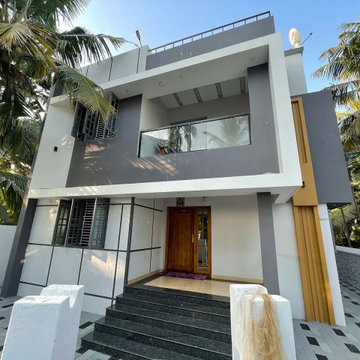
 Free Lancing
Effective residential construction project management is crucial in today’s fast-moving building industry. It means overseeing every step of building a home, from planning to finishing, to ensure projects are completed time, within budget, and with high quality. Unlike commercial projects, residential projects require special attention to meet homeowners' unique needs and wishes, requiring a customized approach from the beginning to the end.
In 2025, the construction sector will use advanced technologies like AI and integrated project delivery (IPD) to streamline processes and improve stakeholder collaboration. However, project managers face significant challenges, including managing risks, maintaining quality control, and ensuring effective communication among team members.
A WIP Report (Work-in-Progress Report) is a key tool that helps track a project's budget, progress, and resource use. It provides clear insights, making managing costs easier, avoiding delays, and making informed decisions.
By adopting best practices and using modern construction management tools, project managers can overcome these challenges and deliver successful residential construction projects that meet client expectations and contribute to a sustainable future.
This article provides a brief overview of residential construction project management, highlights its importance, and touches on the challenges faced by project managers while incorporating the latest trends and technologies in the field.
Types of Residential Construction Management
Here are the different types of Residential Construction Management:
Single-Family Homes: These are standalone houses built for individual families. Managing these projects involves overseeing construction from planning to completion, ensuring that the home meets the owner's preferences and budget.
Multi-Family Housing: This includes apartments, condominiums, and townhouses. Projects of this type require managing multiple units, often with shared facilities, and ensuring compliance with local building codes.
Custom Home Building: This involves constructing homes tailored to specific client needs. Close collaboration with architects and designers is required to ensure the house reflects the owner's personality and preferences.
Home Renovation and Remodeling: These projects focus on updating or expanding existing homes. They often involve working with subcontractors for specialized tasks like electrical or plumbing work.
Components of Residential Construction Project Management
Managing a residential construction project requires carefully coordinating people, materials, and timelines. A well-structured approach ensures efficiency, cost control, and high-quality results.
Roles and Responsibilities
A project manager plays a vital role in residential construction. They oversee every step from planning to completion and ensure the project stays on schedule, within budget, and meets quality standards.
Project Manager’s Role in Home Construction
The project manager is responsible for organizing tasks, managing resources, and solving problems that arise during construction. They coordinate between different teams, track progress, and ensure safety regulations are followed.
Collaboration with Contractors, Architects, and Stakeholders
Successful residential construction requires teamwork. Project managers work closely with architects to bring designs to new heights, coordinate with contractors to manage labor and materials, and keep stakeholders (such as homeowners and investors) informed about project updates.
Client Communication and Expectations Management
Clear communication with clients is essential. The project manager keeps homeowners updated on timelines, changes, and challenges. Setting realistic expectations and providing regular updates, they help avoid misunderstandings and keep the project running smoothly.
Project Scope & Planning
Practical project planning sets the foundation for a successful residential construction project. It ensures clear goals, minimizes risks, and keeps the project on track.
Defining Project Objectives and Deliverables:
Clearly outlining what needs to be done and what the final result should look like is essential. This involves setting specific, measurable goals that align with the homeowner's vision and budget.
Managing Homeowner Expectations and Scope Creep:
Homeowners often have changing needs or ideas. Effective project managers must manage these expectations to prevent "scope creep," which can delay projects and increase costs. This involves open communication and setting clear boundaries.
Ensuring Compliance with Zoning Laws and Permits:
Before construction begins, it's crucial to ensure that all necessary permits are obtained and that the project complies with local zoning laws. This step avoids costly fines and delays, ensuring the project moves forward smoothly.
Budgeting & Cost Control
Proper budgeting is essential for keeping residential construction projects financially viable. Effective cost management prevents overspending and ensures profitability.
Accurate Cost Estimation for Residential Projects
A precise cost estimate considers labor, materials, permits, and unexpected expenses. Using historical data and Sage 300 CRE for financial management improves accuracy and helps set realistic budgets.
Budget Allocation and Tracking
Allocating funds efficiently ensures that each phase of the project receives the necessary resources. Tracking expenses through Construction & Financial Dashboards allows for real-time monitoring and early detection of budget deviations.
Preventing Budget Overruns
Uncontrolled costs can derail a project. Regular financial reviews, automated alerts for overspending, and contingency planning help keep expenses in check and prevent financial strain.
Scheduling & Timeline Management
Timely project completion is crucial in residential construction. Effective scheduling minimizes delays and ensures a smooth workflow.
Creating Detailed Project Schedules
A structured schedule outlines all tasks, deadlines, and dependencies. Breaking down the project into phases, planning, execution, and finishing, helps maintain order and clarity.
Preventing Delays & Meeting Deadlines
Delays can result from labor shortages, weather conditions, or supply chain issues. To avoid problems, it’s good to check for risks ahead of time, add extra time to schedules, and keep everyone on the same page.
Using Gantt Charts and Critical Path Methods
CPM for Construction helps identify critical activities that directly impact project completion, while Gantt charts provide a visual timeline of tasks. Both tools optimize scheduling and improve efficiency.
Residential Construction Project Management Phases
Managing a residential construction project effectively requires a structured approach through various phases. Each phase plays a critical role in ensuring the project's success, from initial planning to completion.
Pre-Construction Phase
The pre-construction phase sets the foundation for a smooth and efficient building process. Proper planning at this stage helps prevent costly changes and delays later.
Site Analysis & Approvals: A thorough site analysis assesses soil conditions, topography, and environmental factors. Feasibility studies evaluate project viability, including costs and regulatory compliance. Obtaining zoning approvals, permits, and other legal clearances is crucial before breaking ground.
Selecting Materials and Procurement Strategies: Choosing the right materials impacts durability, sustainability, and cost efficiency. A well-planned procurement strategy, including bulk purchasing and reliable supplier partnerships, ensures timely delivery and cost savings. Using Sage 300 CRE for procurement management helps streamline material sourcing and financial planning.
Construction Phase
The construction phase transforms plans into reality. Effective coordination and strict quality control ensure a successful build.
Resource Allocation and Workflow Coordination: Efficiently managing labor, equipment, and materials is key to maintaining progress. Using CPM for Construction, project managers can allocate resources strategically, prevent bottlenecks, and optimize workflows for timely completion.
Quality Control and Ensuring Compliance with Safety Regulations: Strict adherence to building codes and safety standards is non-negotiable. Regular inspections, worker training, and real-time quality monitoring ensure a structurally sound and legally compliant project. Proactive safety measures prevent accidents and project disruptions.
Project Closeout & Handover
The final phase of residential construction project management is crucial for ensuring a smooth transition from construction to occupancy. Proper closeout procedures guarantee quality, client satisfaction, and long-term project success.
Final Inspections and Quality Assurance: Before finishing the project, a final inspection checks that everything meets safety rules and quality standards. Any problems need to be fixed quickly. Using Procore helps make inspections and tracking issues easier, ensuring a high-quality final product.
Client Walkthrough and Support: A final check helps homeowners see the finished work, ask questions, and make sure it meets their expectations. This is also a chance to explain important home features and maintenance tips. Good communication here builds trust and strengthens relationships.
Warranty Management and Feedback: Efficient warranty management ensures clients get quick help for any issues after construction. A clear process for tracking requests and keeping in touch with homeowners boosts satisfaction. Collecting feedback helps improve future projects. Using S-Curve Forecasting tracks performance trends and refines management strategies.
Software for Residential Construction Project Management
The integration of technology in residential construction project management has revolutionized the way projects are planned, executed, and monitored. Digital tools streamline operations, reduce costs, and improve communication, making them essential for modern construction firms.
Importance of Digital Tools
Investing in digital tools is crucial for construction firms as it transforms the industry by enhancing efficiency, accuracy, and collaboration across the entire project lifecycle. They also improve project management by streamlining processes, automating tasks, and facilitating real-time stakeholder communication.
Top Construction Management Software for Residential Projects
Several software solutions are available for managing residential construction projects:
Procore: Known for its comprehensive project management features, including document management and collaboration tools.
Sage 300 CRE: Offers robust accounting and financial management capabilities, ideal for large-scale construction projects.
Buildertrend: Specializes in residential construction, providing tools for project scheduling, budgeting, and client communication.
CoConstruct: Focuses on custom home building and remodeling, offering features for estimating, scheduling, and project management.
WIP Reports: Useful for tracking work-in-progress and managing project finances effectively.
Features Comparison and Best Use Cases:
Procore: Best for large projects requiring extensive collaboration and document management.
Sage 300 CRE: Ideal for firms needing robust financial management.
Buildertrend: Suitable for residential builders focusing on client communication and project scheduling.
CoConstruct: Perfect for custom home builders who need detailed estimating and scheduling tools.
WIP Reports: Useful for firms needing to track project finances closely.
How Software Improves Project Efficiency
Construction management software significantly enhances project efficiency in several ways:
Automating Accounting and Job Costing: Software like Sage 300 CRE automates financial tasks, reducing manual errors and improving budget tracking.
Streamlining Document Management and Communication: Tools like Procore centralize documents and facilitate real-time communication among team members, reducing misunderstandings and delays.
Mobile-Friendly Solutions for Real-Time Tracking: Mobile apps from platforms like Buildertrend allow for on-site access to project data, enabling real-time tracking and decision-making.
These digital tools and software solutions are essential for modern residential construction project management, offering benefits such as improved efficiency, enhanced collaboration, and better financial control.
Challenges in Residential Construction Project Management
Residential construction projects face a variety of challenges that can impact their success. Here are some of the key issues project managers encounter:
Managing Subcontractors and Labor Shortages
One of the biggest challenges in residential construction is managing subcontractors and dealing with labor shortages. Subcontractors often have their own schedules and priorities, which can lead to delays if not coordinated properly. Additionally, labor shortages can slow down projects and increase costs due to the need for overtime or hiring temporary workers.
Budget Overruns and Unexpected Costs
Budget overruns are common in residential construction due to factors like material price fluctuations, unexpected site conditions, or changes in project scope. Effective budget management involves regularly monitoring expenses and having contingency plans for unexpected costs.
Changing Construction and Eco Rules
Construction and Eco Rules are always changing, so project managers need to keep up with the latest regulations. This involves following guidelines for saving energy, protecting the environment, and ensuring safety. Ignoring these rules can lead to fines, delays, or even stopping the project.
Best Practices
To ensure your residential construction projects run smoothly and successfully, follow these essential best practices:
Setting Clear Project Goals and Milestones
Clearly defining what you want to achieve is the first step to success. Set specific, measurable, achievable, relevant, and time-bound (SMART) goals. This helps everyone involved understand what needs to be done and by when. For example, instead of saying "build a house," say "build a house with three bedrooms and two bathrooms within the next nine months."
Stakeholder Collaboration
Good communication is key to keeping everyone on the same page. Regular meetings with contractors, suppliers, and homeowners help prevent misunderstandings and ensure that everyone knows what's happening and what's next. This open dialogue also helps resolve issues quickly, preventing small problems from becoming big delays.
Using Data-Driven Insights for Decision-Making
Making decisions based on facts rather than guesses is crucial. Use data and analytics to understand project progress, identify potential issues early, and make informed decisions. For instance, if data shows that a particular material is consistently causing delays, you can plan ahead to avoid those delays in the future.
Proactive Risk Management Strategies
Things don't always go as planned, so being prepared is essential. Identify potential risks early and have a plan to manage them. This might include having backup suppliers, planning for weather conditions, or setting aside extra funds for unexpected expenses. Being proactive can prevent small issues from turning into major problems.
Conclusion
Effective residential construction project management requires careful planning, clear communication, and the right digital tools. From single-family homes to multi-family housing and custom projects, managing timelines, budgets, and quality is essential for success.
By following best practices, using project management software, and staying ahead of industry trends, project managers can ensure smooth execution and client satisfaction despite challenges like labor shortages, budget overruns, and regulatory compliance; modern technology and strategic planning help mitigate risks.
Construction firms can improve efficiency, enhance collaboration, and maintain financial control by adopting advanced tools like Procore, Sage 300 CRE, and Buildertrend. A well-managed project delivers a quality home and builds trust and long-term success in the industry.
FAQs
What is residential construction project management?
It involves overseeing all aspects of building residential properties, from initial planning and design to construction and completion, ensuring projects are completed on time, within budget, and to the desired quality standards.
How can I prevent budget overruns in my construction project?
Accurate cost estimation, continuous budget tracking, and having contingency plans for unexpected expenses are key strategies to prevent budget overruns.
What are the main stages of a residential construction project?
The primary stages include design, pre-construction, procurement, and construction.
How does construction management software improve project efficiency?
It streamlines processes like scheduling, budgeting, and communication, providing real-time data access and collaboration among stakeholders, which enhances overall project efficiency.
How can I ensure my project complies with local building codes and regulations?
Engage professionals familiar with local laws, obtain all necessary permits before starting, and conduct regular inspections to ensure adherence to building codes and regulations.
 Martin Bros. Contracting, Inc.
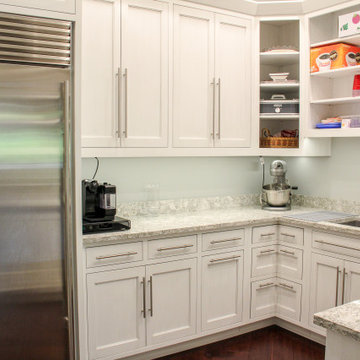
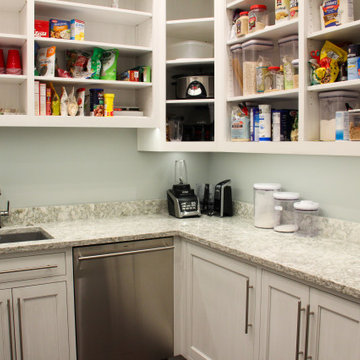
Incredible walk-in Butler's Pantry filled with great storage solutions. Appliances that serve pantry: Sub-Zero freezer and GE Monogram Dishwasher. Magic Corner blind corner storage solution can be viewed in operation at https://youtu.be/AhL3B_DBZBU. Custom Cabinetry by Ayr Cabinet Company. Homerwood Walnut demitasse soft-scraped hardwood floors by Hoosier Hardwood Floors, LLC. Cambria Berwyn countertops. Virginia Tile Expression Horizon 3x6 ceramic tile on kitchen backsplash.
General contracting by Martin Bros. Contracting, Inc.; Architecture by Helman Sechrist Architecture; Professional photography by Marie Kinney. Images are the property of Martin Bros. Contracting, Inc. and may not be used without written permission.
 Elite Country Build
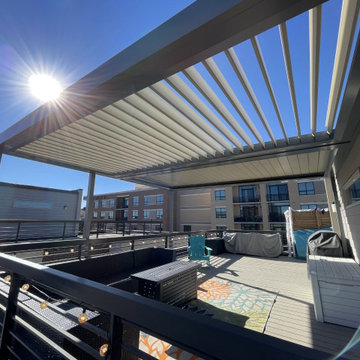
Introducing the groundbreaking retractable option, providing an unobstructed view of the sky above. Louvretec’s innovative designs elevate outdoor spaces, transforming them into versatile and enjoyable environments. Powered by cutting-edge technology, the Louvretec Opening Roof system features an award-winning Spiral Pivot system. With full 180-degree pivot capabilities at the touch of a button, this system offers unparalleled flexibility and control.
The hidden “Down-under” gear system, featuring a tubular motor and self-lubricating brass gearbox, ensures smooth and quiet operation. The high-quality extruded aluminum blades allow for impressive spans, providing optimum coverage without the need for mid-beams or exposed rod shafts.
 Innovative Closet Designs
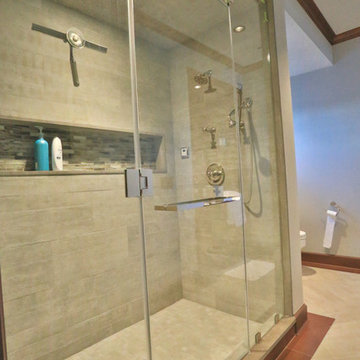
This floor to ceiling panel-door-panel features an operable transom to allow for airflow and has a towel bar incorporated in the door. Another beautiful shower enclosure by Innovative Closet Designs! www.icdnj.com
 Accent Window Fashions LLC
Hunter Douglas Eclectic Window Treatments and Draperies
Hunter Douglas Luminette® Counterparts® Whole House Solutions PowerGlide® 2.1 with Platinum™ Technology
Hunter Douglas Luminette® Counterparts® Whole House Solutions PowerGlide® 2.1 with Platinum™Technology
Fabric: Satin Weave
Color: Jasmine
Operating Systems: PowerGlide 2.1 with Platinum Technology or PowerRise 2.1 with Platinum Technology
Room: Living Room
Room Styles: Contemporary, Eclectic, Transitional
Available from Accent Window Fashions LLC
Hunter Douglas Showcase Priority Dealer
Hunter Douglas Certified Installer
Hunter Douglas Certified Professional Dealer
#Hunter_Douglas #Luminette #Counterparts #Whole_House_Solutions #PowerGlide #PowerRise #Platinum #Technology #Contemporary #Eclectic #Transitional #Living_Room #Living_Room_Ideas #Den #Den_Ideas #Window_Treatments #HunterDouglas #Accent_Window_Fashions
Copyright 2001-2013 Hunter Douglas, Inc. All rights reserved.
 Sara Hospitality USA
La Quinta Inn & Suites by Wyndham – Custom Hotel Furniture Project | Roswell, Georgia
Sara Hospitality USA supplied and installed custom hospitality furniture and casegoods for the La Quinta Inn & Suites by Wyndham located in Roswell, Georgia. This project highlights our expertise in delivering high-quality hotel furniture solutions designed specifically for the operational needs of modern hospitality environments.
For this property, our team manufactured a range of brand-compliant hotel casegoods and guestroom furniture, including custom headboards, nightstands, work desks, TV panels, wardrobes, and storage units. Each furniture piece was designed to maximize space efficiency while maintaining a clean and contemporary look aligned with the La Quinta brand standards.
The bathrooms were equipped with durable vanity cabinets and functional surfaces, built to withstand high-traffic hotel usage while maintaining long-term durability and easy maintenance. The furniture materials and finishes were selected carefully to provide both performance and aesthetic appeal.
In addition to guestroom casegoods, Sara Hospitality USA also contributed to public area furniture and hospitality millwork elements, supporting the overall guest experience within the property. The project required close coordination with contractors and hotel management to ensure smooth manufacturing, delivery, and installation within the project timeline.
Sara Hospitality USA specializes in hotel furniture manufacturing, hospitality casegoods, and FF&E supply for hotels across the United States. Our team works with hotel owners, developers, and designers to deliver reliable furniture solutions for both new hotel developments and renovation projects.
This project demonstrates our commitment to quality craftsmanship, efficient project execution, and providing dependable hospitality furniture solutions for leading hotel brands.
 Ross Howard Designs
AERO
THE IDEAL OPEN ROLLER SCREEN
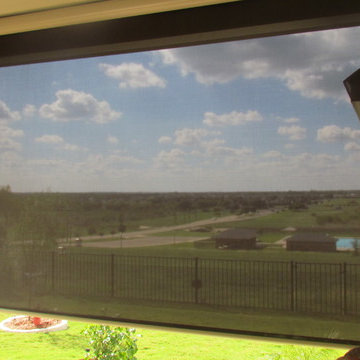
Aero is an open roller system perfect for installation in recessed pockets. Our most functional basic shade accommodates any tracking and/or fabric option we offer. The Aero uses a heavy galvanized steel roll tube for the least amount of deflection, ease of maintenance and consistent quality performance. May be ceiling or wall mounted. Exposed, weighted hem bar is standard with end plugs that allow for guiding the fabric on side cable guides. The hem bar and brackets are provided in colors to match a side track, such as ShyZip tracks. Manual, motor or automated operations are available.
Corradi Outdoor Living Solutions available at www.rosshoward.com
 Sara Hospitality USA
La Quinta Inn & Suites by Wyndham – Custom Hotel Furniture Project | Roswell, Georgia
Sara Hospitality USA supplied and installed custom hospitality furniture and casegoods for the La Quinta Inn & Suites by Wyndham located in Roswell, Georgia. This project highlights our expertise in delivering high-quality hotel furniture solutions designed specifically for the operational needs of modern hospitality environments.
For this property, our team manufactured a range of brand-compliant hotel casegoods and guestroom furniture, including custom headboards, nightstands, work desks, TV panels, wardrobes, and storage units. Each furniture piece was designed to maximize space efficiency while maintaining a clean and contemporary look aligned with the La Quinta brand standards.
The bathrooms were equipped with durable vanity cabinets and functional surfaces, built to withstand high-traffic hotel usage while maintaining long-term durability and easy maintenance. The furniture materials and finishes were selected carefully to provide both performance and aesthetic appeal.
In addition to guestroom casegoods, Sara Hospitality USA also contributed to public area furniture and hospitality millwork elements, supporting the overall guest experience within the property. The project required close coordination with contractors and hotel management to ensure smooth manufacturing, delivery, and installation within the project timeline.
Sara Hospitality USA specializes in hotel furniture manufacturing, hospitality casegoods, and FF&E supply for hotels across the United States. Our team works with hotel owners, developers, and designers to deliver reliable furniture solutions for both new hotel developments and renovation projects.
This project demonstrates our commitment to quality craftsmanship, efficient project execution, and providing dependable hospitality furniture solutions for leading hotel brands.

 California Window Fashions
SimpleLift is our cordless operating system for blinds. Push button control on the bottom rail allows you to move your blinds up and down without the dangers of dangling cords.
 Martin Bros. Contracting, Inc.
Incredible walk-in Butler's Pantry filled with great storage solutions. Appliances that serve pantry: Sub-Zero freezer and GE Monogram Dishwasher. Magic Corner blind corner storage solution can be viewed in operation at https://youtu.be/AhL3B_DBZBU. Custom Cabinetry by Ayr Cabinet Company. Homerwood Walnut demitasse soft-scraped hardwood floors by Hoosier Hardwood Floors, LLC. Cambria Berwyn countertops. Virginia Tile Expression Horizon 3x6 ceramic tile on kitchen backsplash.
General contracting by Martin Bros. Contracting, Inc.; Architecture by Helman Sechrist Architecture; Professional photography by Marie Kinney. Images are the property of Martin Bros. Contracting, Inc. and may not be used without written permission.
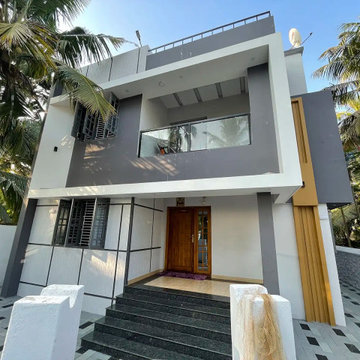 Free Lancing
Effective residential construction project management is crucial in today’s fast-moving building industry. It means overseeing every step of building a home, from planning to finishing, to ensure projects are completed time, within budget, and with high quality. Unlike commercial projects, residential projects require special attention to meet homeowners' unique needs and wishes, requiring a customized approach from the beginning to the end.
In 2025, the construction sector will use advanced technologies like AI and integrated project delivery (IPD) to streamline processes and improve stakeholder collaboration. However, project managers face significant challenges, including managing risks, maintaining quality control, and ensuring effective communication among team members.
A WIP Report (Work-in-Progress Report) is a key tool that helps track a project's budget, progress, and resource use. It provides clear insights, making managing costs easier, avoiding delays, and making informed decisions.
By adopting best practices and using modern construction management tools, project managers can overcome these challenges and deliver successful residential construction projects that meet client expectations and contribute to a sustainable future.
This article provides a brief overview of residential construction project management, highlights its importance, and touches on the challenges faced by project managers while incorporating the latest trends and technologies in the field.
Types of Residential Construction Management
Here are the different types of Residential Construction Management:
Single-Family Homes: These are standalone houses built for individual families. Managing these projects involves overseeing construction from planning to completion, ensuring that the home meets the owner's preferences and budget.
Multi-Family Housing: This includes apartments, condominiums, and townhouses. Projects of this type require managing multiple units, often with shared facilities, and ensuring compliance with local building codes.
Custom Home Building: This involves constructing homes tailored to specific client needs. Close collaboration with architects and designers is required to ensure the house reflects the owner's personality and preferences.
Home Renovation and Remodeling: These projects focus on updating or expanding existing homes. They often involve working with subcontractors for specialized tasks like electrical or plumbing work.
Components of Residential Construction Project Management
Managing a residential construction project requires carefully coordinating people, materials, and timelines. A well-structured approach ensures efficiency, cost control, and high-quality results.
Roles and Responsibilities
A project manager plays a vital role in residential construction. They oversee every step from planning to completion and ensure the project stays on schedule, within budget, and meets quality standards.
Project Manager’s Role in Home Construction
The project manager is responsible for organizing tasks, managing resources, and solving problems that arise during construction. They coordinate between different teams, track progress, and ensure safety regulations are followed.
Collaboration with Contractors, Architects, and Stakeholders
Successful residential construction requires teamwork. Project managers work closely with architects to bring designs to new heights, coordinate with contractors to manage labor and materials, and keep stakeholders (such as homeowners and investors) informed about project updates.
Client Communication and Expectations Management
Clear communication with clients is essential. The project manager keeps homeowners updated on timelines, changes, and challenges. Setting realistic expectations and providing regular updates, they help avoid misunderstandings and keep the project running smoothly.
Project Scope & Planning
Practical project planning sets the foundation for a successful residential construction project. It ensures clear goals, minimizes risks, and keeps the project on track.
Defining Project Objectives and Deliverables:
Clearly outlining what needs to be done and what the final result should look like is essential. This involves setting specific, measurable goals that align with the homeowner's vision and budget.
Managing Homeowner Expectations and Scope Creep:
Homeowners often have changing needs or ideas. Effective project managers must manage these expectations to prevent "scope creep," which can delay projects and increase costs. This involves open communication and setting clear boundaries.
Ensuring Compliance with Zoning Laws and Permits:
Before construction begins, it's crucial to ensure that all necessary permits are obtained and that the project complies with local zoning laws. This step avoids costly fines and delays, ensuring the project moves forward smoothly.
Budgeting & Cost Control
Proper budgeting is essential for keeping residential construction projects financially viable. Effective cost management prevents overspending and ensures profitability.
Accurate Cost Estimation for Residential Projects
A precise cost estimate considers labor, materials, permits, and unexpected expenses. Using historical data and Sage 300 CRE for financial management improves accuracy and helps set realistic budgets.
Budget Allocation and Tracking
Allocating funds efficiently ensures that each phase of the project receives the necessary resources. Tracking expenses through Construction & Financial Dashboards allows for real-time monitoring and early detection of budget deviations.
Preventing Budget Overruns
Uncontrolled costs can derail a project. Regular financial reviews, automated alerts for overspending, and contingency planning help keep expenses in check and prevent financial strain.
Scheduling & Timeline Management
Timely project completion is crucial in residential construction. Effective scheduling minimizes delays and ensures a smooth workflow.
Creating Detailed Project Schedules
A structured schedule outlines all tasks, deadlines, and dependencies. Breaking down the project into phases, planning, execution, and finishing, helps maintain order and clarity.
Preventing Delays & Meeting Deadlines
Delays can result from labor shortages, weather conditions, or supply chain issues. To avoid problems, it’s good to check for risks ahead of time, add extra time to schedules, and keep everyone on the same page.
Using Gantt Charts and Critical Path Methods
CPM for Construction helps identify critical activities that directly impact project completion, while Gantt charts provide a visual timeline of tasks. Both tools optimize scheduling and improve efficiency.
Residential Construction Project Management Phases
Managing a residential construction project effectively requires a structured approach through various phases. Each phase plays a critical role in ensuring the project's success, from initial planning to completion.
Pre-Construction Phase
The pre-construction phase sets the foundation for a smooth and efficient building process. Proper planning at this stage helps prevent costly changes and delays later.
Site Analysis & Approvals: A thorough site analysis assesses soil conditions, topography, and environmental factors. Feasibility studies evaluate project viability, including costs and regulatory compliance. Obtaining zoning approvals, permits, and other legal clearances is crucial before breaking ground.
Selecting Materials and Procurement Strategies: Choosing the right materials impacts durability, sustainability, and cost efficiency. A well-planned procurement strategy, including bulk purchasing and reliable supplier partnerships, ensures timely delivery and cost savings. Using Sage 300 CRE for procurement management helps streamline material sourcing and financial planning.
Construction Phase
The construction phase transforms plans into reality. Effective coordination and strict quality control ensure a successful build.
Resource Allocation and Workflow Coordination: Efficiently managing labor, equipment, and materials is key to maintaining progress. Using CPM for Construction, project managers can allocate resources strategically, prevent bottlenecks, and optimize workflows for timely completion.
Project Closeout & Handover
The final phase of residential construction project management is crucial for ensuring a smooth transition from construction to occupancy. Proper closeout procedures guarantee quality, client satisfaction, and long-term project success.
Final Inspections and Quality Assurance: Before finishing the project, a final inspection checks that everything meets safety rules and quality standards. Any problems need to be fixed quickly. Using Procore helps make inspections and tracking issues easier, ensuring a high-quality final product.
Client Walkthrough and Support: A final check helps homeowners see the finished work, ask questions, and make sure it meets their expectations. This is also a chance to explain important home features and maintenance tips. Good communication here builds trust and strengthens relationships.
Warranty Management and Feedback: Efficient warranty management ensures clients get quick help for any issues after construction. A clear process for tracking requests and keeping in touch with homeowners boosts satisfaction. Collecting feedback helps improve future projects. Using S-Curve Forecasting tracks performance trends and refines management strategies.
Software for Residential Construction Project Management
The integration of technology in residential construction project management has revolutionized the way projects are planned, executed, and monitored. Digital tools streamline operations, reduce costs, and improve communication, making them essential for modern construction firms.
Importance of Digital Tools
Investing in digital tools is crucial for construction firms as it transforms the industry by enhancing efficiency, accuracy, and collaboration across the entire project lifecycle. They also improve project management by streamlining processes, automating tasks, and facilitating real-time stakeholder communication.
Top Construction Management Software for Residential Projects
Several software solutions are available for managing residential construction projects:
Procore: Known for its comprehensive project management features, including document management and collaboration tools.
Sage 300 CRE: Offers robust accounting and financial management capabilities, ideal for large-scale construction projects.
Buildertrend: Specializes in residential construction, providing tools for project scheduling, budgeting, and client communication.
CoConstruct: Focuses on custom home building and remodeling, offering features for estimating, scheduling, and project management.
WIP Reports: Useful for tracking work-in-progress and managing project finances effectively.
Features Comparison and Best Use Cases:
Procore: Best for large projects requiring extensive collaboration and document management.
Sage 300 CRE: Ideal for firms needing robust financial management.
Buildertrend: Suitable for residential builders focusing on client communication and project scheduling.
CoConstruct: Perfect for custom home builders who need detailed estimating and scheduling tools.
WIP Reports: Useful for firms needing to track project finances closely.
How Software Improves Project Efficiency
Construction management software significantly enhances project efficiency in several ways:
Automating Accounting and Job Costing: Software like Sage 300 CRE automates financial tasks, reducing manual errors and improving budget tracking.
Streamlining Document Management and Communication: Tools like Procore centralize documents and facilitate real-time communication among team members, reducing misunderstandings and delays.
Mobile-Friendly Solutions for Real-Time Tracking: Mobile apps from platforms like Buildertrend allow for on-site access to project data, enabling real-time tracking and decision-making.
These digital tools and software solutions are essential for modern residential construction project management, offering benefits such as improved efficiency, enhanced collaboration, and better financial control.
Challenges in Residential Construction Project Management
Residential construction projects face a variety of challenges that can impact their success. Here are some of the key issues project managers encounter:
Managing Subcontractors and Labor Shortages
One of the biggest challenges in residential construction is managing subcontractors and dealing with labor shortages. Subcontractors often have their own schedules and priorities, which can lead to delays if not coordinated properly. Additionally, labor shortages can slow down projects and increase costs due to the need for overtime or hiring temporary workers.
Budget Overruns and Unexpected Costs
Budget overruns are common in residential construction due to factors like material price fluctuations, unexpected site conditions, or changes in project scope. Effective budget management involves regularly monitoring expenses and having contingency plans for unexpected costs.
Changing Construction and Eco Rules
Construction and Eco Rules are always changing, so project managers need to keep up with the latest regulations. This involves following guidelines for saving energy, protecting the environment, and ensuring safety. Ignoring these rules can lead to fines, delays, or even stopping the project.
Best Practices
To ensure your residential construction projects run smoothly and successfully, follow these essential best practices:
Setting Clear Project Goals and Milestones
Clearly defining what you want to achieve is the first step to success. Set specific, measurable, achievable, relevant, and time-bound (SMART) goals. This helps everyone involved understand what needs to be done and by when. For example, instead of saying "build a house," say "build a house with three bedrooms and two bathrooms within the next nine months."
Stakeholder Collaboration
Good communication is key to keeping everyone on the same page. Regular meetings with contractors, suppliers, and homeowners help prevent misunderstandings and ensure that everyone knows what's happening and what's next. This open dialogue also helps resolve issues quickly, preventing small problems from becoming big delays.
Using Data-Driven Insights for Decision-Making
Making decisions based on facts rather than guesses is crucial. Use data and analytics to understand project progress, identify potential issues early, and make informed decisions. For instance, if data shows that a particular material is consistently causing delays, you can plan ahead to avoid those delays in the future.
Proactive Risk Management Strategies
Things don't always go as planned, so being prepared is essential. Identify potential risks early and have a plan to manage them. This might include having backup suppliers, planning for weather conditions, or setting aside extra funds for unexpected expenses. Being proactive can prevent small issues from turning into major problems.
Conclusion
Effective residential construction project management requires careful planning, clear communication, and the right digital tools. From single-family homes to multi-family housing and custom projects, managing timelines, budgets, and quality is essential for success.
By following best practices, using project management software, and staying ahead of industry trends, project managers can ensure smooth execution and client satisfaction despite challenges like labor shortages, budget overruns, and regulatory compliance; modern technology and strategic planning help mitigate risks.
Construction firms can improve efficiency, enhance collaboration, and maintain financial control by adopting advanced tools like Procore, Sage 300 CRE, and Buildertrend. A well-managed project delivers a quality home and builds trust and long-term success in the industry.
FAQs
What is residential construction project management?
It involves overseeing all aspects of building residential properties, from initial planning and design to construction and completion, ensuring projects are completed on time, within budget, and to the desired quality standards.
How can I prevent budget overruns in my construction project?
Accurate cost estimation, continuous budget tracking, and having contingency plans for unexpected expenses are key strategies to prevent budget overruns.
What are the main stages of a residential construction project?
The primary stages include design, pre-construction, procurement, and construction.
How does construction management software improve project efficiency?
It streamlines processes like scheduling, budgeting, and communication, providing real-time data access and collaboration among stakeholders, which enhances overall project efficiency.
How can I ensure my project complies with local building codes and regulations?
Engage professionals familiar with local laws, obtain all necessary permits before starting, and conduct regular inspections to ensure adherence to building codes and regulations.
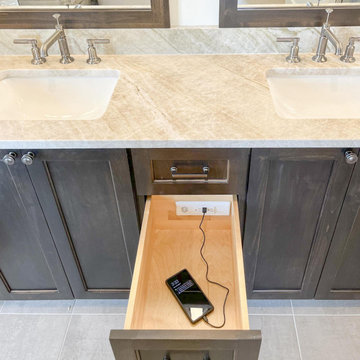
 Docking Drawer
Ideal for tight spaces, this durable metal-framed in-drawer outlet fit perfectly with a small channel cut for smooth operation. Built for long-term use, it's a top choice for quality and clearance.
15