
Search results for "Streamline operations" in Home Design Ideas
 Timberline Patio Covers
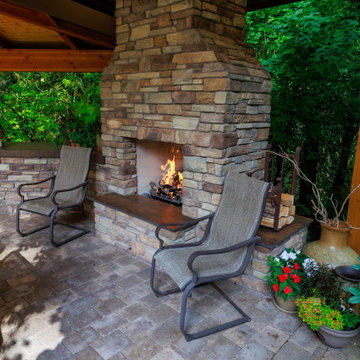
This outdoor living project was designed to create a seamless, comfortable, and highly functional backyard entertainment space. The installation included custom electrical integration throughout the patio cover, outdoor kitchen, shed, and surrounding yard areas, with a strong emphasis on clean finishes and concealed wiring.
The patio cover features eleven recessed LED lights with black trim installed in a symmetrical layout, along with smart Caséta lighting controls and wireless Pico remotes for convenient operation. Two Bromic Tungsten 500 gas heaters were strategically installed to provide year-round comfort, paired with a concealed Bromic remote/timer system for streamlined control.
Additional upgrades included new GFCI outlets in the shed, yard, and outdoor kitchen, conduit relocation and organization, and a dedicated 20-amp exterior circuit for reliable power distribution. The open-rafter patio cover design required careful coordination between soffit construction, lighting placement, and concealed conduit routing. Custom post wrap modifications were also completed to discreetly house gas and electrical lines for a polished final appearance.
The result is a clean, modern outdoor space designed for entertaining, functionality, and long-term performance.

 Allreno
In What Order Should You Renovate a Kitchen? Revolutionizing Kitchen and Bath Renovation with Allreno's Design AI
Renovating a kitchen can be one of the most exciting and rewarding home improvement projects. However, with so many decisions to make, it can also be overwhelming. From selecting kitchen cabinets to choosing countertops and appliances, the process often involves careful planning and organization. So, how do you ensure the renovation goes smoothly? One important factor is knowing the right order in which to tackle the project.
The Right Order for Kitchen Renovation
Renovating a kitchen involves multiple steps, and knowing the proper order of operations is crucial for both time efficiency and cost savings. Here’s a general guideline for how to approach your kitchen renovation:
1. Planning and Design: The first step in any renovation is planning. This includes deciding on the layout, design, and features you want in your kitchen. At this stage, you’ll also need to think about your budget and timeline. It’s essential to finalize these details before moving forward with the actual work.
2. Demolition: Once the design is set, it’s time to remove old fixtures, cabinets, appliances, and flooring. Demolition can be a messy process, but it’s necessary for starting fresh. Having a professional handle this phase is often a smart move to ensure everything is safely removed.
3. Structural Work: If you plan on altering the layout of the kitchen by knocking down walls or adding new plumbing or electrical work, now is the time to do it. Structural changes can be complicated and costly, so it’s important to ensure these are completed before installing any new elements.
4. Plumbing and Electrical Work: With the structure in place, you can begin installing plumbing and electrical systems. This might include adding new water lines, sinks, or electrical outlets for appliances. It’s best to bring in licensed professionals for this stage, as electrical and plumbing work requires expert knowledge.
5. Cabinet Installation: Once the plumbing and electrical work are in place, you can install the kitchen cabinets. Cabinets are one of the most important elements of the kitchen, and the Allreno design AI can make this process easier. Allreno's AI-driven platform allows you to visualize how different kitchen cabinets will fit into your space, ensuring you make the best choice based on your preferences and layout.
6. Countertops: After the cabinets are installed, it’s time to add countertops. Whether you choose granite, quartz, or a more budget-friendly option, countertops are a focal point of the kitchen, and they should complement the cabinets and other design elements.
7. Flooring: Now that the major structural elements are in place, it’s time to install your flooring. Whether you opt for tile, hardwood, or vinyl, flooring should be installed after the cabinets and countertops to prevent any damage during the installation process.
8. Appliances and Fixtures: With the foundation in place, you can now add your appliances (oven, refrigerator, dishwasher, etc.) and fixtures (sink, faucets, lighting). Allreno’s AI can also help here by offering kitchen design recommendations based on available appliances and space dimensions.
9. Final Touches: The last step is adding the finishing touches to your kitchen. This includes painting the walls, adding backsplash tiles, and installing accessories like handles and knobs on your cabinets. This is also the stage where you can implement any stylistic choices to make the space uniquely yours.
How Allreno's AI Transforms the Renovation Process
One of the biggest challenges of a kitchen renovation is visualizing how everything will come together. Allreno’s design AI changes that by offering an intuitive platform that brings your ideas to life. Here’s how:
• Personalized Design Recommendations: Allreno’s AI suggests design elements based on your preferences, style, and space dimensions. Whether it’s selecting the perfect kitchen cabinets or countertop finishes, the AI ensures everything works together cohesively.
• 3D Visualization: With Allreno’s AI-driven design tools, you can visualize your kitchen layout in 3D before any work begins. This allows you to see how different elements will fit into your space and make adjustments as needed.
• Efficient Project Management: Allreno helps you streamline the entire renovation process by generating accurate material lists, estimates, and timelines. This means you can avoid costly errors and keep your renovation on track.
Conclusion
Renovating a kitchen is an exciting project, but it requires careful planning and organization to ensure it’s done right. By following a strategic order of operations and leveraging cutting-edge technology like Allreno’s design AI, homeowners can streamline the process, save time and money, and bring their dream kitchen to life with ease. Allreno not only simplifies the design process but also provides innovative solutions that make kitchen and bath renovations faster and more efficient than ever before.
Ready to get started with your kitchen renovation? Allreno's AI-powered design platform is here to help you every step of the way.
 Cheery Curtains
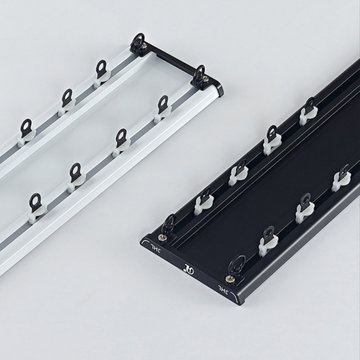
The CHRY36 aluminium ceiling curtain track takes a prominent position in our diverse range of offerings. Whether it's the sleek white or the sophisticated black curtain rails, they add a touch of style to any space. If you add the curtain closers in the middle, there is no light leakage. The double curtain rails offer enhanced functionality, allowing for greater light control and privacy. You can hang both the curtains and sheers. Best ceiling curtain rails, such as the silent gliss variety, ensure smooth and quiet operation. In your living room, the aluminium ceiling curtain track becomes a focal point, seamlessly blending with the ceiling while providing a concealed and streamlined look. At CheeryCurtains, we take pride in offering these high-quality aluminium ceiling curtain tracks that enhance the aesthetic and functionality of your living spaces.
Find the right local pro for your project
 Seattle Cabinets
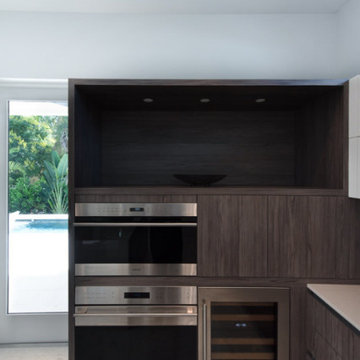
This modern kitchen featuring sleek and elegant cabinets. The cabinets showcase grain-matching laminate panels, creating a consistent and stylish texture. Notably, the absence of handles gives a clean and streamlined appearance, complemented by the use of C-channels for contemporary design element. The upper cabinets are painted in a crisp white hue, contributing to a bright and open atmosphere. The addition of servo drive mechanisms allows for effortless and smooth cabinet operation, highlighting a fusion of functionality and modern luxury in the kitchen space.#seattlecabinets #moderncabinets #contemporarydesign #contemporarystyle #slabdoors

 Don’s Mobile Glass
The Marvin Ultimate Glider window brings quality craftsmanship; contemporary styling; and a modern, streamlined look to any home. This industry leading design features sleek hardware and an ergonomic handle for easy operation. The two-point concealed lock automatically locks when the window is closed and the easy-wash feature adds to the usability of the window. This glider window is a great space saving design for areas where a swinging window won’t work.
 Free Lancing
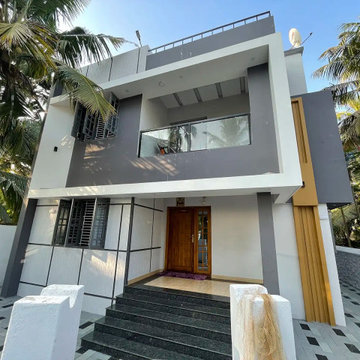
Effective residential construction project management is crucial in today’s fast-moving building industry. It means overseeing every step of building a home, from planning to finishing, to ensure projects are completed time, within budget, and with high quality. Unlike commercial projects, residential projects require special attention to meet homeowners' unique needs and wishes, requiring a customized approach from the beginning to the end.
In 2025, the construction sector will use advanced technologies like AI and integrated project delivery (IPD) to streamline processes and improve stakeholder collaboration. However, project managers face significant challenges, including managing risks, maintaining quality control, and ensuring effective communication among team members.
A WIP Report (Work-in-Progress Report) is a key tool that helps track a project's budget, progress, and resource use. It provides clear insights, making managing costs easier, avoiding delays, and making informed decisions.
By adopting best practices and using modern construction management tools, project managers can overcome these challenges and deliver successful residential construction projects that meet client expectations and contribute to a sustainable future.
This article provides a brief overview of residential construction project management, highlights its importance, and touches on the challenges faced by project managers while incorporating the latest trends and technologies in the field.
Types of Residential Construction Management
Here are the different types of Residential Construction Management:
Single-Family Homes: These are standalone houses built for individual families. Managing these projects involves overseeing construction from planning to completion, ensuring that the home meets the owner's preferences and budget.
Multi-Family Housing: This includes apartments, condominiums, and townhouses. Projects of this type require managing multiple units, often with shared facilities, and ensuring compliance with local building codes.
Custom Home Building: This involves constructing homes tailored to specific client needs. Close collaboration with architects and designers is required to ensure the house reflects the owner's personality and preferences.
Home Renovation and Remodeling: These projects focus on updating or expanding existing homes. They often involve working with subcontractors for specialized tasks like electrical or plumbing work.
Components of Residential Construction Project Management
Managing a residential construction project requires carefully coordinating people, materials, and timelines. A well-structured approach ensures efficiency, cost control, and high-quality results.
Roles and Responsibilities
A project manager plays a vital role in residential construction. They oversee every step from planning to completion and ensure the project stays on schedule, within budget, and meets quality standards.
Project Manager’s Role in Home Construction
The project manager is responsible for organizing tasks, managing resources, and solving problems that arise during construction. They coordinate between different teams, track progress, and ensure safety regulations are followed.
Collaboration with Contractors, Architects, and Stakeholders
Successful residential construction requires teamwork. Project managers work closely with architects to bring designs to new heights, coordinate with contractors to manage labor and materials, and keep stakeholders (such as homeowners and investors) informed about project updates.
Client Communication and Expectations Management
Clear communication with clients is essential. The project manager keeps homeowners updated on timelines, changes, and challenges. Setting realistic expectations and providing regular updates, they help avoid misunderstandings and keep the project running smoothly.
Project Scope & Planning
Practical project planning sets the foundation for a successful residential construction project. It ensures clear goals, minimizes risks, and keeps the project on track.
Defining Project Objectives and Deliverables:
Clearly outlining what needs to be done and what the final result should look like is essential. This involves setting specific, measurable goals that align with the homeowner's vision and budget.
Managing Homeowner Expectations and Scope Creep:
Homeowners often have changing needs or ideas. Effective project managers must manage these expectations to prevent "scope creep," which can delay projects and increase costs. This involves open communication and setting clear boundaries.
Ensuring Compliance with Zoning Laws and Permits:
Before construction begins, it's crucial to ensure that all necessary permits are obtained and that the project complies with local zoning laws. This step avoids costly fines and delays, ensuring the project moves forward smoothly.
Budgeting & Cost Control
Proper budgeting is essential for keeping residential construction projects financially viable. Effective cost management prevents overspending and ensures profitability.
Accurate Cost Estimation for Residential Projects
A precise cost estimate considers labor, materials, permits, and unexpected expenses. Using historical data and Sage 300 CRE for financial management improves accuracy and helps set realistic budgets.
Budget Allocation and Tracking
Allocating funds efficiently ensures that each phase of the project receives the necessary resources. Tracking expenses through Construction & Financial Dashboards allows for real-time monitoring and early detection of budget deviations.
Preventing Budget Overruns
Uncontrolled costs can derail a project. Regular financial reviews, automated alerts for overspending, and contingency planning help keep expenses in check and prevent financial strain.
Scheduling & Timeline Management
Timely project completion is crucial in residential construction. Effective scheduling minimizes delays and ensures a smooth workflow.
Creating Detailed Project Schedules
A structured schedule outlines all tasks, deadlines, and dependencies. Breaking down the project into phases, planning, execution, and finishing, helps maintain order and clarity.
Preventing Delays & Meeting Deadlines
Delays can result from labor shortages, weather conditions, or supply chain issues. To avoid problems, it’s good to check for risks ahead of time, add extra time to schedules, and keep everyone on the same page.
Using Gantt Charts and Critical Path Methods
CPM for Construction helps identify critical activities that directly impact project completion, while Gantt charts provide a visual timeline of tasks. Both tools optimize scheduling and improve efficiency.
Residential Construction Project Management Phases
Managing a residential construction project effectively requires a structured approach through various phases. Each phase plays a critical role in ensuring the project's success, from initial planning to completion.
Pre-Construction Phase
The pre-construction phase sets the foundation for a smooth and efficient building process. Proper planning at this stage helps prevent costly changes and delays later.
Site Analysis & Approvals: A thorough site analysis assesses soil conditions, topography, and environmental factors. Feasibility studies evaluate project viability, including costs and regulatory compliance. Obtaining zoning approvals, permits, and other legal clearances is crucial before breaking ground.
Selecting Materials and Procurement Strategies: Choosing the right materials impacts durability, sustainability, and cost efficiency. A well-planned procurement strategy, including bulk purchasing and reliable supplier partnerships, ensures timely delivery and cost savings. Using Sage 300 CRE for procurement management helps streamline material sourcing and financial planning.
Construction Phase
The construction phase transforms plans into reality. Effective coordination and strict quality control ensure a successful build.
Resource Allocation and Workflow Coordination: Efficiently managing labor, equipment, and materials is key to maintaining progress. Using CPM for Construction, project managers can allocate resources strategically, prevent bottlenecks, and optimize workflows for timely completion.
Project Closeout & Handover
The final phase of residential construction project management is crucial for ensuring a smooth transition from construction to occupancy. Proper closeout procedures guarantee quality, client satisfaction, and long-term project success.
Final Inspections and Quality Assurance: Before finishing the project, a final inspection checks that everything meets safety rules and quality standards. Any problems need to be fixed quickly. Using Procore helps make inspections and tracking issues easier, ensuring a high-quality final product.
Client Walkthrough and Support: A final check helps homeowners see the finished work, ask questions, and make sure it meets their expectations. This is also a chance to explain important home features and maintenance tips. Good communication here builds trust and strengthens relationships.
Warranty Management and Feedback: Efficient warranty management ensures clients get quick help for any issues after construction. A clear process for tracking requests and keeping in touch with homeowners boosts satisfaction. Collecting feedback helps improve future projects. Using S-Curve Forecasting tracks performance trends and refines management strategies.
Software for Residential Construction Project Management
The integration of technology in residential construction project management has revolutionized the way projects are planned, executed, and monitored. Digital tools streamline operations, reduce costs, and improve communication, making them essential for modern construction firms.
Importance of Digital Tools
Investing in digital tools is crucial for construction firms as it transforms the industry by enhancing efficiency, accuracy, and collaboration across the entire project lifecycle. They also improve project management by streamlining processes, automating tasks, and facilitating real-time stakeholder communication.
Top Construction Management Software for Residential Projects
Several software solutions are available for managing residential construction projects:
Procore: Known for its comprehensive project management features, including document management and collaboration tools.
Sage 300 CRE: Offers robust accounting and financial management capabilities, ideal for large-scale construction projects.
Buildertrend: Specializes in residential construction, providing tools for project scheduling, budgeting, and client communication.
CoConstruct: Focuses on custom home building and remodeling, offering features for estimating, scheduling, and project management.
WIP Reports: Useful for tracking work-in-progress and managing project finances effectively.
Features Comparison and Best Use Cases:
Procore: Best for large projects requiring extensive collaboration and document management.
Sage 300 CRE: Ideal for firms needing robust financial management.
Buildertrend: Suitable for residential builders focusing on client communication and project scheduling.
CoConstruct: Perfect for custom home builders who need detailed estimating and scheduling tools.
WIP Reports: Useful for firms needing to track project finances closely.
How Software Improves Project Efficiency
Construction management software significantly enhances project efficiency in several ways:
Automating Accounting and Job Costing: Software like Sage 300 CRE automates financial tasks, reducing manual errors and improving budget tracking.
Streamlining Document Management and Communication: Tools like Procore centralize documents and facilitate real-time communication among team members, reducing misunderstandings and delays.
Mobile-Friendly Solutions for Real-Time Tracking: Mobile apps from platforms like Buildertrend allow for on-site access to project data, enabling real-time tracking and decision-making.
These digital tools and software solutions are essential for modern residential construction project management, offering benefits such as improved efficiency, enhanced collaboration, and better financial control.
Challenges in Residential Construction Project Management
Residential construction projects face a variety of challenges that can impact their success. Here are some of the key issues project managers encounter:
Managing Subcontractors and Labor Shortages
One of the biggest challenges in residential construction is managing subcontractors and dealing with labor shortages. Subcontractors often have their own schedules and priorities, which can lead to delays if not coordinated properly. Additionally, labor shortages can slow down projects and increase costs due to the need for overtime or hiring temporary workers.
Budget Overruns and Unexpected Costs
Budget overruns are common in residential construction due to factors like material price fluctuations, unexpected site conditions, or changes in project scope. Effective budget management involves regularly monitoring expenses and having contingency plans for unexpected costs.
Changing Construction and Eco Rules
Construction and Eco Rules are always changing, so project managers need to keep up with the latest regulations. This involves following guidelines for saving energy, protecting the environment, and ensuring safety. Ignoring these rules can lead to fines, delays, or even stopping the project.
Best Practices
To ensure your residential construction projects run smoothly and successfully, follow these essential best practices:
Setting Clear Project Goals and Milestones
Clearly defining what you want to achieve is the first step to success. Set specific, measurable, achievable, relevant, and time-bound (SMART) goals. This helps everyone involved understand what needs to be done and by when. For example, instead of saying "build a house," say "build a house with three bedrooms and two bathrooms within the next nine months."
Stakeholder Collaboration
Good communication is key to keeping everyone on the same page. Regular meetings with contractors, suppliers, and homeowners help prevent misunderstandings and ensure that everyone knows what's happening and what's next. This open dialogue also helps resolve issues quickly, preventing small problems from becoming big delays.
Using Data-Driven Insights for Decision-Making
Making decisions based on facts rather than guesses is crucial. Use data and analytics to understand project progress, identify potential issues early, and make informed decisions. For instance, if data shows that a particular material is consistently causing delays, you can plan ahead to avoid those delays in the future.
Proactive Risk Management Strategies
Things don't always go as planned, so being prepared is essential. Identify potential risks early and have a plan to manage them. This might include having backup suppliers, planning for weather conditions, or setting aside extra funds for unexpected expenses. Being proactive can prevent small issues from turning into major problems.
Conclusion
Effective residential construction project management requires careful planning, clear communication, and the right digital tools. From single-family homes to multi-family housing and custom projects, managing timelines, budgets, and quality is essential for success.
By following best practices, using project management software, and staying ahead of industry trends, project managers can ensure smooth execution and client satisfaction despite challenges like labor shortages, budget overruns, and regulatory compliance; modern technology and strategic planning help mitigate risks.
Construction firms can improve efficiency, enhance collaboration, and maintain financial control by adopting advanced tools like Procore, Sage 300 CRE, and Buildertrend. A well-managed project delivers a quality home and builds trust and long-term success in the industry.
FAQs
What is residential construction project management?
It involves overseeing all aspects of building residential properties, from initial planning and design to construction and completion, ensuring projects are completed on time, within budget, and to the desired quality standards.
How can I prevent budget overruns in my construction project?
Accurate cost estimation, continuous budget tracking, and having contingency plans for unexpected expenses are key strategies to prevent budget overruns.
What are the main stages of a residential construction project?
The primary stages include design, pre-construction, procurement, and construction.
How does construction management software improve project efficiency?
It streamlines processes like scheduling, budgeting, and communication, providing real-time data access and collaboration among stakeholders, which enhances overall project efficiency.
How can I ensure my project complies with local building codes and regulations?
Engage professionals familiar with local laws, obtain all necessary permits before starting, and conduct regular inspections to ensure adherence to building codes and regulations.
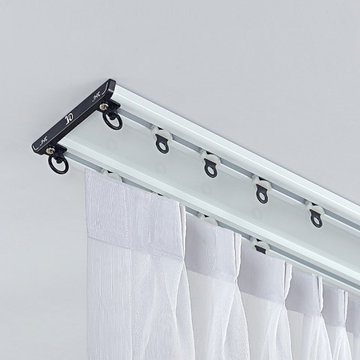 Cheery Curtains
The CHRY36 aluminium ceiling curtain track takes a prominent position in our diverse range of offerings. Whether it's the sleek white or the sophisticated black curtain rails, they add a touch of style to any space. If you add the curtain closers in the middle, there is no light leakage. The double curtain rails offer enhanced functionality, allowing for greater light control and privacy. You can hang both the curtains and sheers. Best ceiling curtain rails, such as the silent gliss variety, ensure smooth and quiet operation. In your living room, the aluminium ceiling curtain track becomes a focal point, seamlessly blending with the ceiling while providing a concealed and streamlined look. At CheeryCurtains, we take pride in offering these high-quality aluminium ceiling curtain tracks that enhance the aesthetic and functionality of your living spaces.
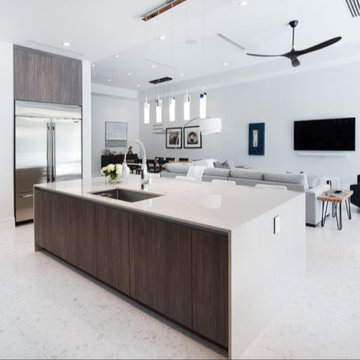 Seattle Cabinets
This modern kitchen featuring sleek and elegant cabinets. The cabinets showcase grain-matching laminate panels, creating a consistent and stylish texture. Notably, the absence of handles gives a clean and streamlined appearance, complemented by the use of C-channels for contemporary design element. The upper cabinets are painted in a crisp white hue, contributing to a bright and open atmosphere. The addition of servo drive mechanisms allows for effortless and smooth cabinet operation, highlighting a fusion of functionality and modern luxury in the kitchen space.#seattlecabinets #moderncabinets #contemporarydesign #contemporarystyle #slabdoors
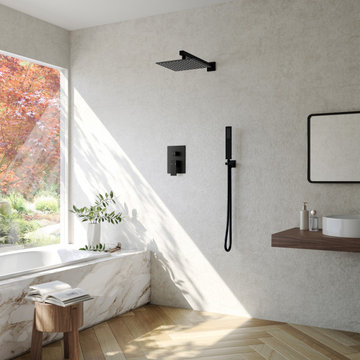
 Everstein_official
The EssentialEase Collection encompasses a range of products such as overhead showers, handheld shower that are thoughtfully crafted with streamlined functionality and straightforward operation. These products are designed to enhance convenience and make daily bathroom routines easier and more enjoyable.
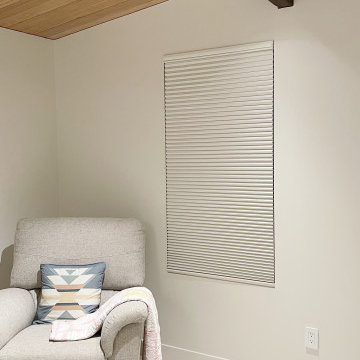
 Amazing Blinds by Armi
Motorized top-down bottom-up cellular shades, also called honeycomb shades, offer one of the most flexible solutions for privacy, light control, and energy efficiency.
In this Mercer Island, WA home we installed Hunter Douglas PowerView® top-down bottom-up cellular shades designed to adapt to how each space in the home is used. This configuration allows the shades to lower from the top or raise from the bottom, providing privacy while still letting in natural light.
Why homeowners choose cellular (honeycomb) shades:
• Flexible privacy control with top-down bottom-up operation
• Improved insulation thanks to the cellular construction
• Reduced glare and UV exposure to help protect interiors
• Motorized operation for convenience on everyday or hard-to-reach windows
• A clean, streamlined look that works with modern and traditional interiors
 SS
SSTop Real Estate App Development Companies Delivering Smart PropTech Solutions
The real estate industry is experiencing a revolution in technology as there have been developments in the form of mobile applications, which have now become essential tools and prove to be an integral part for buyers and sellers as well as agents and developers in this industry. The application of technology in the form of virtual tours and property recommendations through artificial intelligence and other such technology has brought about a new way of doing real estate business. It has been found out through statistics that the PropTech industry will experience considerable growth in the next decade due to the increased use of smartphones, cloud computing, and artificial intelligence.
Why Real Estate Apps Are Transforming the PropTech Industry
The introduction of digital platforms has revolutionized the way people search for, assess, and buy properties. Modern real estate software ensures easy access to property listings, neighborhood information, mortgage calculators, virtual tours, and direct contact with real estate agents, thus cutting out many of the obstacles that were part of the purchasing process. Real Estate App Development allows companies to manage properties efficiently, automatically generate leads, effectively handle customers, and make informed decisions. The inclusion of artificial intelligence and digital transactions makes the experience of using these apps even more efficient.
List of Top Real Estate App Development Companies in the Global Market
1. Suffescom Solutions
Suffescom Solutions is a mobile app development company specializing in Real Estate App Development for startups, real estate agencies, property management firms, and enterprises. The company develops scalable, feature-rich applications that simplify property discovery, virtual tours, lead management, and secure digital transactions. By integrating advanced technologies such as AI, AR/VR, cloud computing, and location intelligence, Suffescom Solutions helps businesses build intuitive PropTech platforms that enhance customer engagement and operational efficiency. The company also focuses on customization, security, and post-launch support to ensure long-term business success.
Key Features
Custom real estate application development
AI-powered property recommendations
Property listing management
Interactive map integration
Virtual property tours
CRM integration
Secure payment gateway
Multi-platform development
Cloud-native architecture
Maintenance and support
2. RisingMax
RisingMax develops innovative digital solutions for businesses seeking advanced PropTech platforms. Its expertise in Real Estate App Development enables companies to launch scalable property applications equipped with intelligent search capabilities, real-time property updates, and secure communication tools. RisingMax combines modern UI/UX practices with cloud technologies to deliver applications that improve customer engagement and simplify property management.
Key Features
Cross-platform app development
AI-enabled property search
Property management dashboard
Cloud deployment
Push notifications
Digital payment integration
Analytics and reporting
API integration
Secure authentication
Ongoing technical support
3. Ascendix Technologies
Ascendix Technologies is known for developing enterprise-grade PropTech software for commercial and residential real estate businesses. The company focuses on building customized applications that streamline property management, brokerage operations, customer engagement, and business workflows. Its expertise includes CRM development, cloud solutions, and data analytics, enabling businesses to manage property portfolios more efficiently.
Key Features
Enterprise real estate solutions
CRM integration
Commercial property management
Cloud infrastructure
Advanced analytics
Workflow automation
Custom software development
Secure data management
API connectivity
Long-term support
4. WillowTree
WillowTree develops premium mobile applications across various industries, including real estate and digital commerce. The company creates user-centric property applications that emphasize intuitive navigation, personalized property recommendations, and engaging digital experiences. Its development approach combines robust engineering with modern design principles to build scalable PropTech platforms for growing businesses.
Key Features
Mobile-first development
Personalized user experience
Property search optimization
Cloud-native architecture
Interactive UI/UX
Analytics integration
Secure user authentication
Multi-device compatibility
Third-party integrations
Continuous optimization
5. Unico Connect
Unico Connect specializes in delivering customized digital products for startups and enterprises, including Real Estate App Development solutions. The company builds scalable applications that simplify property listings, communication, lead management, and customer engagement while integrating cloud technologies for improved business performance.
Key Features
Custom property applications
Cloud-based infrastructure
Real-time messaging
Lead management system
Property listing platform
API integration
Digital documentation
Performance analytics
Secure payment integration
Ongoing maintenance
6. Trango Tech
Trango Tech develops intelligent mobile solutions that help real estate businesses digitize property management and customer interactions. Its applications support advanced search functionality, location-based services, secure transactions, and AI-powered recommendations. The company focuses on scalable software architecture that supports long-term business growth and operational efficiency.
Key Features
Property marketplace development
AI-powered recommendations
Interactive map integration
GPS-enabled search
Digital document management
User analytics
Cross-platform applications
Secure backend systems
CRM connectivity
Cloud deployment
7. MindInventory
MindInventory is a software development company delivering digital transformation solutions across multiple industries, including real estate. Its Real Estate App Development services include modern property applications that combine intuitive interfaces with advanced technologies such as AI, IoT, and cloud computing. The company focuses on creating engaging user experiences while ensuring scalability, security, and seamless business operations.
Key Features
AI-enabled property applications
Cloud-native development
Property management tools
Interactive dashboards
IoT integration
User engagement features
Third-party API integration
Business intelligence reporting
Secure infrastructure
Continuous technical support
Essential Features Every Modern Real Estate App Should Include
Successful Real Estate App Development requires more than attractive property listings. Modern applications must provide seamless experiences for buyers, sellers, agents, and property managers while simplifying transactions and communication.
• User Registration and Profile Management
Allow buyers, sellers, agents, and administrators to create personalized accounts with secure authentication and profile customization.
• Advanced Property Search
Provide powerful filters based on location, property type, price range, amenities, size, and availability to improve property discovery.
• Interactive Maps
Integrate GPS-enabled maps that display nearby schools, hospitals, transportation hubs, restaurants, and neighborhood information.
• High-Quality Property Listings
Support multiple images, HD videos, floor plans, property specifications, and detailed descriptions for each listing.
• Virtual Tours
Enable immersive 360-degree property walkthroughs using AR/VR technology to improve buyer confidence before physical visits.
• AI-Powered Property Recommendations
Use artificial intelligence to recommend properties based on user preferences, browsing behavior, and previous searches.
• Real-Time Chat and Messaging
Facilitate instant communication between buyers, sellers, and agents for faster inquiry resolution.
• Mortgage Calculator
Help users estimate monthly payments, loan eligibility, and financing options directly within the application.
• Appointment Scheduling
Allow users to schedule property visits, virtual meetings, or consultations with agents through integrated calendars.
• Secure Digital Payments
Support booking fees, deposits, subscription payments, and service charges through encrypted payment gateways.
• Document Management
Store contracts, agreements, ownership documents, inspection reports, and legal paperwork securely within the application.
• Push Notifications
Notify users about new listings, price changes, scheduled visits, document approvals, and promotional offers.
• Admin Dashboard
Provide centralized control over users, listings, transactions, content moderation, analytics, and platform management.
• Analytics and Reporting
Offer detailed insights into customer behavior, listing performance, lead generation, conversions, and revenue growth.
• Strong Security
Implement encrypted communications, secure authentication, role-based access control, data privacy measures, and regulatory compliance.
Emerging Trends Shaping the Future of Real Estate App Development
The future of Real Estate App Development is being driven by intelligent technologies that improve decision-making, customer experiences, and operational efficiency throughout the property lifecycle.
Artificial intelligence is transforming property discovery by delivering personalized recommendations, predictive pricing models, and automated customer support. Machine learning algorithms analyze user preferences and market trends to recommend relevant properties while helping businesses generate qualified leads more effectively.
Augmented reality (AR) and virtual reality (VR) are becoming essential components of digital property experiences. Virtual property tours allow buyers to explore homes remotely, reducing travel time and accelerating purchasing decisions.
Another significant trend is IoT integration within smart properties. Connected devices enable users to monitor energy consumption, security systems, lighting, and climate control directly through mobile applications, enhancing property value and user convenience.
Finally, sustainability is becoming an important focus. Modern real estate platforms increasingly highlight green-certified buildings, energy-efficient homes, and environmentally friendly construction projects to meet changing buyer preferences.
Conclusion
The rapid evolution of the PropTech sector has made Real Estate App Development an essential investment for businesses aiming to deliver seamless, technology-driven property experiences. From AI-powered property recommendations and immersive virtual tours to secure digital transactions and cloud-based management systems, modern applications are transforming every stage of the real estate journey. Selecting an experienced development company with expertise in emerging technologies, scalable architecture, and user-centric design is crucial for building a competitive digital platform. As customer expectations continue to evolve, organizations that invest in innovative real estate applications will be better positioned to improve operational efficiency, strengthen customer relationships, and achieve long-term growth in the digital property marketplace.
FAQs
1. What is Real Estate App Development?
Real Estate App Development involves building mobile or web applications that help users buy, sell, rent, and manage properties through digital platforms.
2. How much does Real Estate App Development cost?
Development costs vary based on features, platforms, integrations, UI/UX complexity, and technology requirements, ranging from basic to enterprise-grade solutions.
3. Which features are essential in a real estate app?
Core features include property listings, advanced search, virtual tours, GPS maps, messaging, appointment scheduling, payment integration, and analytics dashboards.
4. Why should businesses invest in Real Estate App Development?
It enhances customer engagement, streamlines property management, increases lead generation, supports digital transactions, and helps businesses stay competitive in the evolving PropTech market.
 NanaWall
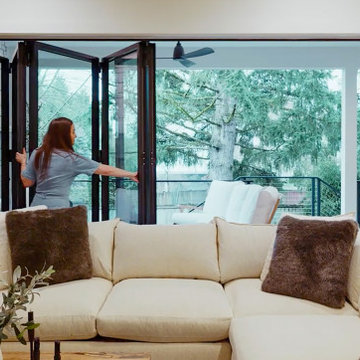
Molly Mesnick, known from Season 13 of "The Bachelor," envisioned her Kirkland, WA dream home as a seamless blend of indoor comfort and outdoor beauty. Her goal was to create an open, airy living space that could easily transition from cozy indoors to expansive outdoors. Central to this vision was NanaWall Generation 4 Folding Glass Wall Systems, state-of-the-art solutions redefining modern living with its innovative design and exceptional functionality.
The Vision: Mesnick wanted a home that offered a seamless connection between indoors and outdoors, allowing for effortless entertaining, maximizing natural light, and providing stunning views. The NanaWall Generation 4 system was identified early in the design process as a key element in achieving this vision.
Homeowner Experience: “My NanaWall was my top wish list item for this house. I just LOVE the look of seamless indoor/outdoor entertaining and NanaWall makes that all possible! The Generation 4 system has a slimmer profile, offering more window view. The wall of windows floods our space with natural light but when it is open, it expands our living space to that covered patio.”
“I went with NanaWall because they are the original for bifold doors; they just have perfected it, and they do it better than anyone else.” — Molly Mesnick, Mesnick Homes
Slim Profiles and Minimal Aesthetics: The Generation 4 system has the slimmest frames in the industry, minimizing visible hardware and enhancing the streamlined appearance.
Enhanced Performance: Engineered to withstand harsh weather, extreme temperatures, and potential forced entry, ensuring safety and durability.
Ease of Operation: Effortless to open and close, the panels glide smoothly, providing a seamless transition between indoor and outdoor spaces.
Barefoot Friendly Sills: Aluminum sill inserts provide high heel and barefoot-safe transitions.
Floating Fourfold and Sixfold Panel Sets: Greater flexibility in configuration, allowing them to move and stack to the left, right, or center of the opening.
Molly Mesnick is opening a set of bifold doors in a modern living room leading to an outdoor seating area with greenery visible beyond.
Design and Installation: Using NanaWall Certified Installation services, the NW Aluminum 640 system in Mesnick's living room transformed the space into a versatile area perfect for entertaining and everyday living. The 15-foot-wide, 8-foot-tall, black-framed folding glass wall enhances the home's aesthetic appeal and provides:
Uninterrupted Views: The slim profile and large glass panels offer expansive views of the outdoor patio and garden, making the natural scenery a continuous backdrop to the indoor environment.
Natural Light: The glass wall floods the living room with natural light, creating a bright and inviting atmosphere.
Indoor-Outdoor Connectivity When fully opened, the glass wall extends the living space to the outdoor patio, perfect for gatherings and summer activities.
The Final Reveal: Molly Mesnick's dream home is a testament to the power of innovative design and technology in creating spaces that are both beautiful and functional. The NanaWall Generation 4 Folding Glass Wall System has not only met her expectations but has become the defining feature of her home, bringing her vision of seamless indoor-outdoor living to life. It stands as a symbol of modern architectural trends that embrace flexibility, openness, and a deep connection with the outdoors.
 HU-702316300
Pipex.ai is a trusted B2B Marketplace offering reliable services for sourcing top-quality industrial products. We connect buyers with verified suppliers of Pipes And Tubes, High Precision Pipes And Tubes, Welded Pipes And Tubes, Buttwelded Tee, and Butt Welded Pipe Fitting. These products are essential in sectors like construction, oil & gas, shipbuilding, and manufacturing, ensuring durability and efficiency in critical applications.
Pipes And Tubes are used for transporting fluids and gases, while High Precision Pipes And Tubes serve industries needing tight dimensional accuracy, like automotive and aerospace. Welded Pipes And Tubes are cost-effective solutions for large-scale fluid transport, and Buttwelded Tee helps in pipeline direction changes. Butt Welded Pipe Fitting ensures leak-proof connections in high-pressure systems, supporting safe and efficient operations.
From versatile Pipes And Tubes to precision fittings likeButtwelded Tee and Butt Welded Pipe Fitting, our B2B Business ensures quality products from trusted suppliers. With streamlined sourcing, competitive pricing, and reliable B2B Service, we make procurement simple and effective for industries worldwide. Delivering the right products at the right time through how our company helps you achieve operational success.
 Cameron's Design
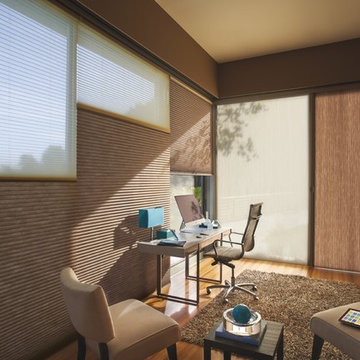
Applause® honeycomb shades offer a streamlined selection of fabrics, colors and operating systems, including Vertiglide™. The only honeycomb shades with energy-efficient, triple-cell construction, they can be seen at our premiere Hunter Douglas showroom.

 Fourty60
Fourty60 Infotech is a Google Workspace Industry leader renowned for providing high-quality work on time every time. Google Workspace Business Standard is a complete set of productivity tools aimed at improving cooperation and streamlining corporate operations. Understanding the costs of these services is critical for firms looking for cost-effective options.

 Window Quilt Muskoka
Hunter Douglas Custom Honeycomb shades - Window Quilt Muskoka
Example of a classic family room design in Toronto
Example of a classic family room design in Toronto

 Salnek's Custom Window Treatments
A standard in energy efficiency
Applause® honeycomb shades offer a streamlined selection of fabrics, colors and operating systems, including Vertiglide™. The only honeycomb shades with energy-efficient, triple-cell construction.
These and all Hunter Douglas Products are now on sale at Salnek Custom Window Treatment
 Claude Clemaron Luxury Bespoke Furniture
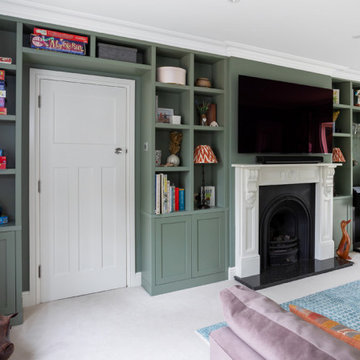
Claude Clémaron Bespoke Wood Interiors built this luxury bespoke fitted living room cabinets for our client’s residence in Guildford, Surrey. Expertly crafted and made to last in sustainable wood, the storage and display furniture brings unique character to the room. The style, dimensions and composition of the fitted furniture pieces was briefed by our client’s interior designer. The floor to ceiling and wall to wall bespoke cabinetry wraps around the doorway leading to the entrance hall. Other features include a custom-lit space to accommodate a piano, two fireside niches housing a pair of matching table lamps and tailored cubbyhole display boxes. Cubbies are more versatile than shelving in a unit, as they can display items such as ornaments and pictures and can be individually customised with lighting, doors or internal shelves. The result is a beautifully organised multipurpose media room and music lounge for relaxing, watching TV, entertaining and playing the piano.
Classic shaker-style with contemporary features
Handcrafted in a classic style in a deep grey green satin matt finish the cabinetry also incorporates contemporary features such as lighting and concealed cabling. To minimise disruption and speed installation, the cabinets were prefinished in Fallow & Ball Card Room Green before delivery. The lower cupboards feature shaker-style recessed flat panel doors. These are handle-free with concealed hinges to maintain the unit’s streamlined look; and the soft-closing doors are operated by an effortless push to open system.
Integrated lighting with concealed wiring
The made to measure fitted unit has been customised with integrated lighting. Lights include spotlights for the piano player, essential for reading sheet music, and flush built in mini-LED downlights in some of the display openings to highlight key items. Concealed sensors mean it only takes a wave of the hand to dim or switch the lights on or off. Both lighting and cabling were installed into the cabinets prior to installation with wiring concealed, yet accessible.
 Claude Clemaron Luxury Bespoke Furniture
Claude Clémaron Bespoke Wood Interiors built this luxury bespoke fitted living room cabinets for our client’s residence in Guildford, Surrey. Expertly crafted and made to last in sustainable wood, the storage and display furniture brings unique character to the room. The style, dimensions and composition of the fitted furniture pieces was briefed by our client’s interior designer. The floor to ceiling and wall to wall bespoke cabinetry wraps around the doorway leading to the entrance hall. Other features include a custom-lit space to accommodate a piano, two fireside niches housing a pair of matching table lamps and tailored cubbyhole display boxes. Cubbies are more versatile than shelving in a unit, as they can display items such as ornaments and pictures and can be individually customised with lighting, doors or internal shelves. The result is a beautifully organised multipurpose media room and music lounge for relaxing, watching TV, entertaining and playing the piano.
Classic shaker-style with contemporary features
Handcrafted in a classic style in a deep grey green satin matt finish the cabinetry also incorporates contemporary features such as lighting and concealed cabling. To minimise disruption and speed installation, the cabinets were prefinished in Fallow & Ball Card Room Green before delivery. The lower cupboards feature shaker-style recessed flat panel doors. These are handle-free with concealed hinges to maintain the unit’s streamlined look; and the soft-closing doors are operated by an effortless push to open system.
Integrated lighting with concealed wiring
The made to measure fitted unit has been customised with integrated lighting. Lights include spotlights for the piano player, essential for reading sheet music, and flush built in mini-LED downlights in some of the display openings to highlight key items. Concealed sensors mean it only takes a wave of the hand to dim or switch the lights on or off. Both lighting and cabling were installed into the cabinets prior to installation with wiring concealed, yet accessible.

 Linen Chest
Applause® honeycomb shades offer a streamlined selection of fabrics, colors and operating systems, including Vertiglide™. The only honeycomb shades with energy-efficient, triple-cell construction.
Linen Chest - Canada's Custom Window Treatment Expert
Book an appointment today!
Custom window shades by Hunter Douglas
6