
Search results for "Threaten" in Home Design Ideas
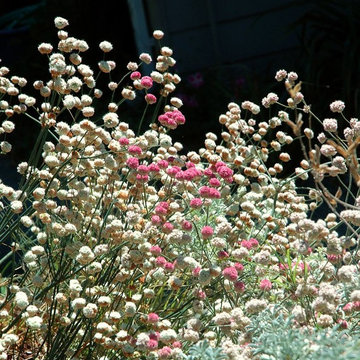
 Pete Veilleux, East Bay Wilds
Naked buckwheat (Eriogonum nudum) with red buckwheat (Eriogonum grande var. rubescens). Photo by Pete Veilleux, East Bay Wilds
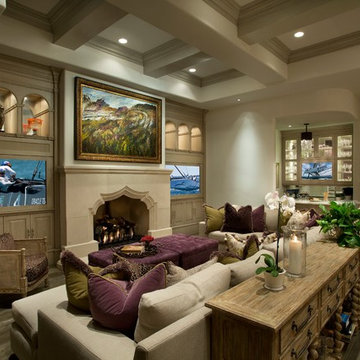
 Goodall Custom Cabinetry
Living room - traditional formal dark wood floor living room idea in Phoenix with beige walls, a standard fireplace and a media wall
![full [s3e1] Power Se.ason 3 Ep.isode 1 On.line Call Me James](https://st.hzcdn.com/fimgs/696141ae078aa206_3435-w360-h360-b0-p0--.jpg) Armed & Safe Firearms Training
Armed & Safe Firearms Trainingfull [s3e1] Power Se.ason 3 Ep.isode 1 On.line Call Me James. Alright, everything looks perfect then, and let's getting started to watch for it finally, Power s03e01: Call Me James. As the premiere of season 3, what we could expect then? James gets ready to leave Ghost behind. Angela needs to choose between honor and love. A bit reminder from "Ghost Is Dead" Bodies from Ghost's organization drop left and right, each death inching closer to Ghost and Tommy.
Tasha learns of Shawn's death, believing it to have been Ghost's work. Kanan and Ghost fight with Ghost the victor, leaving him for dead and burning the evidence. Tommy Learns of Ghost's involvement with Holly. Ghost reveals to Tommy that he was the one killing most of the members from the organization.
Soon after, Tommy shows Ghost the fake ID of Holly and goes solo. Lobo's calls Tommy wanting him to work with him or lose everything. Angela and Ghost reconcile telling her Ghost is dead, but at the risk of her possibly losing her job. Greg threatens to put Angela and Ghost in jail. The police investigate a fire at Ghost's and Kanan's fight, revealing someone escaped, strongly implying Kanan is still alive.
Know further of this show, Power is an American crime drama television series airing on Starz. The show was created by Courtney Kemp Agboh and is produced by the rapper Curtis "50 Cent" Jackson. It premiered on June 7, 2014.
On June 11, 2014, Starz renewed Power for a ten-episode second season, which began on June 6, 2015 and ended on August 15, 2015. On June 10, 2015, after a very positive critical response to its season 2 premiere, Power was renewed for a ten-episode third season which is scheduled to premiere on July 17, 2016.
Very fantastic, The series follows James St. Patrick, nicknamed "Ghost," owner of a popular New York City nightclub "Truth." In addition, he is a major player in one of the city's biggest illegal drug networks. He struggles to balance these two lives, and the balance topples when he realizes he wants to leave the drug ring in order to support his legitimate business, and commit to his mistress. He seems eerily unhappy with his life, Tommy calling it a mid-life crisis, therefore getting in a relationship with Angela.
He also has to keep his marriage with Tasha (Naughton) and his relationship with AUSA agent Angela Valdez (Loren). With help from his partner in crime Tommy Egan (Sikora), he tries to manage a double life. In the second season James is thrown out of his penthouse after Tasha found out that James took Angela to Miami.
100% working here:
http://tinyurl.com/ju79smw
http://tinyurl.com/jejqwra
Kanan (50 Cent) who spent 10 years in a drug related crime, also believes Ghost set him up. Kanan has a son Shawn, who drives Ghost around and Kanan uses him to get information on Ghost. In the season 2 finale, Ghost and Kanan indulge in an extremely dangerous fight in a dilapidated building. Ghost eventually stabs Kanan and burns him. But in the final minutes of the season finale "Ghost Is Dead", it is revealed that sprinklers had put the fire out, resulting in Kanan escaping and ends with the line "Nobody broke in, somebody broke out". Go and start watching for it after all, Power season 3, episode 1 : Call Me James.
Find the right local pro for your project
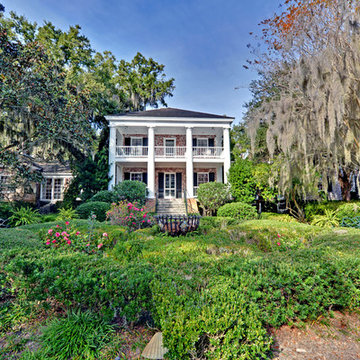
 Envision Web
Stuart Wade, Envision Virtual Tours
The second-largest and most developed of Georgia's barrier islands, St. Simons is approximately twelve miles long and nearly three miles wide at its widest stretch (roughly the size of Manhattan Island in New York). The island is located in Glynn County on Georgia's coast and lies east of Brunswick (the seat of Glynn County), south of Little St. Simons Island and the Hampton River, and north of Jekyll Island. The resort community of Sea Island is separated from St. Simons on the east by the Black Banks River. Known for its oak tree canopies and historic landmarks, St. Simons is both a tourist destination and, according to the 2010 U.S. census, home to 12,743 residents.
Early History
The earliest
St. Simons Island Village
record of human habitation on the island dates to the Late Archaic Period, about 5,000 to 3,000 years ago. Remnants of shell rings left behind by Native Americans from this era survive on many of the barrier islands, including St. Simons. Centuries later, during the period known by historians as the chiefdom era, the Guale Indians established a chiefdom centered on St. Catherines Island and used St. Simons as their hunting and fishing grounds. By 1500 the Guale had established a permanent village of about 200 people on St. Simons, which they called Guadalquini.
Beginning in 1568, the Spanish attempted to create missions along the Georgia coast. Catholic missions were the primary means by which Georgia's indigenous Native American chiefdoms were assimilated into the Spanish colonial system along the northern frontier of greater Spanish Florida. In the 1600s St. Simons became home to two Spanish missions: San Buenaventura de Guadalquini, on the southern tip of the island, and Santo Domingo de Asao (or Asajo), on the northern tip. Located on the inland side of the island were the pagan refugee villages of San Simón, the island's namesake, and Ocotonico. In 1684 pirate raids left the missions and villages largely abandoned.
Colonial History
As
Fort Frederica
early as 1670, with Great Britain's establishment of the colony of Carolina and its expansion into Georgia territory, Spanish rule was threatened by the English. The Georgia coast was considered "debatable land" by England and Spain, even though Spain had fully retreated from St. Simons by 1702. Thirty-one years later General James Edward Oglethorpe founded the English settlement of Savannah. In 1736 he established Fort Frederica, named after the heir to the British throne, Frederick Louis, prince of Wales, on the west side of St. Simons Island to protect Savannah and the Carolinas from the Spanish threat.
Between 1736 and 1749 Fort Frederica was the hub of British military operations along the Georgia frontier. A town of the same name grew up around the fort and was of great importance to the new colony. By 1740 Frederica's population was 1,000. In 1736 the congregation of what would become Christ Church was organized within Fort Frederica as a mission of the Church of England. Charles Wesley led the first services. In 1742 Britain's decisive victory over Spain in the Battle of Bloody Marsh, during the War of Jenkins' Ear, ended the Spanish threat to the Georgia coast. When the British regimen disbanded in 1749, most of the townspeople relocated to the mainland. Fort Frederica went into decline and, except for a short time of prosperity during the 1760s and 1770s under the leadership of merchant James Spalding, never fully recovered. Today the historic citadel's tabby ruins are maintained by the National Park Service.
Plantation Era
By the start of the American Revolution (1775-83), Fort Frederica was obsolete, and St. Simons was left largely uninhabited as most of its residents joined the patriot army. Besides hosting a small Georgia naval victory on the Fort Frederica River, providing guns from its famous fort for use at Fort Morris in Sunbury, and serving as an arena for pillaging by privateers and British soldiers, the island played almost no role in the war.
Following the war, many of the townspeople, their businesses destroyed, turned to agriculture. The island was transformed into fourteen cotton plantations after acres of live oak trees were cleared for farm land and used for building American warships, including the famous USS Constitution, or "Old Ironsides." Although rice was the predominant crop along the neighboring Altamaha River, St. Simons was known for its production of long-staple cotton, which soon came to be known as Sea Island cotton.
Between
Ebos Landing
the 1780s and the outbreak of the Civil War (1861-65), St. Simons's plantation culture flourished. The saline atmosphere and the availability of cheap slave labor proved an ideal combination for the cultivation of Sea Island cotton. In 1803 a group of Ebo slaves who survived the Middle Passage and arrived on the west side of St. Simons staged a rebellion and drowned themselves. The sacred site is known today as Ebos Landing.
One of the largest owners of land and slaves on St. Simons was Pierce Butler, master of Hampton Point Plantation, located on the northern end of the island. By 1793 Butler owned more than 500 slaves, who cultivated 800 acres of cotton on St. Simons and 300 acres of rice on Butler's Island in the Altamaha River delta. Butler's grandson, Pierce Mease Butler, who at the age of sixteen inherited a share of his grandfather's estate in 1826, was responsible for the largest sale of human beings in the history of the United States: in 1859, to restore his squandered fortune, he sold 429 slaves in Savannah for more than $300,000. The British actress and writer Fanny Kemble, whose tumultuous marriage to Pierce ended in divorce in 1849, published an eyewitness account of the evils of slavery on St. Simons in her book Journal of a Residence on a Georgian Plantation in 1838-1839 (1863).
Another
Retreat Plantation
large owner of land and slaves on St. Simons was Major William Page, a friend and employee of Pierce Butler Sr. Before purchasing Retreat Plantation on the southwestern tip of the island in 1804, Page managed the Hampton plantation and Butler's Island. Upon Page's death in 1827, Thomas Butler King inherited the land together with his wife, Page's daughter, Anna Matilda Page King. King expanded his father-in-law's planting empire on St. Simons as well as on the mainland, and by 1835 Retreat Plantation alone was home to as many as 355 slaves.
The center of life during the island's plantation era was Christ Church, Frederica. Organized in 1807 by a group of island planters, the Episcopal church is the second oldest in the Diocese of Georgia. Embargoes imposed by the War of 1812 (1812-15) prevented the parishioners from building a church structure, so they worshiped in the home of John Beck, which stood on the site of Oglethorpe's only St. Simons residence, Orange Hall.
The first Christ Church building, finished on the present site in 1820, was ruined by occupying Union troops during the Civil War. In 1884 the Reverend Anson Dodge Jr. rebuilt the church as a memorial to his first wife, Ellen. The cruciform building with a trussed gothic roof and stained-glass windows remains active today as Christ Church.
Civil War and Beyond
The
St. Simons Island Lighthouse
outbreak of the Civil War in 1861 put a sudden end to St. Simons's lucrative plantation era. In January of that year, Confederate troops were stationed at the south end of the island to guard the entrance to Brunswick Harbor. Slaves from Retreat Plantation, owned by Thomas Butler King, built earthworks and batteries. Plantation residents were scattered—the men joined the Confederate army and their families moved to the mainland. Cannon fire was heard on the island in December 1861, and Confederate troops retreated in February 1862, after dynamiting the lighthouse to keep its beacon from aiding Union troops. Soon thereafter, Union troops occupied the island, which was used as a camp for freed slaves. By August 1862 more than 500 former slaves lived on St. Simons, including Susie King Taylor, who organized a school for freed slave children. But in November the ex-slaves were taken to Hilton Head, South Carolina, and Fernandina, Florida, leaving the island abandoned.
After the Civil War the island never returned to its status as an agricultural community. The plantations lay dormant because there were no slaves to work the fields. After Union general William T. Sherman's January 1865 Special Field Order No. 15 —a demand that former plantations be divided and distributed to former slaves—was overturned by U.S. president Andrew Johnson less than a year later, freedmen and women were forced to work as sharecroppers on the small farms that dotted the land previously occupied by the sprawling plantations.
By
St. Simons Lumber Mills
1870 real economic recovery began with the reestablishment of the timber industry. Norman Dodge and Titus G. Meigs of New York set up lumber mill operations at Gascoigne Bluff, formerly Hamilton Plantation. The lumber mills provided welcome employment for both blacks and whites and also provided mail and passenger boats to the mainland. Such water traffic, together with the construction of a new lighthouse in 1872, designed by architect Charles B. Cluskey, marked the beginning of St. Simons's tourism industry. The keeper of the lighthouse created a small amusement park, which drew many visitors, as did the seemingly miraculous light that traveled from the top of the lighthouse tower to the bottom. The island became a summer retreat for families from the mainland, particularly from Baxley, Brunswick, and Waycross.
The island's resort industry was thriving by the 1880s. Beachfront structures, such as a new pier and grand hotel, were built on the southeastern end of the island and could be accessed by ferry. Around this time wealthy northerners began vacationing on the island.
Twentieth Century
The
St. Simons Island Pier and Village
opening in 1924 of the Brunswick–St. Simons Highway, today known as the Torras Causeway, was a milestone in the development of resorts in the area. St. Simons's beaches were now easily accessible to locals and tourists alike. More than 5,000 automobiles took the short drive from Brunswick to St. Simons via the causeway on its opening day, paving the way for convenient residential and resort development.
In 1926 automotive pioneer Howard Coffin of Detroit, Michigan, bought large tracts of land on St. Simons, including the former Retreat Plantation, and constructed a golf course, yacht club, paved roads, and a residential subdivision. Although the causeway had brought large numbers of summer people to the island, St. Simons remained a small community with only a few hundred permanent residents until the 1940s.
The
St. Simons Island
outbreak of World War II (1941-45) brought more visitors and residents to St. Simons. Troops stationed at Jacksonville, Florida; Savannah; and nearby Camp Stewart took weekend vacations on the island, and a new naval air base and radar school became home to even more officers and soldiers. The increased wartime population brought the island its first public school. With a major shipyard for the production of Liberty ships in nearby Brunswick, the waters of St. Simons became active with German U-boats. In April 1942, just off the coast, the Texas Company oil tanker S. S. Oklahoma and the S. S. Esso Baton Rouge were torpedoed by the Germans, bringing the war very close to home for island residents.
Due in large part to the military's improvement of the island's infrastructure during the war, development on the island boomed in the 1950s and 1960s. More permanent homes and subdivisions were built, and the island was no longer just a summer resort but also a thriving community. In 1950 the Methodist conference and retreat center Epworth by the Sea opened on Gascoigne Bluff. In 1961 novelist Eugenia Price visited St. Simons and began work on her first works of fiction, known as the St. Simons Trilogy. Inspired by real events on the island, Price's trilogy renewed interest in the history of Georgia's coast, and the novelist herself relocated to the island in 1965 and lived there for thirty-one years. St. Simons is also home to contemporary Georgia writer Tina McElroy Ansa.
Since
Epworth by the Sea
1980 St. Simons's population has doubled. The island's continued status as a vacation destination and its ongoing development boom have put historic landmarks and natural areas at risk. While such landmarks as the Fort Frederica ruins and the Battle of Bloody Marsh site are preserved and maintained by the National Park Service, and while the historic lighthouse is maintained by the Coastal Georgia Historical Society, historic Ebos Landing has been taken over by a sewage treatment plant.
Several coastal organizations have formed in recent years to save natural areas on the island. The St. Simons Land Trust, for example, has received donations of large tracts of land and plans to protect property in the island's three traditional African American neighborhoods. Despite its rapid growth and development, St. Simons remains one of the most beautiful and important islands on the Georgia coast.
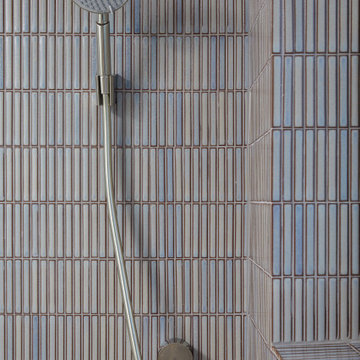
 Cathie Hong Interiors
This Australian-inspired new construction was a successful collaboration between homeowner, architect, designer and builder. The home features a Henrybuilt kitchen, butler's pantry, private home office, guest suite, master suite, entry foyer with concealed entrances to the powder bathroom and coat closet, hidden play loft, and full front and back landscaping with swimming pool and pool house/ADU.
 Lotus Gardenscapes & Bloom Garden Center
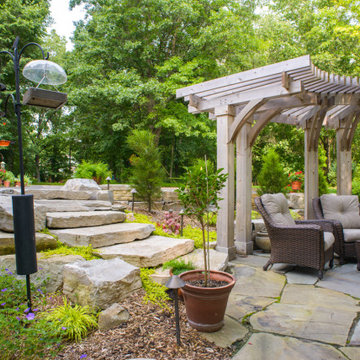
We were lucky to be contacted by a client who designed their own dream home directly abutting a stunning nature preserve. When the homeowners were considering making some adjustments to their property, maintaining the connection between the home and its natural surroundings was of the utmost importance.
The couple wanted to create a space where they could drink in the beauty of the preserve. But what spurred the project was the need to make functional improvements. There was erosion on a hill sloping away from the house that needed to be addressed. Poor drainage saw rainwater was threatening the driveway and deck access on the side of the house.
As careful thinkers, they came into this project brimming with creative ideas for how to transform the space into something functional and worthy of its surroundings. They called us to help tie the project together and execute it.
Initial ideas were for a 3 or 4 season porch that would provide unmatched views of the surroundings, but with the functional aspects of the project, the dream porch was out of budget and still did not address the eroding hillside.
Not to worry the team at Lotus was able to take inspiration from the couples’ ideas, and together, we developed a stunning space truly worthy of the nature preserve around it.
PRACTICAL SOLUTIONS
In landscaping, the importance of water management cannot be overstated. Our first job in the landscape design process was to improve the drainage for the site. Improved drainage protects not just the landscaping, but the home itself. In fact, estimates indicate that water problems are responsible for 85% of home repair expenses in the US annually. To ensure the drainage problems were fixed permanently, Lotus constructed a retaining wall to protect the foundation of the house.
Once we fixed the broken drainage, we moved on to the slope at the side of the house. The hillside was badly eroding, making it another area of concern for the homeowners. Almost immediately, our team of experts saw the eroding hillside not as a problem, but as an opportunity. We fixed some grading issues and then planted the slope with native plants. These served a number of different functions:
Native plants tied the home and its landscape to the nature preserve. The Ann Arbor area features a diverse and beautiful array of plant life and this was something the Lotus team and the homeowners were excited to celebrate.
The plants’ root structure protects the integrity of the hillside. Plant roots act as anchors, gripping the earth and making the soil much more resistant to erosion. Native plants are especially good for this because they evolved alongside the native soil.
Plants on the hillside provided privacy from the neighbors. Look, we love our neighbors. But sometimes, in those quiet moments life affords us all too infrequently, it is nice to have a bit of peace and quiet. While a fence could do the job just as well, a fence isn’t suited to every environment. When your backyard is a nature preserve, you want to feel as connected to the land as possible. Tall native plants add to the feeling of connectedness in a way a fence simply can’t.
BEAUTIFUL RESULTS
The couple had a deck and a walkout patio, but these spaces felt disconnected. Many of the solutions they put forward were attempts to address this separation. Working with our designers, we created a beautiful, tiered walkway that connected the deck and the walkout using modern bluestone from Rock Bottom Stone Supply, right here in Michigan. We added lighting features that would increase the feeling of connectivity between these spaces.
We set out to create a space that would hover between the patio and the deck. This space would make our homeowners feel connected to the nature preserve around them while allowing them to feel creative and comfortable.
To start, we made benches, stairs, and a built-in table. From there we finished with a cedar pergola that would give them shade in the summer months. We ended up making the pergola curved so it would relax into the space and provide a bit of the wow factor. We connected the deck and the walkout and paid homage to the slope and the preserve by installing still more native plants.
All in all, the space completely rejuvenated the couple’s yard. It proved an elegant solution to a number of practical problems and served as a connection between the house and the stunning property onto which the house was built.
At Lotus, we have proven our ability to provide similar solutions for many properties like this, but this one stands out. If for no other reason than to remind us, again and again, that nature and natural beauty are truly worth celebrating.
Designer: Traven Pelletier
Location: Brighton, Mi
Materials: Limestone outcrop, bluestone patio, cedar pergola, all natural stone
Vendors: Rock Bottom Stone supply in Burton, Michigan, Hobart stone in New York is bluestone supplier
 Envision Web
Stuart Wade, Envision Virtual Tours
The second-largest and most developed of Georgia's barrier islands, St. Simons is approximately twelve miles long and nearly three miles wide at its widest stretch (roughly the size of Manhattan Island in New York). The island is located in Glynn County on Georgia's coast and lies east of Brunswick (the seat of Glynn County), south of Little St. Simons Island and the Hampton River, and north of Jekyll Island. The resort community of Sea Island is separated from St. Simons on the east by the Black Banks River. Known for its oak tree canopies and historic landmarks, St. Simons is both a tourist destination and, according to the 2010 U.S. census, home to 12,743 residents.
Early History
The earliest
St. Simons Island Village
record of human habitation on the island dates to the Late Archaic Period, about 5,000 to 3,000 years ago. Remnants of shell rings left behind by Native Americans from this era survive on many of the barrier islands, including St. Simons. Centuries later, during the period known by historians as the chiefdom era, the Guale Indians established a chiefdom centered on St. Catherines Island and used St. Simons as their hunting and fishing grounds. By 1500 the Guale had established a permanent village of about 200 people on St. Simons, which they called Guadalquini.
Beginning in 1568, the Spanish attempted to create missions along the Georgia coast. Catholic missions were the primary means by which Georgia's indigenous Native American chiefdoms were assimilated into the Spanish colonial system along the northern frontier of greater Spanish Florida. In the 1600s St. Simons became home to two Spanish missions: San Buenaventura de Guadalquini, on the southern tip of the island, and Santo Domingo de Asao (or Asajo), on the northern tip. Located on the inland side of the island were the pagan refugee villages of San Simón, the island's namesake, and Ocotonico. In 1684 pirate raids left the missions and villages largely abandoned.
Colonial History
As
Fort Frederica
early as 1670, with Great Britain's establishment of the colony of Carolina and its expansion into Georgia territory, Spanish rule was threatened by the English. The Georgia coast was considered "debatable land" by England and Spain, even though Spain had fully retreated from St. Simons by 1702. Thirty-one years later General James Edward Oglethorpe founded the English settlement of Savannah. In 1736 he established Fort Frederica, named after the heir to the British throne, Frederick Louis, prince of Wales, on the west side of St. Simons Island to protect Savannah and the Carolinas from the Spanish threat.
Between 1736 and 1749 Fort Frederica was the hub of British military operations along the Georgia frontier. A town of the same name grew up around the fort and was of great importance to the new colony. By 1740 Frederica's population was 1,000. In 1736 the congregation of what would become Christ Church was organized within Fort Frederica as a mission of the Church of England. Charles Wesley led the first services. In 1742 Britain's decisive victory over Spain in the Battle of Bloody Marsh, during the War of Jenkins' Ear, ended the Spanish threat to the Georgia coast. When the British regimen disbanded in 1749, most of the townspeople relocated to the mainland. Fort Frederica went into decline and, except for a short time of prosperity during the 1760s and 1770s under the leadership of merchant James Spalding, never fully recovered. Today the historic citadel's tabby ruins are maintained by the National Park Service.
Plantation Era
By the start of the American Revolution (1775-83), Fort Frederica was obsolete, and St. Simons was left largely uninhabited as most of its residents joined the patriot army. Besides hosting a small Georgia naval victory on the Fort Frederica River, providing guns from its famous fort for use at Fort Morris in Sunbury, and serving as an arena for pillaging by privateers and British soldiers, the island played almost no role in the war.
Following the war, many of the townspeople, their businesses destroyed, turned to agriculture. The island was transformed into fourteen cotton plantations after acres of live oak trees were cleared for farm land and used for building American warships, including the famous USS Constitution, or "Old Ironsides." Although rice was the predominant crop along the neighboring Altamaha River, St. Simons was known for its production of long-staple cotton, which soon came to be known as Sea Island cotton.
Between
Ebos Landing
the 1780s and the outbreak of the Civil War (1861-65), St. Simons's plantation culture flourished. The saline atmosphere and the availability of cheap slave labor proved an ideal combination for the cultivation of Sea Island cotton. In 1803 a group of Ebo slaves who survived the Middle Passage and arrived on the west side of St. Simons staged a rebellion and drowned themselves. The sacred site is known today as Ebos Landing.
One of the largest owners of land and slaves on St. Simons was Pierce Butler, master of Hampton Point Plantation, located on the northern end of the island. By 1793 Butler owned more than 500 slaves, who cultivated 800 acres of cotton on St. Simons and 300 acres of rice on Butler's Island in the Altamaha River delta. Butler's grandson, Pierce Mease Butler, who at the age of sixteen inherited a share of his grandfather's estate in 1826, was responsible for the largest sale of human beings in the history of the United States: in 1859, to restore his squandered fortune, he sold 429 slaves in Savannah for more than $300,000. The British actress and writer Fanny Kemble, whose tumultuous marriage to Pierce ended in divorce in 1849, published an eyewitness account of the evils of slavery on St. Simons in her book Journal of a Residence on a Georgian Plantation in 1838-1839 (1863).
Another
Retreat Plantation
large owner of land and slaves on St. Simons was Major William Page, a friend and employee of Pierce Butler Sr. Before purchasing Retreat Plantation on the southwestern tip of the island in 1804, Page managed the Hampton plantation and Butler's Island. Upon Page's death in 1827, Thomas Butler King inherited the land together with his wife, Page's daughter, Anna Matilda Page King. King expanded his father-in-law's planting empire on St. Simons as well as on the mainland, and by 1835 Retreat Plantation alone was home to as many as 355 slaves.
The center of life during the island's plantation era was Christ Church, Frederica. Organized in 1807 by a group of island planters, the Episcopal church is the second oldest in the Diocese of Georgia. Embargoes imposed by the War of 1812 (1812-15) prevented the parishioners from building a church structure, so they worshiped in the home of John Beck, which stood on the site of Oglethorpe's only St. Simons residence, Orange Hall.
The first Christ Church building, finished on the present site in 1820, was ruined by occupying Union troops during the Civil War. In 1884 the Reverend Anson Dodge Jr. rebuilt the church as a memorial to his first wife, Ellen. The cruciform building with a trussed gothic roof and stained-glass windows remains active today as Christ Church.
Civil War and Beyond
The
St. Simons Island Lighthouse
outbreak of the Civil War in 1861 put a sudden end to St. Simons's lucrative plantation era. In January of that year, Confederate troops were stationed at the south end of the island to guard the entrance to Brunswick Harbor. Slaves from Retreat Plantation, owned by Thomas Butler King, built earthworks and batteries. Plantation residents were scattered—the men joined the Confederate army and their families moved to the mainland. Cannon fire was heard on the island in December 1861, and Confederate troops retreated in February 1862, after dynamiting the lighthouse to keep its beacon from aiding Union troops. Soon thereafter, Union troops occupied the island, which was used as a camp for freed slaves. By August 1862 more than 500 former slaves lived on St. Simons, including Susie King Taylor, who organized a school for freed slave children. But in November the ex-slaves were taken to Hilton Head, South Carolina, and Fernandina, Florida, leaving the island abandoned.
After the Civil War the island never returned to its status as an agricultural community. The plantations lay dormant because there were no slaves to work the fields. After Union general William T. Sherman's January 1865 Special Field Order No. 15 —a demand that former plantations be divided and distributed to former slaves—was overturned by U.S. president Andrew Johnson less than a year later, freedmen and women were forced to work as sharecroppers on the small farms that dotted the land previously occupied by the sprawling plantations.
By
St. Simons Lumber Mills
1870 real economic recovery began with the reestablishment of the timber industry. Norman Dodge and Titus G. Meigs of New York set up lumber mill operations at Gascoigne Bluff, formerly Hamilton Plantation. The lumber mills provided welcome employment for both blacks and whites and also provided mail and passenger boats to the mainland. Such water traffic, together with the construction of a new lighthouse in 1872, designed by architect Charles B. Cluskey, marked the beginning of St. Simons's tourism industry. The keeper of the lighthouse created a small amusement park, which drew many visitors, as did the seemingly miraculous light that traveled from the top of the lighthouse tower to the bottom. The island became a summer retreat for families from the mainland, particularly from Baxley, Brunswick, and Waycross.
The island's resort industry was thriving by the 1880s. Beachfront structures, such as a new pier and grand hotel, were built on the southeastern end of the island and could be accessed by ferry. Around this time wealthy northerners began vacationing on the island.
Twentieth Century
The
St. Simons Island Pier and Village
opening in 1924 of the Brunswick–St. Simons Highway, today known as the Torras Causeway, was a milestone in the development of resorts in the area. St. Simons's beaches were now easily accessible to locals and tourists alike. More than 5,000 automobiles took the short drive from Brunswick to St. Simons via the causeway on its opening day, paving the way for convenient residential and resort development.
In 1926 automotive pioneer Howard Coffin of Detroit, Michigan, bought large tracts of land on St. Simons, including the former Retreat Plantation, and constructed a golf course, yacht club, paved roads, and a residential subdivision. Although the causeway had brought large numbers of summer people to the island, St. Simons remained a small community with only a few hundred permanent residents until the 1940s.
The
St. Simons Island
outbreak of World War II (1941-45) brought more visitors and residents to St. Simons. Troops stationed at Jacksonville, Florida; Savannah; and nearby Camp Stewart took weekend vacations on the island, and a new naval air base and radar school became home to even more officers and soldiers. The increased wartime population brought the island its first public school. With a major shipyard for the production of Liberty ships in nearby Brunswick, the waters of St. Simons became active with German U-boats. In April 1942, just off the coast, the Texas Company oil tanker S. S. Oklahoma and the S. S. Esso Baton Rouge were torpedoed by the Germans, bringing the war very close to home for island residents.
Due in large part to the military's improvement of the island's infrastructure during the war, development on the island boomed in the 1950s and 1960s. More permanent homes and subdivisions were built, and the island was no longer just a summer resort but also a thriving community. In 1950 the Methodist conference and retreat center Epworth by the Sea opened on Gascoigne Bluff. In 1961 novelist Eugenia Price visited St. Simons and began work on her first works of fiction, known as the St. Simons Trilogy. Inspired by real events on the island, Price's trilogy renewed interest in the history of Georgia's coast, and the novelist herself relocated to the island in 1965 and lived there for thirty-one years. St. Simons is also home to contemporary Georgia writer Tina McElroy Ansa.
Since
Epworth by the Sea
1980 St. Simons's population has doubled. The island's continued status as a vacation destination and its ongoing development boom have put historic landmarks and natural areas at risk. While such landmarks as the Fort Frederica ruins and the Battle of Bloody Marsh site are preserved and maintained by the National Park Service, and while the historic lighthouse is maintained by the Coastal Georgia Historical Society, historic Ebos Landing has been taken over by a sewage treatment plant.
Several coastal organizations have formed in recent years to save natural areas on the island. The St. Simons Land Trust, for example, has received donations of large tracts of land and plans to protect property in the island's three traditional African American neighborhoods. Despite its rapid growth and development, St. Simons remains one of the most beautiful and important islands on the Georgia coast.
 Jack Calderone
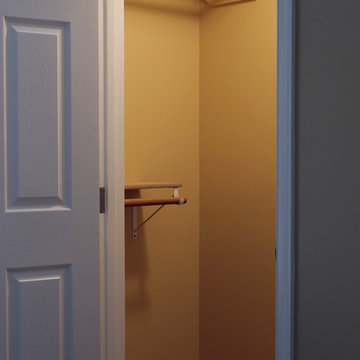
This bedroom and full bathroom are part of an adventuresome project my wife and I embarked upon to create a complete apartment in the basement of our townhouse. We designed a floor plan that creatively and efficiently used all of the 385-square-foot-space, without sacrificing beauty, comfort or function – and all without breaking the bank! To maximize our budget, we did the work ourselves and added everything from thrift store finds to DIY wall art to bring it all together.
A partial double closet bar adds a little extra space while still leaving room for longer hanging clothes.
 Envision Web
Stuart Wade, Envision Virtual Tours
The second-largest and most developed of Georgia's barrier islands, St. Simons is approximately twelve miles long and nearly three miles wide at its widest stretch (roughly the size of Manhattan Island in New York). The island is located in Glynn County on Georgia's coast and lies east of Brunswick (the seat of Glynn County), south of Little St. Simons Island and the Hampton River, and north of Jekyll Island. The resort community of Sea Island is separated from St. Simons on the east by the Black Banks River. Known for its oak tree canopies and historic landmarks, St. Simons is both a tourist destination and, according to the 2010 U.S. census, home to 12,743 residents.
Early History
The earliest
St. Simons Island Village
record of human habitation on the island dates to the Late Archaic Period, about 5,000 to 3,000 years ago. Remnants of shell rings left behind by Native Americans from this era survive on many of the barrier islands, including St. Simons. Centuries later, during the period known by historians as the chiefdom era, the Guale Indians established a chiefdom centered on St. Catherines Island and used St. Simons as their hunting and fishing grounds. By 1500 the Guale had established a permanent village of about 200 people on St. Simons, which they called Guadalquini.
Beginning in 1568, the Spanish attempted to create missions along the Georgia coast. Catholic missions were the primary means by which Georgia's indigenous Native American chiefdoms were assimilated into the Spanish colonial system along the northern frontier of greater Spanish Florida. In the 1600s St. Simons became home to two Spanish missions: San Buenaventura de Guadalquini, on the southern tip of the island, and Santo Domingo de Asao (or Asajo), on the northern tip. Located on the inland side of the island were the pagan refugee villages of San Simón, the island's namesake, and Ocotonico. In 1684 pirate raids left the missions and villages largely abandoned.
Colonial History
As
Fort Frederica
early as 1670, with Great Britain's establishment of the colony of Carolina and its expansion into Georgia territory, Spanish rule was threatened by the English. The Georgia coast was considered "debatable land" by England and Spain, even though Spain had fully retreated from St. Simons by 1702. Thirty-one years later General James Edward Oglethorpe founded the English settlement of Savannah. In 1736 he established Fort Frederica, named after the heir to the British throne, Frederick Louis, prince of Wales, on the west side of St. Simons Island to protect Savannah and the Carolinas from the Spanish threat.
Between 1736 and 1749 Fort Frederica was the hub of British military operations along the Georgia frontier. A town of the same name grew up around the fort and was of great importance to the new colony. By 1740 Frederica's population was 1,000. In 1736 the congregation of what would become Christ Church was organized within Fort Frederica as a mission of the Church of England. Charles Wesley led the first services. In 1742 Britain's decisive victory over Spain in the Battle of Bloody Marsh, during the War of Jenkins' Ear, ended the Spanish threat to the Georgia coast. When the British regimen disbanded in 1749, most of the townspeople relocated to the mainland. Fort Frederica went into decline and, except for a short time of prosperity during the 1760s and 1770s under the leadership of merchant James Spalding, never fully recovered. Today the historic citadel's tabby ruins are maintained by the National Park Service.
Plantation Era
By the start of the American Revolution (1775-83), Fort Frederica was obsolete, and St. Simons was left largely uninhabited as most of its residents joined the patriot army. Besides hosting a small Georgia naval victory on the Fort Frederica River, providing guns from its famous fort for use at Fort Morris in Sunbury, and serving as an arena for pillaging by privateers and British soldiers, the island played almost no role in the war.
Following the war, many of the townspeople, their businesses destroyed, turned to agriculture. The island was transformed into fourteen cotton plantations after acres of live oak trees were cleared for farm land and used for building American warships, including the famous USS Constitution, or "Old Ironsides." Although rice was the predominant crop along the neighboring Altamaha River, St. Simons was known for its production of long-staple cotton, which soon came to be known as Sea Island cotton.
Between
Ebos Landing
the 1780s and the outbreak of the Civil War (1861-65), St. Simons's plantation culture flourished. The saline atmosphere and the availability of cheap slave labor proved an ideal combination for the cultivation of Sea Island cotton. In 1803 a group of Ebo slaves who survived the Middle Passage and arrived on the west side of St. Simons staged a rebellion and drowned themselves. The sacred site is known today as Ebos Landing.
One of the largest owners of land and slaves on St. Simons was Pierce Butler, master of Hampton Point Plantation, located on the northern end of the island. By 1793 Butler owned more than 500 slaves, who cultivated 800 acres of cotton on St. Simons and 300 acres of rice on Butler's Island in the Altamaha River delta. Butler's grandson, Pierce Mease Butler, who at the age of sixteen inherited a share of his grandfather's estate in 1826, was responsible for the largest sale of human beings in the history of the United States: in 1859, to restore his squandered fortune, he sold 429 slaves in Savannah for more than $300,000. The British actress and writer Fanny Kemble, whose tumultuous marriage to Pierce ended in divorce in 1849, published an eyewitness account of the evils of slavery on St. Simons in her book Journal of a Residence on a Georgian Plantation in 1838-1839 (1863).
Another
Retreat Plantation
large owner of land and slaves on St. Simons was Major William Page, a friend and employee of Pierce Butler Sr. Before purchasing Retreat Plantation on the southwestern tip of the island in 1804, Page managed the Hampton plantation and Butler's Island. Upon Page's death in 1827, Thomas Butler King inherited the land together with his wife, Page's daughter, Anna Matilda Page King. King expanded his father-in-law's planting empire on St. Simons as well as on the mainland, and by 1835 Retreat Plantation alone was home to as many as 355 slaves.
The center of life during the island's plantation era was Christ Church, Frederica. Organized in 1807 by a group of island planters, the Episcopal church is the second oldest in the Diocese of Georgia. Embargoes imposed by the War of 1812 (1812-15) prevented the parishioners from building a church structure, so they worshiped in the home of John Beck, which stood on the site of Oglethorpe's only St. Simons residence, Orange Hall.
The first Christ Church building, finished on the present site in 1820, was ruined by occupying Union troops during the Civil War. In 1884 the Reverend Anson Dodge Jr. rebuilt the church as a memorial to his first wife, Ellen. The cruciform building with a trussed gothic roof and stained-glass windows remains active today as Christ Church.
Civil War and Beyond
The
St. Simons Island Lighthouse
outbreak of the Civil War in 1861 put a sudden end to St. Simons's lucrative plantation era. In January of that year, Confederate troops were stationed at the south end of the island to guard the entrance to Brunswick Harbor. Slaves from Retreat Plantation, owned by Thomas Butler King, built earthworks and batteries. Plantation residents were scattered—the men joined the Confederate army and their families moved to the mainland. Cannon fire was heard on the island in December 1861, and Confederate troops retreated in February 1862, after dynamiting the lighthouse to keep its beacon from aiding Union troops. Soon thereafter, Union troops occupied the island, which was used as a camp for freed slaves. By August 1862 more than 500 former slaves lived on St. Simons, including Susie King Taylor, who organized a school for freed slave children. But in November the ex-slaves were taken to Hilton Head, South Carolina, and Fernandina, Florida, leaving the island abandoned.
After the Civil War the island never returned to its status as an agricultural community. The plantations lay dormant because there were no slaves to work the fields. After Union general William T. Sherman's January 1865 Special Field Order No. 15 —a demand that former plantations be divided and distributed to former slaves—was overturned by U.S. president Andrew Johnson less than a year later, freedmen and women were forced to work as sharecroppers on the small farms that dotted the land previously occupied by the sprawling plantations.
By
St. Simons Lumber Mills
1870 real economic recovery began with the reestablishment of the timber industry. Norman Dodge and Titus G. Meigs of New York set up lumber mill operations at Gascoigne Bluff, formerly Hamilton Plantation. The lumber mills provided welcome employment for both blacks and whites and also provided mail and passenger boats to the mainland. Such water traffic, together with the construction of a new lighthouse in 1872, designed by architect Charles B. Cluskey, marked the beginning of St. Simons's tourism industry. The keeper of the lighthouse created a small amusement park, which drew many visitors, as did the seemingly miraculous light that traveled from the top of the lighthouse tower to the bottom. The island became a summer retreat for families from the mainland, particularly from Baxley, Brunswick, and Waycross.
The island's resort industry was thriving by the 1880s. Beachfront structures, such as a new pier and grand hotel, were built on the southeastern end of the island and could be accessed by ferry. Around this time wealthy northerners began vacationing on the island.
Twentieth Century
The
St. Simons Island Pier and Village
opening in 1924 of the Brunswick–St. Simons Highway, today known as the Torras Causeway, was a milestone in the development of resorts in the area. St. Simons's beaches were now easily accessible to locals and tourists alike. More than 5,000 automobiles took the short drive from Brunswick to St. Simons via the causeway on its opening day, paving the way for convenient residential and resort development.
In 1926 automotive pioneer Howard Coffin of Detroit, Michigan, bought large tracts of land on St. Simons, including the former Retreat Plantation, and constructed a golf course, yacht club, paved roads, and a residential subdivision. Although the causeway had brought large numbers of summer people to the island, St. Simons remained a small community with only a few hundred permanent residents until the 1940s.
The
St. Simons Island
outbreak of World War II (1941-45) brought more visitors and residents to St. Simons. Troops stationed at Jacksonville, Florida; Savannah; and nearby Camp Stewart took weekend vacations on the island, and a new naval air base and radar school became home to even more officers and soldiers. The increased wartime population brought the island its first public school. With a major shipyard for the production of Liberty ships in nearby Brunswick, the waters of St. Simons became active with German U-boats. In April 1942, just off the coast, the Texas Company oil tanker S. S. Oklahoma and the S. S. Esso Baton Rouge were torpedoed by the Germans, bringing the war very close to home for island residents.
Due in large part to the military's improvement of the island's infrastructure during the war, development on the island boomed in the 1950s and 1960s. More permanent homes and subdivisions were built, and the island was no longer just a summer resort but also a thriving community. In 1950 the Methodist conference and retreat center Epworth by the Sea opened on Gascoigne Bluff. In 1961 novelist Eugenia Price visited St. Simons and began work on her first works of fiction, known as the St. Simons Trilogy. Inspired by real events on the island, Price's trilogy renewed interest in the history of Georgia's coast, and the novelist herself relocated to the island in 1965 and lived there for thirty-one years. St. Simons is also home to contemporary Georgia writer Tina McElroy Ansa.
Since
Epworth by the Sea
1980 St. Simons's population has doubled. The island's continued status as a vacation destination and its ongoing development boom have put historic landmarks and natural areas at risk. While such landmarks as the Fort Frederica ruins and the Battle of Bloody Marsh site are preserved and maintained by the National Park Service, and while the historic lighthouse is maintained by the Coastal Georgia Historical Society, historic Ebos Landing has been taken over by a sewage treatment plant.
Several coastal organizations have formed in recent years to save natural areas on the island. The St. Simons Land Trust, for example, has received donations of large tracts of land and plans to protect property in the island's three traditional African American neighborhoods. Despite its rapid growth and development, St. Simons remains one of the most beautiful and important islands on the Georgia coast.


 Sosna Inc
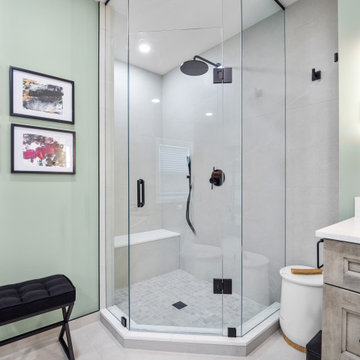
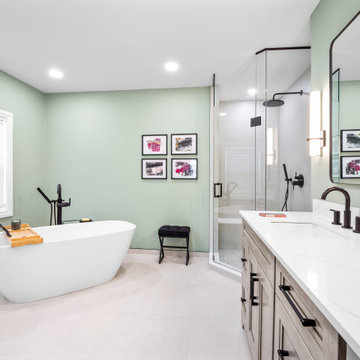
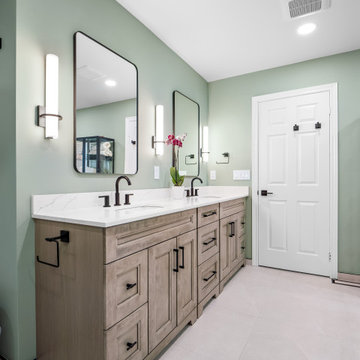
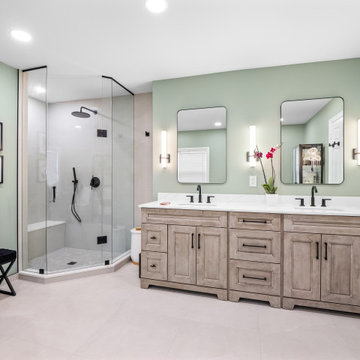
An Ensuite Transformation in Richmond Hill
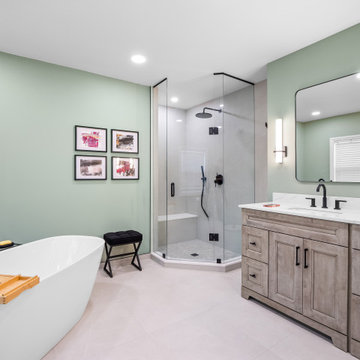
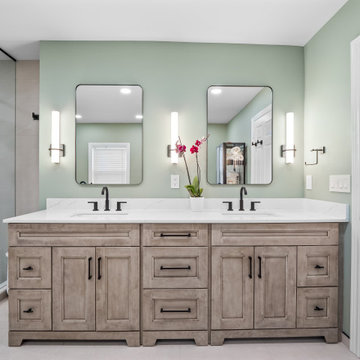
This project showcases how we helped a wonderful retired couple in Richmond Hill transform their dated and dysfunctional master ensuite into a tranquil spa-like retreat. These lovely empty nesters, in their mid to late 70s, envisioned a space where they could truly relax and enjoy their time at home, especially when their family and grandkids came to visit. We were so honored to help them bring that vision to life.
Understanding Their Needs:
From our initial conversations, it was clear how much this couple valued comfort and tranquility. The existing ensuite, unfortunately, fell short of providing either. For the wife, the leaky deck-mount tub was a major disappointment, as she deeply cherished her long, hot baths. The husband, meanwhile, was eager to replace the outdated and cumbersome toilet/bidet combo with a modern, single-piece smart toilet – a desire for both convenience and a touch of modern luxury. The shower stall was cramped, dark, and plagued by mold, while the large double vanity, despite its size, lacked functional storage. It simply wasn't the relaxing oasis they deserved.
Addressing Their Concerns:
We understood that undertaking a renovation can be stressful, especially when you're not going to be on-site for much of the process. This couple was understandably concerned about potential delays, workmanship quality, and the possibility of unforeseen issues arising while they were away. We made it our priority to address each of these concerns with transparency, open communication, and a commitment to delivering on our promises.
Our Personalized Solutions:
We worked closely with the couple to develop solutions that perfectly matched their needs and desires:
● A Sanctuary for Soaking: The leaky deck-mount tub was replaced with a beautiful, freestanding oval tub – easier to access and offering a more contemporary aesthetic. The wife's vision of a small decorative table nearby for her bath essentials added a personal touch, creating a true spa-like experience.
● Modern Comfort and Convenience: The separate toilet and bidet were replaced with a sleek, high-tech smart toilet, fulfilling the husband's wish and adding a touch of modern luxury to their daily routine.
● A Bright and Inviting Shower: The cramped and moldy shower stall was completely transformed. We demolished the existing bulkhead and built a custom walk-in shower with frameless glass, a built-in bench, and a niche for toiletries. The result was a dramatically brighter and more spacious shower experience.
● Storage and Style: A semi-custom double vanity with ample cabinets and drawers was installed, finally providing each of them with dedicated storage and eliminating
countertop clutter. This seemingly small change made a huge difference in their daily lives.
● A Calming Atmosphere: We carefully selected a calming spa-like color palette, incorporating muted, neutral tones and high-quality finishes to create a truly relaxing and inviting atmosphere.
Navigating the Challenges Together:
Renovations rarely go perfectly smoothly, and this project was no exception. We encountered delays with plumbing fixture deliveries, which threatened our timeline. However, by leveraging our established relationships with reliable suppliers, we were able to find alternative solutions
and minimize the impact on the project schedule. We also faced a minor setback when the initially chosen grey vanity went out of stock. Working closely with the couple, we explored other options and ultimately selected a stunning sandstone-stained maple finish, which, as it turned out, complemented the other design elements beautifully. These moments reinforced the importance of open communication and collaboration throughout the process.
The Joy of Transformation:
The final result was truly remarkable. The transformed ensuite is a testament to the power of thoughtful design and meticulous execution. The space now features large-format, light-colored concrete-look porcelain tiles, creating a bright and airy feel. The sandstone-stained maple vanity, topped with a quartz countertop, serves as a beautiful focal point against the muted green walls. Matte black plumbing fixtures, hardware, and accessories add a touch of modern sophistication. The custom frameless shower glass enclosure enhances the spaciousness of the shower, while the smart toilet provides the ultimate in comfort and convenience.
A Space to Cherish:
The renovation has made a profound difference in this couple's daily lives. The wife can now indulge in her beloved long, hot baths in a truly tranquil setting. The husband enjoys the modern convenience of his new smart toilet. The spacious and bright walk-in shower is both beautiful and functional. And the new vanity provides ample storage, keeping the countertop clutter-free and contributing to the overall sense of peace and calm. This ensuite is no longer just a bathroom; it's a personal spa, a sanctuary within their home, where they can relax, rejuvenate, and enjoy their time together.
Memorable Moments and Hiccups:
● Budget Adjustment: After finalizing the initial design, we worked closely with the clients to reselect the freestanding tub to ensure it aligned perfectly with their budget. ● Vanity Setback: The unexpected out-of-stock situation with the original vanity color required a quick and effective re-selection process, which ultimately led to an even better design outcome. This highlighted the importance of flexibility and collaboration during a renovation.
 Angela Flournoy
Photo: Angela Flournoy © 2017 Houzz
Living room - cottage living room idea in Oklahoma City
Living room - cottage living room idea in Oklahoma City
 Sosna Inc
An Ensuite Transformation in Richmond Hill
This project showcases how we helped a wonderful retired couple in Richmond Hill transform their dated and dysfunctional master ensuite into a tranquil spa-like retreat. These lovely empty nesters, in their mid to late 70s, envisioned a space where they could truly relax and enjoy their time at home, especially when their family and grandkids came to visit. We were so honored to help them bring that vision to life.
Understanding Their Needs:
From our initial conversations, it was clear how much this couple valued comfort and tranquility. The existing ensuite, unfortunately, fell short of providing either. For the wife, the leaky deck-mount tub was a major disappointment, as she deeply cherished her long, hot baths. The husband, meanwhile, was eager to replace the outdated and cumbersome toilet/bidet combo with a modern, single-piece smart toilet – a desire for both convenience and a touch of modern luxury. The shower stall was cramped, dark, and plagued by mold, while the large double vanity, despite its size, lacked functional storage. It simply wasn't the relaxing oasis they deserved.
Addressing Their Concerns:
We understood that undertaking a renovation can be stressful, especially when you're not going to be on-site for much of the process. This couple was understandably concerned about potential delays, workmanship quality, and the possibility of unforeseen issues arising while they were away. We made it our priority to address each of these concerns with transparency, open communication, and a commitment to delivering on our promises.
Our Personalized Solutions:
We worked closely with the couple to develop solutions that perfectly matched their needs and desires:
● A Sanctuary for Soaking: The leaky deck-mount tub was replaced with a beautiful, freestanding oval tub – easier to access and offering a more contemporary aesthetic. The wife's vision of a small decorative table nearby for her bath essentials added a personal touch, creating a true spa-like experience.
● Modern Comfort and Convenience: The separate toilet and bidet were replaced with a sleek, high-tech smart toilet, fulfilling the husband's wish and adding a touch of modern luxury to their daily routine.
● A Bright and Inviting Shower: The cramped and moldy shower stall was completely transformed. We demolished the existing bulkhead and built a custom walk-in shower with frameless glass, a built-in bench, and a niche for toiletries. The result was a dramatically brighter and more spacious shower experience.
● Storage and Style: A semi-custom double vanity with ample cabinets and drawers was installed, finally providing each of them with dedicated storage and eliminating
countertop clutter. This seemingly small change made a huge difference in their daily lives.
● A Calming Atmosphere: We carefully selected a calming spa-like color palette, incorporating muted, neutral tones and high-quality finishes to create a truly relaxing and inviting atmosphere.
Navigating the Challenges Together:
Renovations rarely go perfectly smoothly, and this project was no exception. We encountered delays with plumbing fixture deliveries, which threatened our timeline. However, by leveraging our established relationships with reliable suppliers, we were able to find alternative solutions
and minimize the impact on the project schedule. We also faced a minor setback when the initially chosen grey vanity went out of stock. Working closely with the couple, we explored other options and ultimately selected a stunning sandstone-stained maple finish, which, as it turned out, complemented the other design elements beautifully. These moments reinforced the importance of open communication and collaboration throughout the process.
The Joy of Transformation:
The final result was truly remarkable. The transformed ensuite is a testament to the power of thoughtful design and meticulous execution. The space now features large-format, light-colored concrete-look porcelain tiles, creating a bright and airy feel. The sandstone-stained maple vanity, topped with a quartz countertop, serves as a beautiful focal point against the muted green walls. Matte black plumbing fixtures, hardware, and accessories add a touch of modern sophistication. The custom frameless shower glass enclosure enhances the spaciousness of the shower, while the smart toilet provides the ultimate in comfort and convenience.
A Space to Cherish:
The renovation has made a profound difference in this couple's daily lives. The wife can now indulge in her beloved long, hot baths in a truly tranquil setting. The husband enjoys the modern convenience of his new smart toilet. The spacious and bright walk-in shower is both beautiful and functional. And the new vanity provides ample storage, keeping the countertop clutter-free and contributing to the overall sense of peace and calm. This ensuite is no longer just a bathroom; it's a personal spa, a sanctuary within their home, where they can relax, rejuvenate, and enjoy their time together.
Memorable Moments and Hiccups:
● Budget Adjustment: After finalizing the initial design, we worked closely with the clients to reselect the freestanding tub to ensure it aligned perfectly with their budget. ● Vanity Setback: The unexpected out-of-stock situation with the original vanity color required a quick and effective re-selection process, which ultimately led to an even better design outcome. This highlighted the importance of flexibility and collaboration during a renovation.
 Sosna Inc
An Ensuite Transformation in Richmond Hill
This project showcases how we helped a wonderful retired couple in Richmond Hill transform their dated and dysfunctional master ensuite into a tranquil spa-like retreat. These lovely empty nesters, in their mid to late 70s, envisioned a space where they could truly relax and enjoy their time at home, especially when their family and grandkids came to visit. We were so honored to help them bring that vision to life.
Understanding Their Needs:
From our initial conversations, it was clear how much this couple valued comfort and tranquility. The existing ensuite, unfortunately, fell short of providing either. For the wife, the leaky deck-mount tub was a major disappointment, as she deeply cherished her long, hot baths. The husband, meanwhile, was eager to replace the outdated and cumbersome toilet/bidet combo with a modern, single-piece smart toilet – a desire for both convenience and a touch of modern luxury. The shower stall was cramped, dark, and plagued by mold, while the large double vanity, despite its size, lacked functional storage. It simply wasn't the relaxing oasis they deserved.
Addressing Their Concerns:
We understood that undertaking a renovation can be stressful, especially when you're not going to be on-site for much of the process. This couple was understandably concerned about potential delays, workmanship quality, and the possibility of unforeseen issues arising while they were away. We made it our priority to address each of these concerns with transparency, open communication, and a commitment to delivering on our promises.
Our Personalized Solutions:
We worked closely with the couple to develop solutions that perfectly matched their needs and desires:
● A Sanctuary for Soaking: The leaky deck-mount tub was replaced with a beautiful, freestanding oval tub – easier to access and offering a more contemporary aesthetic. The wife's vision of a small decorative table nearby for her bath essentials added a personal touch, creating a true spa-like experience.
● Modern Comfort and Convenience: The separate toilet and bidet were replaced with a sleek, high-tech smart toilet, fulfilling the husband's wish and adding a touch of modern luxury to their daily routine.
● A Bright and Inviting Shower: The cramped and moldy shower stall was completely transformed. We demolished the existing bulkhead and built a custom walk-in shower with frameless glass, a built-in bench, and a niche for toiletries. The result was a dramatically brighter and more spacious shower experience.
● Storage and Style: A semi-custom double vanity with ample cabinets and drawers was installed, finally providing each of them with dedicated storage and eliminating
countertop clutter. This seemingly small change made a huge difference in their daily lives.
● A Calming Atmosphere: We carefully selected a calming spa-like color palette, incorporating muted, neutral tones and high-quality finishes to create a truly relaxing and inviting atmosphere.
Navigating the Challenges Together:
Renovations rarely go perfectly smoothly, and this project was no exception. We encountered delays with plumbing fixture deliveries, which threatened our timeline. However, by leveraging our established relationships with reliable suppliers, we were able to find alternative solutions
and minimize the impact on the project schedule. We also faced a minor setback when the initially chosen grey vanity went out of stock. Working closely with the couple, we explored other options and ultimately selected a stunning sandstone-stained maple finish, which, as it turned out, complemented the other design elements beautifully. These moments reinforced the importance of open communication and collaboration throughout the process.
The Joy of Transformation:
The final result was truly remarkable. The transformed ensuite is a testament to the power of thoughtful design and meticulous execution. The space now features large-format, light-colored concrete-look porcelain tiles, creating a bright and airy feel. The sandstone-stained maple vanity, topped with a quartz countertop, serves as a beautiful focal point against the muted green walls. Matte black plumbing fixtures, hardware, and accessories add a touch of modern sophistication. The custom frameless shower glass enclosure enhances the spaciousness of the shower, while the smart toilet provides the ultimate in comfort and convenience.
A Space to Cherish:
The renovation has made a profound difference in this couple's daily lives. The wife can now indulge in her beloved long, hot baths in a truly tranquil setting. The husband enjoys the modern convenience of his new smart toilet. The spacious and bright walk-in shower is both beautiful and functional. And the new vanity provides ample storage, keeping the countertop clutter-free and contributing to the overall sense of peace and calm. This ensuite is no longer just a bathroom; it's a personal spa, a sanctuary within their home, where they can relax, rejuvenate, and enjoy their time together.
Memorable Moments and Hiccups:
● Budget Adjustment: After finalizing the initial design, we worked closely with the clients to reselect the freestanding tub to ensure it aligned perfectly with their budget. ● Vanity Setback: The unexpected out-of-stock situation with the original vanity color required a quick and effective re-selection process, which ultimately led to an even better design outcome. This highlighted the importance of flexibility and collaboration during a renovation.
 Sosna Inc
An Ensuite Transformation in Richmond Hill
This project showcases how we helped a wonderful retired couple in Richmond Hill transform their dated and dysfunctional master ensuite into a tranquil spa-like retreat. These lovely empty nesters, in their mid to late 70s, envisioned a space where they could truly relax and enjoy their time at home, especially when their family and grandkids came to visit. We were so honored to help them bring that vision to life.
Understanding Their Needs:
From our initial conversations, it was clear how much this couple valued comfort and tranquility. The existing ensuite, unfortunately, fell short of providing either. For the wife, the leaky deck-mount tub was a major disappointment, as she deeply cherished her long, hot baths. The husband, meanwhile, was eager to replace the outdated and cumbersome toilet/bidet combo with a modern, single-piece smart toilet – a desire for both convenience and a touch of modern luxury. The shower stall was cramped, dark, and plagued by mold, while the large double vanity, despite its size, lacked functional storage. It simply wasn't the relaxing oasis they deserved.
Addressing Their Concerns:
We understood that undertaking a renovation can be stressful, especially when you're not going to be on-site for much of the process. This couple was understandably concerned about potential delays, workmanship quality, and the possibility of unforeseen issues arising while they were away. We made it our priority to address each of these concerns with transparency, open communication, and a commitment to delivering on our promises.
Our Personalized Solutions:
We worked closely with the couple to develop solutions that perfectly matched their needs and desires:
● A Sanctuary for Soaking: The leaky deck-mount tub was replaced with a beautiful, freestanding oval tub – easier to access and offering a more contemporary aesthetic. The wife's vision of a small decorative table nearby for her bath essentials added a personal touch, creating a true spa-like experience.
● Modern Comfort and Convenience: The separate toilet and bidet were replaced with a sleek, high-tech smart toilet, fulfilling the husband's wish and adding a touch of modern luxury to their daily routine.
● A Bright and Inviting Shower: The cramped and moldy shower stall was completely transformed. We demolished the existing bulkhead and built a custom walk-in shower with frameless glass, a built-in bench, and a niche for toiletries. The result was a dramatically brighter and more spacious shower experience.
● Storage and Style: A semi-custom double vanity with ample cabinets and drawers was installed, finally providing each of them with dedicated storage and eliminating
countertop clutter. This seemingly small change made a huge difference in their daily lives.
● A Calming Atmosphere: We carefully selected a calming spa-like color palette, incorporating muted, neutral tones and high-quality finishes to create a truly relaxing and inviting atmosphere.
Navigating the Challenges Together:
Renovations rarely go perfectly smoothly, and this project was no exception. We encountered delays with plumbing fixture deliveries, which threatened our timeline. However, by leveraging our established relationships with reliable suppliers, we were able to find alternative solutions
and minimize the impact on the project schedule. We also faced a minor setback when the initially chosen grey vanity went out of stock. Working closely with the couple, we explored other options and ultimately selected a stunning sandstone-stained maple finish, which, as it turned out, complemented the other design elements beautifully. These moments reinforced the importance of open communication and collaboration throughout the process.
The Joy of Transformation:
The final result was truly remarkable. The transformed ensuite is a testament to the power of thoughtful design and meticulous execution. The space now features large-format, light-colored concrete-look porcelain tiles, creating a bright and airy feel. The sandstone-stained maple vanity, topped with a quartz countertop, serves as a beautiful focal point against the muted green walls. Matte black plumbing fixtures, hardware, and accessories add a touch of modern sophistication. The custom frameless shower glass enclosure enhances the spaciousness of the shower, while the smart toilet provides the ultimate in comfort and convenience.
A Space to Cherish:
The renovation has made a profound difference in this couple's daily lives. The wife can now indulge in her beloved long, hot baths in a truly tranquil setting. The husband enjoys the modern convenience of his new smart toilet. The spacious and bright walk-in shower is both beautiful and functional. And the new vanity provides ample storage, keeping the countertop clutter-free and contributing to the overall sense of peace and calm. This ensuite is no longer just a bathroom; it's a personal spa, a sanctuary within their home, where they can relax, rejuvenate, and enjoy their time together.
Memorable Moments and Hiccups:
● Budget Adjustment: After finalizing the initial design, we worked closely with the clients to reselect the freestanding tub to ensure it aligned perfectly with their budget. ● Vanity Setback: The unexpected out-of-stock situation with the original vanity color required a quick and effective re-selection process, which ultimately led to an even better design outcome. This highlighted the importance of flexibility and collaboration during a renovation.
 Sosna Inc
An Ensuite Transformation in Richmond Hill
This project showcases how we helped a wonderful retired couple in Richmond Hill transform their dated and dysfunctional master ensuite into a tranquil spa-like retreat. These lovely empty nesters, in their mid to late 70s, envisioned a space where they could truly relax and enjoy their time at home, especially when their family and grandkids came to visit. We were so honored to help them bring that vision to life.
Understanding Their Needs:
From our initial conversations, it was clear how much this couple valued comfort and tranquility. The existing ensuite, unfortunately, fell short of providing either. For the wife, the leaky deck-mount tub was a major disappointment, as she deeply cherished her long, hot baths. The husband, meanwhile, was eager to replace the outdated and cumbersome toilet/bidet combo with a modern, single-piece smart toilet – a desire for both convenience and a touch of modern luxury. The shower stall was cramped, dark, and plagued by mold, while the large double vanity, despite its size, lacked functional storage. It simply wasn't the relaxing oasis they deserved.
Addressing Their Concerns:
We understood that undertaking a renovation can be stressful, especially when you're not going to be on-site for much of the process. This couple was understandably concerned about potential delays, workmanship quality, and the possibility of unforeseen issues arising while they were away. We made it our priority to address each of these concerns with transparency, open communication, and a commitment to delivering on our promises.
Our Personalized Solutions:
We worked closely with the couple to develop solutions that perfectly matched their needs and desires:
● A Sanctuary for Soaking: The leaky deck-mount tub was replaced with a beautiful, freestanding oval tub – easier to access and offering a more contemporary aesthetic. The wife's vision of a small decorative table nearby for her bath essentials added a personal touch, creating a true spa-like experience.
● Modern Comfort and Convenience: The separate toilet and bidet were replaced with a sleek, high-tech smart toilet, fulfilling the husband's wish and adding a touch of modern luxury to their daily routine.
● A Bright and Inviting Shower: The cramped and moldy shower stall was completely transformed. We demolished the existing bulkhead and built a custom walk-in shower with frameless glass, a built-in bench, and a niche for toiletries. The result was a dramatically brighter and more spacious shower experience.
● Storage and Style: A semi-custom double vanity with ample cabinets and drawers was installed, finally providing each of them with dedicated storage and eliminating
countertop clutter. This seemingly small change made a huge difference in their daily lives.
● A Calming Atmosphere: We carefully selected a calming spa-like color palette, incorporating muted, neutral tones and high-quality finishes to create a truly relaxing and inviting atmosphere.
Navigating the Challenges Together:
Renovations rarely go perfectly smoothly, and this project was no exception. We encountered delays with plumbing fixture deliveries, which threatened our timeline. However, by leveraging our established relationships with reliable suppliers, we were able to find alternative solutions
and minimize the impact on the project schedule. We also faced a minor setback when the initially chosen grey vanity went out of stock. Working closely with the couple, we explored other options and ultimately selected a stunning sandstone-stained maple finish, which, as it turned out, complemented the other design elements beautifully. These moments reinforced the importance of open communication and collaboration throughout the process.
The Joy of Transformation:
The final result was truly remarkable. The transformed ensuite is a testament to the power of thoughtful design and meticulous execution. The space now features large-format, light-colored concrete-look porcelain tiles, creating a bright and airy feel. The sandstone-stained maple vanity, topped with a quartz countertop, serves as a beautiful focal point against the muted green walls. Matte black plumbing fixtures, hardware, and accessories add a touch of modern sophistication. The custom frameless shower glass enclosure enhances the spaciousness of the shower, while the smart toilet provides the ultimate in comfort and convenience.
A Space to Cherish:
The renovation has made a profound difference in this couple's daily lives. The wife can now indulge in her beloved long, hot baths in a truly tranquil setting. The husband enjoys the modern convenience of his new smart toilet. The spacious and bright walk-in shower is both beautiful and functional. And the new vanity provides ample storage, keeping the countertop clutter-free and contributing to the overall sense of peace and calm. This ensuite is no longer just a bathroom; it's a personal spa, a sanctuary within their home, where they can relax, rejuvenate, and enjoy their time together.
Memorable Moments and Hiccups:
● Budget Adjustment: After finalizing the initial design, we worked closely with the clients to reselect the freestanding tub to ensure it aligned perfectly with their budget. ● Vanity Setback: The unexpected out-of-stock situation with the original vanity color required a quick and effective re-selection process, which ultimately led to an even better design outcome. This highlighted the importance of flexibility and collaboration during a renovation.
 Sosna Inc
An Ensuite Transformation in Richmond Hill
This project showcases how we helped a wonderful retired couple in Richmond Hill transform their dated and dysfunctional master ensuite into a tranquil spa-like retreat. These lovely empty nesters, in their mid to late 70s, envisioned a space where they could truly relax and enjoy their time at home, especially when their family and grandkids came to visit. We were so honored to help them bring that vision to life.
Understanding Their Needs:
From our initial conversations, it was clear how much this couple valued comfort and tranquility. The existing ensuite, unfortunately, fell short of providing either. For the wife, the leaky deck-mount tub was a major disappointment, as she deeply cherished her long, hot baths. The husband, meanwhile, was eager to replace the outdated and cumbersome toilet/bidet combo with a modern, single-piece smart toilet – a desire for both convenience and a touch of modern luxury. The shower stall was cramped, dark, and plagued by mold, while the large double vanity, despite its size, lacked functional storage. It simply wasn't the relaxing oasis they deserved.
Addressing Their Concerns:
We understood that undertaking a renovation can be stressful, especially when you're not going to be on-site for much of the process. This couple was understandably concerned about potential delays, workmanship quality, and the possibility of unforeseen issues arising while they were away. We made it our priority to address each of these concerns with transparency, open communication, and a commitment to delivering on our promises.
Our Personalized Solutions:
We worked closely with the couple to develop solutions that perfectly matched their needs and desires:
● A Sanctuary for Soaking: The leaky deck-mount tub was replaced with a beautiful, freestanding oval tub – easier to access and offering a more contemporary aesthetic. The wife's vision of a small decorative table nearby for her bath essentials added a personal touch, creating a true spa-like experience.
● Modern Comfort and Convenience: The separate toilet and bidet were replaced with a sleek, high-tech smart toilet, fulfilling the husband's wish and adding a touch of modern luxury to their daily routine.
● A Bright and Inviting Shower: The cramped and moldy shower stall was completely transformed. We demolished the existing bulkhead and built a custom walk-in shower with frameless glass, a built-in bench, and a niche for toiletries. The result was a dramatically brighter and more spacious shower experience.
● Storage and Style: A semi-custom double vanity with ample cabinets and drawers was installed, finally providing each of them with dedicated storage and eliminating
countertop clutter. This seemingly small change made a huge difference in their daily lives.
● A Calming Atmosphere: We carefully selected a calming spa-like color palette, incorporating muted, neutral tones and high-quality finishes to create a truly relaxing and inviting atmosphere.
Navigating the Challenges Together:
Renovations rarely go perfectly smoothly, and this project was no exception. We encountered delays with plumbing fixture deliveries, which threatened our timeline. However, by leveraging our established relationships with reliable suppliers, we were able to find alternative solutions
and minimize the impact on the project schedule. We also faced a minor setback when the initially chosen grey vanity went out of stock. Working closely with the couple, we explored other options and ultimately selected a stunning sandstone-stained maple finish, which, as it turned out, complemented the other design elements beautifully. These moments reinforced the importance of open communication and collaboration throughout the process.
The Joy of Transformation:
The final result was truly remarkable. The transformed ensuite is a testament to the power of thoughtful design and meticulous execution. The space now features large-format, light-colored concrete-look porcelain tiles, creating a bright and airy feel. The sandstone-stained maple vanity, topped with a quartz countertop, serves as a beautiful focal point against the muted green walls. Matte black plumbing fixtures, hardware, and accessories add a touch of modern sophistication. The custom frameless shower glass enclosure enhances the spaciousness of the shower, while the smart toilet provides the ultimate in comfort and convenience.
A Space to Cherish:
The renovation has made a profound difference in this couple's daily lives. The wife can now indulge in her beloved long, hot baths in a truly tranquil setting. The husband enjoys the modern convenience of his new smart toilet. The spacious and bright walk-in shower is both beautiful and functional. And the new vanity provides ample storage, keeping the countertop clutter-free and contributing to the overall sense of peace and calm. This ensuite is no longer just a bathroom; it's a personal spa, a sanctuary within their home, where they can relax, rejuvenate, and enjoy their time together.
Memorable Moments and Hiccups:
● Budget Adjustment: After finalizing the initial design, we worked closely with the clients to reselect the freestanding tub to ensure it aligned perfectly with their budget. ● Vanity Setback: The unexpected out-of-stock situation with the original vanity color required a quick and effective re-selection process, which ultimately led to an even better design outcome. This highlighted the importance of flexibility and collaboration during a renovation.
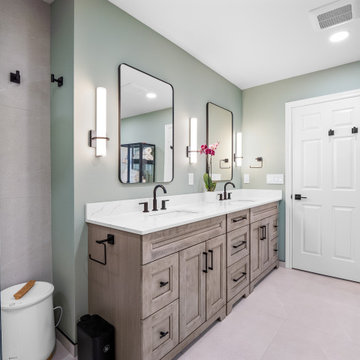 Sosna Inc
An Ensuite Transformation in Richmond Hill
This project showcases how we helped a wonderful retired couple in Richmond Hill transform their dated and dysfunctional master ensuite into a tranquil spa-like retreat. These lovely empty nesters, in their mid to late 70s, envisioned a space where they could truly relax and enjoy their time at home, especially when their family and grandkids came to visit. We were so honored to help them bring that vision to life.
Understanding Their Needs:
From our initial conversations, it was clear how much this couple valued comfort and tranquility. The existing ensuite, unfortunately, fell short of providing either. For the wife, the leaky deck-mount tub was a major disappointment, as she deeply cherished her long, hot baths. The husband, meanwhile, was eager to replace the outdated and cumbersome toilet/bidet combo with a modern, single-piece smart toilet – a desire for both convenience and a touch of modern luxury. The shower stall was cramped, dark, and plagued by mold, while the large double vanity, despite its size, lacked functional storage. It simply wasn't the relaxing oasis they deserved.
Addressing Their Concerns:
We understood that undertaking a renovation can be stressful, especially when you're not going to be on-site for much of the process. This couple was understandably concerned about potential delays, workmanship quality, and the possibility of unforeseen issues arising while they were away. We made it our priority to address each of these concerns with transparency, open communication, and a commitment to delivering on our promises.
Our Personalized Solutions:
We worked closely with the couple to develop solutions that perfectly matched their needs and desires:
● A Sanctuary for Soaking: The leaky deck-mount tub was replaced with a beautiful, freestanding oval tub – easier to access and offering a more contemporary aesthetic. The wife's vision of a small decorative table nearby for her bath essentials added a personal touch, creating a true spa-like experience.
● Modern Comfort and Convenience: The separate toilet and bidet were replaced with a sleek, high-tech smart toilet, fulfilling the husband's wish and adding a touch of modern luxury to their daily routine.
● A Bright and Inviting Shower: The cramped and moldy shower stall was completely transformed. We demolished the existing bulkhead and built a custom walk-in shower with frameless glass, a built-in bench, and a niche for toiletries. The result was a dramatically brighter and more spacious shower experience.
● Storage and Style: A semi-custom double vanity with ample cabinets and drawers was installed, finally providing each of them with dedicated storage and eliminating
countertop clutter. This seemingly small change made a huge difference in their daily lives.
● A Calming Atmosphere: We carefully selected a calming spa-like color palette, incorporating muted, neutral tones and high-quality finishes to create a truly relaxing and inviting atmosphere.
Navigating the Challenges Together:
Renovations rarely go perfectly smoothly, and this project was no exception. We encountered delays with plumbing fixture deliveries, which threatened our timeline. However, by leveraging our established relationships with reliable suppliers, we were able to find alternative solutions
and minimize the impact on the project schedule. We also faced a minor setback when the initially chosen grey vanity went out of stock. Working closely with the couple, we explored other options and ultimately selected a stunning sandstone-stained maple finish, which, as it turned out, complemented the other design elements beautifully. These moments reinforced the importance of open communication and collaboration throughout the process.
The Joy of Transformation:
The final result was truly remarkable. The transformed ensuite is a testament to the power of thoughtful design and meticulous execution. The space now features large-format, light-colored concrete-look porcelain tiles, creating a bright and airy feel. The sandstone-stained maple vanity, topped with a quartz countertop, serves as a beautiful focal point against the muted green walls. Matte black plumbing fixtures, hardware, and accessories add a touch of modern sophistication. The custom frameless shower glass enclosure enhances the spaciousness of the shower, while the smart toilet provides the ultimate in comfort and convenience.
A Space to Cherish:
The renovation has made a profound difference in this couple's daily lives. The wife can now indulge in her beloved long, hot baths in a truly tranquil setting. The husband enjoys the modern convenience of his new smart toilet. The spacious and bright walk-in shower is both beautiful and functional. And the new vanity provides ample storage, keeping the countertop clutter-free and contributing to the overall sense of peace and calm. This ensuite is no longer just a bathroom; it's a personal spa, a sanctuary within their home, where they can relax, rejuvenate, and enjoy their time together.
Memorable Moments and Hiccups:
● Budget Adjustment: After finalizing the initial design, we worked closely with the clients to reselect the freestanding tub to ensure it aligned perfectly with their budget. ● Vanity Setback: The unexpected out-of-stock situation with the original vanity color required a quick and effective re-selection process, which ultimately led to an even better design outcome. This highlighted the importance of flexibility and collaboration during a renovation.
12