
Search results for "Transparency" in Home Design Ideas
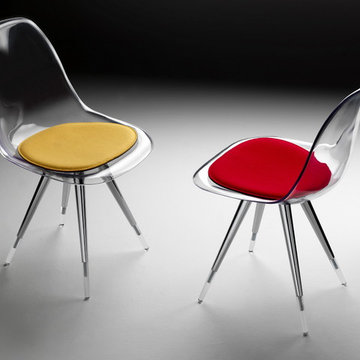
 FurnitureNYC
Kubikoff is a modern & funky design with polycarbonate transparent seat with chrome and acrylic base. Dimensions: 17.9'' W x 20.7'' D x 32.4'' H
From www.furniturenyc.net

 User
UserOur client wanted a stylish alternative to the average home gym mirror and TV combination. With this transparent mirror, CRI was able to provide a dual purpose product which served as both mirror and housing for the television. The picture resolution shown on the television screen looks as great behind the glass as it would standing alone.
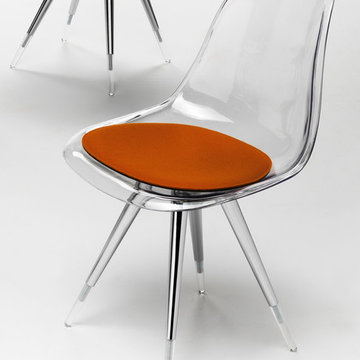 FurnitureNYC
Perfect for dining rooms, restaurants, meeting rooms, conference and more, this creative chair boasts transparent seat & back, chromed / acrylic legs, and orange pad. Dimensions: 21.06 in x 18.72 in x 32.76 in
From www.furniturenyc.net
Find the right local pro for your project
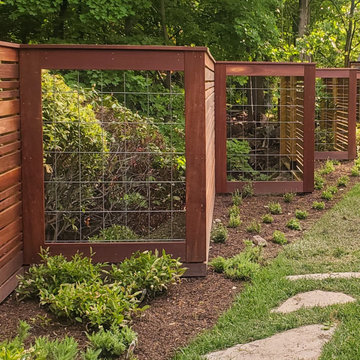
 Gilmore Landscape Architecture
Plan
This is an example of a contemporary partial sun backyard wood fence formal garden in Boston.
This is an example of a contemporary partial sun backyard wood fence formal garden in Boston.

 Small Carpenters At Large, Inc.
Inspiration for a victorian two-story wood exterior home remodel in Atlanta
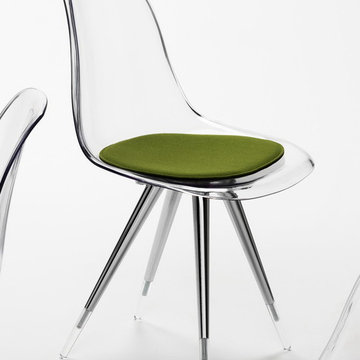 FurnitureNYC
Features:
Polycarbonate transparent seat
Pistachio seat pad
Chrome and acrylic base
Angel / Kubikoff collection
Designer: Ruud Bos
Dimensions: 17.9'' W x 20.7'' D x 32.4'' H
From www.furniturenyc.net
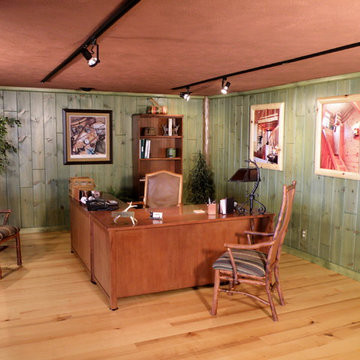
 Woodhaven Log & Lumber
Don't be surprised if customers want to come back and chat a few times in a WoodHaven office like this one. The walls are done with our custom 8" knotty pine and stained with a semi-transparent green so you can see all the knots and character of the wood. Check out the 4" inside corner. It's custom accents like this that make a room special.
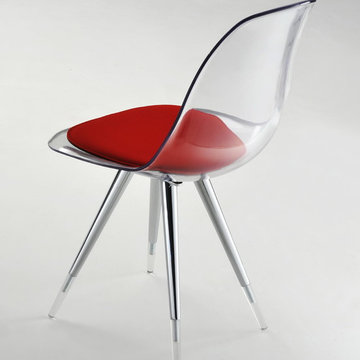 FurnitureNYC
With non standard interpretation of modern design, the Angel chair combines materials and finishes to impress everyone in your dining. The chair has transparent seat & back, chromed and acrylic legs, and red seat pad.
Dimensions: 17.9'' W x 20.7'' D x 32.4'' H
From www.furniturenyc.net

 Humidifall IP, LLC
36" x 60" 2-Sided Transparent Humidifall, Clear Nagara Textured Glass Waterfall Panel. Perfect for musical instruments.
Elegant family room photo in Denver
Elegant family room photo in Denver


 Calligaris
CS/1263_P266: Parisienne Chair - Transparent Smoke Grey Seat Finish
"Features -
Stackable Up To 4 Chairs
Technopolymer Monoshell Frame
Location - Outdoor
Specifications -
Materials - Polycarbonate
Finishes - Transparent Smoke Grey,
Chair Leg Height - 18
"
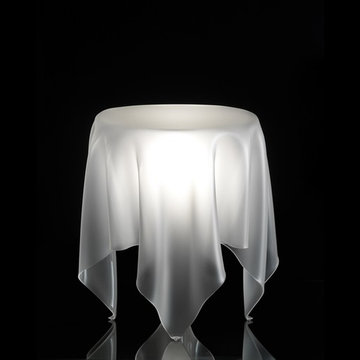
 Stardust Modern Design
Looking for a unique modern accent- or end table? We at Stardust love modern furniture design so we hope these beautiful interior design photos could provide inspiration for your own home decor project. The Illusion Transparent End Table from Stardust is a timeless statement of beauty, simplicity and functionality. Add instant style to your home with this transparent side table in a clear or ice white finish. Our Illusion end table is a clear contemporary side table with an utterly modern shape. Designed by Danish designer and manufactured in Denmark, this contemporary piece of furniture is light, versatile and perfect for a variety of spaces. Available from Stardust.com. Click image for product tags.
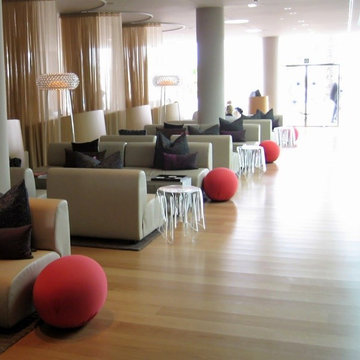 Stardust Modern Design
Looking for a unique modern accent- or end table? We at Stardust love modern furniture design so we hope these beautiful interior design photos could provide inspiration for your own home decor project. The Illusion Transparent End Table from Stardust is a timeless statement of beauty, simplicity and functionality. Add instant style to your home with this transparent side table in a clear or ice white finish. Our Illusion end table is a clear contemporary side table with an utterly modern shape. Designed by Danish designer and manufactured in Denmark, this contemporary piece of furniture is light, versatile and perfect for a variety of spaces. Available from Stardust.com. Click image for product tags.

 Grants Painting
This is a deck in Indianapolis that had solid color stain on it that we stripped off and applied semi transparent stain. Photo taken by Grant Barnard of Grants Painting.

 Luxury Pianos Inc.
Fully transparent Lucid iDyllic grand piano with white trim and rose gold hardware. Placed in a luxury lobby.
Trendy staircase photo in Austin
Trendy staircase photo in Austin
 Stardust Modern Design
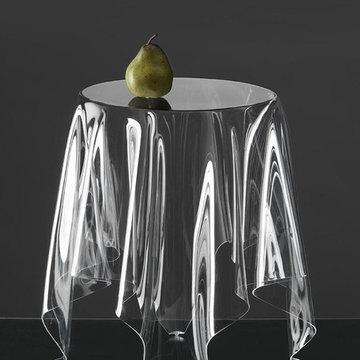
Looking for a unique modern accent- or end table? We at Stardust love modern furniture design so we hope these beautiful interior design photos could provide inspiration for your own home decor project. The Illusion Transparent End Table from Stardust is a timeless statement of beauty, simplicity and functionality. Add instant style to your home with this transparent side table in a clear or ice white finish. Our Illusion end table is a clear contemporary side table with an utterly modern shape. Designed by Danish designer and manufactured in Denmark, this contemporary piece of furniture is light, versatile and perfect for a variety of spaces. Available from Stardust.com. Click image for product tags.
 Stardust Modern Design
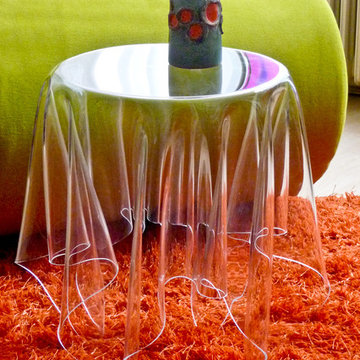
Looking for a unique modern accent- or end table? We at Stardust love modern furniture design so we hope these beautiful interior design photos could provide inspiration for your own home decor project. The Illusion Transparent End Table from Stardust is a timeless statement of beauty, simplicity and functionality. Add instant style to your home with this transparent side table in a clear or ice white finish. Our Illusion end table is a clear contemporary side table with an utterly modern shape. Designed by Danish designer and manufactured in Denmark, this contemporary piece of furniture is light, versatile and perfect for a variety of spaces. Available from Stardust.com. Click image for product tags.
 Stardust Modern Design
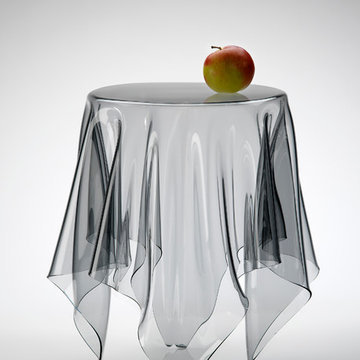
Looking for a unique modern accent- or end table? We at Stardust love modern furniture design so we hope these beautiful interior design photos could provide inspiration for your own home decor project. The Illusion Transparent End Table from Stardust is a timeless statement of beauty, simplicity and functionality. Add instant style to your home with this transparent side table in a clear or ice white finish. Our Illusion end table is a clear contemporary side table with an utterly modern shape. Designed by Danish designer and manufactured in Denmark, this contemporary piece of furniture is light, versatile and perfect for a variety of spaces. Available from Stardust.com. Click image for product tags.
 User
UserOur client wanted a stylish alternative to the average home gym mirror and TV combination. With this transparent mirror, CRI was able to provide a dual purpose product which served as both mirror and housing for the television. The picture resolution shown on the television screen looks as great behind the glass as it would standing alone.
 Stardust Modern Design
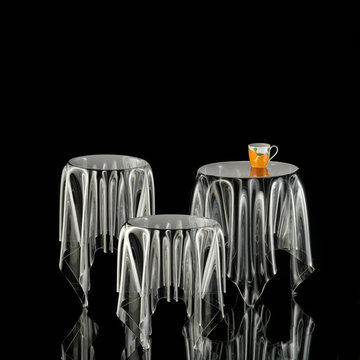
Looking for a unique modern accent- or end table? We at Stardust love modern furniture design so we hope these beautiful interior design photos could provide inspiration for your own home decor project. The Illusion Transparent End Table from Stardust is a timeless statement of beauty, simplicity and functionality. Add instant style to your home with this transparent side table in a clear or ice white finish. Our Illusion end table is a clear contemporary side table with an utterly modern shape. Designed by Danish designer and manufactured in Denmark, this contemporary piece of furniture is light, versatile and perfect for a variety of spaces. Available from Stardust.com. Click image for product tags.
2