

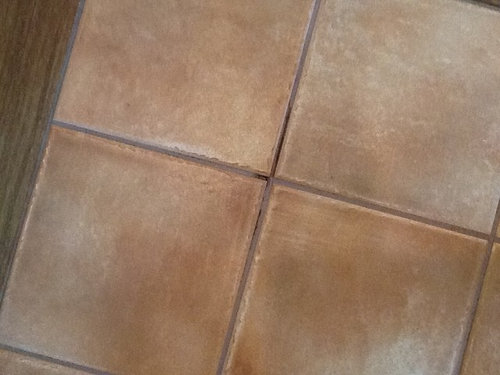
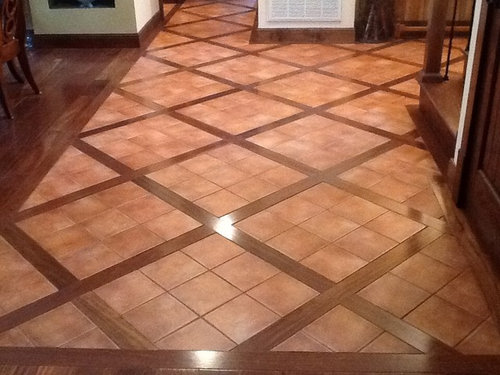
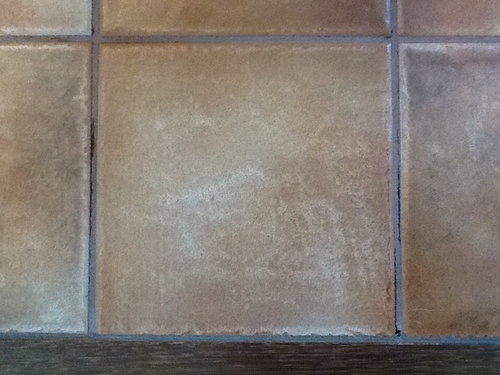
Floor grout turning to powder
11 years ago
Featured Answer
Sort by:Oldest
Comments (9)
 11 years ago
Related Professionals
Columbia Bathroom Remodelers · Fall River Bathroom Remodelers · Denver Bathroom Remodelers · Glenwood Springs Bathroom Remodelers · Odessa Bathroom Remodelers · Sedalia General Contractors · Barnstable General Contractors · New Bedford General Contractors · Norfolk General Contractors · Brooklyn General Contractors · Yuba City General Contractors · Olympia General Contractors · Elmira Interior Designers & Decorators · Pierre Interior Designers & Decorators · Calgary Interior Designers & Decorators- 11 years ago
- 11 years ago
- 11 years ago
 PRO11 years ago
 PRO5 years ago
- PRO5 years ago
- 5 years ago
Related Stories
REMODELING GUIDES9 Ways Grout–Yes, Grout–Can Add to Your Design
Choose From a Palette of Grout Colors for a Warm, Unified Look
Full Story
TILEEpoxy vs. Cement Grout — What's the Difference?
Grout is grout, right? Nope. Cement and epoxy versions have different appearances, durability and rules of installation
Full Story
TILE5 Head-Turning Tile Styles for Backsplashes and More
If plain subway tile would derail your bold decorating vision, these dashing tiles can help you arrive at a brilliant solution
Full Story
HOUSEKEEPINGHow to Clean Grout — Stains and All
If your grout is grossing you out, this deep-cleaning method will help it look new again
Full Story
TILE3 Key Steps for Grouting That Looks Its Best
Get your grout right to keep your tile beautiful and for an installation that will last
Full Story
BATHROOM DESIGNConvert Your Tub Space Into a Shower — the Tiling and Grouting Phase
Step 3 in swapping your tub for a sleek new shower: Pick the right tile and test it out, then choose your grout color and type
Full Story
SHOWERSTurn Your Shower Niche Into a Design Star
Clear glass surrounds have raised the design bar for details such as shampoo and soap shelves. Here are 4 standouts
Full Story
HOUZZ TOURSMy Houzz: Creative Moves Turn a Toronto Basement Into a Stylish Rental
See how two Canadian designers renovated their townhouse's lower level into a bright and modern one-bedroom apartment
Full Story
HOUZZ TOURSMy Houzz: Modernism Takes a Natural Turn in Pennsylvania
Generous wood throughout and woodsy sights outdoors soften and warm this home’s modern lines
Full Story
COLORFUL HOMESHouzz Tour: Turning Tradition on Its Head in Vermont
Leopard-spotted stairs, Victoriana paired with Lucite and other daring style moves give a home in a shire a completely new twist
Full Story



User