

Repotting question: Beaucarnea
16 years ago
Sort by:Oldest
Comments (2)
Related Stories
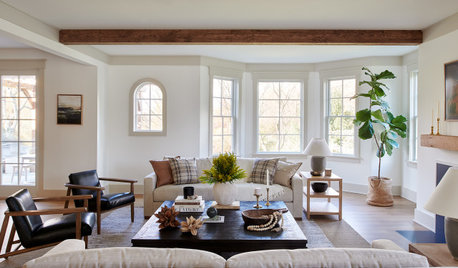
HOUSEPLANTS8 Essentials for Healthy Indoor Plants
Houseplants add so much to our homes — and can thrive when grown in the right conditions. Keep these tips in mind
Full Story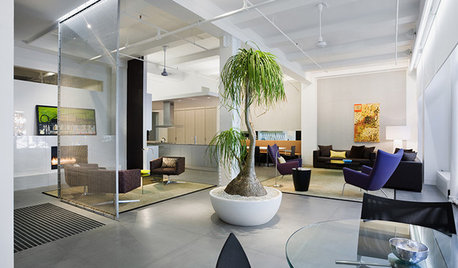
HOUSEPLANTSGot Bright Light but Lack Spare Time? Try Ponytail Palm
This low-maintenance houseplant has an exotic look and a drought-tolerant nature. Just give it lots of sun
Full Story
HOUSEPLANTSMother-in-Law's Tongue: Surprisingly Easy to Please
This low-maintenance, high-impact houseplant, also known as snake plant, fits in with any design
Full Story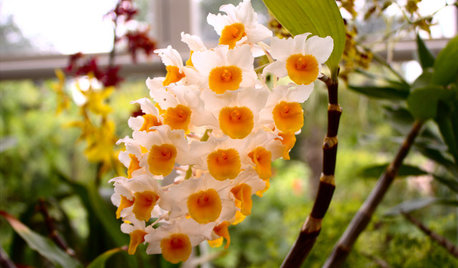
HOUSEPLANTSOrchids 101: Try Something Different With Dendrobiums
If you’re looking for something out of the ordinary, these orchids may be a good choice
Full Story
EDIBLE GARDENSSummer Crops: How to Grow Tomatoes
Plant tomato seedlings in spring for one of the best tastes of summer, fresh from your backyard
Full Story
GARDENING GUIDESCommon Myths That May Be Hurting Your Garden
Discover the truth about fertilizer, soil, staking and more to keep your plants healthy and happy
Full Story
HOUSEPLANTSHow to Grow Orchids Indoors
Orchids are the exotic aristocrats of the flower world and can make themselves comfortable in almost any home
Full Story
HOUSEPLANTSPlay Up Some Fiddleleaf Figs for a Lively Indoor Tune
Strike a dramatic chord in a minimalist scene or a country note in a rustic setting — fiddleleaf fig plants harmonize with any style
Full Story
GARDENING GUIDESHow to Keep Your Citrus Trees Well Fed and Healthy
Ripe for some citrus fertilizer know-how? This mini guide will help your lemon, orange and grapefruit trees flourish
Full Story
HOUSEPLANTSGardens Under Glass: How to Make Your Own Terrarium
Be the master of a mini ecosystem indoors — the low-maintenance, highly rewarding kind that fits any room
Full Story


tapla (mid-Michigan, USDA z5b-6a)
netlaOriginal Author
Related Professionals
New Orleans Landscape Architects & Landscape Designers · Webster Landscape Architects & Landscape Designers · Bangor Landscape Architects & Landscape Designers · Hudson Landscape Architects & Landscape Designers · Galveston Landscape Contractors · Charleston Landscape Contractors · Leominster Landscape Contractors · Jamestown Landscape Contractors · West Palm Beach Home Builders · Joplin Home Builders · Lynchburg Home Builders · Chicago Home Builders · Bemidji Home Builders · Fort Collins Home Builders · Pierre Home Builders