

fertilizer getting to the bulb
21 years ago
Sort by:Oldest
Comments (9)
Related Stories

GARDENING GUIDESGet on a Composting Kick (Hello, Free Fertilizer!)
Quit shelling out for pricey substitutes that aren’t even as good. Here’s how to give your soil the best while lightening your trash load
Full Story
GARDENING GUIDES6 Unsung Bulbs for Fall Planting
Don't hang up your spade after summer — plant these unusual bulbs in fall for a spectacular spring show
Full Story
DECORATING GUIDESLose It: How to Get Rid of Old Light Bulbs
When the light goes out, you'll want to get rid of the bulb safely. Here's how
Full Story
GARDENING GUIDESRocky Mountain Gardener: What to Do in July
Keep the party going all summer long with smart watering methods and fertilizer. Get ready for next year and order bulbs now
Full Story0
HOUSEPLANTSHow to Force Amaryllis Bulbs Indoors
Enjoy vibrant red blossoms even as gardens turn snowy white, by teaching this hardy repeat performer to ignore the calendar
Full Story
WINTER GARDENINGHow to Get an Amaryllis to Rebloom
Enjoy glorious flowers year after year just when you need them most, with this step-by-step strategy
Full Story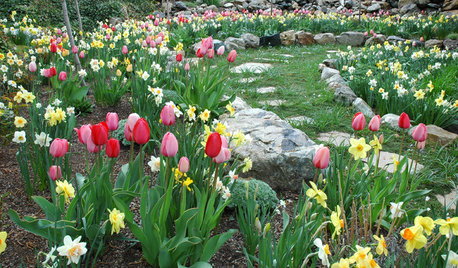
GARDENING GUIDESGardening With Kids: How to Plant Bulbs
You don't need expertise to get flowering bulbs in the ground in fall — but kids will feel like gardening pros come spring
Full Story
LANDSCAPE DESIGNGet Along With Less Lawn — Ideas to Save Water and Effort
Ditch the mower and lower your water bill while creating a feast for the eyes with diverse plantings and gathering places
Full Story
GARDENING GUIDESGet a Head Start on Planning Your Garden Even if It’s Snowing
Reviewing what you grew last year now will pay off when it’s time to head outside
Full Story
HOUSEPLANTSGet Spring-Like Hyacinth Blooms All Winter Long
Try one of these forcing methods for cheery, colorful flowers to brighten wintry days
Full Story
vetivert8
little_dani
Related Professionals
Cumberland Landscape Architects & Landscape Designers · Niles Landscape Architects & Landscape Designers · Omaha Landscape Architects & Landscape Designers · Carson City Landscape Architects & Landscape Designers · Frederick Landscape Contractors · Sioux City Landscape Contractors · Aurora Landscape Contractors · Kankakee Landscape Contractors · Duluth Landscape Contractors · La Crosse Landscape Contractors · Daytona Beach Architects & Building Designers · Somerset Architects & Building Designers · Shreveport Architects & Building Designers · Peoria Architects & Building Designers · Show Low Architects & Building Designersshrubs_n_bulbs
Millie_36
madtripperOriginal Author
little_dani
shrubs_n_bulbs
Mozart2
lindac