

Crop Rotation
17 years ago
Sort by:Oldest
Comments (7)
Related Stories
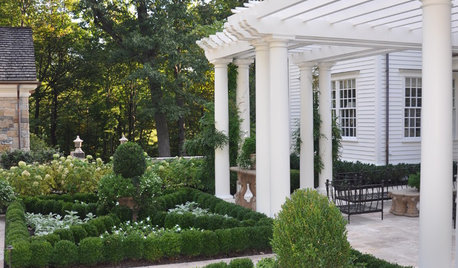
GARDENING AND LANDSCAPINGCream-of-the-Crop Vegetable Gardens
Both trendy and traditional, these inspired potager designs turn the everyday vegetable garden into art for your landscape
Full Story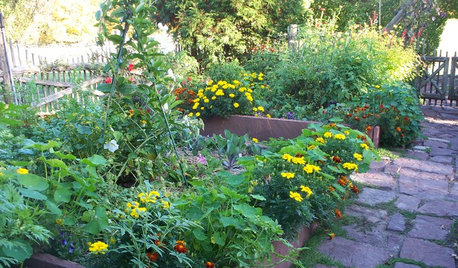
GARDENING GUIDESOrganic Matters: Thwart Insect Pests With Trap Crops
Add a few sacrificial plants to your garden to lure insects away from the harvest
Full Story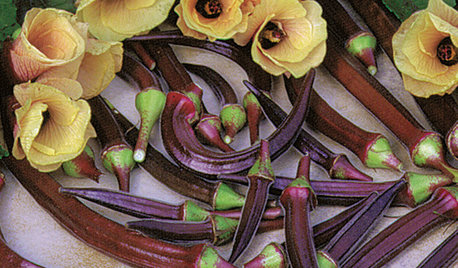
GARDENING GUIDESSummer Crops: How to Grow Okra
Go for the gumbo with this quick-growing edible that brings colorful pods and delicate flowers to a summer garden
Full Story
GARDENING GUIDESSummer Crops: How to Grow Peppers
Some like 'em hot; others like them sweet. With the incredible range of peppers available for home gardens, you can have your pick
Full Story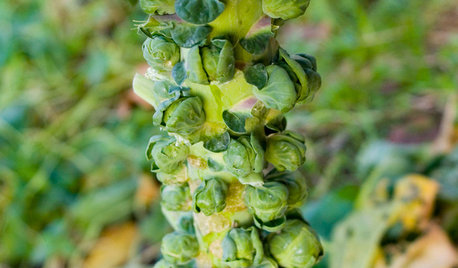
COOL-SEASON CROPSCool-Season Vegetables: How to Grow Brussels Sprouts
If you love 'em (you know who you are), fall and spring are the right times for planting these veggies in your edible garden
Full Story0
GARDENING GUIDESCool-Season Vegetables: How to Grow Cauliflower
It may be fussy about growing conditions, but the taste of cauliflower fresh from your fall garden is worth the effort
Full Story
FARM YOUR YARDCool-Season Vegetables: How to Grow Beets
Give canned versions of this fall and spring garden favorite the heave-ho and discover its true flavor and colors
Full Story
COOL-SEASON CROPSCool-Season Vegetables: How to Grow Cabbage
Give soups and stews an unbeatably fresh flavor with this ever-popular fall garden favorite
Full Story
COOL-SEASON CROPSCool-Season Vegetables: How to Grow Carrots
More than just a bunny food, easy-to-grow carrots add lacy good looks to a fall or spring garden
Full Story
FARM YOUR YARDHow to Grow Vegetables in Containers
Get glorious vegetables and fruits on your patio with a pro’s guidance — including his personal recipe for potting mix
Full Story

tamrootbeer
backyardener
Related Professionals
Fayetteville Landscape Architects & Landscape Designers · Dayton Landscape Architects & Landscape Designers · Saint Cloud Landscape Architects & Landscape Designers · Mansfield Landscape Architects & Landscape Designers · Los Angeles Landscape Architects & Landscape Designers · Jackson Landscape Architects & Landscape Designers · Sanford Landscape Architects & Landscape Designers · Columbus Landscape Contractors · Mason City Landscape Contractors · Anchorage Landscape Contractors · Covington Accessory Dwelling Units · Aiken Accessory Dwelling Units · Potsdam Accessory Dwelling Units · Tucson Accessory Dwelling Units · Glenwood Springs Accessory Dwelling Unitsshebear
Michael
wayne_5 zone 6a Central Indiana
petzold6596
Michael