

Acidifying Pots for Maples
19 years ago
Sort by:Oldest
Comments (3)
Related Stories
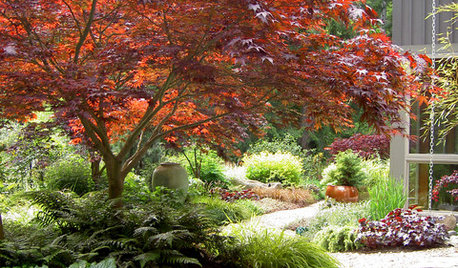
TREES11 Japanese Maples for Breathtaking Color and Form
With such a wide range to choose from, there’s a beautiful Japanese maple to suit almost any setting
Full Story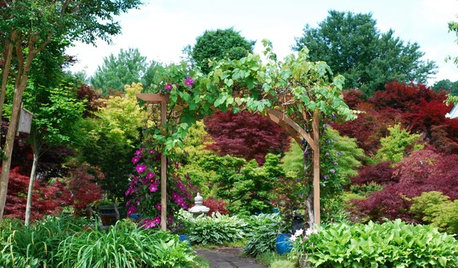
GARDENING GUIDES12 Japanese Maples for a Sunny Garden
The right maple in the right place shines in hot summer sun
Full Story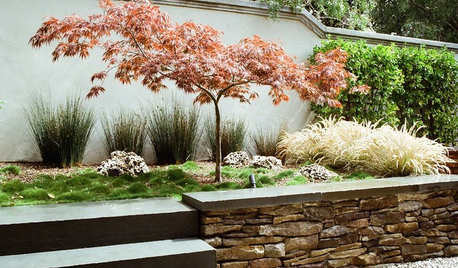
GARDENING AND LANDSCAPINGGreat Design Tree: Japanese Maple
Lacy form and fiery fall color make Japanese maple a welcome tree for garden or patio
Full Story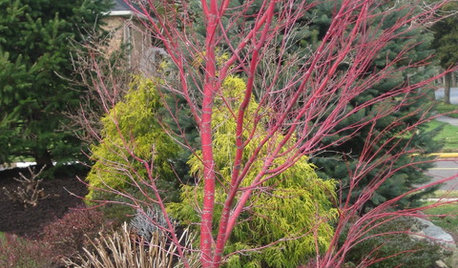
TREESGreat Design Plant: Coral Bark Japanese Maple, a Winter Standout
Go for garden gusto during the chilly season with the fiery red stems of this unusual Japanese maple
Full Story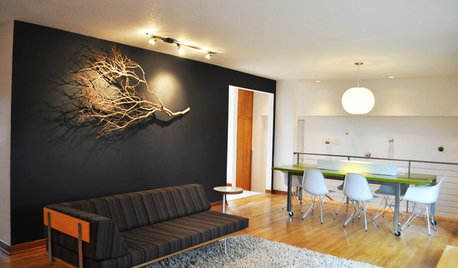
DECORATING GUIDESWeekend Project: 9 Ways to Branch Out Around the House
Natural pieces can change the feeling of a room, whether you use them to hang pots or to serve as chandeliers
Full Story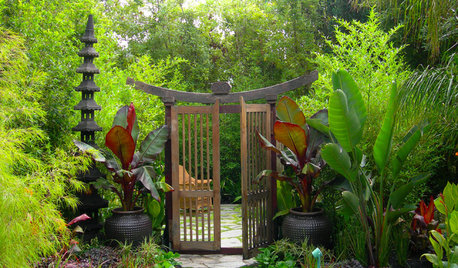
CONTAINER GARDENS10 Ways to Take Containers Beyond the Patio
Enliven your landscape with pots and containers
Full Story
KITCHEN DESIGNCreate Your Own Checklist for a Well-Stocked Kitchen
Personalize the kitchen with your own must-haves from our list of top cooking tools, small appliances, pots, pans and more
Full Story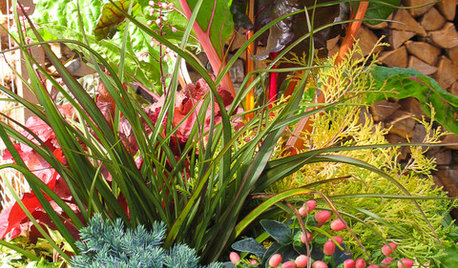
PLANTING IDEASStretch the Budget, Seasons and Style: Add Conifers to Your Containers
Small, low-maintenance conifers are a boon for mixed containers — and you can transplant them to your garden when they’ve outgrown the pot
Full Story
FARM YOUR YARDHow to Grow Vegetables in Containers
Get glorious vegetables and fruits on your patio with a pro’s guidance — including his personal recipe for potting mix
Full Story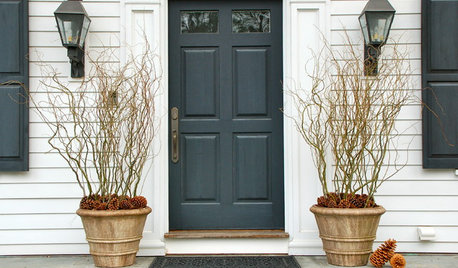
WINTER GARDENINGBranches Bring the Winter Spirit to Container Gardens
Add dimension and drama to winter pots with branches from austere to downright colorful
Full Story
justaguy2
tapla (mid-Michigan, USDA z5b-6a)
Related Professionals
Cambridge Landscape Architects & Landscape Designers · Clarksville Landscape Architects & Landscape Designers · Johnson City Landscape Architects & Landscape Designers · Calgary Landscape Architects & Landscape Designers · Huntsville Landscape Contractors · Chillicothe Landscape Contractors · Escanaba Landscape Contractors · Brunswick Home Builders · Shreveport Home Builders · Corpus Christi Home Builders · Fort Worth Home Builders · Enfield Home Builders · Champaign Home Builders · Detroit Home Builders · Bend Home BuildersacernutOriginal Author