

Good bug, bad bug. How do you tell?
13 years ago
Sort by:Oldest
Comments (7)
Related Stories
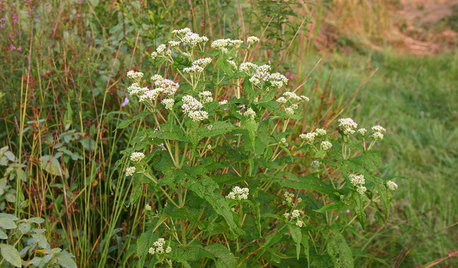
GARDENING GUIDESGreat Design Plant: Common Boneset Helps Good Bugs Thrive
Support bees, moths and butterflies with the nectar of this low-maintenance, versatile and tactile prairie-style plant
Full Story
GARDENING AND LANDSCAPINGBid Bad Garden Bugs Goodbye and Usher In the Good
Give ants their marching orders and send mosquitoes moseying, while creating a garden that draws pollinators and helpful eaters
Full Story
EARTH DAYHow to Help Your Town’s Beneficial Birds and Bugs
Make a habitat using local materials to provide a home to the creatures that help our gardens
Full Story
GARDENING AND LANDSCAPINGPorch Life: Banish the Bugs
Don't let insects be the bane of your sweet tea and swing time. These screening and product ideas will help keep bugs at bay on the porch
Full Story
DIY PROJECTS12 Signs You've Caught the DIY Bug
Been making inventive things from scratch? Repurposing salvaged pieces creatively? It may be more serious than you think
Full Story
GARDENING AND LANDSCAPINGBreezy and Bug-Free Modern Porches
Screening keeps pests out of these diverse porches across the U.S., while thoughtful designs keep them visually appealing
Full Story
FUN HOUZZHouzz Call: Tell Us About Your Dream House
Let your home fantasy loose — the sky's the limit, and we want to hear all about it
Full Story
ARCHITECTUREDesign Workshop: Materials That Tell a Story
See how wood, concrete and stone convey ideas about history, personal taste and much more
Full Story
FUN HOUZZHomes That Might Be Trying to Tell You Something
Happy range hoods, a judgmental fireplace ... once you start noticing faces around the house, you may see them everywhere
Full Story
UPHOLSTERYThe Perks and Perils of Reupholstering Old Furniture
Secondhand upholstered pieces can add character to a room, but beware of bugs, snakes and hidden costs
Full Story

IAmSupernova
digdirt2
Related Professionals
Hot Springs Landscape Architects & Landscape Designers · Port Saint Lucie Landscape Architects & Landscape Designers · Oxford Landscape Architects & Landscape Designers · Concord Landscape Architects & Landscape Designers · Hartford Landscape Architects & Landscape Designers · New Haven Landscape Architects & Landscape Designers · Beatrice Landscape Architects & Landscape Designers · Elmira Landscape Architects & Landscape Designers · Leamington Landscape Architects & Landscape Designers · Concord Landscape Contractors · Worthington Landscape Contractors · Fall River Accessory Dwelling Units · Madison Accessory Dwelling Units · Coos Bay Accessory Dwelling Units · Sanford Accessory Dwelling Unitsveeta
sunnibel7 Md 7
treehugger2012
jean001a
rhizo_1 (North AL) zone 7