

Seed catalog variability?!?!
17 years ago
Sort by:Oldest
Comments (2)
Related Stories
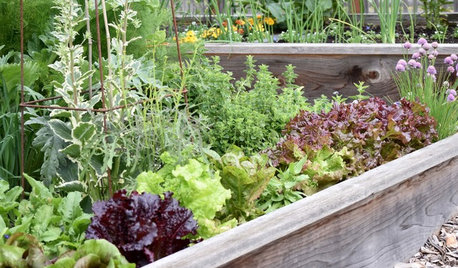
GARDENING GUIDESSeeds or Seedlings? How to Get Your Garden Started
Growing delicious herbs and vegetables starts with knowing your goals and when you want to plant
Full Story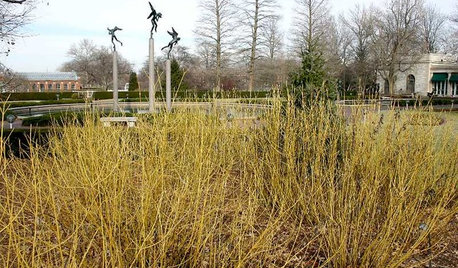
CENTRAL PLAINS GARDENINGCentral Plains Gardener's January Checklist
Sow your garden dreams while poring over seed and plant catalogs and maybe getting crafty in the shed
Full Story
LIFEYou Said It: ‘Every Room Should Have the Right Wrong Thing’ and More
This week on Houzz we were inspired to break out of catalog styling ruts and let our design freak flags fly
Full Story
FURNITUREStyle Trick: Use Office Furniture Outside the Office
Flat files, desks, task chairs and card catalogs add form and function to living spaces, too
Full Story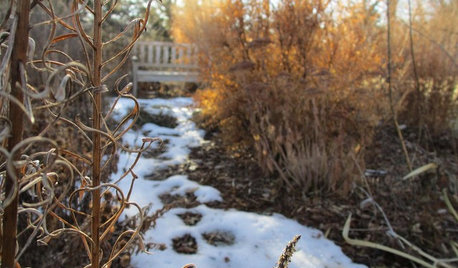
WINTER GARDENING6 Reasons I’m Not Looking Forward to Spring
Not kicking up your heels anticipating rushes of spring color and garden catalogs? You’re not alone
Full Story
WINTER GARDENINGExtend Your Growing Season With a Cold Frame in the Garden
If the sun's shining, it might be time to sow seeds under glass to transplant or harvest
Full Story
MOST POPULARSummer Crops: How to Grow Sunflowers
Savor snack-tastic sunflower seeds once the radiant blooms have faded — if the birds have saved you any, that is
Full Story
ROCKY MOUNTAINS GARDENINGRocky Mountain Gardener's February Checklist
Get smart with your seeds, strike with oil to manage pests and practice proficient pruning — your trees and shrubs will thank you
Full Story0
EVENTSDesign Calendar: Feb. 10-Mar. 2, 2012
Whitney Biennial, Seattle Home Show, Chicago seed swap and more
Full Story0
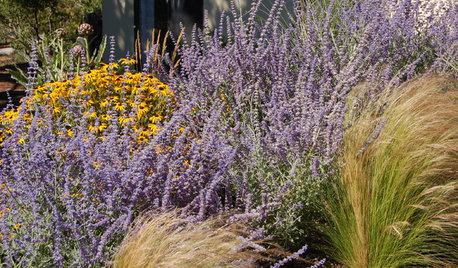
CALIFORNIA GARDENINGSouthern California Gardener's November Checklist
Sow wildflower seeds while ye may, give berries some love and pay attention to produce for garden veggies all winter long
Full Story0
Sponsored

Columbus Design-Build, Kitchen & Bath Remodeling, Historic Renovations

farmerdilla
pepperdude
Related Professionals
Pine Bluff Landscape Architects & Landscape Designers · Bloomington Landscape Architects & Landscape Designers · Middletown Landscape Architects & Landscape Designers · Chicago Landscape Architects & Landscape Designers · Grand Rapids Landscape Architects & Landscape Designers · Las Cruces Landscape Architects & Landscape Designers · Spanish Fork Landscape Architects & Landscape Designers · Aberdeen Landscape Contractors · Concord Landscape Contractors · Petersburg Landscape Contractors · Anniston Landscape Contractors · Bangor Landscape Contractors · Oxnard Accessory Dwelling Units · Coeur d'Alene Accessory Dwelling Units · Wenatchee Accessory Dwelling Units