

Fertilizers
15 years ago
Sort by:Oldest
Comments (4)
Related Stories

GARDENING GUIDESGet on a Composting Kick (Hello, Free Fertilizer!)
Quit shelling out for pricey substitutes that aren’t even as good. Here’s how to give your soil the best while lightening your trash load
Full Story
GARDENING GUIDESHow to Keep Your Citrus Trees Well Fed and Healthy
Ripe for some citrus fertilizer know-how? This mini guide will help your lemon, orange and grapefruit trees flourish
Full Story
GARDENING GUIDESCommon Myths That May Be Hurting Your Garden
Discover the truth about fertilizer, soil, staking and more to keep your plants healthy and happy
Full Story
GARDENING GUIDESHow to Switch to an Organic Landscape Plan
Ditch the chemicals for a naturally beautiful lawn and garden, using living fertilizers and other nontoxic treatments
Full Story
GARDENING GUIDES5 Prairie Wildflowers That Can Heal Your Soil
Get free, organic soil fertilizer with nitrogen-pumping plants that draw pollinators too
Full Story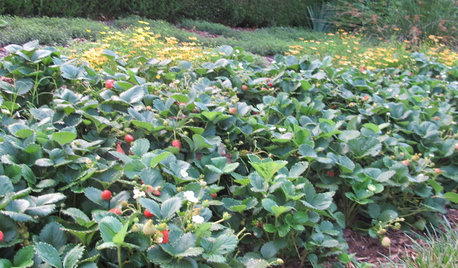
REGIONAL GARDEN GUIDESSoutheast Gardener's September Checklist
Fertilize strawberries, plant a tree or two and beckon hummingbirds to your Southern garden this month
Full Story
GARDENING GUIDESSouthwest Gardener's February Checklist
Orange you glad for a citrus-fertilizing reminder? And don't forget the recommended doses of vegetable seeds and cold-hardy flowers
Full Story
GARDENING GUIDESSouthwest Gardener's August Checklist
Manage monsoon effects, remember to fertilize and don't let the heat deter you from planting for fall
Full Story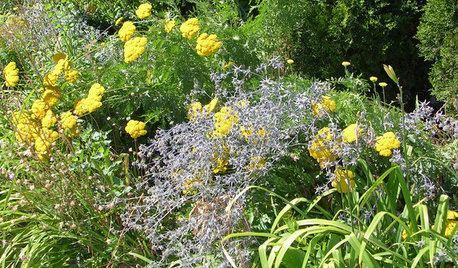
GARDENING GUIDESRocky Mountain Gardener: What to Do in July
Keep the party going all summer long with smart watering methods and fertilizer. Get ready for next year and order bulbs now
Full Story0
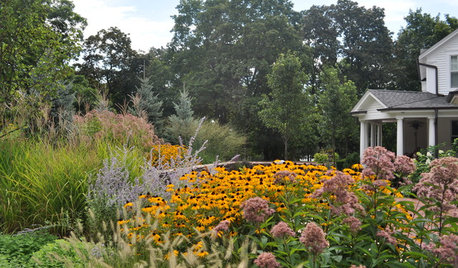
GARDENING GUIDESPacific Northwest Gardener: What to Do in September
Put in cool-weather veggies, fertilize your lawn and tidy the garden this month before chilly weather arrives
Full Story

tapla (mid-Michigan, USDA z5b-6a)
presidiogardenOriginal Author
Related Professionals
Frederick Landscape Architects & Landscape Designers · Bartlesville Landscape Architects & Landscape Designers · Waco Landscape Architects & Landscape Designers · Victoria Landscape Architects & Landscape Designers · Elkton Landscape Contractors · Portsmouth Home Builders · Miami Home Builders · Morgantown Home Builders · New London Home Builders · Davenport Home Builders · Dubuque Home Builders · Muncie Home Builders · Norfolk Home Builders · Toledo Home Builders · Rutland Home Builderstapla (mid-Michigan, USDA z5b-6a)
presidiogardenOriginal Author