

Fava Beans. What to expect?
18 years ago
Sort by:Oldest
Comments (9)
Related Stories
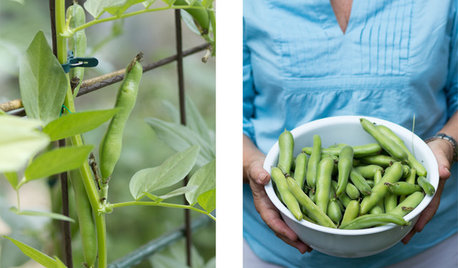
SUMMER FRUITS AND VEGETABLESSummer Crops: How to Grow Beans
Grow your own beans for amazing variety and healthy, convenient produce all summer
Full Story
GARDENING GUIDES10 Easy Edibles for First-Time Gardeners
Focus on these beginner-friendly vegetables, herbs, beans and salad greens to start a home farm with little fuss
Full Story
DECORATING GUIDESFrom Queasy Colors to Killer Tables: Your Worst Decorating Mistakes
Houzzers spill the beans about buying blunders, painting problems and DIY disasters
Full Story
DECORATING GUIDESBrew a Café Look at Home
For a javalicious vibe without the long lines and table hoggers, just borrow from your favorite coffeehouse features
Full Story
ENTERTAININGSimple Pleasures: The Reimagined Potluck
Party guests can bring more to the table than just the food. Enlisting help with setup, decorations and drinks spreads the work and the fun
Full Story
GARDENING GUIDES15 Favorites for Your Summer Edible Garden
Get your summer garden off to a good start with these popular fruits and vegetables
Full Story
DECORATING GUIDESFresh Take: 13 Great Ways to Say Yes to Plaid
Give your room a dose of the unexpected with plaid’s classic lines in nearly infinite colors and materials
Full Story
GARDENING GUIDESMonochromatic Garden Magic Done 7 Ways
Discover intriguing ways to use color in your garden by unlocking the secrets of monochromatic design
Full Story
PETSPet-Proofing Your Home: A Room-by-Room Guide
Not all pet dangers are obvious. Keep furry friends safe and sound by handling all of these potential hazards
Full Story
GARDENING GUIDES6 New Plant Varieties That Beat Out Their Parents
With better resistance and fewer demands, these garden beauties are worth a spot on your wish list
Full Story

piotr01
alfie_md6
Related Professionals
Huntsville Landscape Architects & Landscape Designers · Columbia Landscape Architects & Landscape Designers · Auburn Landscape Architects & Landscape Designers · Fall River Landscape Architects & Landscape Designers · Laconia Landscape Architects & Landscape Designers · Baltimore Landscape Contractors · Atlantic City Landscape Contractors · Elmira Landscape Contractors · Ocala Accessory Dwelling Units · San Antonio Accessory Dwelling Units · New Bedford Accessory Dwelling Units · Elmira Accessory Dwelling Units · Plattsburgh Accessory Dwelling Units · Canton Accessory Dwelling Units · Las Cruces Accessory Dwelling Unitsdeep___roots
happyday
david52 Zone 6
UserOriginal Author
flora_uk
Belgianpup
UserOriginal Author