

Willow water
15 years ago
Sort by:Oldest
Comments (8)
Related Stories

LANDSCAPE DESIGNGreat Design Plant: Paint the Summer Landscape With Desert Willow
If the vibrant flowers of this Southwestern native tree don't blow you away, the hummingbirds, fire resistance and low maintenance will
Full Story
LANDSCAPE DESIGNHow to Move Water Through Your Landscape
Swales, underground pipes or a mix of both: There’s more than one way to distribute water in the garden
Full Story
OUTBUILDINGSMy Houzz: Simply Escapist in Santa Cruz
Thrifty furnishings and a romantic willow tree turn a backyard cabin into a comfy, unpretentious hideaway
Full Story
LANDSCAPE DESIGNTo Manage Stormwater Sustainably, Understand Your Site
Follow this guide to learn how water moves through your landscape and how best to manage it
Full Story
GARDENING GUIDESProtect a Precious Resource With a Rain Garden
Promote pure water and a beautiful landscape with a garden design that makes the most of the rain
Full Story
LANDSCAPE DESIGNDitch the Ordinary Ditch: Create a Realistic Dry Creek Bed
Here’s how to turn your water runoff system into an eye-catching accent for your landscape
Full Story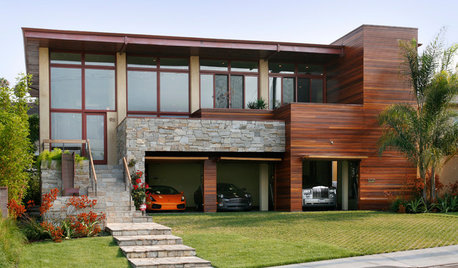
LANDSCAPE DESIGNLandscaping Tricks to Manage Stormwater Runoff
Help rainwater absorb slowly back into the earth with paving grids, gravel beds and other porous systems
Full Story
EARTH DAYThe Case for Losing the Traditional Lawn
Work less, help the environment and foster connections by just saying no to typical turf
Full Story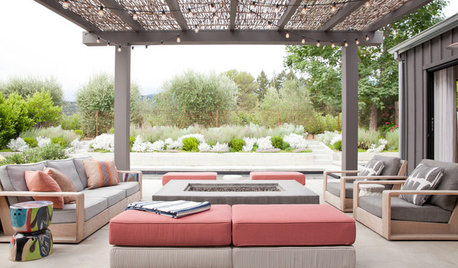
LANDSCAPE DESIGNLandscape Tour: A Place to Savor Life in California’s Wine Country
A couple’s Napa Valley weekend getaway is designed for outdoor living with a low-maintenance, drought-tolerant landscape
Full Story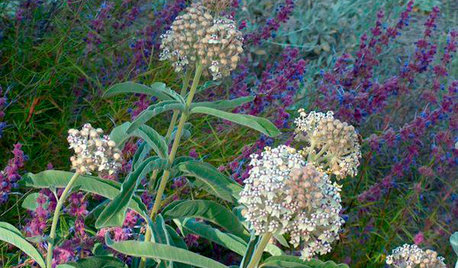
GARDENING GUIDES10 Top Native Plants for Southern California Gardens
Enjoy a fuss-free, water-wise garden by growing plants naturally in tune with the climate and wildlife of Southern California
Full Story

fruitnut Z7 4500ft SW TX
marknmt
Related Professionals
Newport News Landscape Architects & Landscape Designers · Torrington Landscape Architects & Landscape Designers · Saginaw Landscape Architects & Landscape Designers · Keene Landscape Architects & Landscape Designers · Hilo Landscape Architects & Landscape Designers · Texarkana Landscape Contractors · Pittsfield Landscape Contractors · Durango Landscape Contractors · McComb Home Additions · Greenville Home Additions · Morgantown Home Additions · Lawrence Home Additions · Ithaca Home Additions · Yuba City Home Additions · Roswell Home Additionsalcedo 4/5 W Europe
marknmt
Beeone
oregonwoodsmoke
MisterTristern
sautesmom SacramentoOriginal Author