

Lime/Black striped bug
17 years ago
Sort by:Oldest
Comments (7)
Related Stories


HOUZZ TOURSMy Houzz: Quirky, Colorful Vancouver Heritage Home
Wallpapered stair risers, a striped lime-green ceiling and creative artwork are just the beginning in this designer's 1910 home in Canada
Full Story
BLACKColor Guide: How to Work With Black
Take a walk on the dark side — your home has nothing to fear with this color when you know how to use it
Full Story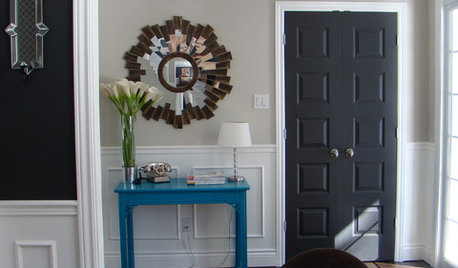
MOST POPULAR11 Reasons to Paint Your Interior Doors Black
Brush on some ebony paint and turn a dull doorway into a model of drop-dead sophistication
Full Story
BATHROOM DESIGN11 Smashing Black Bathrooms
Going dark in the bath amps up the drama and lets metallic finishes shine
Full Story
BLACKMixing Patterns: Start With Black and White
Learn the principles of layering patterns with some dramatic, high-contrast designs
Full Story

UPHOLSTERYThe Perks and Perils of Reupholstering Old Furniture
Secondhand upholstered pieces can add character to a room, but beware of bugs, snakes and hidden costs
Full Story
PRODUCT PICKSGuest Picks: Bedroom Decor a Little Boy Will Love
Set him up in a room filled with airplanes, maps and a bug or two, and you’ll be set for decor for years
Full Story
COLORWake Up With Bright Green
Add Life to a Room With Greens That Go From Lime to Chartreuse
Full Story


mcphreak
stephanieftx
Related Professionals
Covington Landscape Architects & Landscape Designers · Worcester Landscape Architects & Landscape Designers · Laconia Landscape Architects & Landscape Designers · Cleveland Landscape Architects & Landscape Designers · Chula Vista Landscape Architects & Landscape Designers · Eugene Landscape Architects & Landscape Designers · Honolulu Landscape Architects & Landscape Designers · Effingham Landscape Contractors · Salina Landscape Contractors · Fayetteville Landscape Contractors · Ardmore Landscape Contractors · Lawrenceburg Landscape Contractors · Fayetteville Accessory Dwelling Units · Ardmore Accessory Dwelling Units · Amherstburg Accessory Dwelling Unitstee_gardener
weldOriginal Author
anney
gardener1908
weldOriginal Author