

Peach Tree
16 years ago
Sort by:Oldest
Comments (7)
Related Stories
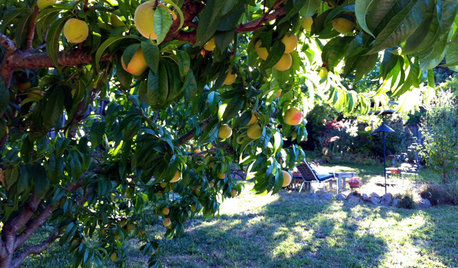
EDIBLE GARDENSHow to Grow Your Own Peaches and Nectarines
Make gardening a little sweeter with these juicy fruits, which you can eat after plucking or preserve for later
Full Story
EDIBLE GARDENSHow to Grow 10 Favorite Fruit Trees at Home
Plant a mini orchard in fall, winter or early spring to enjoy fresh-off-the-tree fruit the following year
Full Story
FARM YOUR YARDIf You Have Room for Only One Fruit Tree ...
Juice up a small garden with one of these easier-care or worth-the-effort fruit trees for a mild climate
Full Story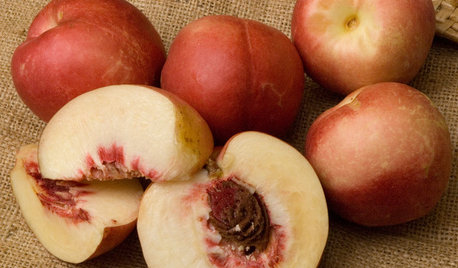
EDIBLE GARDENSGrow Plum Hybrids for Your Favorite Fruit Flavors
Plums are cozying up with apricots, peaches and even cherries — here’s how to grow these hybrids for the best aspects of each
Full Story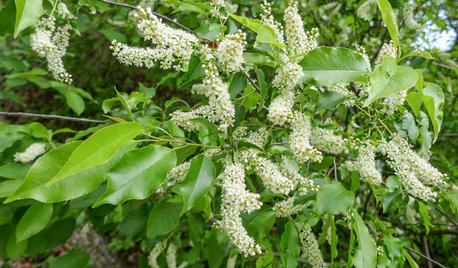
GARDENING GUIDESPlant Black Cherry Trees for the Birds and Bees
Plant Prunus serotina in the Central and Eastern U.S. for spring flowers, interesting bark and beautiful fall color
Full Story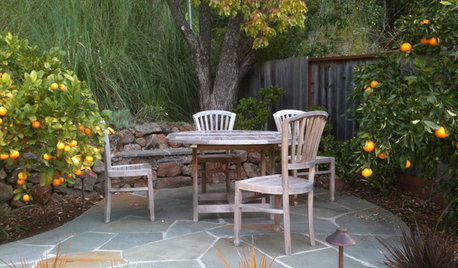
GARDENING AND LANDSCAPINGCrazy for Fruit Trees
Whether a single citrus or a mini apple orchard, even the smallest landscape space can bear deliriously delicious fruit
Full Story
TREES7 Deer-Resistant Flowering Trees to Plant this Fall
If you live in a neighborhood with roaming deer, consider these beautiful trees that won't tempt hungry guests
Full Story
GARDENING GUIDESPrunus Virginiana Thrives Under Deciduous Trees
Plant chokecherry for showy white flowers favored by native bees in spring, and to provide nesting habitat and food for birds
Full Story
EDIBLE GARDENSHow to Grow Your Own Luscious Cherries
Nope, they’re not the easiest fruit to grow. But with spectacular blossoms and pies as possibilities, cherries are sure worth a try
Full Story
FRUIT TREESHow to Grow Your Own Juicy Plums
Easier than other stone fruits and with a variety of colors to choose from, plums are a versatile garden addition
Full Story
kokopelli5a
scotjute Z8
Related Professionals
Elizabethtown Landscape Architects & Landscape Designers · Wilmington Landscape Architects & Landscape Designers · Columbus Landscape Architects & Landscape Designers · Galveston Landscape Architects & Landscape Designers · McAllen Landscape Architects & Landscape Designers · Newburyport Landscape Architects & Landscape Designers · Muskogee Landscape Contractors · Coldwater Landscape Contractors · Saint Joseph Home Additions · Platteville Home Additions · Oxnard Home Additions · Durango Home Additions · Saint George Home Additions · Bozeman Home Additions · Vancouver Home Additionsolpea
berry-nut
alan haigh
Michael
imred