

Choosing pears for Southeastern US
12 years ago
Sort by:Oldest
Comments (11)
Related Stories
GARDENING GUIDES10 Top Native Plants for the U.S. Southeast
For a low-maintenance and wildlife-friendly landscape, use Southern natives that withstand heat and humidity
Full Story
EDIBLE GARDENSHow to Grow Your Own European and Asian Pears
Try these trees for their good looks, delicious fruit and wide range of sizes — plus you can espalier them
Full Story
WEDDINGSHouzz Call: Show Us Your Backyard Wedding!
Did you say ‘I do’ at home? We want to hear and see everything about it. Share your photos and you could be featured in an upcoming ideabook
Full Story
BEDROOMSGuessing Game: What Might Our Bedrooms Say About Us?
For entertainment only; actual accuracy may vary. Always don fun goggles and engage your imagination before playing!
Full Story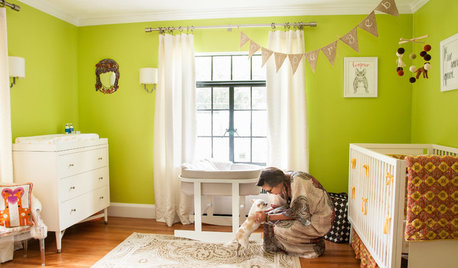
KIDS’ SPACESColor and Pattern Play in a Happy New Nursery
A spontaneous mix of pear green, patterns, antiques and modern pieces makes for a cheerful, love-filled room for a baby girl
Full Story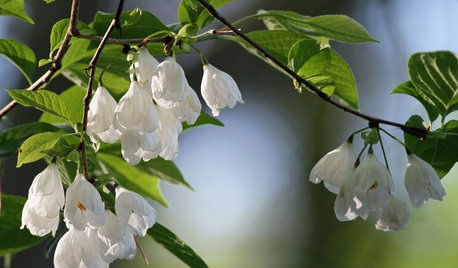
GARDENING GUIDESGreat Design Plant: Halesia Tetraptera
Carolina silverbell is a Southeastern native tree that adds spring blooms to a shady slope, a woodland edge or even a lawn
Full Story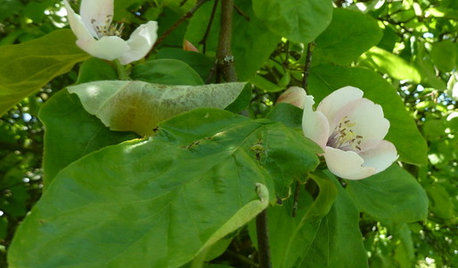
EDIBLE GARDENSWhy Grow Quince? For Beauty, Fragrance and Old-Time Flavor
Delightfully perfumed fruit and lovely spring blossoms make this apple and pear cousin worth a spot in the garden
Full Story
GARDENING GUIDESAttract Hummingbirds and Bees With These Beautiful Summer Flowers
Roll out a welcome mat for pollinators to keep your landscape in balance and thriving
Full Story
LIFERetirement Reinvention: Boomers Plot Their Next Big Move
Choosing a place to settle in for the golden years? You're not alone. Where boomers are going and what it might look like
Full Story
LANDSCAPE DESIGNPretty Trees for Patios, Paths and Other Tight Spots
Choose trees for their size, shape and rate of growth — or shape them to fit your space. Here's how to get started
Full Story


rayrose
Noogy
Related Professionals
Stamford Landscape Architects & Landscape Designers · Omaha Landscape Architects & Landscape Designers · Phoenix Landscape Architects & Landscape Designers · Farmington Landscape Architects & Landscape Designers · Mobile Landscape Contractors · Brunswick Landscape Contractors · Duluth Landscape Contractors · Olean Landscape Contractors · Youngstown Landscape Contractors · Santa Barbara Landscape Contractors · Magnolia Home Additions · Traverse City Home Additions · Milwaukee Home Additions · Oshkosh Home Additions · Kingman Home Additionsmaryhawkins99
cousinfloyd
rayrose
gonebananas_gw
maryhawkins99
insteng
gonebananas_gw
maryhawkins99
alan haigh