

Bush Cherries
17 years ago
Sort by:Oldest
Comments (6)
Related Stories
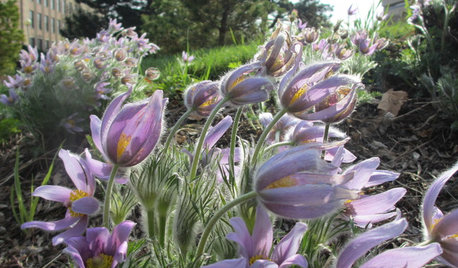
GARDENING GUIDES6 Plants That Beat Butterfly Bush for the Wildlife Draw
It's invasive, a nonnative and a poor insect magnet. Check out these better alternatives to butterfly bush in the garden
Full Story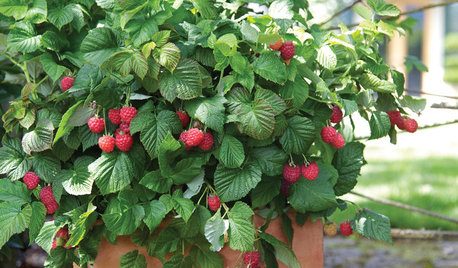
CONTAINER GARDENSPatio-Perfect Berry Bushes Like You’ve Never Seen
Small enough for pots but offering abundant fruit, these remarkable bred berries are a boon for gardeners short on space
Full Story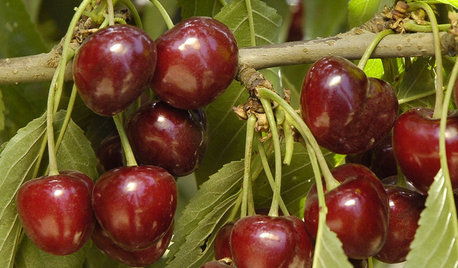
EDIBLE GARDENSHow to Grow Your Own Luscious Cherries
Nope, they’re not the easiest fruit to grow. But with spectacular blossoms and pies as possibilities, cherries are sure worth a try
Full Story
PLANTING IDEASGreat Garden Combo: Silver Sparkles Amid Purple and Blue Foliage
Get the look of this modern foundation planting by focusing on a restrained color palette with tasteful accents
Full Story
GARDENING GUIDESYes, You Can Grow Food in a Shady Yard
Your shady garden doesn’t have to be forever barren. Berries, herbs and other shade-loving plants can produce a delicious bounty
Full Story
FALL GARDENING7 Reasons Not to Clean Up Your Fall Garden
Before you pluck and rake, consider wildlife, the health of your plants and your own right to relax
Full Story
GARDENING GUIDESLet Lilac Love Flower This Spring
Whatever you bestow or receive for Mother's Day, lilacs can be an unmatched gift in the garden in May
Full Story
EDIBLE GARDENSNatural Ways to Get Rid of Weeds in Your Garden
Use these techniques to help prevent the spread of weeds and to learn about your soil
Full Story
TREES6 Unsung Spring-Blooming Trees
Billowy blooms and rare fragrances will make you wonder how these flowering trees could ever have been underused in landscapes
Full Story
HOUZZ TOURSHouzz Tour: Courtyards and Calm in Tokyo Home
With fluid indoor-outdoor boundaries and an air of mystique, this isolated home is a serene retreat for a writer in Japan
Full Story
alcan_nw
theaceofspadesOriginal Author
Related Professionals
West Palm Beach Landscape Architects & Landscape Designers · Jackson Landscape Architects & Landscape Designers · Chambersburg Landscape Architects & Landscape Designers · Chattanooga Landscape Architects & Landscape Designers · Richmond Landscape Architects & Landscape Designers · Janesville Landscape Architects & Landscape Designers · Salem Landscape Architects & Landscape Designers · Oshkosh Landscape Contractors · El Paso Landscape Contractors · Birmingham Home Additions · Salina Home Additions · Cherry Hill Home Additions · Athens Home Additions · Wheeling Home Additions · Cheyenne Home Additionsalcan_nw
Kim Ladin
alcan_nw
Kim Ladin