

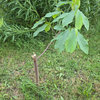
Question about interstems-low chill and dwarfs
18 years ago
Sort by:Oldest
Comments (3)
Related Stories

KITCHEN DESIGNStay Cool About Picking the Right Refrigerator
If all the options for refrigeration leave you hot under the collar, this guide to choosing a fridge and freezer will help you chill out
Full Story
LIGHTING5 Questions to Ask for the Best Room Lighting
Get your overhead, task and accent lighting right for decorative beauty, less eyestrain and a focus exactly where you want
Full Story
KITCHEN DESIGN9 Questions to Ask When Planning a Kitchen Pantry
Avoid blunders and get the storage space and layout you need by asking these questions before you begin
Full Story
KITCHEN DESIGNHouzz Call: Tell Us About Your First Kitchen
Great or godforsaken? Ragtag or refined? We want to hear about your younger self’s cooking space
Full Story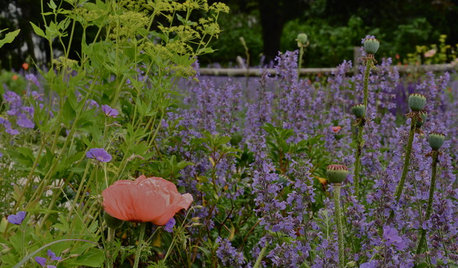
GARDENING GUIDESGreat Design Plant: Walker's Low Catmint
Prolific purple blooms, fragrant leaves, and cold-hardiness makes this a go-to plant for almost any garden
Full Story
LANDSCAPE DESIGN7 Low-Maintenance Lawn Alternatives
Turf isn't the only ground cover in town. Get a lush no-grass lawn with clover, moss and other easy-care plants
Full Story
WINDOW TREATMENTSEasy Green: 9 Low-Cost Ways to Insulate Windows and Doors
Block drafts to boost both warmth and energy savings with these inexpensive but effective insulating strategies
Full Story
HOUZZ TOURSMy Houzz: Turning a Netherlands Barn Into a Country Home
Once a place for chilling milk, this Dutch home now lets the owners chill out in easygoing comfort
Full Story
HOUZZ TOURSMy Houzz: Super Efficiency and Serenity Near the Florida Surf
It can withstand a hurricane and earned LEED Platinum certification, but this island home knows how to chill too
Full Story
BATHROOM DESIGN15 Ways to Warm Up Your Bathroom for Winter
Keep the chill away in body and spirit with everything from warm colors to high-end bathroom features
Full Story
applenut_gw
joereal
Related Professionals
Jamestown Landscape Architects & Landscape Designers · Vancouver Landscape Architects & Landscape Designers · Mountain Home Landscape Contractors · Panama City Landscape Contractors · Terre Haute Landscape Contractors · Jackson Landscape Contractors · Portland Landscape Contractors · Coldwater Landscape Contractors · Enid Home Additions · Webster Home Additions · Kearney Home Additions · Watertown Home Additions · Bennington Home Additions · Palm Desert Home Additions · London Home Additionsjoereal