

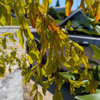
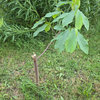
Does This Look Right For Fruit Tree Pruning?
15 years ago
Sort by:Oldest
Comments (7)
Related Stories
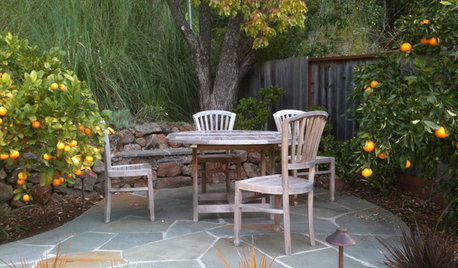
GARDENING AND LANDSCAPINGCrazy for Fruit Trees
Whether a single citrus or a mini apple orchard, even the smallest landscape space can bear deliriously delicious fruit
Full Story
EDIBLE GARDENSHow to Grow 10 Favorite Fruit Trees at Home
Plant a mini orchard in fall, winter or early spring to enjoy fresh-off-the-tree fruit the following year
Full Story
FARM YOUR YARDIf You Have Room for Only One Fruit Tree ...
Juice up a small garden with one of these easier-care or worth-the-effort fruit trees for a mild climate
Full Story
WINTER GARDENINGPruning Secrets for Exquisite Roses
Encourage gorgeous blooms year after year with this time-tested advice on how to prune your rosebush in winter for health and shape
Full Story
GARDENING GUIDESTidy Up Sprawling Native Shrubs With These Pruning Tips
Sound horticultural pruning methods work for native and nonnative plants alike
Full Story
GARDENING GUIDESHow to Prune Your Flowering Shrubs for the Best Blooms
Less is often more when it comes to properly pruning flowering shrubs. Here’s what to do and why
Full Story
GARDENING GUIDESGot Frost-Damaged Plants? How It Happens, and When and How to Prune
Don’t rush to cut back brown, brittle growth after a freeze
Full Story
EDIBLE GARDENSGrow Plum Hybrids for Your Favorite Fruit Flavors
Plums are cozying up with apricots, peaches and even cherries — here’s how to grow these hybrids for the best aspects of each
Full Story
LANDSCAPE DESIGNCelebrate a Sunny Climate With the Right Leafy Palm for Your Site
So you get freezes or floods. So your garden is small. These palms send excuses riding off into the tropical sunset
Full Story
MOST POPULARWhen Does a House Become a Home?
Getting settled can take more than arranging all your stuff. Discover how to make a real connection with where you live
Full Story
jollyrd
bencjediOriginal Author
Related Professionals
Alexandria Landscape Architects & Landscape Designers · New Braunfels Landscape Architects & Landscape Designers · Fort Dodge Landscape Architects & Landscape Designers · Cape Coral Landscape Contractors · Vincennes Landscape Contractors · Louisville Landscape Contractors · Hagerstown Landscape Contractors · Rolla Landscape Contractors · Danville Landscape Contractors · Binghamton Landscape Contractors · Cheyenne Landscape Contractors · Magnolia Home Additions · St. Louis Home Additions · Lewiston Home Additions · Anchorage Home AdditionsScott F Smith
alan haigh
MisterTristern
creekweb
alan haigh