

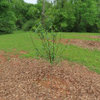
What do you guys think
19 years ago
Sort by:Oldest
Comments (6)
Related Stories
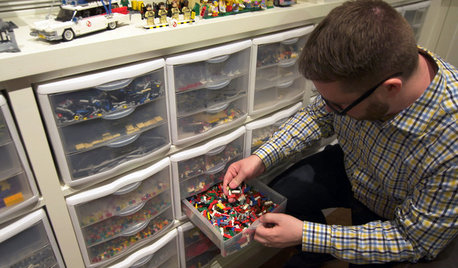
BASEMENTSHouzz TV: This Guy’s Giant Lego Collection Proves Everything Is Awesome
You may have seen our story about this architect’s Lego-filled basement. Now watch the video to see just how he organizes all 250,000 pieces
Full Story
FURNITUREDesign for Guys: 8 Great Accent Chairs
These Handsome Chaises, Wingbacks, Side Chairs and Lounges Stand Alone
Full Story
GARDENING AND LANDSCAPINGNo Fall Guys, Please: Ideas for Lighting Your Outdoor Steps
Safety and beauty go hand in hand when you light landscape stairways and steps with just the right mix
Full Story
GARDENING GUIDESNew Ways to Think About All That Mulch in the Garden
Before you go making a mountain out of a mulch hill, learn the facts about what your plants and soil really want
Full Story
PETSSo You're Thinking About Getting a Dog
Prepare yourself for the realities of training, cost and the impact that lovable pooch might have on your house
Full Story
BATHROOM DESIGN10 Ways to Think Outside the Bathroom Sink Box
A Better Bathroom Sink: Go Stainless, Go Big, Go Sculptural
Full Story
LIFEStop the Toy Takeover by Changing the Way You Think
Make over your approach and get gift givers onboard with your decluttering efforts by providing meaningful toy alternatives
Full Story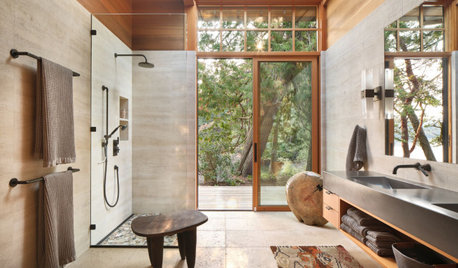
BATHROOM WORKBOOKStandard Dimensions and Measurements for a Primary Bath
Create a luxe bathroom that functions well with these key fixture dimensions and layout tips
Full Story
MODERN ARCHITECTUREHouzz Tour: Creative Thinking Yields a Lakefront 'Living Room'
Careful planning leads to a new structure and location for a stellar view
Full Story
HOMES AROUND THE WORLDWorld of Design: 11 Guys and Their Personality-Filled Man Spaces
Take a tour of very individual retreats designed by creative guys around the globe
Full Story
fignut
marknmt
Related Professionals
Bainbridge Landscape Architects & Landscape Designers · New Braunfels Landscape Architects & Landscape Designers · Coldwater Landscape Architects & Landscape Designers · Evansville Landscape Contractors · Plainfield Landscape Contractors · Minneapolis Landscape Contractors · Grand Forks Landscape Contractors · Fresno Landscape Contractors · Lake Charles Home Additions · Enid Home Additions · Plainfield Home Additions · Fort Wayne Home Additions · Gary Home Additions · Toledo Home Additions · Youngstown Home Additionspitangadiego
pezzuti9Original Author
pitangadiego
bonsaist