

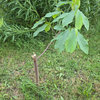
Apples in raised bed
15 years ago
Sort by:Oldest
Comments (7)

Related Stories
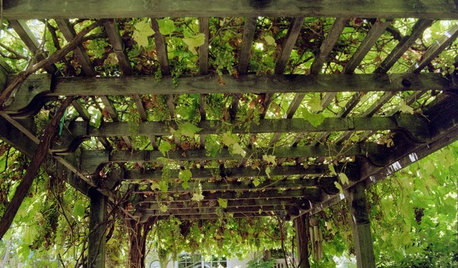
GARDENING AND LANDSCAPINGVertical Gardens Raise the Limits for Landscapes
Turn a small garden space into a towering success with an upward-bound collection of edible delights
Full Story
GARDENING GUIDES8 Materials for Raised Garden Beds
Get the dirt on classic and new options for raised vegetable and plant beds, to get the most from your year-round garden
Full Story
GARDENING AND LANDSCAPINGRaised Beds Lift Any Garden
From good old-fashioned wood garden boxes to modern metal troughs, raised beds can make any landscape space look great
Full Story
GARDENING AND LANDSCAPINGBuild a Raised Bed to Elevate Your Garden
A bounty of homegrown vegetables is easier than you think with a DIY raised garden bed to house just the right mix of soils
Full Story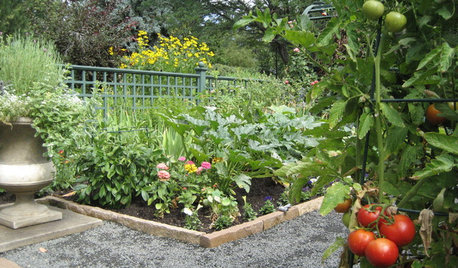
SPRING GARDENINGInspiring Raised Beds for Fall and Spring Planting
Make Your Next Vegetable Garden Even Better with Beautiful Boxes and Paths
Full Story
FARM YOUR YARDHow to Build a Raised Bed for Your Veggies and Plants
Whether you’re farming your parking strip or beautifying your backyard, a planting box you make yourself can come in mighty handy
Full Story
EDIBLE GARDENSHow to Add an Apple Tree to Your Edible Garden
Readily available, beautiful and fragrant, apple trees offer four-season interest along with crisp, juicy fruit
Full Story
PRODUCT PICKSGuest Picks: An Apple a Day
20 products to help your iPad, iPhone and other Apple gadgets feel right at home
Full Story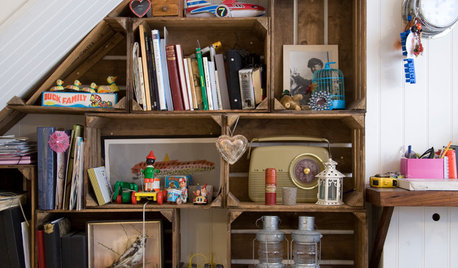
VINTAGE STYLEFlea Market Find: Apple Crates
If life gives you apples, reuse the vintage crates they came in to decorate your home
Full Story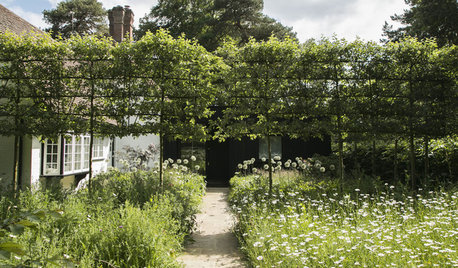
GARDENING AND LANDSCAPINGCrab Apple Trees Set Off a Stylish English Courtyard
A structure of pleached crab apple trees, bordered by a wildflower meadow, links a minimalist addition to an old house in Buckinghamshire
Full Story


Konrad___far_north
bob_z6Original Author
Related Professionals
Elizabethtown Landscape Architects & Landscape Designers · Harrisonburg Landscape Architects & Landscape Designers · Albuquerque Landscape Architects & Landscape Designers · Odessa Landscape Architects & Landscape Designers · Orangeburg Landscape Contractors · Corpus Christi Landscape Contractors · New York City Landscape Contractors · Youngstown Landscape Contractors · Odessa Landscape Contractors · Fort Wayne Home Additions · Minneapolis Home Additions · Brattleboro Home Additions · La Crosse Home Additions · Wausau Home Additions · San Angelo Home AdditionsKonrad___far_north
bob_z6Original Author
Konrad___far_north
bob_z6Original Author
bob_z6Original Author