

Apple tree rootstocks?
19 years ago
Sort by:Oldest
Comments (4)
Related Stories

EDIBLE GARDENSHow to Add an Apple Tree to Your Edible Garden
Readily available, beautiful and fragrant, apple trees offer four-season interest along with crisp, juicy fruit
Full Story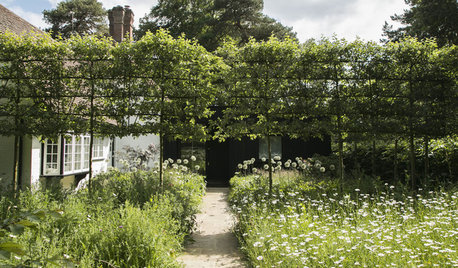
GARDENING AND LANDSCAPINGCrab Apple Trees Set Off a Stylish English Courtyard
A structure of pleached crab apple trees, bordered by a wildflower meadow, links a minimalist addition to an old house in Buckinghamshire
Full Story
FARM YOUR YARDIf You Have Room for Only One Fruit Tree ...
Juice up a small garden with one of these easier-care or worth-the-effort fruit trees for a mild climate
Full Story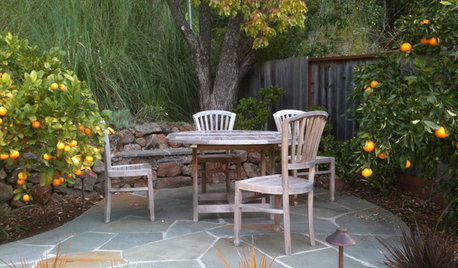
GARDENING AND LANDSCAPINGCrazy for Fruit Trees
Whether a single citrus or a mini apple orchard, even the smallest landscape space can bear deliriously delicious fruit
Full Story
SIDE YARD IDEASNarrow Trees for Tight Garden Spaces
Boost interest in a side yard or another space-challenged area with the fragrance and color of these columnar trees
Full Story
EDIBLE GARDENSHow to Grow Your Own European and Asian Pears
Try these trees for their good looks, delicious fruit and wide range of sizes — plus you can espalier them
Full Story
EDIBLE GARDENSWhy Grow Quince? For Beauty, Fragrance and Old-Time Flavor
Delightfully perfumed fruit and lovely spring blossoms make this apple and pear cousin worth a spot in the garden
Full Story
EDIBLE GARDENSHow to Grow 10 Favorite Fruit Trees at Home
Plant a mini orchard in fall, winter or early spring to enjoy fresh-off-the-tree fruit the following year
Full Story
TREES6 Unsung Spring-Blooming Trees
Billowy blooms and rare fragrances will make you wonder how these flowering trees could ever have been underused in landscapes
Full Story
CONTEMPORARY HOMESHouzz Tour: Strong, Modern Lines Stand Up to the Trees
Modernism takes kindly to the New York woods, with double-height ceilings for openness and a burbling creek for music
Full Story

jellyman
flyboy
Related Professionals
Dover Landscape Architects & Landscape Designers · Panama City Landscape Architects & Landscape Designers · Niles Landscape Architects & Landscape Designers · Murrieta Landscape Architects & Landscape Designers · Richmond Landscape Contractors · Lawton Landscape Contractors · Norfolk Landscape Contractors · Bainbridge Home Additions · Cumberland Home Additions · Clarksdale Home Additions · Fayetteville Home Additions · Cedar Rapids Home Additions · Mason City Home Additions · Ithaca Home Additions · Chico Home Additionsjkring
pumpkiwiOriginal Author