Software
Houzz Logo Print
drumaps

vegetable garden starting to yellow

18 years ago

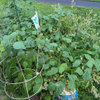
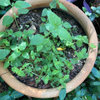
so as you can see in the pic in the link below my garden (specifically beans, cukes, string beans, pumpkins and squash) are starting to yellow. we have had a ton of rain lately, they are in elevated rows, but i think the excess moisture might be having a bad effect.

any thoughts. maybe fungus, think i've already lost my potatoes to blight... my snap peas have already stunted and are not really producing right now, losing some foliage from the bottom up on them and tomatoes

any and all help would be GREATLY appreciated.

http://i32.photobucket.com/albums/d47/drumaps2003/IMG_2623.jpg

Here is a link that might be useful: {{gwi:103903}}

Comments (6)

  • 18 years ago

    What a pretty little garden. Picturesque in fact. You know what, sometimes lots of water will cause the yellowing. I hope you get some more definitive answers from the many experts on the forum.

  • 18 years ago

    How much sun have you been getting? In the spring, if we get alot of cloudy, cooler, wet weather things tend to yellow, but they always green up when the sun starts shining again. You may have problems with fruit set during this period.

  • 18 years ago

    sun has been touch and go. rain has been guaranteed, wwwwwwwwwwaaaaaaaaaaaaaaayyyyyyyyyyy too much lately.
    how about nitrogen diffiency? have top dressed w/compost

  • 18 years ago

    I am in Vermont and am having the same problem! I dug a good majority of my red potatoes last weekend. Almost everything in my garden is yellowing. I am really concerned about my tomatoes. The fruit still looks good, however the plants are getting very yellow.

    Does anyone know if it is possible to move my tomato plants from the super wet garden to a container this late in the season?

    We got over two inches of rain today.. and the best day in the 10 day forcast has a 30% chance of rain... Right now there is standing water in the garden. I am at a loss on what to do, it is just sad to see all these vegetables in mid season being drowned... :(

  • 18 years ago

    Not an expert by any means. Been way too wet here this season also, had to do battle against various fungus ailments. The extended wet conditions were just too right for them. I retopped some things with compost too before I figured it out.

    finally some sunny days, i am hoping most things recover

  • 18 years ago

    Most likely cool and damp and darkish is what is causing the yellowing. Still, you have a nice looking garden!

    Several things may be at play here, too, though I am in a very dry climate so things may be different for you.

    Beans like it warm and not saturated. Early in the season when everything is cool, they have a tendency to develop chlorosis which is often related to zinc or iron deficiency. The soil isn't deficient, but it is cool and this seems to promote the problem. They green up as the soil warms, although they can be foliar fed with these minerals. Another factor which affects beans is that cool and damp soil/weather tends to promote fusarium root rot, which results in reddish/rust colored streaks on the roots (a healthy root is generally all white). The only cure for fusarium is for the ground to dry and warm. Fusarium will kill the roots, so hilling the soil up around the stems a bit will allow new roots to form above the infection so the plants don't die from the root loss.

    I think cool and wet also tends to play a similar number on squash type plants--at least for the yellowing from mineral deficiency induced by cool wet soil.

    You might try laying down black plastic on the ground under the plants to try to warm the soil a bit, or spray the squash with some micronutrients.

    I notice in the picture that it appears your corn is showing some signs of nitrogen deficiency. Corn is usually kind of a canary to low nitrogen levels, so you might want to fertilize the other crops (the corn is far enough along that additional nitrogen now won't have much effect). Composts and manures add organic matter to the soil and have a very high nutrient holding capacity, but depending on the source and whether it was dried or fresh, it may actually contribute very little nitrogen. Supplemental nigrogen may help. A commercial fertilizer is probably the quickest and easiest way to go. For those who prefer to have their nitrogen come with lots of organic matter, fresh manure will do the trick as it will still hold the urea from the livestock urine. Chicken manure is generally fairly high in nitrogen even when dry. Any material high in protein will also have good nitrogen levels, such as alfalfa or fish, although if it hasn't decomposed, the nitrogen won't be available until it does. With commercial fertilizers you know the nitrogen content of what you are applying. With the others, you really don't, so you apply and hope for the best.