

Pollinators, perfumes and light
19 years ago
Sort by:Oldest
Comments (8)
Related Stories
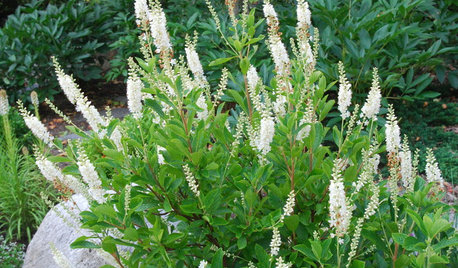
GARDENING GUIDESGreat Design Plant: Coastal Sweet Pepperbush Perfumes Gardens All Year
Bottlebrush blooms, gorgeous fall color and delightful fragrance give this U.S. native shrub 4-season appeal
Full Story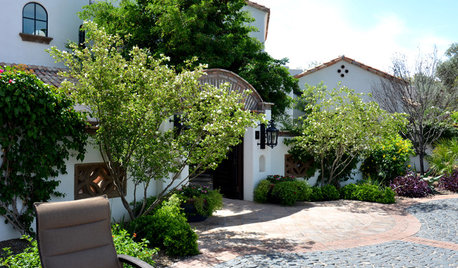
FLOWERS AND PLANTSBauhinia Lunarioides Perfumes the Garden With Its Fragrant Flowers
Bees and butterflies flock to this Texas shrub’s white and pink flowers in spring and summer
Full Story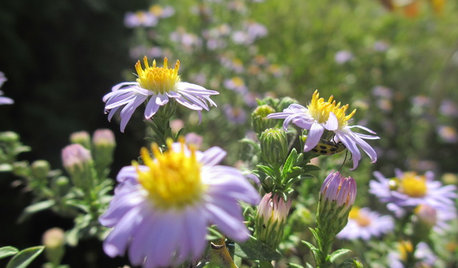
NATIVE PLANTSPlant These Fall-Flowering Natives in Early Summer for Pollinator Love
These 3 groups of plants will support masses of beneficial insects come autumn
Full Story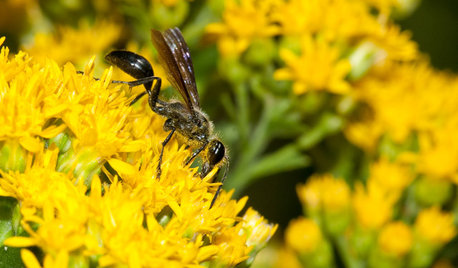
GARDENING GUIDESMeet the Grass-Carrying Wasp, a Gentle Pollinator of Summer Flowers
These fascinating insects nest in wood cavities and hollow plant stems
Full Story
GARDENING GUIDESGreat Design Plant: Eriogonum Nudum, a Summer Oasis for Pollinators
Naked buckwheat is a bee and butterfly magnet with an easy nature, a tough constitution and profuse pom-pom flowers in summer
Full Story
FLOWERS AND PLANTSThis Sunny Yellow Flower Helps Fall Pollinators and Landscapes
Oligoneuron riddellii’s distinct grass-like leaves and bright flowers jazz up the garden in the upper Midwest and Central Plains
Full Story
GARDENING GUIDESGreat Design Plant: California Buckwheat Pleases Pollinators
Beneficial insects go wild for this drought-tolerant plant’s summer flowers, while seed heads feed critters foraging in the cold
Full Story
GARDENING GUIDESGreat Design Plant: Heliopsis Helianthoides, a Pollinator Favorite
Plant smooth oxeye in eastern U.S. gardens for its bright, sunny flowers and upright form
Full Story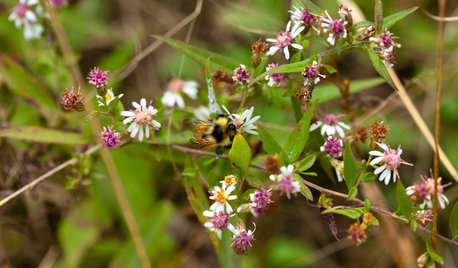
FLOWERS AND PLANTSCalico Aster Is a Shade-Loving Pollinator Nirvana
Plant Symphyotrichum lateriflorum, an eastern U.S. native, in summer for fall blooms that scores of wildlife species will love
Full Story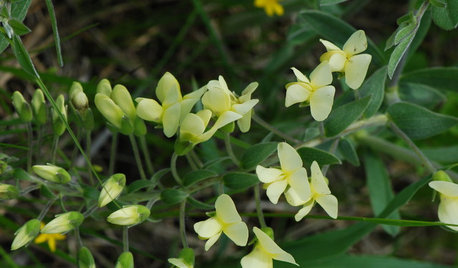
FLOWERS AND PLANTSPlant Baptisia Bracteata for Blooms Pollinators Will Love
Longbract wild indigo is great in dry soil, and its spring flowers attract butterflies and bumblebees
Full Story

ligardener
jimster
Related Professionals
New Bedford Landscape Architects & Landscape Designers · Raleigh Landscape Contractors · Orangeburg Landscape Contractors · Stamford Landscape Contractors · Ottumwa Landscape Contractors · Boston Landscape Contractors · Augusta Landscape Contractors · Monroe Landscape Contractors · Anchorage Landscape Contractors · Bronx Landscape Contractors · Florence Accessory Dwelling Units · Providence Accessory Dwelling Units · Colorado Springs Accessory Dwelling Units · Montrose Accessory Dwelling Units · Kalispell Accessory Dwelling Unitsgardener_sandy
chamanOriginal Author
ligardener
gardener_sandy
chamanOriginal Author
gardener_sandy