

Corn harvesting...
16 years ago
Sort by:Oldest
Comments (7)
Related Stories
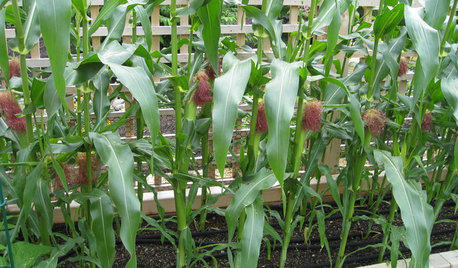
SUMMER FRUITS AND VEGETABLESHow to Grow Your Own Fresh, Sweet Corn
Here's how to plant and care for your own mini cornfield
Full Story
GARDENING AND LANDSCAPINGWorld of Design: 10 Home Gardeners Show Us Their Sweet Summer Harvests
From New York to Tokyo, these gardeners have turned their yards, terraces and rooftops into places of bounty
Full Story
GREEN BUILDINGHow to Harvest Rainwater for Your Garden
Conserve a vital resource and save money by collecting stormwater for irrigation in a barrel or tank
Full Story
GARDENING GUIDES8 Plants for a Deliciously Fragrant Fall Garden
Scent the autumn air with the perfume of caramel corn, honey and spices by adding these intoxicating plants to your landscape
Full Story
EDIBLE GARDENSHouzz Call: What Did You Grow This Summer?
Let’s celebrate the homegrown fruits and vegetables of the season. Post your pictures and tell us about your harvest
Full Story
CALIFORNIA GARDENINGCalifornia Gardener's July Checklist
Bite into tree-fresh apricots, inhale delightful garden perfumes and continue planting vegetables for a late-summer harvest
Full Story
GARDENING GUIDESOrganic Matters: Thwart Insect Pests With Trap Crops
Add a few sacrificial plants to your garden to lure insects away from the harvest
Full Story
GARDENING GUIDES12 Edibles Perfect to Plant in Late Summer
Keep those homegrown vegetables and greens coming well into fall
Full Story
ORANGECozy Up With Warm Clay Colors
Give your space an autumn color splash with shades of pumpkin and persimmon
Full Story
EDIBLE GARDENSSummer Crops: How to Grow Squash
Almost foolproof and with cheerful flowers, squash comes in a wide range of varieties to plant in spring
Full Story
wordwiz
oilpainter
Related Professionals
Aiken Landscape Architects & Landscape Designers · Pittsfield Landscape Architects & Landscape Designers · Manhattan Landscape Architects & Landscape Designers · Pensacola Landscape Contractors · Huntington Landscape Contractors · Fort Wayne Landscape Contractors · Lafayette Landscape Contractors · South Sioux City Landscape Contractors · Palm Desert Landscape Contractors · Southaven Accessory Dwelling Units · Syracuse Accessory Dwelling Units · Stockton Accessory Dwelling Units · Reno Accessory Dwelling Units · Boise Accessory Dwelling Units · Ogden Accessory Dwelling Unitsancfan
miss_takeOriginal Author
Michael
oilpainter
miss_takeOriginal Author