

Lawn Problem - mixed lawn grass type
18 years ago
Sort by:Oldest
Comments (2)
Related Stories
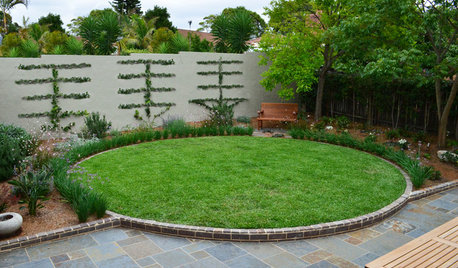
GARDENING GUIDESSmall Gem Lawns: More Impact From Less Grass
Instead of letting the lawn sprawl, make it a shapely design element in your yard. You’ll reap benefits both practical and aesthetic
Full Story
GARDENING GUIDES5 Great Grasses for a New Lawn
Learn about maintenance, wear tolerance, ideal climate and more for these top turf choices to pick the right one for you
Full Story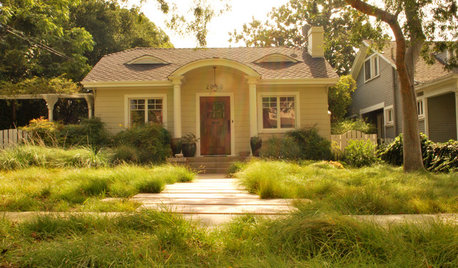
MOST POPULARMeet a Lawn Alternative That Works Wonders
Carex can replace turfgrass in any spot, is low maintenance and adjusts easily. Add its good looks and you’ve got a ground cover winner
Full Story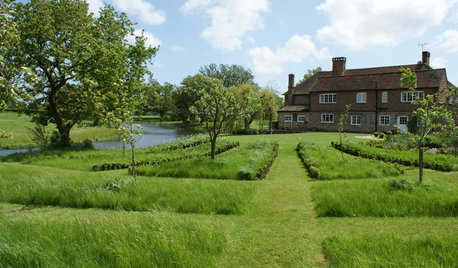
GRASSESHow to Rock a Lawn
Weekend Project: The key to healthy grass begins with the soil. If turf works for you, here’s how to fix it and keep it looking its best
Full Story
LANDSCAPE DESIGN15 Great Ideas for a Lawn-Free Yard
End the turf war for good with hardscaping, native grasses and ground covers that save water and are easier to maintain
Full Story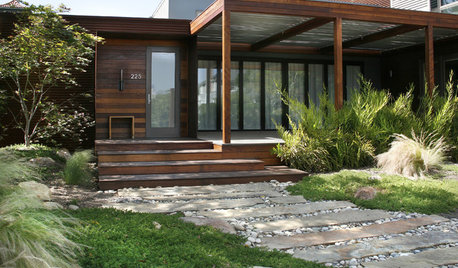
LANDSCAPE DESIGN7 Low-Maintenance Lawn Alternatives
Turf isn't the only ground cover in town. Get a lush no-grass lawn with clover, moss and other easy-care plants
Full Story
EARTH DAYThe Case for Losing the Traditional Lawn
Work less, help the environment and foster connections by just saying no to typical turf
Full Story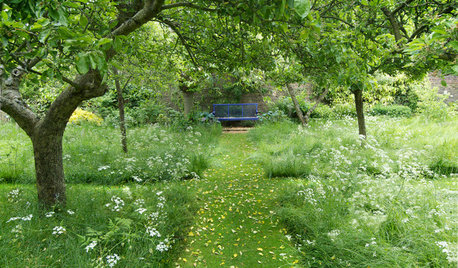
GROUND COVERSGive Your Lawn a Taste of the Wild
Consider the joys of an irregularly trimmed meadow lawn: It’s ecofriendly, visually interesting and still good for romping
Full Story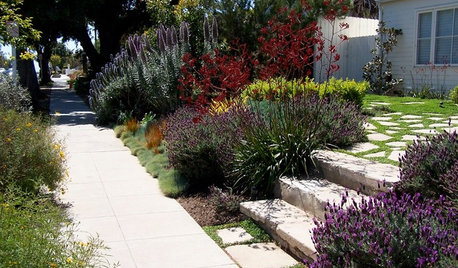
LAWN ALTERNATIVESStop Fighting the Patchy Lawn!
Here are 3 situations where a garden may be a better idea than more turfgrass
Full Story
GARDENING GUIDESHow to Prep Your Ground for a Healthy New Lawn
Seed or sod that falls on weedy, lumpy soil is a wasted effort. Follow these steps to ensure that your new lawn will thrive
Full Story
Sponsored
texas_weed
dchall_san_antonio
Related Professionals
Little Rock Landscape Architects & Landscape Designers · Detroit Landscape Architects & Landscape Designers · Orange County Landscape Architects & Landscape Designers · Athens Landscape Contractors · Dubuque Landscape Contractors · New Bedford Landscape Contractors · York Landscape Contractors · Southaven Home Builders · Jacksonville Home Builders · Chambersburg Home Builders · Anderson Home Builders · Myrtle Beach Home Builders · Grand Island Home Builders · Toronto Home Builders · Lagrange Home Builders