

zone requirements
19 years ago
Sort by:Oldest
Comments (5)
Related Stories
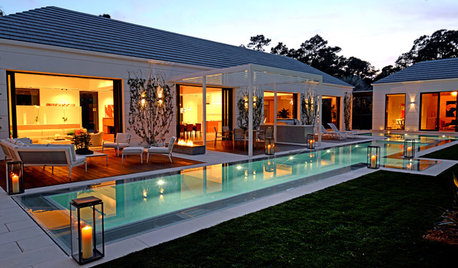
CONTRACTOR TIPSBuilding Permits: When a Permit Is Required and When It's Not
In this article, the first in a series exploring permit processes and requirements, learn why and when you might need one
Full Story
CONTRACTOR TIPSBuilding Permits: 10 Critical Code Requirements for Every Project
In Part 3 of our series examining the building permit process, we highlight 10 code requirements you should never ignore
Full Story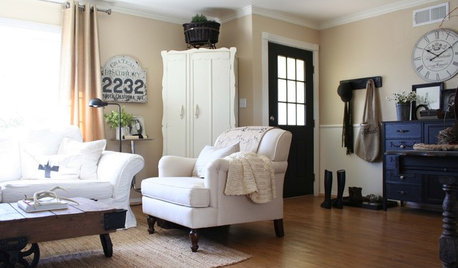
ENTRYWAYSHow to Make the Most of Your Entry (No Coat Closet Required)
A well-designed foyer offers storage, seating and other features to help you get out the door on time and looking good
Full Story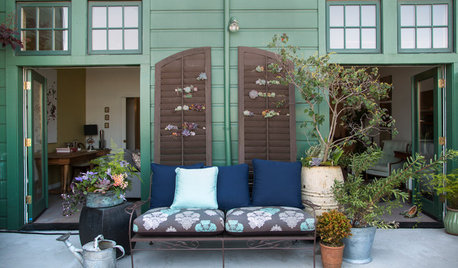
URBAN GARDENS9 Creative Ways With Plants, No Yard Required
See how designers and homeowners cleverly incorporate container gardens into their home designs
Full Story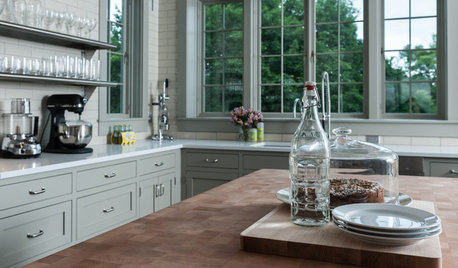
MOST POPULARKitchen Evolution: Work Zones Replace the Triangle
Want maximum efficiency in your kitchen? Consider forgoing the old-fashioned triangle in favor of task-specific zones
Full Story
THE HARDWORKING HOMEA New Drop Zone Keeps the Clutter at Bay
The Hardworking Home: A clever wall-mounted station for keys, phones and more helps a family stay organized
Full Story
DINING ROOMSNew This Week: 6 Modern Dining Zones in Homes Big and Small
Look to splashy accent walls, right-sized tables and indoor slides to make the most of your open layout
Full Story
ENTRYWAYSTransition Zone: How to Create a Mudroom
Save your sanity by planning a well-organized area that draws the line between inside and out
Full Story
BATHROOM DESIGN7 Reasons to Give Your Bath Zone a Living Room Vibe
With a few living room–like touches, you can transform your bathroom into a practical, relaxing retreat that’s overflowing with personality
Full Story
KITCHEN DESIGNKnow the 3 Zones of Kitchen Storage
Organize storage space around your kitchen’s main activities for easier cooking and flow
Full Story



jellyman
wild_foragerOriginal Author
Related Professionals
Panama City Landscape Architects & Landscape Designers · Columbia Landscape Architects & Landscape Designers · Cedar Rapids Landscape Architects & Landscape Designers · Kenosha Landscape Architects & Landscape Designers · Victorville Landscape Architects & Landscape Designers · Vidalia Landscape Contractors · Tupelo Landscape Contractors · Fredericksburg Landscape Contractors · Gloucester Landscape Contractors · Clearlake Landscape Contractors · Effingham Home Additions · Niles Home Additions · Altoona Home Additions · Montréal Home Additions · Victoria Home AdditionsScott F Smith
jbe1
lucky_p