

Lawn dying again
17 years ago
Sort by:Oldest
Comments (6)
Related Stories

Disco Fever Hits Home Again
Add a dash of Studio 54 glitz with sparkling tile, tables, lights, and Diana Ross on the stereo
Full Story
BEFORE AND AFTERSSee 6 Yards Transformed by Losing Their Lawns
Wondering whether a turf lawn is the best use of your outdoor space? These homeowners did, and they found creative alternatives
Full Story
LANDSCAPE DESIGNCalifornia Says Goodbye to the Sprawling Ornamental Lawn
New state rules will effectively limit turfgrass to 25 percent of the landscape in most new and renovated yards
Full Story
GREAT HOME PROJECTSHow to Replace Your Lawn With a Garden
New project for a new year: Lose the turfgrass for energy savings, wildlife friendliness and lower maintenance
Full Story
FRONT YARD IDEASBefore and After: Front Lawn to Prairie Garden
How they did it: Homeowners create a plan, stick to it and keep the neighbors (and wildlife) in mind
Full Story
LANDSCAPE DESIGN15 Great Ideas for a Lawn-Free Yard
End the turf war for good with hardscaping, native grasses and ground covers that save water and are easier to maintain
Full Story
LANDSCAPE DESIGNGet Along With Less Lawn — Ideas to Save Water and Effort
Ditch the mower and lower your water bill while creating a feast for the eyes with diverse plantings and gathering places
Full Story
LAWN ALTERNATIVESStop Fighting the Patchy Lawn!
Here are 3 situations where a garden may be a better idea than more turfgrass
Full Story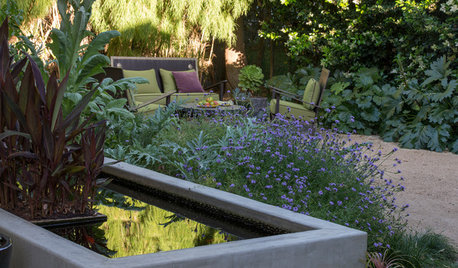
SAVING WATERHouzz Call: Are You Letting Go of Your Lawn?
Many facing a drought are swapping turf for less thirsty plantings. If you’re one of them, we’d like to hear about it
Full Story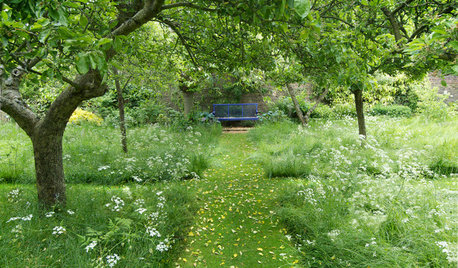
GROUND COVERSGive Your Lawn a Taste of the Wild
Consider the joys of an irregularly trimmed meadow lawn: It’s ecofriendly, visually interesting and still good for romping
Full Story

dchall_san_antonio
bpgreen
Related Professionals
Ashland Landscape Architects & Landscape Designers · Nashville Landscape Architects & Landscape Designers · Fort Wayne Landscape Architects & Landscape Designers · Barnstable Landscape Architects & Landscape Designers · San Diego Landscape Architects & Landscape Designers · Albuquerque Landscape Architects & Landscape Designers · Olympia Landscape Architects & Landscape Designers · Victoria Landscape Architects & Landscape Designers · Forrest City Landscape Contractors · Annapolis Landscape Contractors · Houston Landscape Contractors · Lynchburg Landscape Contractors · Cheyenne Landscape Contractors · Janesville Home Builders · Bozeman Home BuildersjessakaOriginal Author
dchall_san_antonio
jessakaOriginal Author
jessakaOriginal Author