

Lawn Fix
18 years ago
Sort by:Oldest
Comments (4)
Related Stories
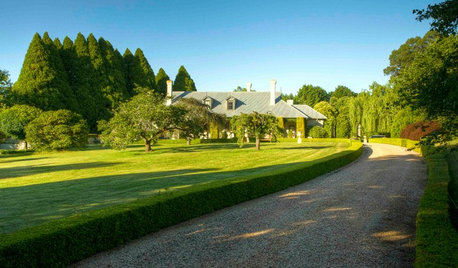
GARDENING GUIDESHow to Fix Bare and Yellow Lawn Spots
Restore your turf’s good looks by reseeding unsightly patches
Full Story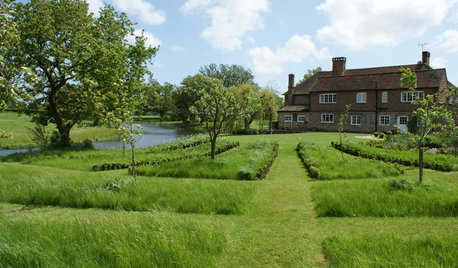
GRASSESHow to Rock a Lawn
Weekend Project: The key to healthy grass begins with the soil. If turf works for you, here’s how to fix it and keep it looking its best
Full Story
KITCHEN DESIGN6 Kitchen Fixes for Nomads
Renting? Some Affordable Ways to Make That Kitchen Feel Like Your Own
Full Story
SELLING YOUR HOUSEFix It or Not? What to Know When Prepping Your Home for Sale
Find out whether a repair is worth making before you put your house on the market
Full Story
PRODUCT PICKSGuest Picks: Kentucky Derby Party Fixings and Decor
Get a Derby Day party off to a great start with accessories, serveware and furnishings that champion the cause of chic
Full Story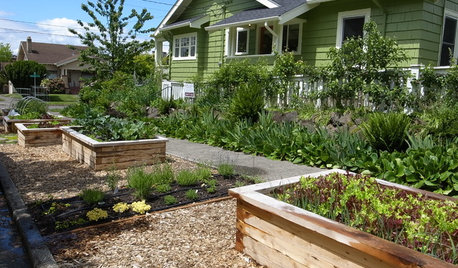
BEFORE AND AFTERSSee 6 Yards Transformed by Losing Their Lawns
Wondering whether a turf lawn is the best use of your outdoor space? These homeowners did, and they found creative alternatives
Full Story
LANDSCAPE DESIGNCalifornia Says Goodbye to the Sprawling Ornamental Lawn
New state rules will effectively limit turfgrass to 25 percent of the landscape in most new and renovated yards
Full Story
LANDSCAPE DESIGNGet Along With Less Lawn — Ideas to Save Water and Effort
Ditch the mower and lower your water bill while creating a feast for the eyes with diverse plantings and gathering places
Full Story
GROUND COVERSGive Your Lawn a Taste of the Wild
Consider the joys of an irregularly trimmed meadow lawn: It’s ecofriendly, visually interesting and still good for romping
Full Story
SAVING WATERHouzz Call: Are You Letting Go of Your Lawn?
Many facing a drought are swapping turf for less thirsty plantings. If you’re one of them, we’d like to hear about it
Full Story

dchall_san_antonio
bob64Original Author
Related Professionals
Orlando Landscape Architects & Landscape Designers · Charlotte Landscape Architects & Landscape Designers · Dallas Landscape Architects & Landscape Designers · St. Louis Landscape Contractors · San Antonio Landscape Contractors · Lafayette Landscape Contractors · Rock Hill Home Builders · Johnson City Home Builders · New London Home Builders · Bloomington Home Builders · Gloucester Home Builders · New Bedford Home Builders · Saint Cloud Home Builders · Sioux Falls Home Builders · Glenwood Springs Home Buildersdchall_san_antonio
bob64Original Author