

Mushroom root rot experiences
15 years ago
Sort by:Oldest
Comments (10)
Related Stories

ARCHITECTURERoots of Style: Queen Anne Homes Present Regal Details
Complex facades with bay windows, multiple shingle patterns and even towers make these Victorian-era homes a sight to behold
Full Story
FEEL-GOOD HOME21 Ways to Waste Less at Home
Whether it's herbs rotting in the fridge or clothes that never get worn, most of us waste too much. Here are ways to make a change
Full Story
GARDENING GUIDESHow to Keep Your Trees Healthy
Ensure your trees’ vigor for years to come with these tips for protecting roots, watering effectively and more
Full Story
GARDENING GUIDESDon’t Let These Excuses Keep You From Gardening
Stop blaming your lack of experience, space, time and funds, and get on with the joy of garden making
Full Story
GREAT HOME PROJECTSHow to Add an Outdoor Shower
New project for a new year: Experience bathing in a whole new light with a shower in the fresh air
Full Story
FARMHOUSESHouzz Tour: Minimalism in a Pastoral Mood
Local materials help a Connecticut farmhouse look right at home, while its simplicity fits the owners’ aesthetic
Full Story
FALL GARDENINGMake This Fall’s Garden the Best Ever
Learn the most important tip for preventing buyer’s remorse, plus get more valuable buying and planting advice
Full Story
GARDENING GUIDESGarden Myths to Debunk as You Dig This Fall and Rest Over Winter
Termites hate wood mulch, don’t amend soil for trees, avoid gravel in planters — and more nuggets of garden wisdom
Full Story
TRIMShutter Cutouts: A Window to One's Soul?
To settle on the perfect shape for this simple detail, follow your heart — or diamond, or maple leaf
Full Story
FALL GARDENING6 Splendid Blue-Flowering Bulbs
How do you blue? With colors from sky to cobalt, these bulbs will greet you merrily in a spring garden
Full Story
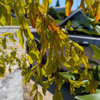
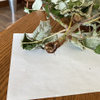
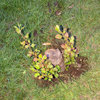
olga_6b
UserOriginal Author
Related Professionals
Middlesboro Landscape Architects & Landscape Designers · Lawrence Landscape Architects & Landscape Designers · Erie Landscape Architects & Landscape Designers · Las Vegas Landscape Architects & Landscape Designers · Lagrange Landscape Architects & Landscape Designers · DeRidder Landscape Contractors · Parkersburg Landscape Contractors · Athens Home Additions · Effingham Home Additions · Terre Haute Home Additions · Baton Rouge Home Additions · San Marcos Home Additions · Marquette Home Additions · Potsdam Home Additions · Las Cruces Home AdditionsUserOriginal Author
glib
olga_6b
UserOriginal Author
chadinlg Zone 9b Los Gatos CA
glib
olga_6b
UserOriginal Author