

cucumber beetles
19 years ago
Sort by:Oldest
Comments (9)
Related Stories
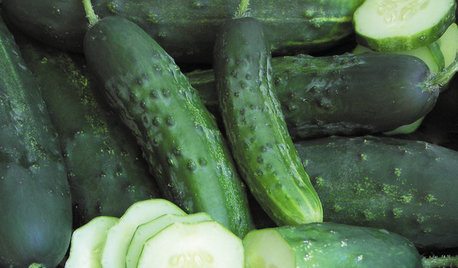
SUMMER FRUITS AND VEGETABLESSummer Crops: How to Grow Cucumbers
Pick a peck for pickles or opt for fewer and raw — no matter how you slice them, cucumbers are great for summer gardens small to large
Full Story
EDIBLE GARDENSHouzz Call: What Did You Grow This Summer?
Let’s celebrate the homegrown fruits and vegetables of the season. Post your pictures and tell us about your harvest
Full Story
EDIBLE GARDENSSummer Crops: How to Grow Squash
Almost foolproof and with cheerful flowers, squash comes in a wide range of varieties to plant in spring
Full Story
EDIBLE GARDENSGarden BFFs? Why Your Vegetables Are Begging for Companion Plants
Foster friendships among plants for protection from pests, pollination support and color camaraderie
Full Story
GARDENING GUIDES6 Plants That Beat Butterfly Bush for the Wildlife Draw
It's invasive, a nonnative and a poor insect magnet. Check out these better alternatives to butterfly bush in the garden
Full Story
GARDENING AND LANDSCAPINGBid Bad Garden Bugs Goodbye and Usher In the Good
Give ants their marching orders and send mosquitoes moseying, while creating a garden that draws pollinators and helpful eaters
Full Story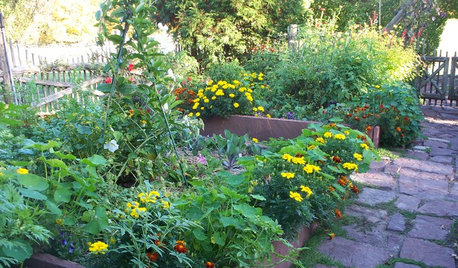
GARDENING GUIDESOrganic Matters: Thwart Insect Pests With Trap Crops
Add a few sacrificial plants to your garden to lure insects away from the harvest
Full Story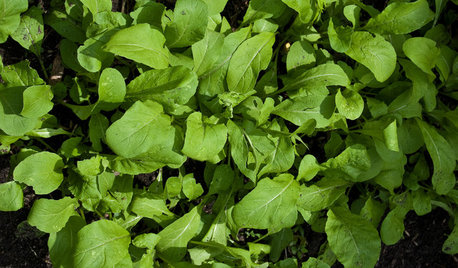
COOL-SEASON CROPSCool-Season Vegetables: How to Grow Salad Greens
From arugula to radicchio, greens have taken a top spot on the table and in fall and winter gardens. See how to start growing them now
Full Story
FARM YOUR YARDHow to Build a Raised Bed for Your Veggies and Plants
Whether you’re farming your parking strip or beautifying your backyard, a planting box you make yourself can come in mighty handy
Full Story
SUMMER GARDENINGHouzz Call: Please Show Us Your Summer Garden!
Share pictures of your home and yard this summer — we’d love to feature them in an upcoming story
Full Story

justaguy2
plot_thickens
Related Professionals
Shreveport Landscape Architects & Landscape Designers · Fresno Landscape Architects & Landscape Designers · Ogden Landscape Architects & Landscape Designers · Petersburg Landscape Contractors · Fort Dodge Landscape Contractors · South Bend Landscape Contractors · Tallahassee Architects & Building Designers · Columbia Architects & Building Designers · Cincinnati Architects & Building Designers · Chambersburg Architects & Building Designers · Dallas Architects & Building Designers · Lafayette Architects & Building Designers · Watertown Architects & Building Designers · Gillette Architects & Building Designers · Edmonton Architects & Building Designersrhizo_1 (North AL) zone 7
justaguy2
lotsablessingsOriginal Author
Kimmsr
justaguy2
rhizo_1 (North AL) zone 7
anney