

Insect/Disease Prevention
18 years ago
Sort by:Oldest
Comment (1)
Related Stories
GARDENING GUIDESTree Care: Common Tree Diseases and What to Do About Them
Learn to recognize trees that may be affected by diseases or pests so you can quickly take action
Full Story
GARDENING GUIDESOrganic Matters: Thwart Insect Pests With Trap Crops
Add a few sacrificial plants to your garden to lure insects away from the harvest
Full Story
GARDENING GUIDESGreat Design Plant: Helianthus Maximiliani Attracts Beneficial Insects
Maximilian sunflower’s striking yellow flowers light up the fall landscape and attract pollinators and beneficial insects at a crucial time
Full Story
WINDOW TREATMENTSA Surefire Way to Prevent Sun Damage Indoors
Why let light ruin your furniture, floors and artwork, when the solution could be as simple as applying high-quality window film?
Full Story
GARDENING GUIDESGreat Design Plant: Rosa Banksiae a Low-Maintenance Beauty
This thornless, disease- and insect-resistant rose brings showers of white or yellow flowers to the spring garden
Full Story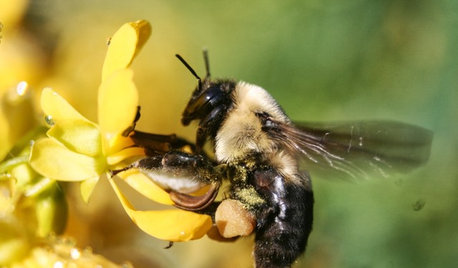
GARDENING FOR BUTTERFLIESGardening for the Bees, and Why It’s a Good Thing
When you discover how hard bees work for our food supply, you may never garden without them in mind again
Full Story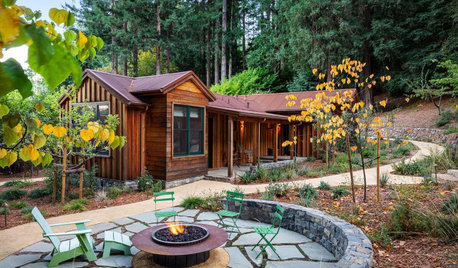
FALL GARDENING7 Reasons Not to Clean Up Your Fall Garden
Before you pluck and rake, consider wildlife, the health of your plants and your own right to relax
Full Story
FARM YOUR YARDHello, Honey: Beekeeping Anywhere for Fun, Food and Good Deeds
We need pollinators, and they increasingly need us too. Here, why and how to be a bee friend
Full Story
EARTH DAYHow to Help Your Town’s Beneficial Birds and Bugs
Make a habitat using local materials to provide a home to the creatures that help our gardens
Full Story
FALL GARDENINGMake This Fall’s Garden the Best Ever
Learn the most important tip for preventing buyer’s remorse, plus get more valuable buying and planting advice
Full Story

Kimmsr
Related Professionals
Forrest City Landscape Architects & Landscape Designers · Westminster Landscape Architects & Landscape Designers · Zanesville Landscape Architects & Landscape Designers · Hackettstown Landscape Architects & Landscape Designers · Potsdam Landscape Architects & Landscape Designers · Topeka Landscape Contractors · Rolla Landscape Contractors · Saint Joseph Landscape Contractors · Jackson Landscape Contractors · Chambersburg Landscape Contractors · Myrtle Beach Landscape Contractors · Pensacola Architects & Building Designers · Covington Architects & Building Designers · Hobbs Architects & Building Designers · Kahului Architects & Building Designers